-
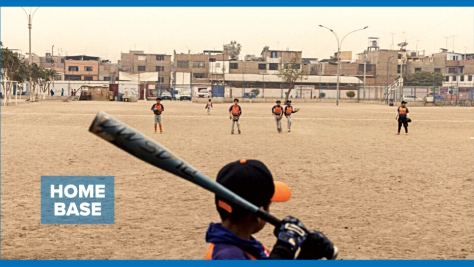
Baseball club brings a bit of home to Venezuelan refugee and migrant children in Peru
11 Apr 2023 -
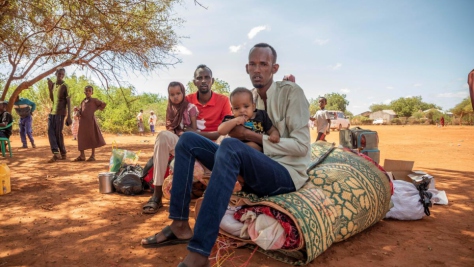
Thousands of newly arrived Somali refugees in Ethiopia relocated to new settlement
11 Apr 2023 -
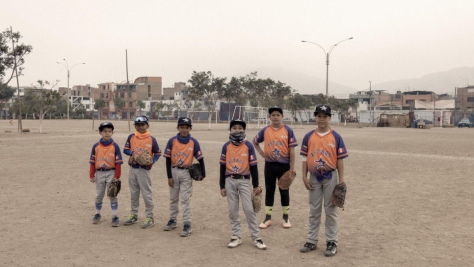
Baseball club brings a bit of home to Venezuelan refugee and migrant kids in Peru
6 Apr 2023 A baseball training club in Lima gives young Venezuelans a second chance at their dreams of one day going professional. -
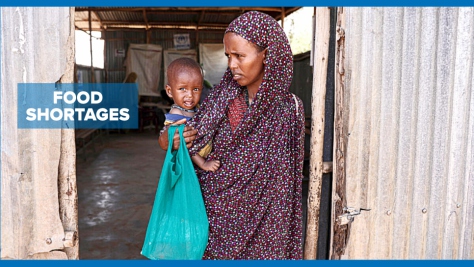
Samira's Story
4 Apr 2023 -
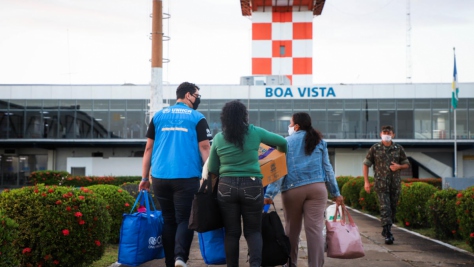
After 5 years, Brazil relocation strategy benefits over 100,000 Venezuelans
4 Apr 2023 UNHCR-IOM joint press release -
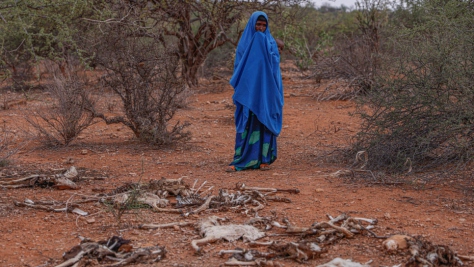
Drought brings life-threatening food shortages for refugees in Ethiopia
31 Mar 2023 Five failed rainy seasons, rising prices, and a funding shortfall are pushing refugees in the Horn of Africa to the brink. -

Recording of the meeting
30 Mar 2023 -
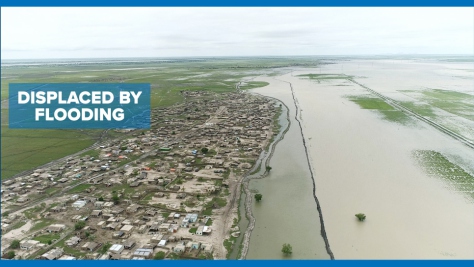
Recurring floods in Sudan displaces refugees and host communities
30 Mar 2023 -
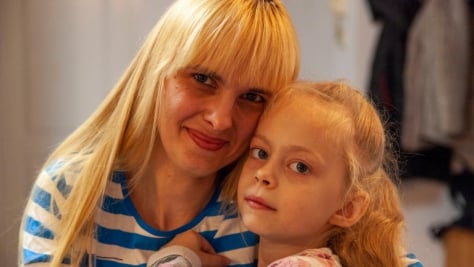
Ukraine's refugees find long-term support in Europe's host countries
30 Mar 2023 Across Europe, refugees from Ukraine are finding the sustainable support they need to live safely and securely.