
UNHCR, the UN Refugee Agency, convenes Government and Private Sector Partners to Advance Agricultural Livelihoods for Refugees and Host Communities
UNHCR, the UN Refugee Agency, convenes Government and Private Sector Partners to Advance Agricultural Livelihoods for Refugees and Host Communities

ACCRA, Ghana – "Many displaced people possess talents and potential," Cameroonian refugee and farmer, Trust, told participants. "Among them are entrepreneurs, doctors, teachers, and skilled professionals. What they often need is trust and opportunity."
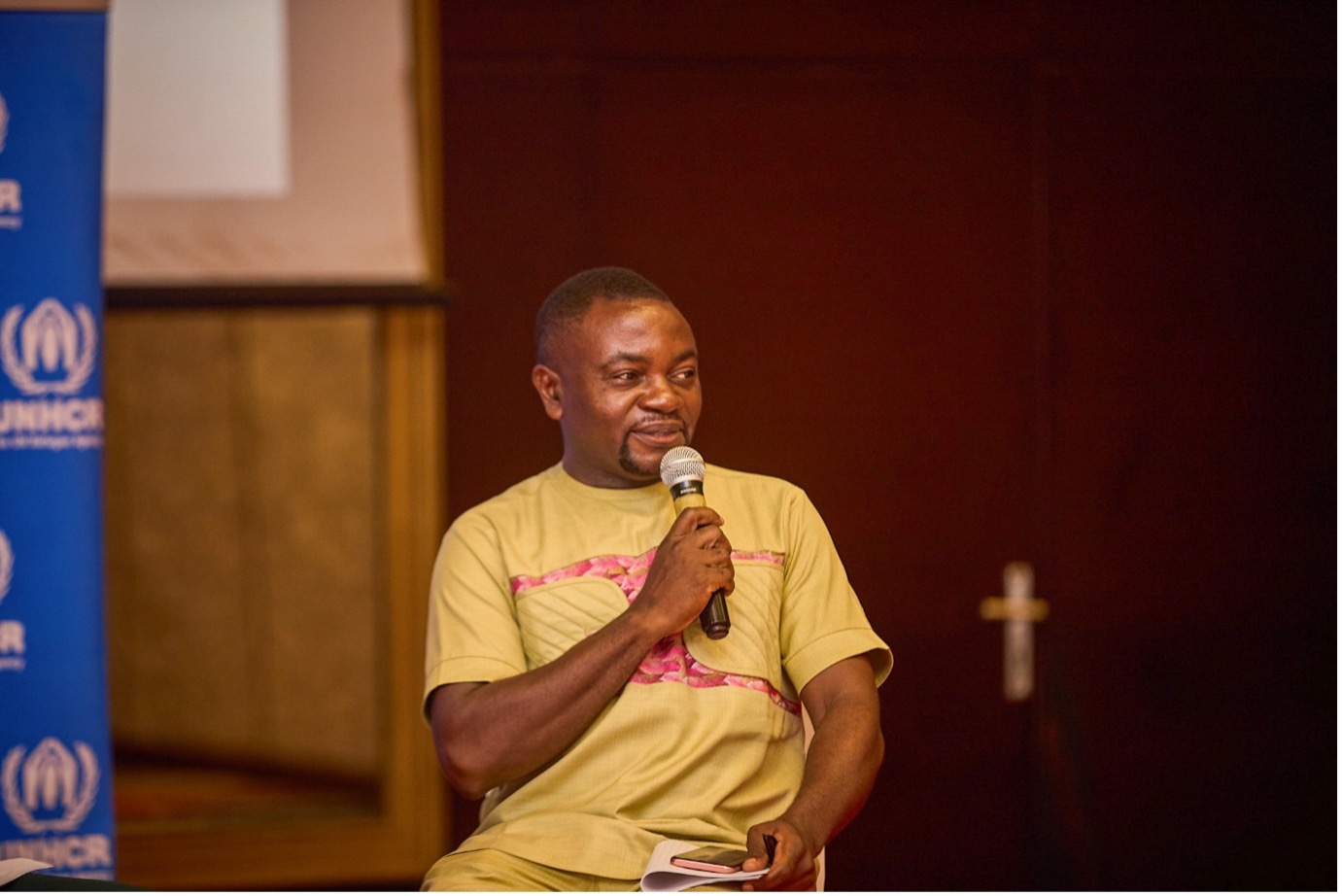
Trust speaks from experience. Before he was displaced, he farmed and ran businesses in Cameroon. In Ghana, he rebuilt his life from a single plot of land, drawing on that experience while navigating challenges in accessing land, farming inputs and technical support.
Today, his family-run farm employs six people, Ghanaian nationals and refugees among them, and grows tomatoes, cabbages, peppers and other vegetables for local markets and businesses. The farm has also expanded into value addition and processing.
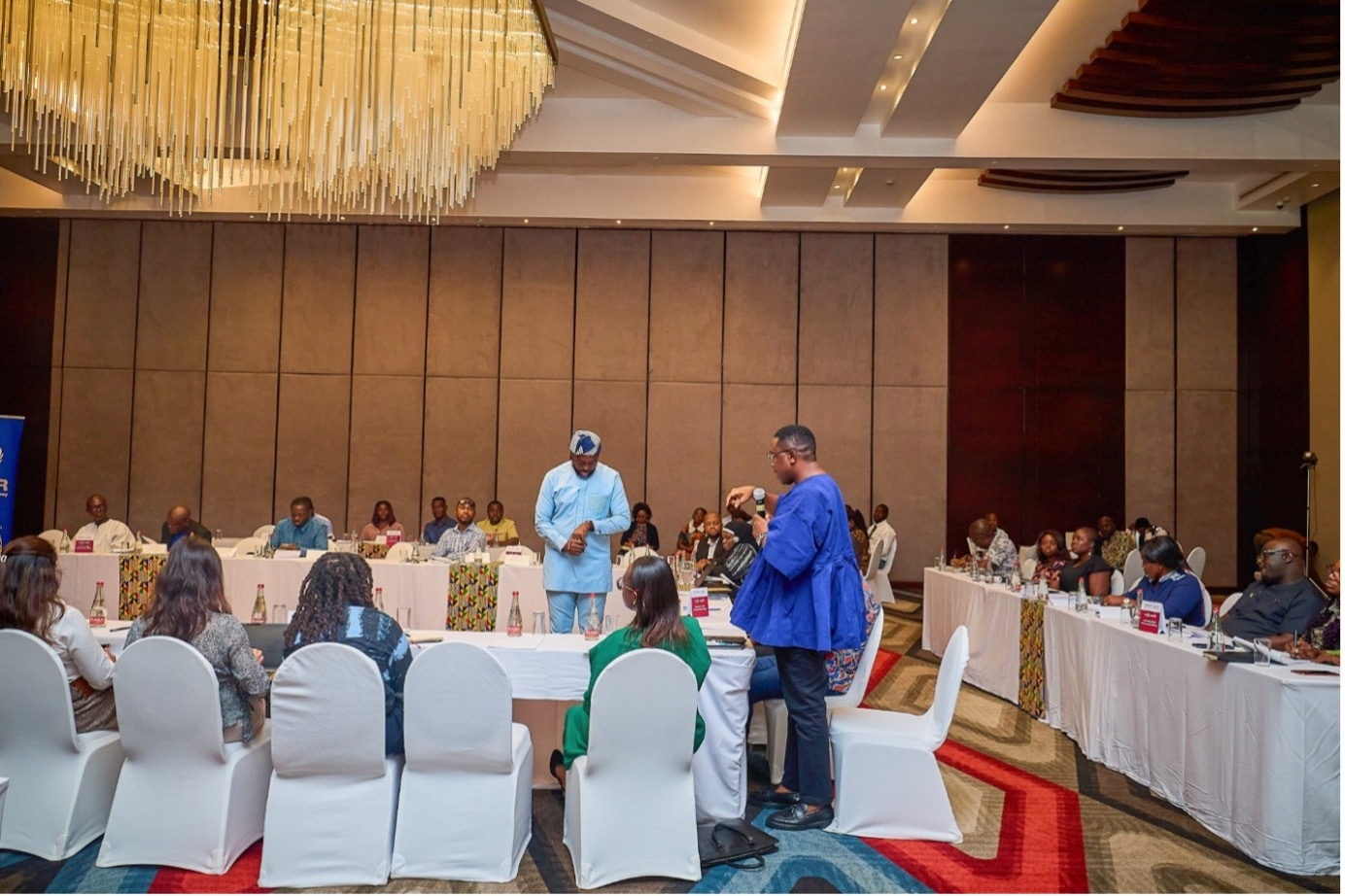
Trust's experience brought the purpose of the Dialogue into focus. Convened by UNHCR, with support from the Ghana Refugee Board, the event engaged more than 30 companies and investment partners, alongside government representatives and humanitarian actors, to explore opportunities along agricultural value chains, from production and processing to market access.
GRASP, the Ghana Refugee Agribusiness and Sustainability Programme, was co-created by UNHCR and the Ghana Refugee Board, with support from Ghana's National Development Planning Commission, Ministry of Food and Agriculture, and Ministry of Trade, Agribusiness and Industry. The programme connects refugees and host communities to land, agricultural inputs, technical training and markets, using agribusiness as a pathway to self-reliance.
Now integrated into the Government of Ghana's Feed Ghana Programme, GRASP positions agribusiness as a pathway to economic opportunity, self-reliance and resilience for refugees and host communities. Trust's farm offers a tangible example of what the partnership in action can achieve: enabling refugees to work, earn, employ others and contribute to their local economies.
"Refugee inclusion is fundamentally about enabling people to rebuild their lives with dignity," said Tetteh Padi, Head of UNHCR Ghana. "Through initiatives such as GRASP, we are working with government and private sector partners to ensure that refugees and host communities can access livelihoods, participate in the economy, and contribute to shared growth."
Since 2022, more than 30,000 Burkinabe refugees have sought safety in Ghana, settling in rural communities across the Upper East, Upper West, Savannah and Bono East regions, where farming shapes daily life. For many, agriculture offers the most direct route to a steady income and food for their families. But as displacement becomes increasingly protracted, individual livelihoods must be supported by longer-term systems and partnerships.
Supporting those livelihoods requires action beyond the humanitarian sector.
"Our response has evolved to match the nature of protracted displacement across Africa," said Nancy Aburi, Chief of Private Sector Partnerships Africa at UNHCR. "This partnership demonstrates how an engaged private sector can integrate refugees into agribusiness value chains, contributing towards thriving economies and communities."
In Ghana, this longer-term approach is also being embedded in national development priorities.
"Through GRASP and its integration into the Feed Ghana Programme, refugee-hosting areas are being positioned within our broader economic planning, linking livelihoods, markets, and investment to regions where both refugees and host communities are building their futures," said Dr. Nasibatu Taahiru-Swallah, Deputy Executive Secretary of the Ghana Refugee Board.
That alignment with national policy also creates clearer opportunities for businesses to engage. At the Dialogue, private sector leaders identified potential across agricultural value chains in northern Ghana, while emphasizing the coordination mechanisms required to translate this potential into sustainable investment.
"We see strong potential to engage across agricultural value chains, from production to processing and market access," said Nii Annorbah-Sarpei, Programmes Manager at the KGL Foundation. "GRASP brings together the partnerships, coordination, and structure that allow businesses to participate in ways that are practical, scalable, and aligned with long-term growth."
Under the GRASP umbrella, UNHCR, the Government of Ghana, and a growing circle of private sector partners are connecting national planning and business engagement with opportunities across production, processing and market access. For Trust and other refugees rebuilding their livelihoods, that means a chance to turn existing skills into livelihoods, business, and jobs.