By Joana Da Silva Afonso, UNHCR Financial Inclusion Officer, and Micol Pistelli, UNHCR Senior Financial Inclusion Officer
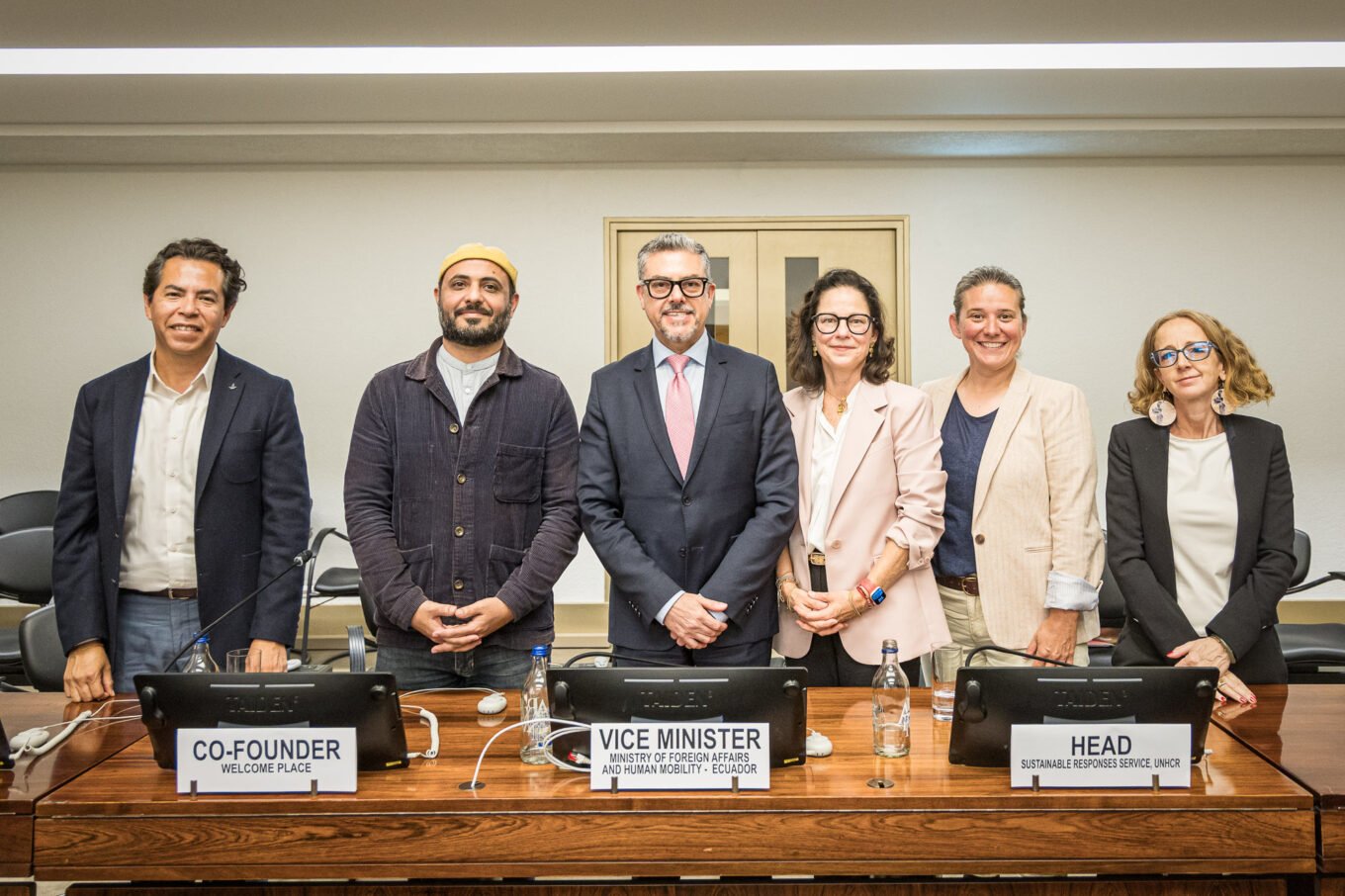
What does it take to turn financial inclusion from a policy promise into a lived reality for refugees? This was the central question explored at a dynamic Side Event during UNHCR’s 76th Executive Committee session. Organized by UNHCR’s Sustainable Responses Service (SRS), the event brought together governments, financial institutions, development organizations, and refugee entrepreneurs to discuss one shared goal: making financial services truly accessible to those forced to flee.
Self-reliance lies at the heart of UNHCR’s mission, and expanding access to financial services is a key step toward it. The event showcased how policy, innovation, and partnerships are shaping the landscape of financial inclusion for refugees across diverse contexts.
Turning laws into access
Passing inclusive laws is the beginning, but implementation is what determines whether refugees can open accounts, access credit, and fully participate in the economy. Elizabeth Eyster, head of UNHCR’s SRS, shared preliminary findings from a first-of-its-kind legal review conducted by UNHCR in partnership with global law firm DLA Piper. The study examines regulatory frameworks affecting refugees’ and asylum seekers’ access to financial services in more than 80 countries.
Eyster noted that an initial review of 50 jurisdictions showed both progress and persistent gaps. Many countries have enabling environments, yet ensuring awareness, enforcement, and institutional capacity remains essential. Building infrastructure, training financial actors, and empowering refugees themselves – sometimes requiring a whole-of-system transformation – are necessary to ensure that legal and policy reforms translate into real opportunities for refugees and host communities.
Building infrastructure, training financial actors, and empowering refugees are necessary to ensure that legal and policy reforms translate into real opportunities.
Shifting perceptions: Refugees as economic actors
Alejandro Davalos, Ecuador’s Vice-Minister for Human Mobility, highlighted how Ecuador modified its financial regulations to guarantee recognized refugees and asylum seekers the right to access financial and mobile services on an equal basis with nationals. He emphasized that the inclusion of foreign nationals, including refugees, “can boost labour supply, broaden the tax base and inject new skills into the workforce.” Financial inclusion, he added, fosters socio-economic integration, promotes social cohesion, and benefits host communities.
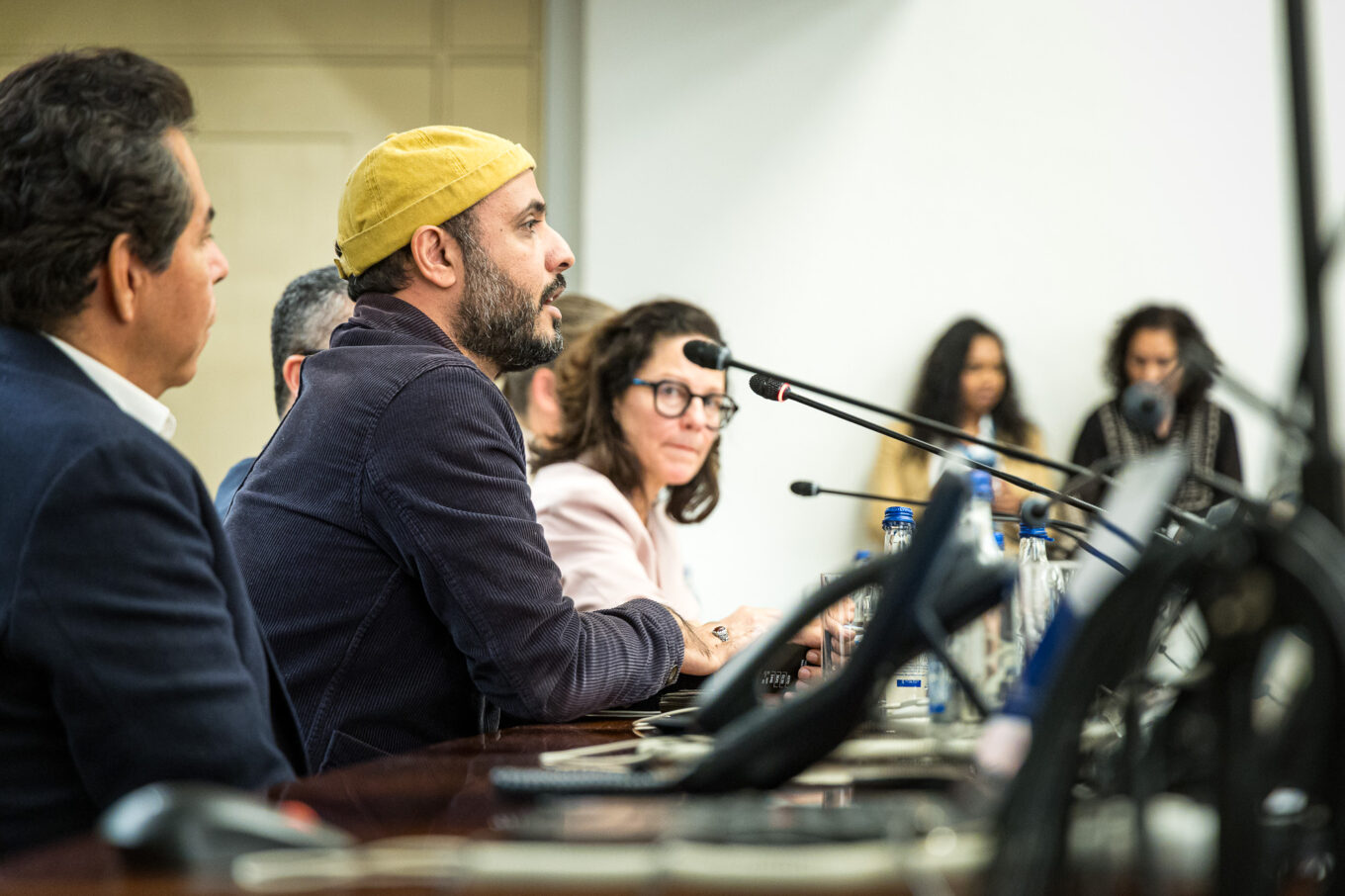
A recurring theme was the need to shift perceptions. Refugees are not only vulnerable – they are innovators, entrepreneurs, and contributors to local economies. Rooh Savar, a refugee entrepreneur from Iran living in France since 2009 and founder of Welcome Account (formerly known as Welcome Place), a neobank for newcomers, shared how his experience inspired him. “Refugees often don’t fit in the boxes of traditional banking,” he said, explaining that his fintech aims to change that, though he noted that real progress requires systemic change, not just new products.
The inclusion of foreign nationals, including refugees, can boost labour supply, broaden the tax base and inject new skills into the workforce.
Similarly, Ricardo Garcia Tafur from the IFC–UNHCR Joint Initiative highlighted that financial institutions must move beyond risk perceptions and stereotypes to see refugees as viable clients and markets. As he noted, “vulnerable does not mean unbankable.” Unlocking this potential requires data, market assessments, and a clear business case. In fact, overlooking refugees represents a missed opportunity for both social impact and growth.
Another point of consensus among panellists was the relevance of implementation: even where laws exist, they must be known and applied. Financial institutions, frontline staff, and regulators need training and incentives to implement inclusive policies. Refugees, too, must know their rights and the services available to them. Infrastructure is equally vital in meeting needs – whether through institutional capacity to issue digital refugee identity cards that meet Know Your Customer (KYC) requirements, or through digital networks that ensure reliable connectivity in remote refugee-hosting areas.
Building the infrastructure for inclusion
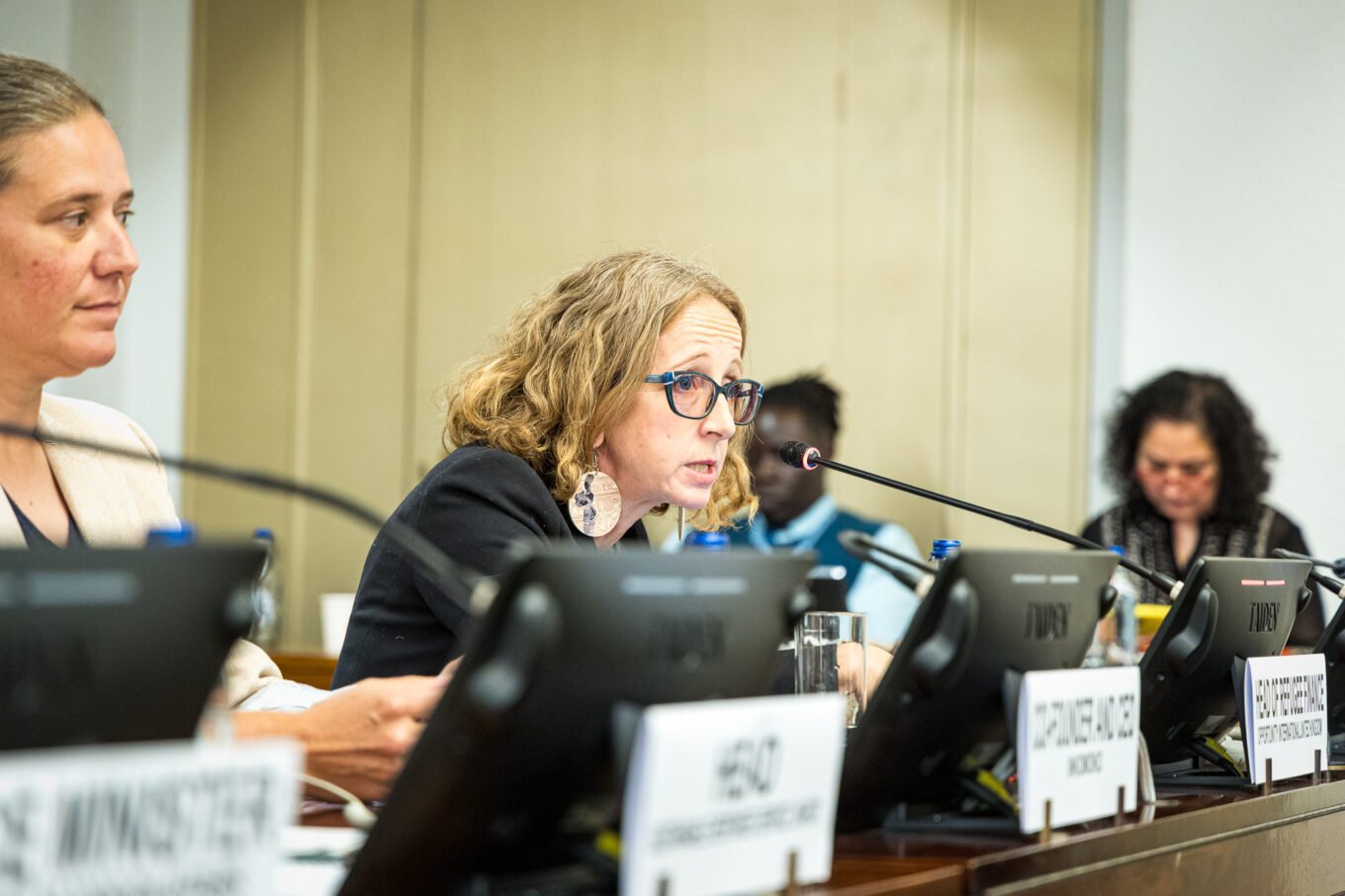
Despite ongoing challenges, some institutions are proving that inclusion is possible and a sustainable business. Opportunity International – a global microfinance network – is one such example. Tamsin Scurfield, head of Refugee Finance, described how Opportunity International UK has partnered with two local financial service providers in Uganda since 2018, extending over 8,000 loans and opening 27,000 bank accounts for refugees.
Opportunity International helped its partners mitigate risk by investing in infrastructure, building staff capacity, expanding digital services, and providing financial literacy for refugees.
She acknowledged the importance of Uganda’s enabling environment and also highlighted the value of hiring refugees as staff and adopting a gradual approach to risk. Opportunity International’s partners started providing group lending and expanded to individual loans as risk profiles became clear and their clients’ businesses grew over time.
Vulnerable does not mean unbankable. In fact, overlooking refugees represents a missed opportunity for both social impact and growth.
Empowering refugees through skills and agency
Julienne Oyler, CEO of Inkomoko, presented a different but equally successful approach for advancing financial inclusion. Operating in both enabling environments (such as Rwanda, Kenya, and Ethiopia) and challenging contexts (like South Sudan and Chad), Inkomoko focuses on building agency alongside access.
“We invest in people who have solutions,” Oyler said. “We give them the tools to succeed and the belief that they can succeed.” Inkomoko provides training and tailored financing tools, combining business skills with credit and Islamic finance. Established in 2012 and serving refugees in Rwanda since 2016, the NGO is now the largest lender to refugees in Africa. Central to its approach is capacity-building as a form of de-risking, ensuring clients are equipped to manage financial services.
Partnering for impact: from policy to practice
No single actor can drive inclusion alone. Panellists emphasized the importance of partnerships among governments, financial institutions, humanitarian agencies, and refugee-led organizations. Ecuador’s leadership in the Quito Process and the development of the Regional Strategy for Socioeconomic Integration (ERISE) show how regional cooperation can create shared tools and indicators to measure progress and align collective efforts.
However, moving from policy to practice remains a critical challenge.It is frequently underestimated how regulatory frameworks – particularly those governing documentation rights, access to financial services, and KYC compliance – can either enable or block inclusion. Yet financial inclusion for refugees and displaced populations is not solely a legal issue; it is a multi-dimensional challenge that requires laws guaranteeing access, institutions willing and equipped to apply them, infrastructure and capacity to deliver services, and refugees with the knowledge and tools to use financial services confidently.
Underlying all these elements is the need for a shift in narrative—one that recognizes refugees as economic actors who contribute to their host communities. As this ExCom discussion highlighted, the pieces are coming together, but the puzzle is not yet complete. What will it take for financial inclusion to become a reality for all refugees? The answer lies in collective action, bold partnerships, and a shift from policy to practice.
What will it take for financial inclusion to become a reality for all refugees? The answer lies in collective action, bold partnerships, and a shift from policy to practice.
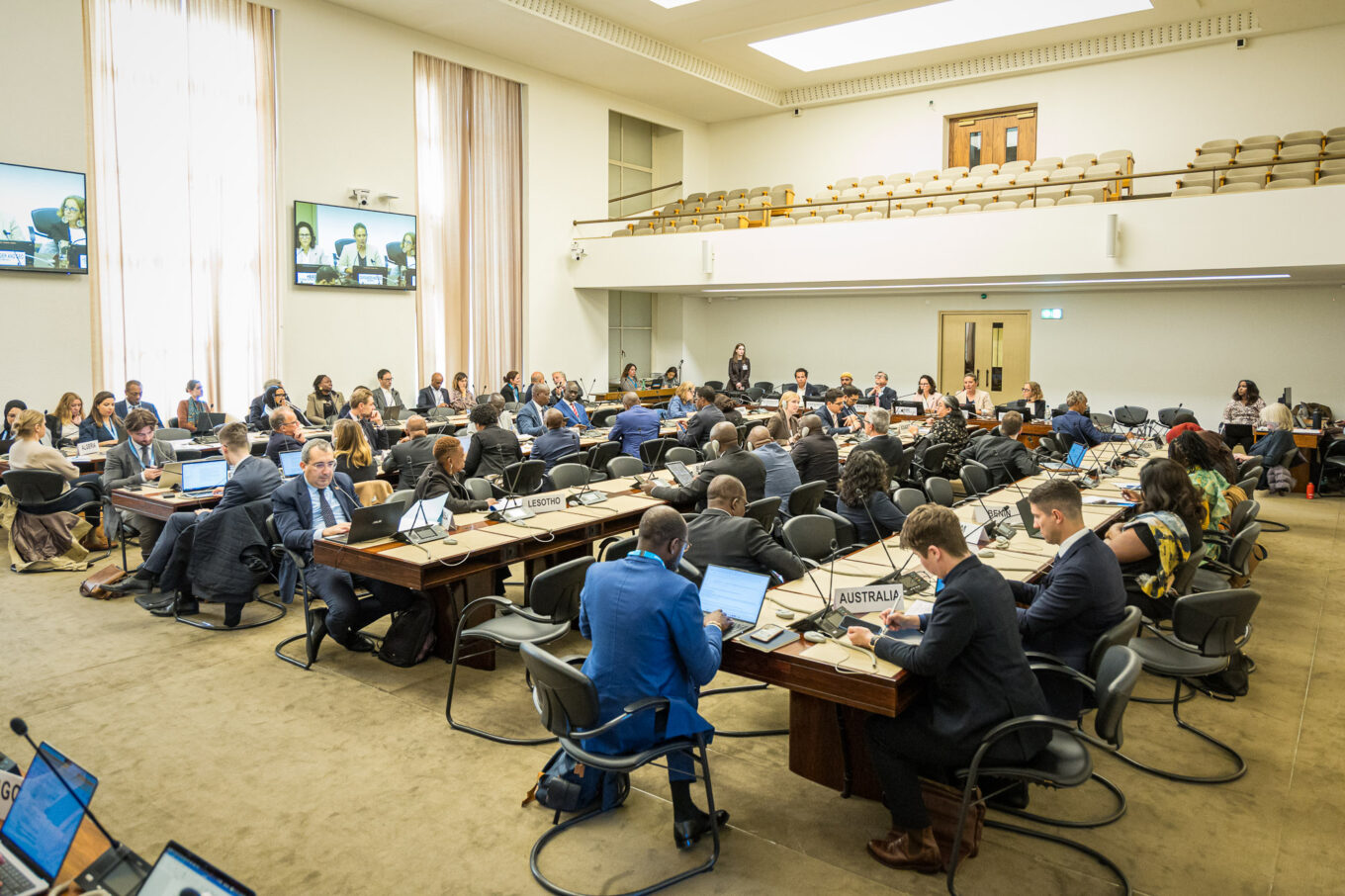
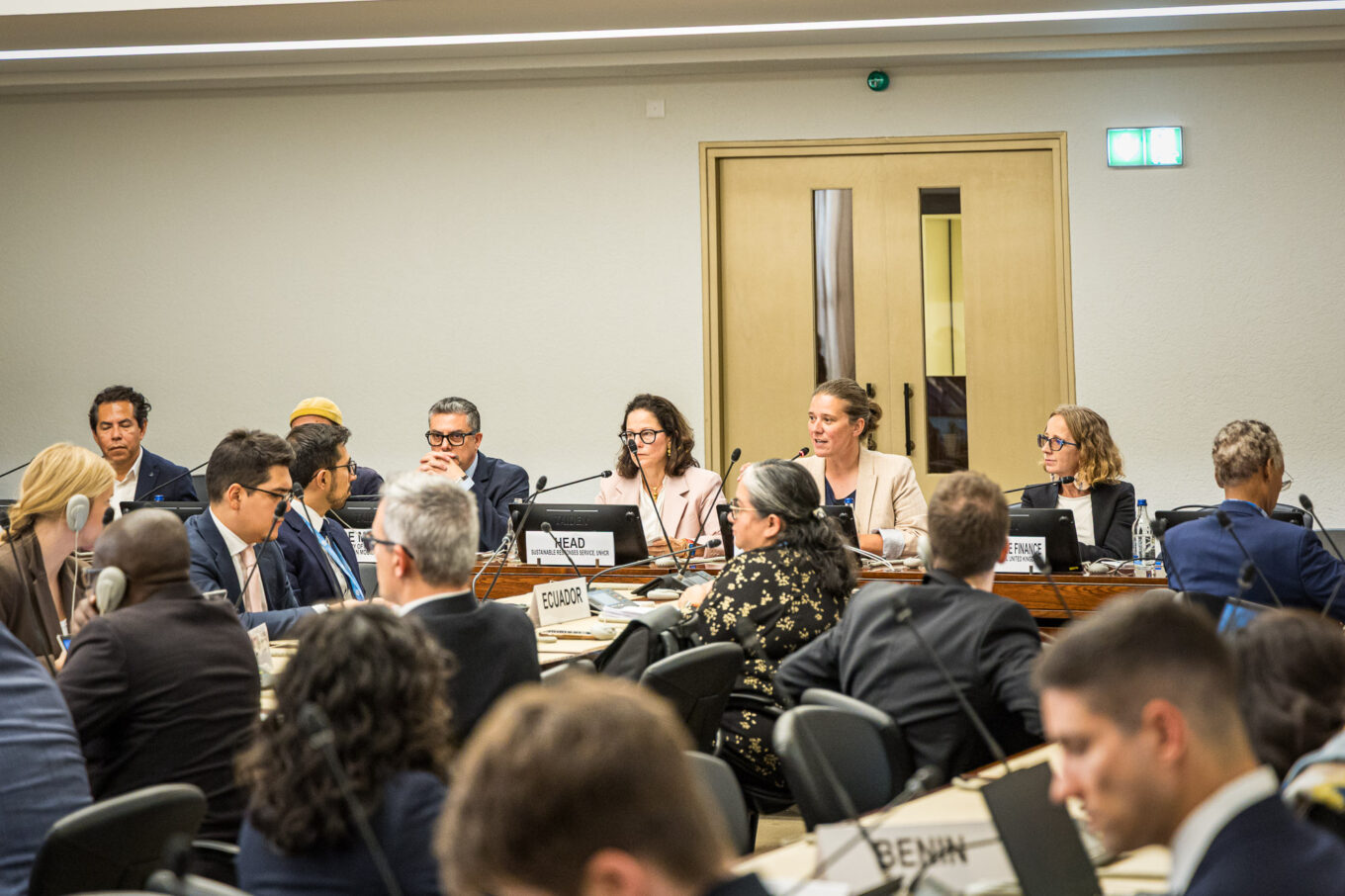
Photos from the UNHCR 76th ExCom Side Event on Self-Reliance and Financial Inclusion