
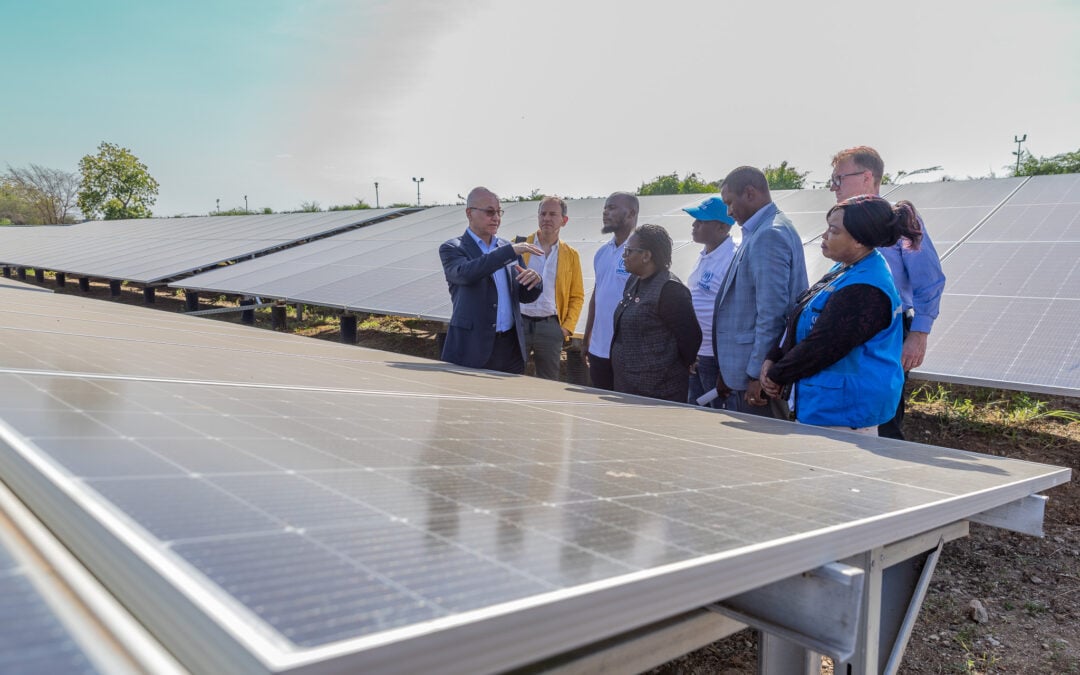

Self-reliance and financial inclusion: Bridging policy and private sector solutions – highlights from UNHCR ExCom Side Event
What does it take to turn financial inclusion from a policy promise into a lived reality for refugees? At a Side Event during UNHCR’s 76th Executive Committee session, governments, financial institutions, and refugee entrepreneurs explored how to make financial services truly accessible to those forced to flee.
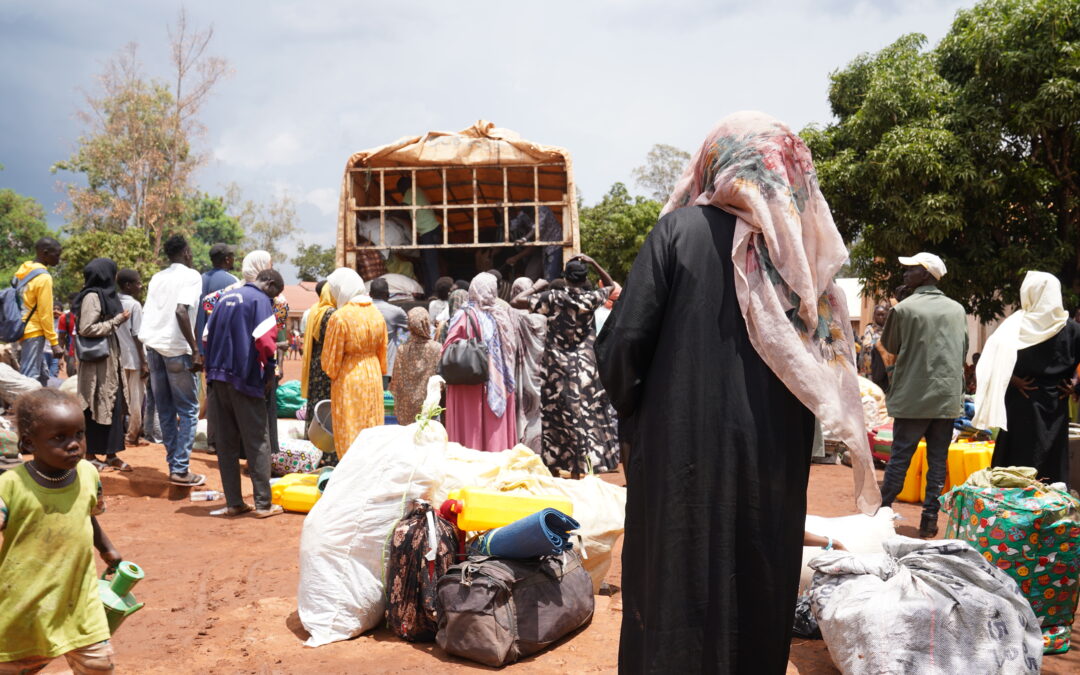
A critical step toward saving lives: helping humanitarian workers respond to substance use with empathy and care
A new inter-agency initiative is driving a shift to ensure substance use is recognized and addressed as a critical part of humanitarian response.

A new chapter for Afghan returnees: gains, gaps and the long road ahead
A post-return monitoring survey shows Afthan returnees gain jobs and earnings over time, but many still face gender gaps, unmet needs, and rising debt.

Bridging gaps in accessing Ukraine’s social protection system
A new study on social protection access in Ukraine shows that addressing a few key barriers would greatly benefit eligible recipients.
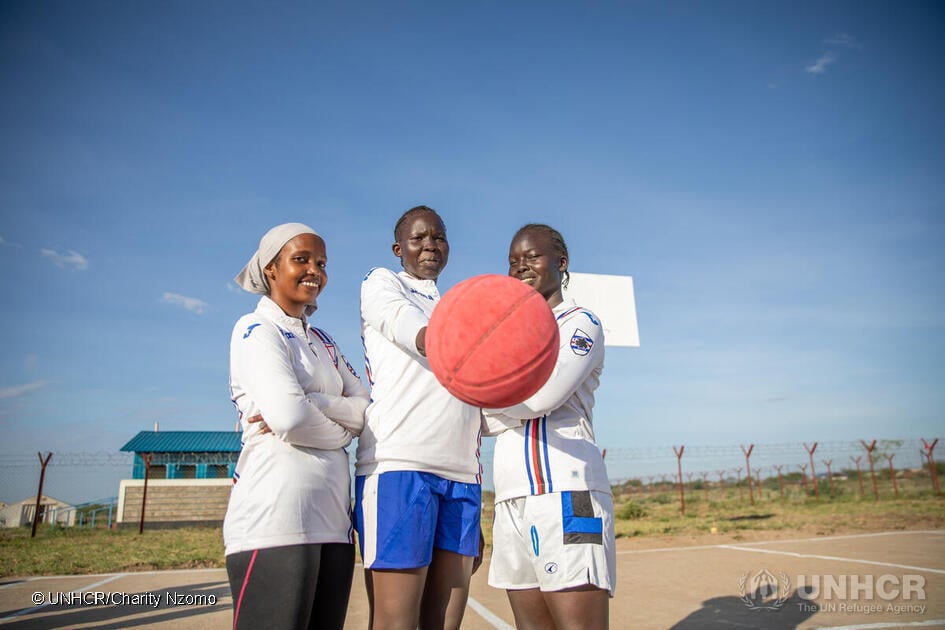
Education as a catalyst for refugee and host community integration in Kenya
Aspirations vs. reality: The benefits of prioritizing education are immense. All children and youth deserve a quality education that matches their aspirations and paves the way for a good future.

Investing in refugees’ self-reliance: a more cost-effective and sustainable response
A new UNHCR-World Bank report highlights the “triple win” created when refugees are allowed to work: increased self-reliance, reduced dependency on aid, and economically strengthened host communities.
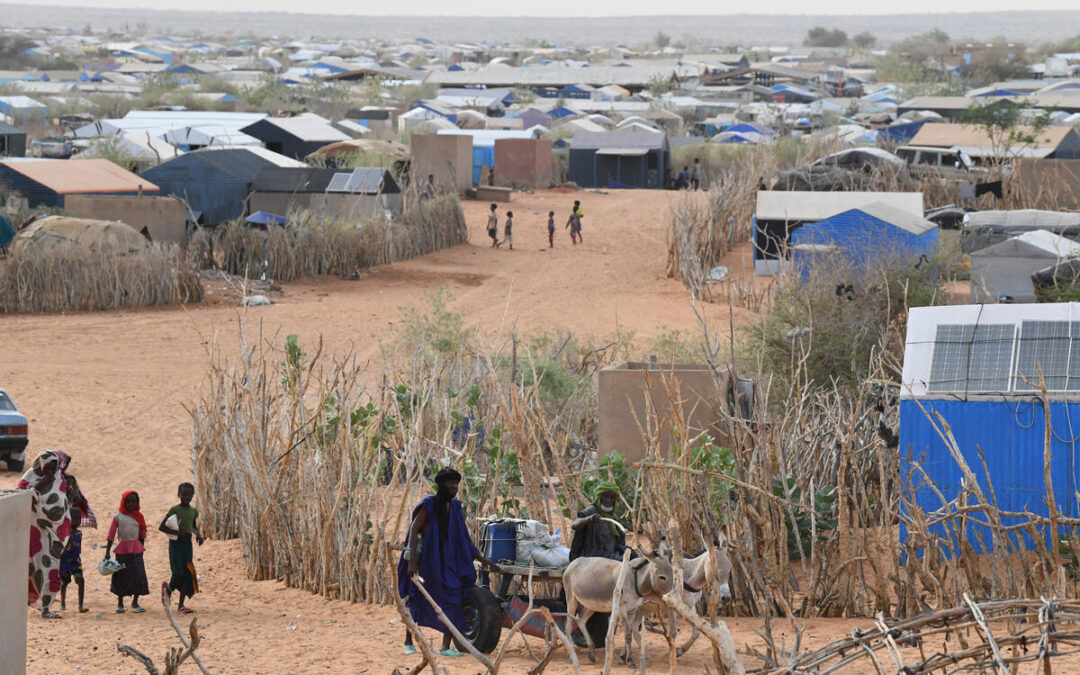
Understanding the new Malian refugees in Mauritania: a path forward amid growing challenges
A deeper understanding of herder families’ specific needs—both refugee and host—as well as the impact of conflict on traditional transhumance movement, is essential to delivering effective services in education, health, and livestock veterinary care.

Data-driven support for refugee self-reliance in East, Horn and Great Lakes of Africa
The role of data is crucial. Investing in data collection and analysis helps understand challenges, target interventions, and measure impact for refugees and host communities.
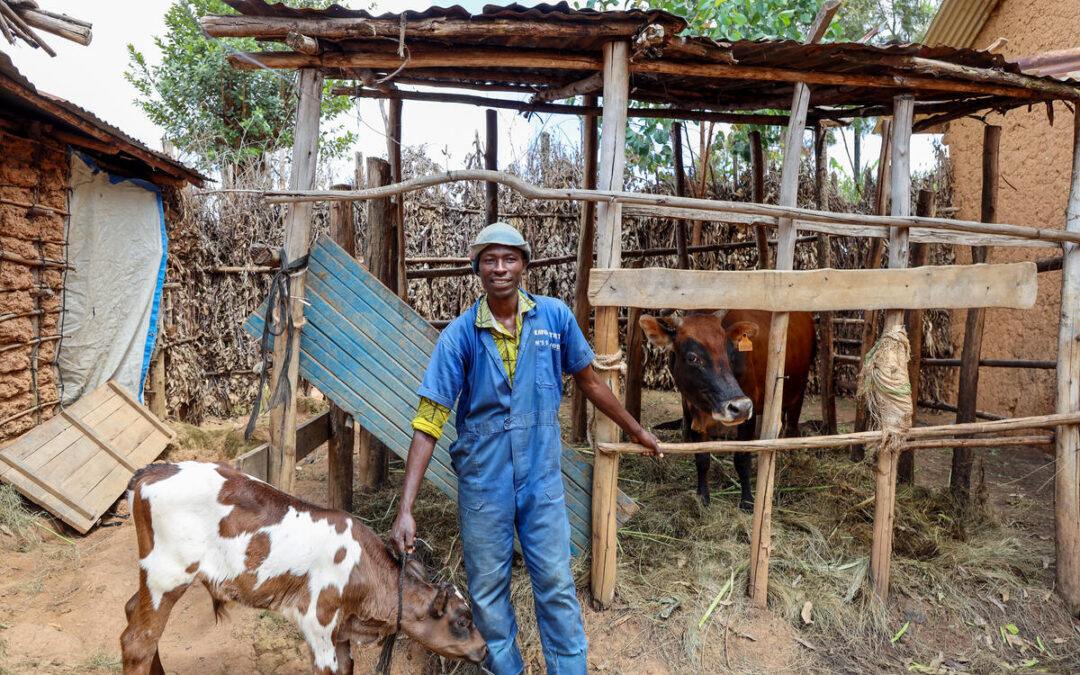
Unlocking the economic gains of hosting refugees starts with economic inclusion
Supporting the economic resilience of refugees is a central piece of the global effort to meet the SDGs.