
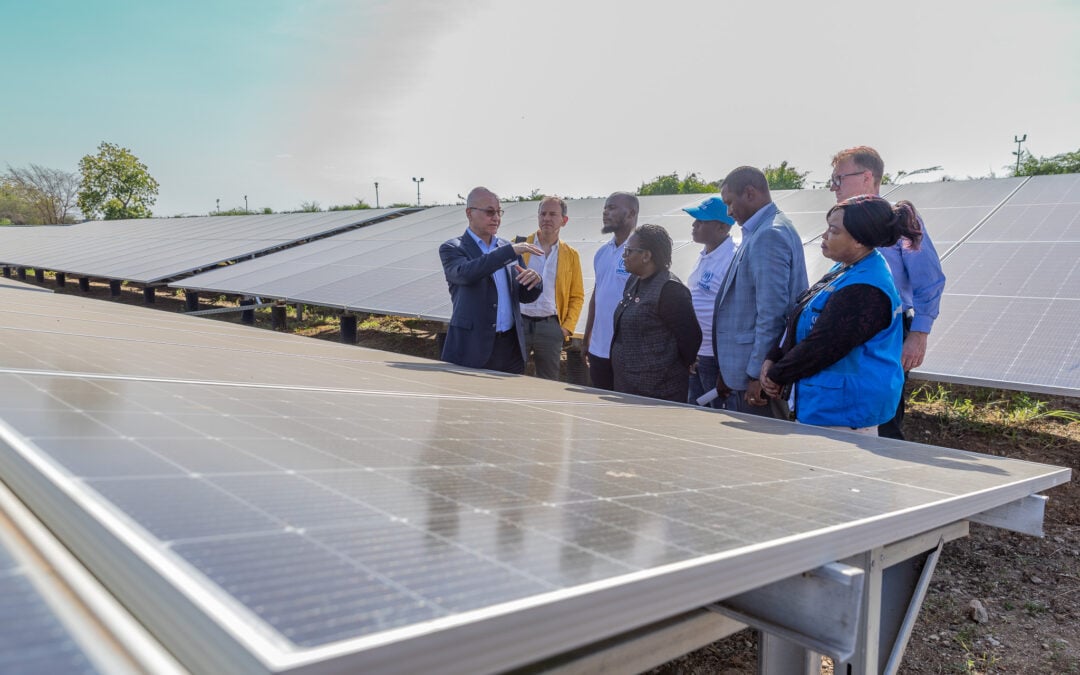
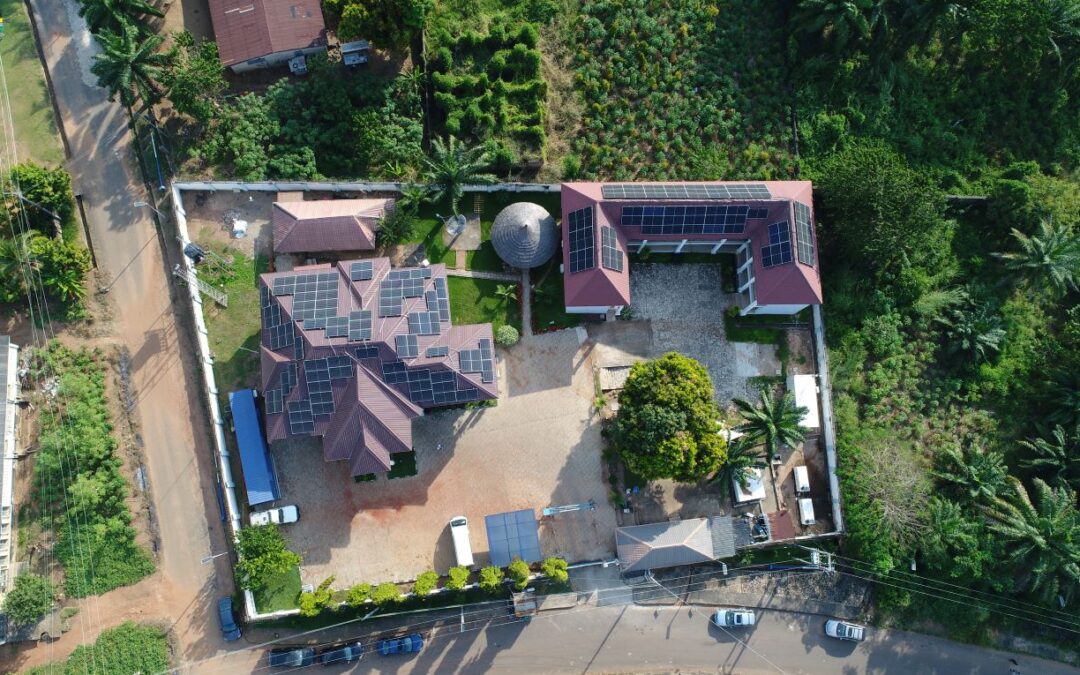
Powering UNHCR’s work with solar energy in Mauritania and Nigeria
By Laura Argibay, UNHCR Associate Communications Officer and Anett Varga, UNHCR Associate Programme Officer. Aerial view of rooftop solar panels at UNHCR’s Office in Ogoja, Nigeria. © UNHCR/Owoche Igwue UNHCR, the UN Refugee Agency, has about 550 offices...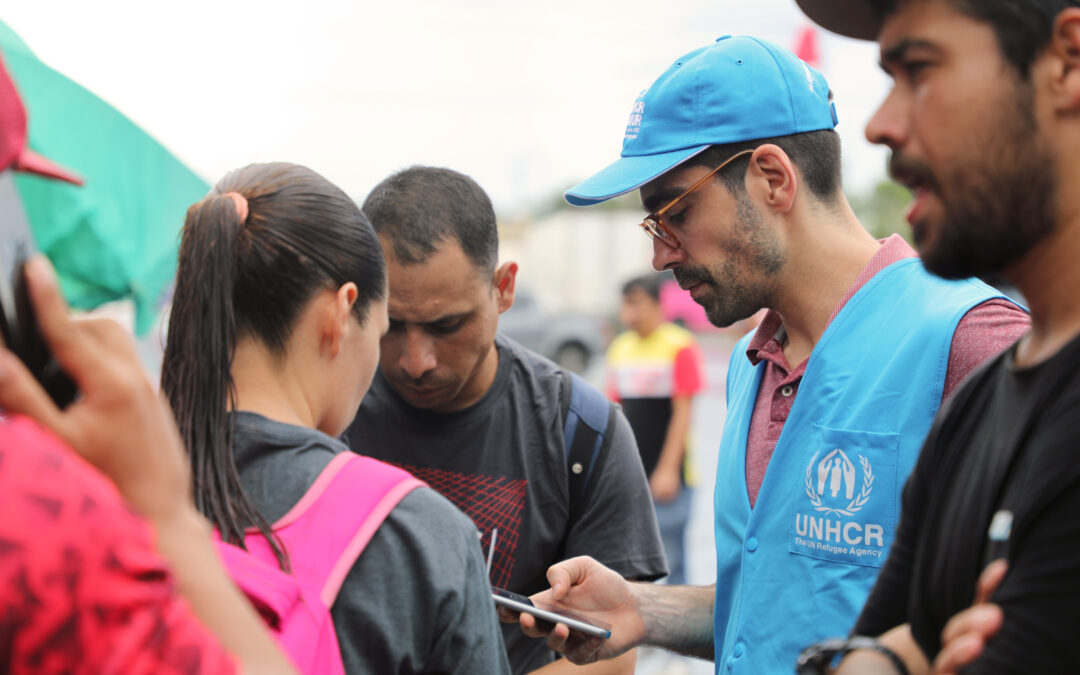
The future is data (and it’s here already)
At the end of September 2024, world leaders are coming together in New York City to convene a variety of high-level events. Between 22-23 September, the Summit of the Future will take place, which has been described as a once-in-a-generation opportunity to mend eroded trust and demonstrate that international cooperation can effectively tackle emerging threats as well as opportunities.
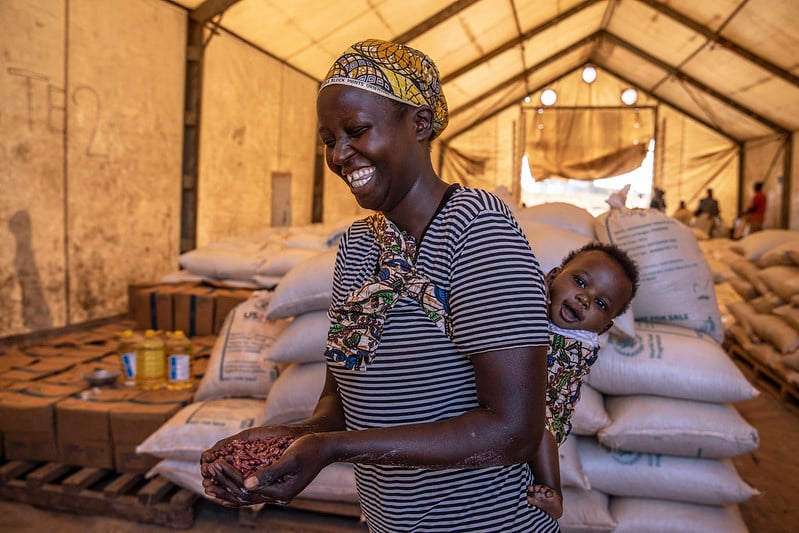
Collaboration gone right – UNHCR and WFP take data sharing to the next level in Tanzania refugee camps
It is common practice for UNHCR, the UN Refugee Agency, and WFP, World Food Programme, to collaborate in some of the world’s most difficult humanitarian responses. While UNHCR is mandated to protect those forced to flee, WFP is responsible for delivering food and life-saving assistance in emergencies and protracted refugee situations. The two organizations work together to serve the most vulnerable populations. As part of this collaboration, UNHCR and WFP may need to exchange some information on the forcibly displaced populations to ensure they receive targeted food assistance in a dignified manner.
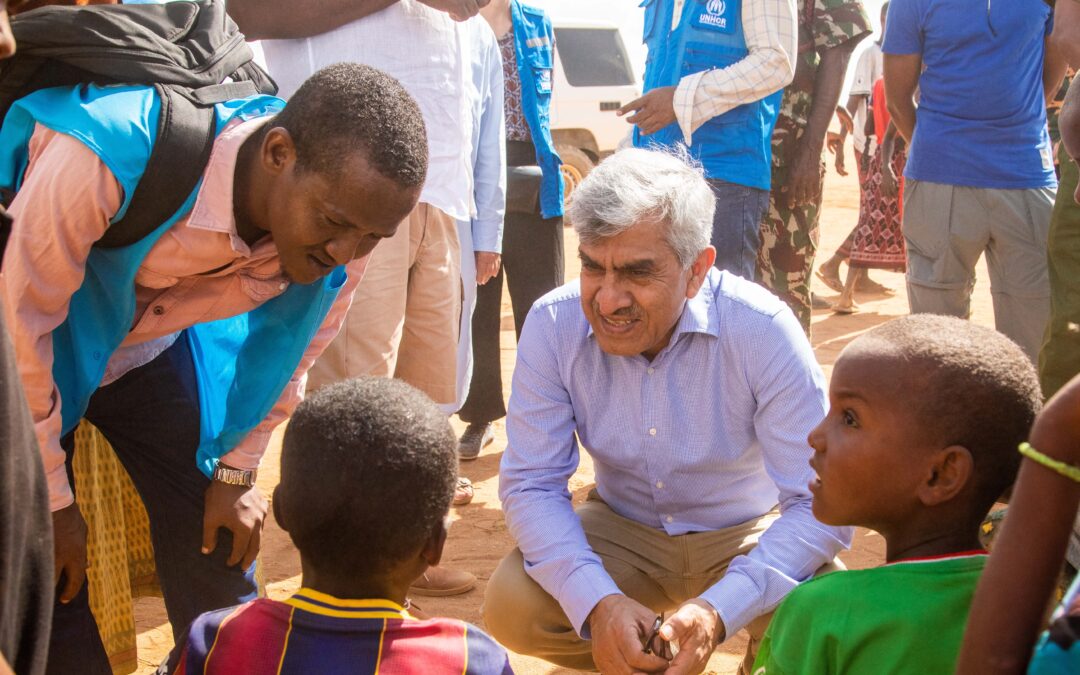
Tackling Kenya’s longstanding refugee situation: the need for comprehensive solutions
Sajjad Malik, UNHCR’s Director for Resilience and Solutions, returns to the Kakuma and Dadaab refugee camps 30 years after he helped set up services there. Ahead of the Global Refugee Forum 2023, he reflects on the importance of the Marshall Plan and the role of development organizations to building pathways for refugees to reach their aspirations.

Collecting data on the forcibly displaced is essential for better inclusion
The pathway towards the inclusion of refugees, IDPs, and stateless persons in national systems starts with mainstreaming them into national statistics exercises. But more is needed. Experience shows these populations need champions to ensure their inclusion in national development plans.
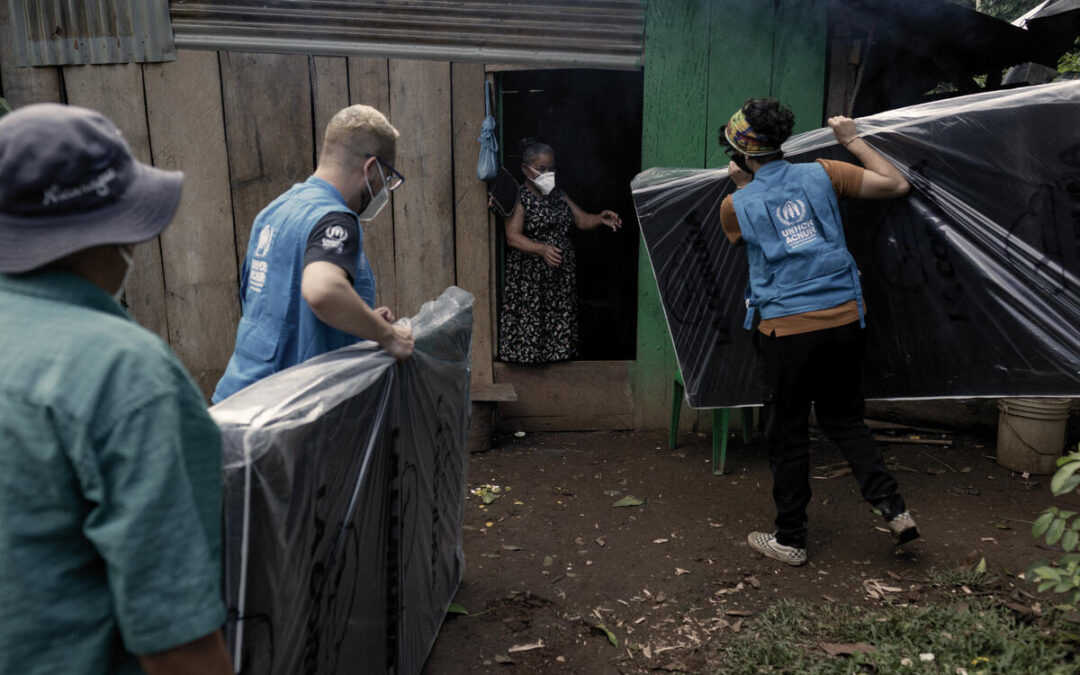
Nuevos datos de alta frecuencia evidencian el gran impacto de la COVID-19 en los medios de vida y la inseguridad alimentaria en Costa Rica
Los resultados de la encuesta confirman los diagnósticos operacionales y proporcionan evidencia crítica sobre las áreas en las que se debe incrementar el enfoque programático: medios de vida, eliminación de la inseguridad alimentaria y fortalecimiento del acceso a los servicios esenciales.
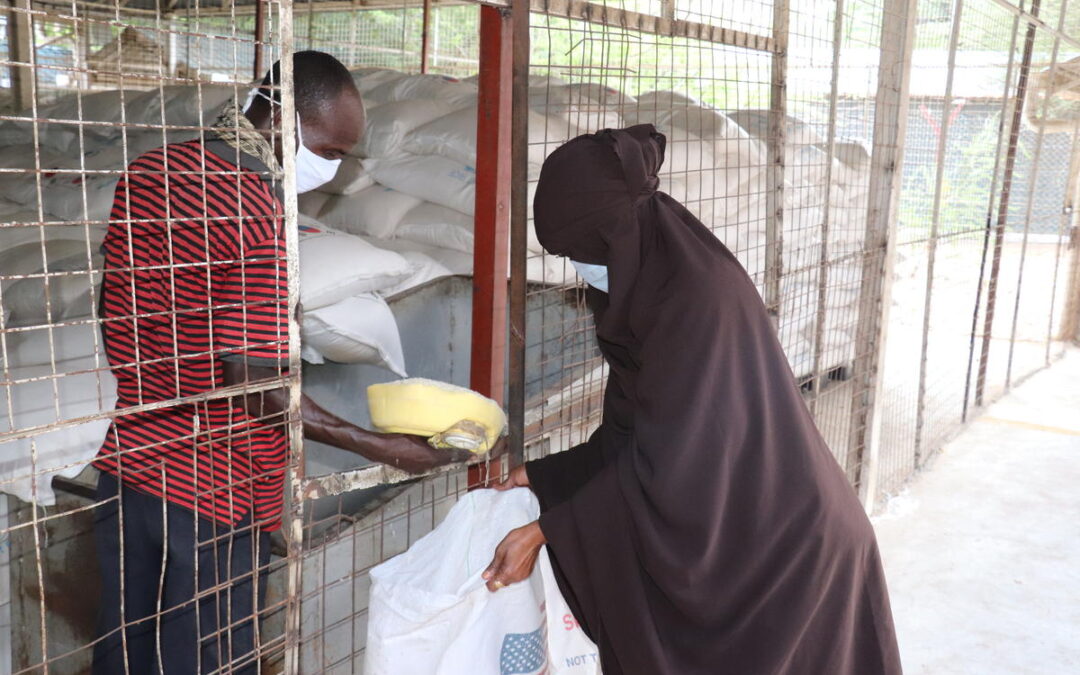
Rapid phone surveys in Kenya show disproportionately negative impact on refugees
Due to their underlying vulnerabilities, refugees in Kenya are disproportionately more affected by the crisis. They experience higher anxiety related to the risk of COVID-19 infection compared nationals, higher food insecurity, and their employment recovery lag that of the national population.
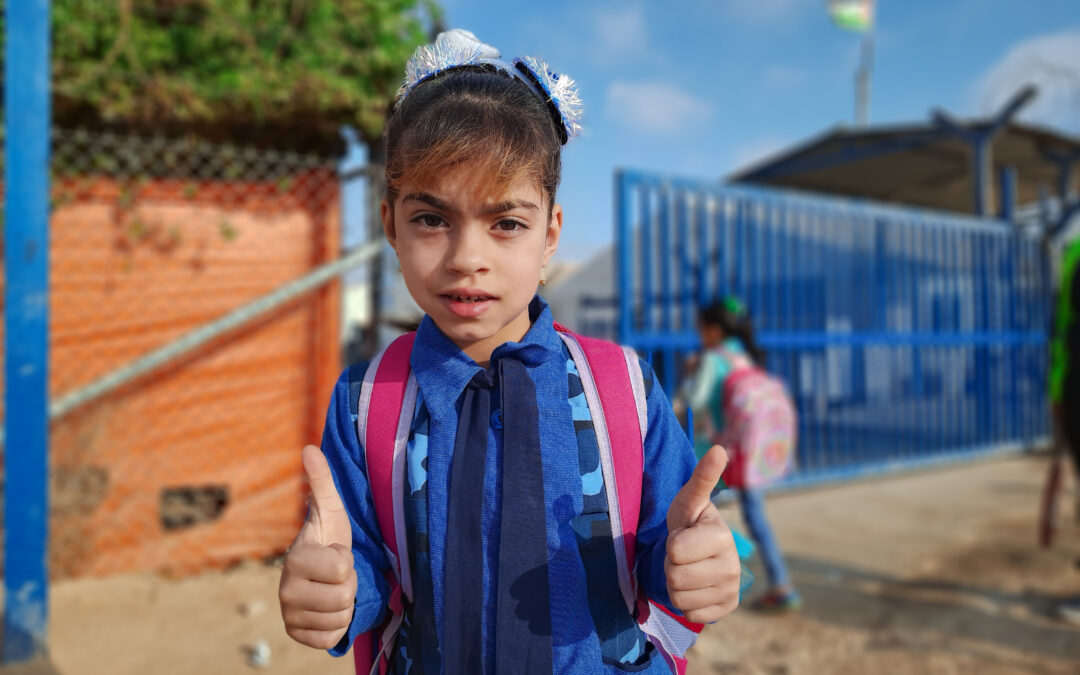
Moving towards better education data for greater inclusion and visibility of refugees
By UNESCO Institute for Statistics (UIS) and UNHCR Kindergarten-age Aden was born on the move. She arrived in Medenine, Tunisia, in 2019 with her parents who fled Darfur in 2003. UNHCR is partnering with the Tunisian Refugee Council (CTR) and the Tunisian Association...
Compounding misfortunes – refugee women and girls lose even more ground during the COVID-19 pandemic
Women’s inherent fragility in terms of the enjoyment of basic rights and equitable welfare outcomes carries over into forcibly displaced settings. More than a year into the COVID-19 pandemic, evidence shows pre-existing inequalities and vulnerabilities are deepening.