By Karen Paul, WHO; Sanita Suhartono, UNODC; Anja Busse, WHO; Dzmitry Krupchanka, WHO; Giovanna Campello, UNODC; Fahmy Hanna, WHO; Peter Ventevogel, UNHCR1
In humanitarian emergencies, shelter, food and safety are often seen as the most urgent priorities. Yet, one at-risk group is often left out of the response: people who use substances and those living with substance use disorders.
Substance use doesn’t pause for conflict, displacement or disaster. In fact, the stress and upheaval can make it worse, leaving people even more isolated and at risk. Yet, support for those struggling with substance use is still largely absent from many humanitarian responses.
Humanitarian workers – from camp managers to teachers – encounter individuals grappling with substance use every day. These interactions are moments of critical importance. However, they are often left without the necessary guidance or tools to respond with empathy, dignity and effectiveness.
Substance use in humanitarian contexts is not a peripheral issue – it is a growing concern that must be part of emergency responses. Until recently, however, there was little clarity on how to provide supportive, nonjudgmental care.
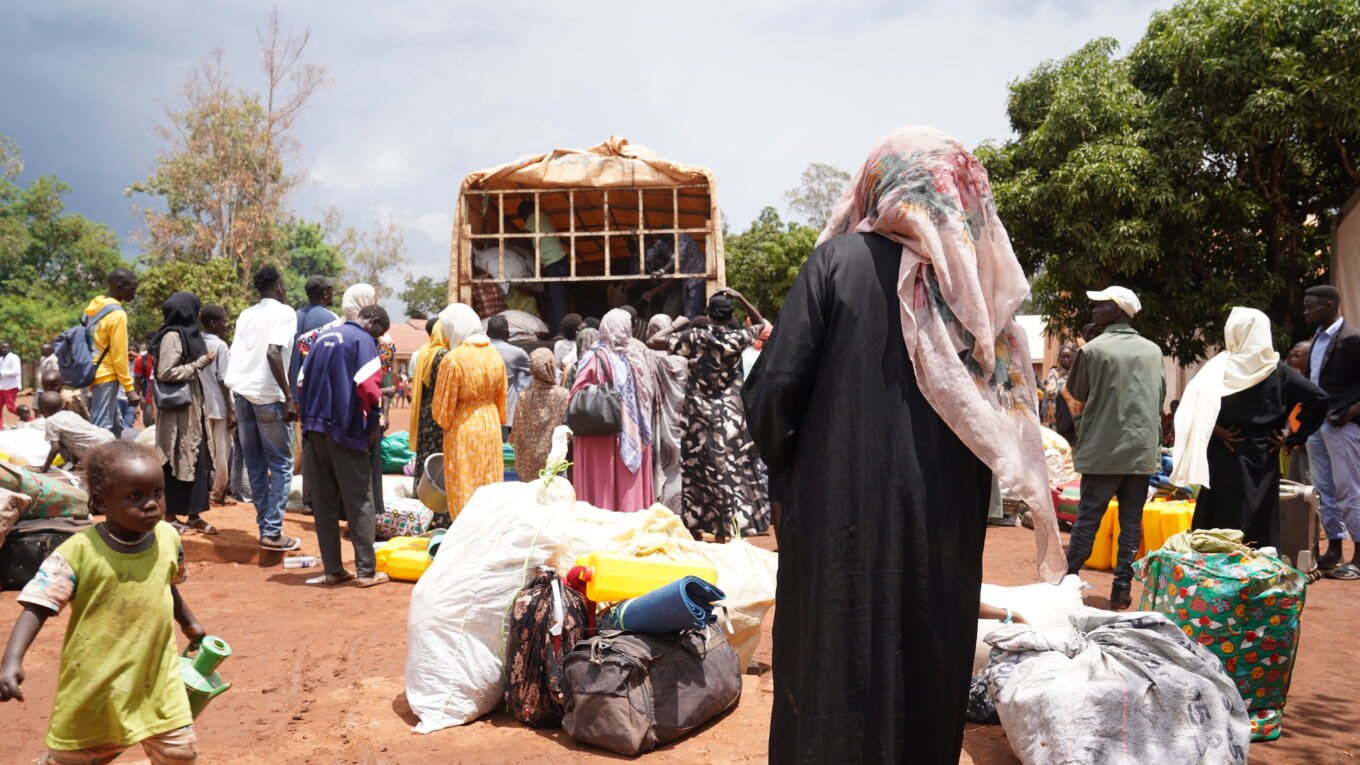
In a large refugee settlement in Northern Uganda, for example, substance use is a pressing concern among youth. “Humanitarian actors are often the first and sometimes only point of contact for affected individuals, yet many remain under-equipped to recognize and respond to substance-related conditions,” said Mukasa Moses Bwesige, Inter Regional Mental Health and Psychosocial Support (MHPSS) officer at Jesuit Refugee Service (JRS) in Uganda.
Similarly, challenges are reported in Afghanistan. Many humanitarian actors “are not familiar with the concept of substance use disorders as health problems and the availability and effectiveness of health responses to address them,” said WHO Afghanistan Technical Officer for Mental Health and Substance Abuse, Dr Alireza Noroozi.
A new approach to humanitarian response
To address this gap, the Inter-Agency Standing Committee on Mental Health and Psychosocial Support (IASC-MHPSS) in emergency settings took decisive action. Its dedicated thematic group on substance use – co-chaired by WHO, the United Nations Office on Drugs and Crime (UNODC) and the Office of the United Nations High Commissioner for Refugees (UNHCR) – launched a new initiative to transform how humanitarian responses address substance use.
The group developed orientation materials for humanitarian workers and their communities, using interactive activities, stories and role plays to challenge stigma and reframe substance use disorders as a complex public health issue rather than a moral failing. Between 2024 and 2025, these materials were field-tested with 342 frontline workers across eight crisis-affected locations: Afghanistan, Iraq, Myanmar, Northern Uganda, Northwest Syria, Somalia, South Sudan and Uganda.
The results were clear: with the right mindset and tools, responders can transform not only the support they provide but also the way people with substance use disorders are perceived.
With the right mindset and tools, responders can transform not only the support they provide but also the way people with substance use disorders are perceived.
Stories of transformation
In Myanmar, field facilitator Mr Hkawng Haung saw attitudes shift during the orientation sessions organized with UNODC. “Substance use is often treated as a moral issue in our communities, but this orientation helped shift our perspective to view it as a public health condition,” he said. “It’s critical that humanitarian workers understand this shift, especially as we engage with people facing such challenges in camps for internally displaced people. We witnessed a powerful transformation – participants began to view people who use drugs not as problems but as individuals needing support.”
Facilitators in Northern Uganda also observed a powerful change: “The orientation not only increased participants’ technical knowledge, but also shifted their attitudes toward substance use, reframing it as a complex interplay of trauma, poverty and psychosocial distress,” they reported.
For refugee para-counsellor Phillip Joseph Deng,2 trained by Jesuit Refugee Service (JRS) and working in a large refugee settlement, the link between trauma and substance use is personal. “While I was in South Sudan, the community members tied up nine of my family members and killed them before my eyes.… That trauma pushes me to drink alcohol so that I can more easily forget the moment.” His experience underlines why responses must be rooted in empathy and appropriate care. In Afghanistan, the field testing was jointly organized by WHO and UNODC Country Offices.
Co-facilitator Dr Alireza Noroozi explained that participants working in a Transit Centre in Herat often provide basic health and social support to Afghan returnees from Iran — some of whom struggle with drug use disorders and opioid withdrawal. “The participants found the content of the orientation quite relevant to their work,” Dr Noroozi said. “They realized the importance of linking people with drug use disorders to drug treatment services.”
The way forward
Feedback from the field testing will inform an updated version of the orientation materials, making them more practical and responsive to the realities of humanitarian work. But the initiative is about more than information materials: it is about changing attitudes, empowering humanitarian actors, and ensuring that evidence-based approaches to substance use become part of every emergency response.
In times of crisis, no one should be left behind.
For more information, please contact:
Related links
Alcohol, Drugs and Addictive Behaviours (WHO)
Prevention, Treatment and Rehabilitation Section (UNODC)
Mental Health and Psychosocial Support (UNHCR)
Footnotes
1 Full designations of the co-authors:
Karen Paul, Mental Health and Psychosocial Support Consultant, Mental Health and Substance Use Unit, Noncommunicable Diseases and Mental Health Department, Division of Health Promotion, Disease Prevention and Control, World Health Organization
Sanita Suhartono, Associate Drug Control and Crime Prevention Officer; Prevention, Treatment and Rehabilitation Section, Drugs, Laboratory and Scientific Services Branch, United Nations Office on Drugs and Crime
Anja Busse, Team Lead, Alcohol, Drugs and Addictive Behaviours, Mental Health and Substance Use Unit, Noncommunicable Diseases and Mental Health Department, Division of Health Promotion, Disease Prevention and Control, World Health Organization
Dzmitry Krupchanka, Medical Officer, Alcohol, Drugs and Addictive Behaviours, Mental Health and Substance Use Unit, Noncommunicable Diseases and Mental Health Department, Division of Health Promotion, Disease Prevention and Control, World Health Organization
Giovanna Campello, Chief of Prevention, Treatment, & Rehabilitation Section, Drugs, Laboratory and Scientific Services Branch, United Nations Office on Drugs and Crime
Fahmy Hanna, Technical officer, Mental Health and Substance use Unit, Noncommunicable Diseases and Mental Health Department, Division of Health Promotion, Disease Prevention and Control, World Health Organization
Peter Ventevogel, Mental Health and Psychosocial Support Specialist, Public Health Unit, Sustainable Responses Service, UNHCR
2 Name changed to provide anonymity.