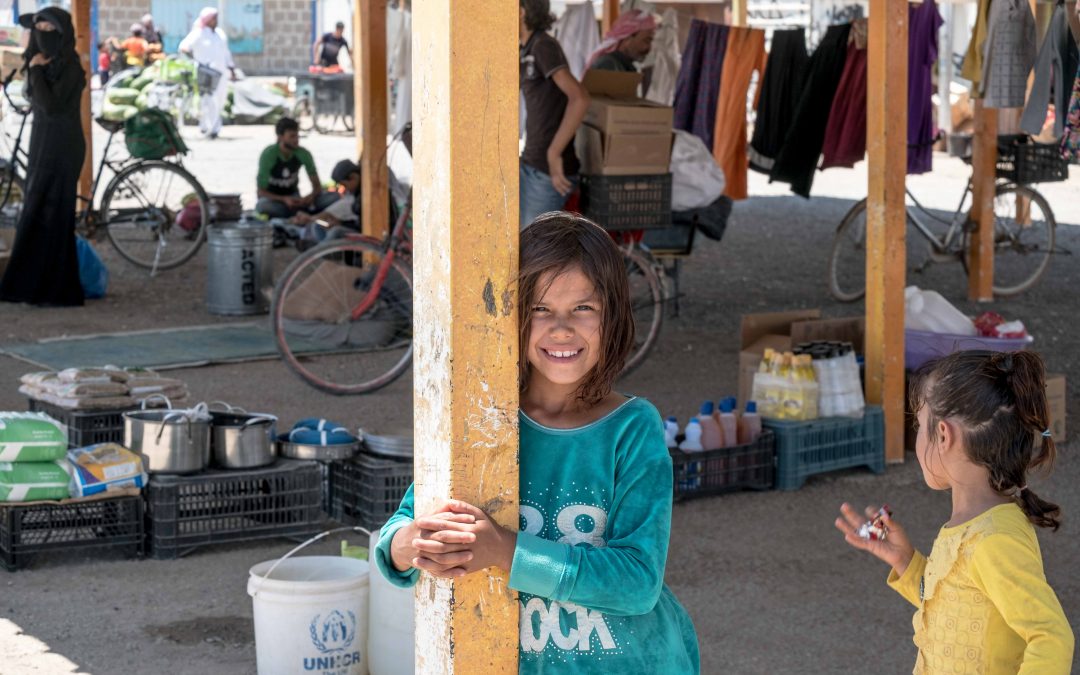
Aid groups now using the same data technology as bitcoin
Associated Press journalist Robert Stevens explores the use of blockchain in the humanitarian world, detailing its advantages and potential risks.

Associated Press journalist Robert Stevens explores the use of blockchain in the humanitarian world, detailing its advantages and potential risks.
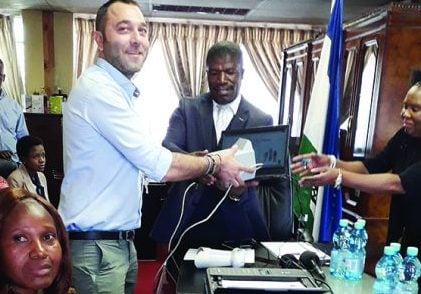
UNHCR Population Registration and Identity Management EcoSystem, PRIMES was officially launched in October in the Kingdom of Lesotho, by the Minister of Home Affairs.
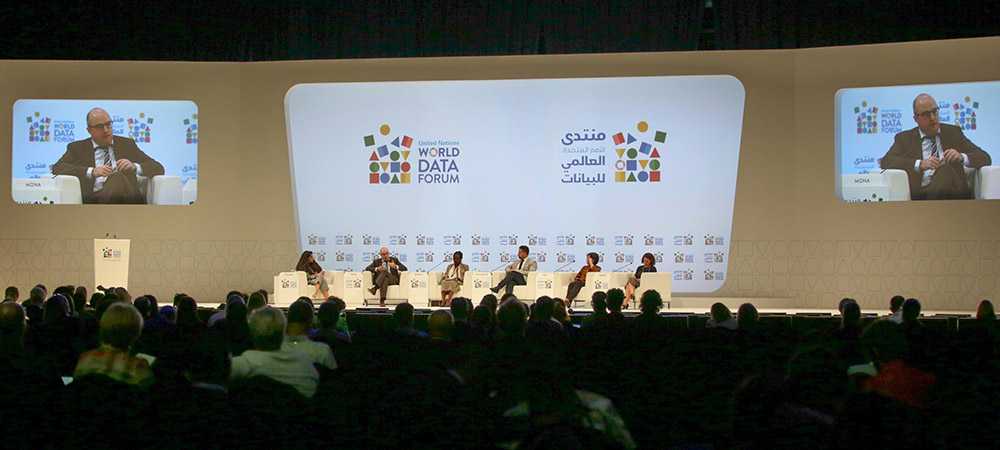
Petra Nahmias, Senior Statistician at UNHCR, reflects on three days of discussion, debate and sharing of ideas at the 2018 United Nations World Data Forum.

Refugees use smartphones and social media in five primary ways – communication, translation, information, navigation and representation – and despite the myriad of ways in which they make a refugee’s journey easier, these tools are not without their downfalls.
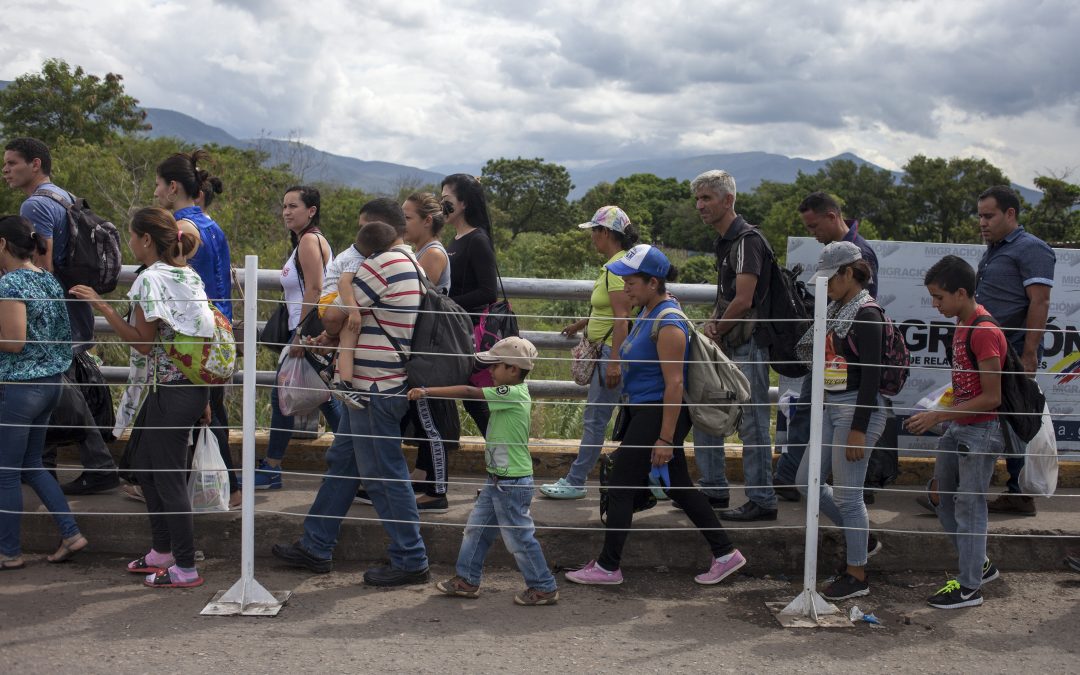
Better data on forcibly displaced populations: the International Recommendations on Refugee Statistics and the Technical Report on Statistics of IDPs now available online.

In India, digital identification systems deliver immediate benefits, facilitating a huge increase in financial inclusion and reducing corruption. The “India Stack”, a digital infrastructure that was built as a public good, provides people with the tools to leverage their data.

Watch this space to learn more about UNHCR request for proposal on digital identity for refugees.

The World Economic Forum convened on 26 September its network of specialists from public and private sectors for an Impact Summit. A high level panel – which included UNHCR’s Deputy High Commissioner – discussed on what WEF has labelled good digital identity.
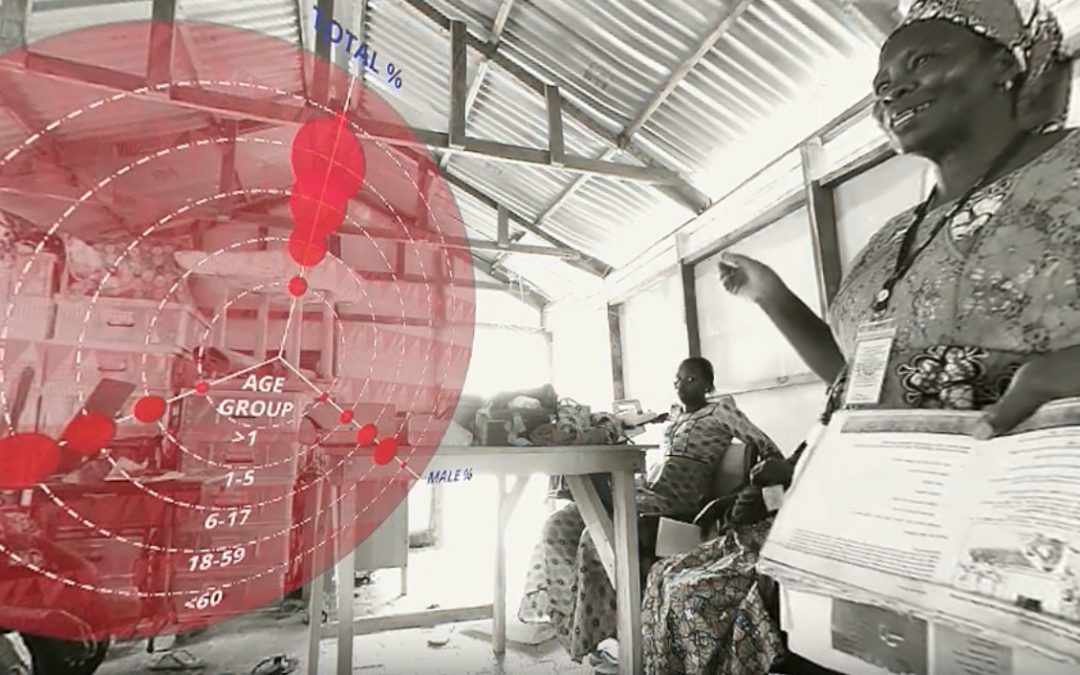
Watch the new web version of the VR film produced by the Centre for Humanitarian Data about how data is collected and used to inform life-saving decisions in northeastern Nigeria

If you missed it, you can find here the link to watch the session “Handling sensitive data in humanitarian action”.