42 seconds on digital identity
How digital identity will empower refugees by Kelly Clement, UNHCR Deputy High Commissioner.

How digital identity will empower refugees by Kelly Clement, UNHCR Deputy High Commissioner.
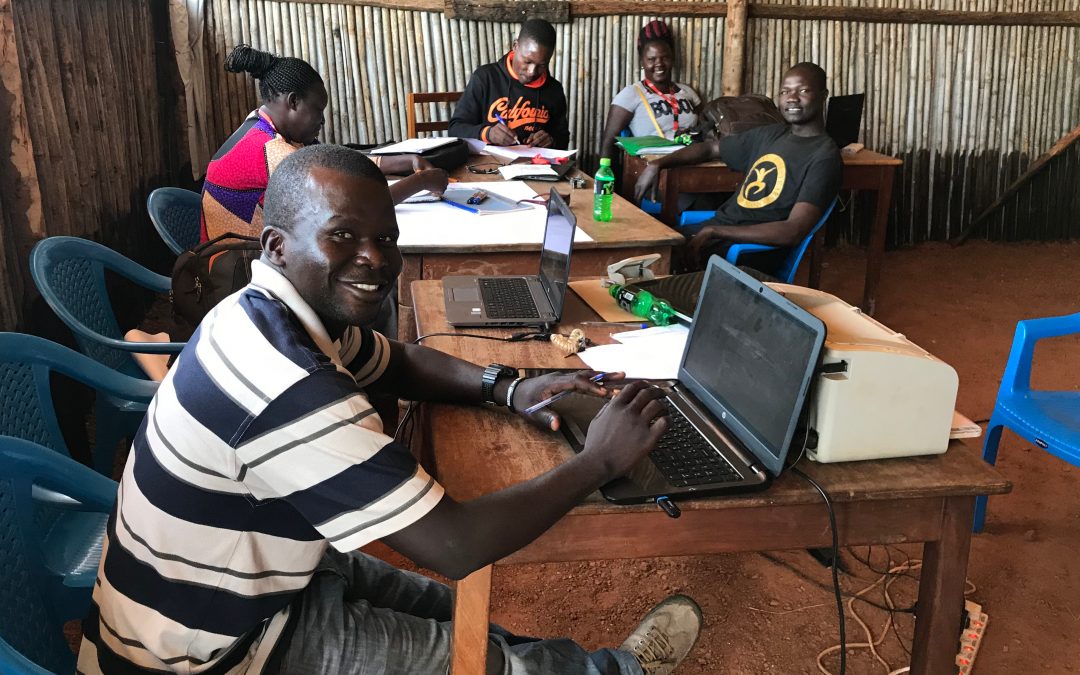
The successful UNHCR-led Refugee Emergency Telecommunications Sector (RETS) provide shared internet connectivity, security communications and user support services to the humanitarian community in Uganda.
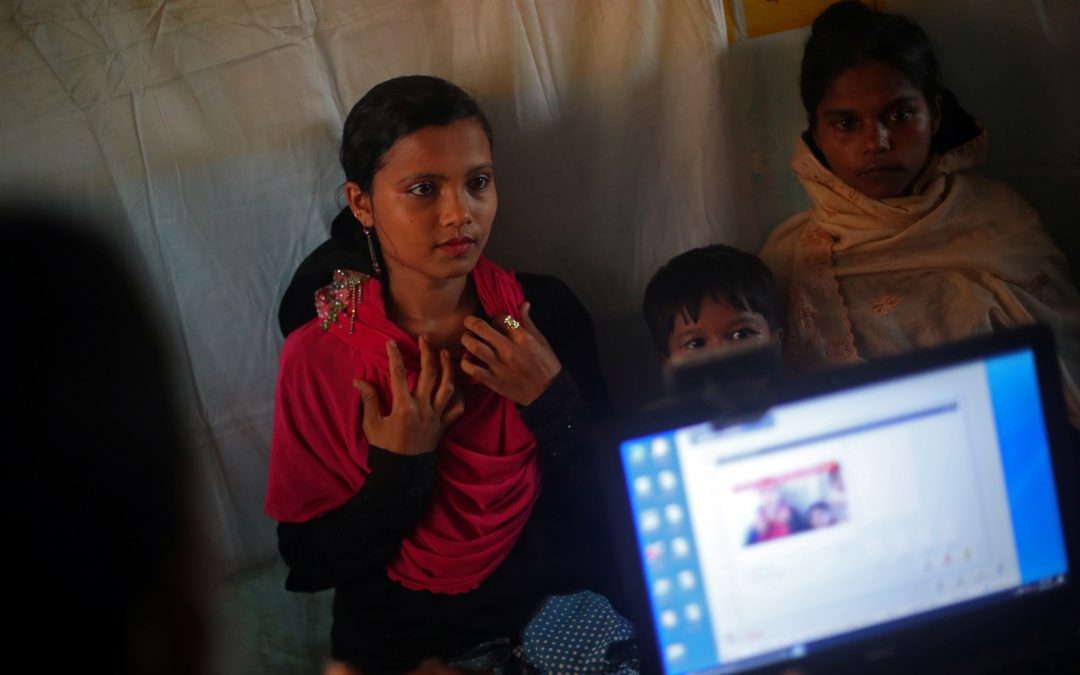
Is biometrics appropriate in refugee situations? Can digital technology resolve problems related to the lack of identity papers? These and other questions were debated in two newspaper articles published by the German newspaper Die Zeit recently.
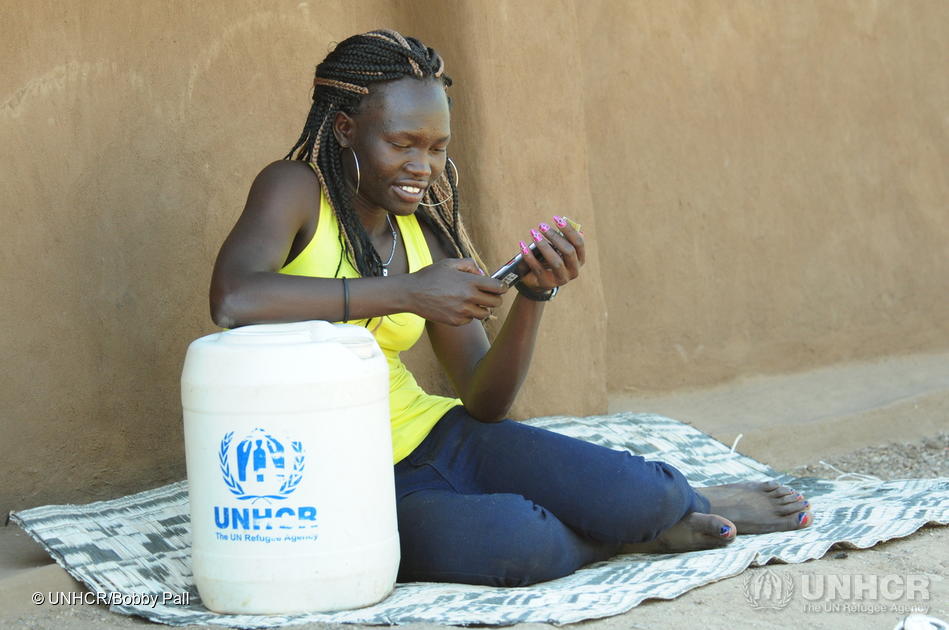
The GSM Association recently pointed out that most countries do not recognize UNHCR identification documents issued to refugees for purchasing and activating a mobile SIM card for purposes of communication or mobile financial services.

Article by Guillermo Barros from Forced Migration Review digest (Issue 56, October 2017) on the negative consequences of communication for Central American refugees.

The registration and issuance of tokens to 100,000 persons has started in Maiduguri (Borno State) in North-Eastern Nigeria.

UNHCR is launching PRIMES, a new and innovative ecosystem of interoperable tools and applications, to provide better access to opportunities and services for refugees and other forcibly displaced persons.

UNHCR in Niger launches a project providing access to cash via mobile phones to 2500 Malian refugee households.
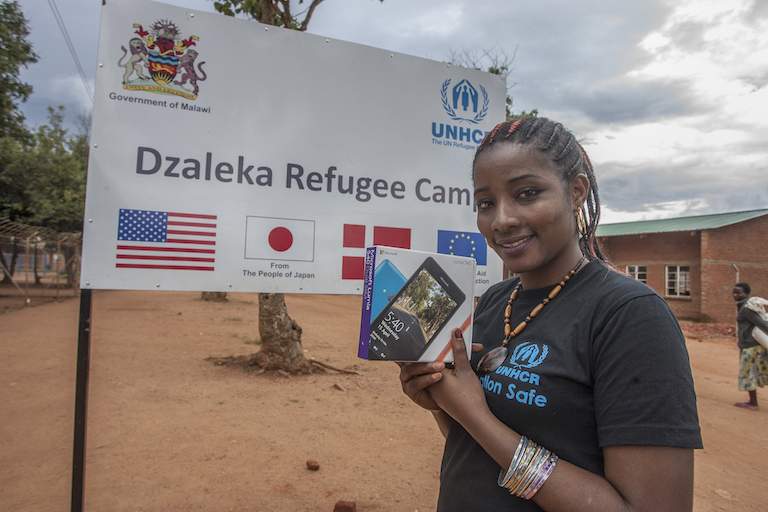
An AppFactory established at Dzaleka Refugee Camp in Dowa is developing information, communication and technology (ICT) skills for refugees, enabling them to become software developers.
ID2020 and UNHCR brought together representatives from government, public, and private sectors at the World Food Programme Accelerator in Munich to discuss digital identity opportunities for refugees.