
The Fund is not currently accepting applications. A new call for expressions of interest will be launched in 2025.
Le Fonds n’accepte pas les candidatures pour le moment. Un nouvel appel à manifestation d’intérêt sera lancé en 2025.
El Fondo no está aceptando solicitudes en este momento. Se lanzará una nueva convocatoria de manifestaciones de interés en 2025.
لا يقبل الصندوق حاليًا الطلبات. سيتم إطلاق دعوة جديدة للتعبير عن الاهتمام في عام 2025
Vision and objective
The Data Innovation Fund aims to leverage the acquisition, collection, storage, processing, analysis, visualization, and deletion of data to operationalize UNHCR’s protection mandate, using emerging technologies, such as artificial intelligence, internet of things (IoT), differential privacy applications, natural language processing, and robotics.
We recognize that the information and communication technology industry is rapidly advancing, developing innovations that help understand, collect, analyse and visualize data at an accelerated pace. However, we also understand that these advancements are nascent and can create self-reinforcing narratives about intelligence and innovation. So, the Fund aims to address the challenge of responsibly adapting or developing the products and services created by these advancements.
We strive to facilitate the appropriate adaptation of these technologies to support humanitarian work, while ensuring compliance with organizational policies, such as data protection policies, as well as adherence to a human rights–based approach and humanitarian ethics standards. We are committed to upholding the humanitarian principles of ‘do no harm’, neutrality, impartiality, independence, and humanity while embedding innovative projects with human-centred and participatory design.
The Fund supports the creation of evidence for the advancement of UN Secretariat goals – such as the Global Digital Compact (GDC) Objective 5 and the Principles for the Ethical Use of Artificial Intelligence in the United Nations System – as well as the UN Human Rights Due Dilligence (HRDD) Policy, while also advancing implementation of the UNHCR Data Transformation Strategy.
Vision et objectif
Le Fonds d’Innovation sur les Données vise à exploiter l’acquisition, la collecte, le stockage, le traitement, l’analyse, la visualisation et la suppression des données pour opérationnaliser le mandat de protection du HCR, en utilisant des technologies émergentes telles que l’intelligence artificielle, l’Internet des objets (IdO), les applications de confidentialité différentielle, le traitement automatique du langage naturel (TALN) et la robotique.
Nous reconnaissons que l’industrie des technologies de l’information et de la communication progresse rapidement, développant des innovations qui permettent de comprendre, collecter, analyser et visualiser les données à un rythme accéléré. Cependant, nous comprenons également que ces avancées sont encore naissantes et peuvent créer des récits auto-renforçants sur l’intelligence et l’innovation. Ainsi, le Fonds vise à relever le défi d’adapter ou de développer de manière responsable les produits et services issus de ces avancées.
Nous nous efforçons de faciliter l’adaptation appropriée de ces technologies pour soutenir le travail humanitaire, tout en assurant le respect des politiques organisationnelles, telles que les politiques de protection des données, et en adhérant à une approche fondée sur les droits humains et aux normes éthiques humanitaires. Nous nous engageons à respecter les principes humanitaires de « ne pas nuire », neutralité, impartialité, indépendance et humanité, tout en intégrant les projets innovants dans une démarche de conception centrée sur l’humain et participative.
Le Fonds soutient la création de preuves pour l’avancement des objectifs du Secrétariat de l’ONU – tels que l’Objectif 5 du Pacte Numérique Mondial (GDC) et les Principes pour l’utilisation éthique de l’intelligence artificielle dans le système des Nations Unies, ainsi que la politique de diligence raisonnable en matière de droits humains (HRDD) de l’ONU, tout en favorisant la mise en œuvre de la Stratégie de Transformation des Données du HCR.
Visión y objetivo
El Fondo para la Innovación con Datos tiene como objetivo aprovechar la adquisición, recolección, almacenamiento, procesamiento, análisis, visualización y eliminación de datos para operacionalizar el mandato de protección del ACNUR, utilizando tecnologías emergentes, como la inteligencia artificial, el internet de las cosas (idC), las aplicaciones de privacidad diferencial, el procesamiento de lenguaje natural y la robótica.
Reconociendo que la industria de tecnologías de información y la comunicación avanza rápidamente, al desarrollar innovaciones que ayudan a entender, recopilar, analizar y visualizar datos a un ritmo más acelerado. Sin embargo, también entendemos que estos avances son emergentes y pueden generar narrativas autorreforzadas sobre inteligencia e innovación. Por esto, el Fondo busca abordar el desafío de adaptar o desarrollar de manera responsable los productos y servicios creados por estos avances.
Nos esforzamos por facilitar la adaptación adecuada de estas tecnologías para apoyar el trabajo humanitario, asegurando al mismo tiempo el cumplimiento de las políticas organizacionales, como lo son las políticas de protección de datos, y la adhesión a un enfoque basado en derechos humanos y en estándares de ética humanitaria. Estamos comprometidos a respetar los principios humanitarios de “no hacer daño”, neutralidad, imparcialidad, independencia y humanidad, al tiempo que incorporamos proyectos innovadores con diseño centrado en las personas y de carácter participativo.
El Fondo apoya la creación de evidencia para el avance de los objetivos del Secretariado General de la ONU —como lo son el Objetivo 5 del Pacto Digital Global (GDC), y los Principios para el uso ético de la inteligencia artificial para el sistema de Naciones Unidas— así como la Política de Diligencia Debida en Derechos Humanos (HRDD) de la ONU, al mismo tiempo que el fondo apoya a la implementación de la Estrategia de Transformación de Datos de ACNUR.
الرؤية والهدف
يهدف صندوق الابتكار في البيانات إلى الاستفادة من عمليات الحصول على البيانات وجمعها وتخزينها ومعالجتها وتحليلها وتصويرها وحذفها، من أجل تفعيل ولاية المفوضية السامية لشؤون اللاجئين في مجال الحماية، وذلك باستخدام التقنيات الناشئة مثل: الذكاء الاصطناعي، إنترنت الأشياء، تطبيقات الخصوصية التفاضلية، معالجة اللغة الطبيعية، والروبوتات.
نُدرك أن قطاع تكنولوجيا المعلومات والاتصالات يشهد تقدّمًا سريعًا، حيث تُطوَّر ابتكارات جديدة تُسهم في فهم البيانات وجمعها وتحليلها وتصوُّرها بوتيرة متسارعة. غير أننا نُدرك أيضًا أن هذه التطورات ما زالت في مراحلها المبكرة، وقد تُنتج سرديات ذاتية التعزيز حول الذكاء والابتكار. ولذلك، يهدف الصندوق إلى معالجة التحدي المتمثل في التكيّف المسؤول أو تطوير المنتجات والخدمات التي تنتجها هذه التطورات.
نسعى إلى تيسير التكيّف المناسب لهذه التقنيات لدعم العمل الإنساني، مع ضمان الامتثال لسياسات المنظمة – مثل سياسات حماية البيانات – والالتزام بنهج قائم على حقوق الإنسان ومعايير الأخلاقيات الإنسانية.
نحن ملتزمون بتطبيق المبادئ الإنسانية المتمثلة في: عدم الإضرار، الحياد، النزاهة، الاستقلالية، والإنسانية، مع دمج المشاريع الابتكارية ضمن منهجيات تصميم محوره الإنسان والتصميم التشاركي.
يدعم الصندوق إنتاج الأدلة اللازمة لدفع أهداف الأمانة العامة للأمم المتحدة قُدمًا – مثل الميثاق الرقمي العالمي – الهدف 5 والمبادئ الخاصة بالاستخدام الأخلاقي للذكاء الاصطناعي في منظومة الأمم المتحدة – بالإضافة إلى سياسة الأمم المتحدة للعناية الواجبة في مجال حقوق الإنسان مع المساهمة أيضًا في تنفيذ إستراتيجية التحول في البيانات للمفوضية السامية لشؤون اللاجئين.

About the Fund
The Data Innovation Fund is a collaborative initiative by UNHCR Innovation, the Global Data Service, the Design and Development Service, and the Information Technologies Service. Our goal is to empower UNHCR teams to address challenges and create opportunities to enhance UNHCR’s work in data analytics in responsible and appropriate ways. We are looking for motivated teams with brand new ideas, not yet fully developed.
This initiative encourages the implementation of innovation methodologies, along with data science and non-conventional analysis techniques, to explore new possibilities in the realm of data analytics. We also support the exploration of emerging technologies for creative data analysis, with suitable adaptations for humanitarian contexts. The Fund provides financial resources, technical support, and mentorship.
À propos du Fonds
Le Fonds d’Innovation sur les Données est une initiative collaborative de l’Innovation du HCR, du Global Data Service, du Design and Development Service (Service de conception et de développement) et du Information Technologies Service (Service des technologies de l’information). Notre objectif est de permettre aux équipes du HCR de relever des défis et de créer des opportunités pour renforcer le travail du HCR en analyse de données de manière responsable et appropriée. Nous recherchons des équipes motivées avec des idées toutes nouvelles, encore peu développées.
Cette initiative encourage la mise en œuvre de méthodologies d’innovation, ainsi que l’utilisation de techniques de science des données et d’analyses non conventionnelles, pour explorer de nouvelles possibilités dans le domaine de l’analyse de données. Nous soutenons également l’exploration des technologies émergentes pour une analyse créative des données, avec des adaptations appropriées aux contextes humanitaires. Le Fonds fournit des ressources financières, un soutien technique et du mentorat.
Sobre el Fondo
El Fondo para la Innovación con Datos es una iniciativa colaborativa de Innovación ACNUR, el Servicio Global de Datos, el Servicio de Diseño y Desarrollo, y el Servicio de Tecnologías de la Información. Nuestro objetivo es empoderar a los equipos de ACNUR para abordar desafíos y crear oportunidades que fortalezcan el trabajo en análisis de datos de manera responsable y adecuada. Buscamos equipos motivados con ideas completamente nuevas, que aún no estén siendo implementadas.
Esta iniciativa promueve la implementación de metodologías de innovación, junto con técnicas de ciencia de datos y de análisis no convencionales, para explorar nuevas posibilidades en el ámbito del análisis de datos. También apoyamos la exploración de tecnologías emergentes para el análisis creativo de los datos, con adaptaciones apropiadas a los contextos humanitarios. El Fondo proporciona recursos financieros, apoyo técnico y mentoría.
نبذة عن الصندوق
يُعد صندوق الابتكار في البيانات مبادرة مشتركة بين: خدمة الابتكار، خدمة البيانات العالمية، خدمة التصميم والتطوير، وخدمة تكنولوجيا المعلومات.
هدفنا هو تمكين فرق المفوضية من مواجهة التحديات وخلق فرص جديدة لتعزيز عمل المفوضية في مجال تحليلات البيانات بطرق مسؤولة وملائمة.
نبحث عن فرق متحمسة تمتلك أفكارًا جديدة لم يتم تطويرها بالكامل بعد.
تشجع هذه المبادرة على تطبيق منهجيات الابتكار، إلى جانب علوم البيانات وتقنيات التحليل غير التقليدية، لاستكشاف إمكانيات جديدة في مجال تحليلات البيانات.
كما ندعم استكشاف التقنيات الناشئة لاستخدامها في تحليل البيانات الإبداعية، مع تكييفها بما يلائم السياقات الإنسانية.
يوفّر الصندوق موارد مالية، دعمًا تقنيًا، والإرشاد.
Who can apply
The Fund is open to all colleagues in UNHCR, regardless of contract type or position. Applicants are encouraged to form multifunctional teams (MFTs), with cross-unit, cross-border, and/or cross-division composition. Team members can be located in any UNHCR field operation, regional office, multi-country office, HQ-based location, or combination thereof.
While only UNHCR teams are eligible to submit applications, teams are encouraged to collaborate with other groups – particularly refugee-led organizations, community-based organizations, and actors bringing diverse expertise. The Fund is not open to applicants external to UNHCR. If you are a refugee-led organization, you are welcome to apply to the Refugee-led Innovation Fund.
Qui peut postuler
Le Fonds est ouvert à tous les collègues du HCR, quel que soit le type de contrat ou le poste. Il est recommandé aux candidats de former des équipes multifonctionnelles (MFT), composées de membres provenant de différentes unités, pays ou divisions. Les membres de l’équipe peuvent être situés dans n’importe quelle opération de terrain du HCR, bureau régional, bureau multi-pays, siège ou une combinaison de ces lieux.
Bien que seules les équipes du HCR puissent soumettre des candidatures, il est encouragé de collaborer avec d’autres groupes – en particulier les organisations dirigées par des réfugiés, les organisations communautaires et les acteurs apportant une expertise diversifiée. Le Fonds n’est pas ouvert aux candidats externes au HCR. Si vous êtes une organisation dirigée par des réfugiés, vous êtes invités à postuler au Fonds d’Innovation dirigé par des réfugiés.
Quiénes pueden presentar una propuesta
El Fondo está abierto a todas y todos los colegas de ACNUR, independientemente del tipo de contrato o puesto. Se alienta a los solicitantesa conformar equipos multifuncionales (MFTs), integrados por i múltiples unidades, equipos transfronterizos y/o inter-divisionales. Los miembros del equipo pueden estar en cualquier operación de terreno, oficina regional, oficina multi-país, en la sede central o una combinación de éstas.
Aunque solo el personal del ACNUR son elegibles para presentar solicitudes, se les anima a colaborar con otros grupos — en particular, organizaciones lideradas por personas refugiadas, organizaciones comunitarias y otros actores que aporten diversos conocimientos al proyecto. El Fondo no está abierto a personas u organizaciones externas al ACNUR. Si eres parte de una organización dirigida por personas refugiadas, puedes enviar tu solicitud al Fondo de Innovación Liderado por Personas Refugiadas.
من يمكنه التقدّم بطلب؟
الصندوق مفتوح لجميع الزملاء في المفوضية السامية لشؤون اللاجئين، بغض النظر عن نوع العقد أو المنصب. ويُشجَّع المتقدّمون على تشكيل فرق عمل متعدد الاختصاصات تضم أعضاء من وحدات أو أقسام أو مناطق مختلفة. ويمكن أن يتواجد أعضاء الفريق في أي من عمليات المفوضية الميدانية أو في المكاتب الإقليمية أو المكاتب متعددة البلدان أو المقر الرئيسي أو الاثنين معاً.
ورغم أن الفرق التابعة للمفوضية فقط هي المؤهلة لتقديم الطلبات، إلا أن الفرق تُشجَّع على التعاون مع مجموعات أخرى – ولا سيما المنظمات التي يقودها لاجئون، والمنظمات المجتمعية، والجهات الفاعلة التي تمتلك خبرات متنوعة.
الصندوق غير مفتوح أمام المتقدمين من خارج المفوضية. وإذا كنتم منظمة يقودها لاجئون، فيسعدنا أن تتقدموا إلى صندوق الابتكار الذي يقوده اللاجئون.
What the Fund offers
Selected teams can expect the following support:
- Research and technical: Endorsed teams are connected to other UNHCR colleagues across divisions who can provide guidance and/or to teams working on similar initiatives. We can facilitate links to external actors active in the digital space, such as community-based organizations, the private sector, and research institutions. The Fund supports successful applicants to implement their innovative ideas with an approach informed by innovation methodologies and human-centered design.
- Pitching, visibility, and storytelling: We work with teams to strengthen how they share the story of their innovation journey. This includes support on pitching ideas to different audiences, enhancing visibility of their work, and creating storytelling products that highlight positive impact, challenges, and lessons learned, while centering the voices of displaced and stateless people.
- Monitoring, accountability, and learning: Guidance on development of a holistic approach that includes generating relevant program data and data driven insights for programme improvement. Reporting requirements focus on project impact, lessons, processes, and adaptations. UNHCR Innovation will provide guidance on designing appropriate monitoring frameworks and using feedback from communities.
- Financial: Funding amounts will be determined based on project needs, but budgets for innovation pilots tend to be between USD 25,000 and 125,000. We recommend that your proposed budget should NOT exceed the ceiling of USD 125,000. Funding will be available for implementation starting in 2026 and projects can run for up to 18 months.
- Programme management: We will provide procedural and system-based guidance, advice and support pertaining to programmatic, project control, administrative / human resources, finance and procurement related matters. Endorsed teams have the option to charge UNHCR Innovation PTEO codes to avoid impacting the operation’s OL.
Ce qu’offre le Fonds
Les équipes sélectionnées peuvent s’attendre au soutien suivant :
- Recherche et technique : Les équipes approuvées sont mises en relation avec d’autres collègues du HCR à travers les divisions pouvant fournir des conseils et/ou avec des équipes travaillant sur des initiatives similaires. Nous facilitons les liens avec des acteurs externes actifs dans le domaine numérique, tels que les organisations communautaires, le secteur privé et les institutions de recherche. Le Fonds soutient les candidats retenus pour mettre en œuvre leurs idées innovantes selon une approche basée sur les méthodologies d’innovation et la conception centrée sur l’humain.
- Présentation, visibilité et narration : Nous travaillons avec les équipes pour renforcer la manière dont elles racontent leur parcours d’innovation. Cela inclut le soutien à la présentation d’idées à différents publics, l’amélioration de la visibilité de leur travail et la création de contenus narratifs qui mettent en avant l’impact positif, les défis et les enseignements tirés, tout en plaçant au centre la voix des personnes déplacées et apatrides.
- Suivi, responsabilité et apprentissage : Orientation sur le développement d’une approche holistique incluant la génération de données pertinentes pour le programme et des analyses basées sur les données pour améliorer les programmes. Les exigences de rapport se concentrent sur l’impact du projet, les enseignements, les processus et les adaptations. L’Innovation du HCR fournira des conseils sur la conception de cadres de suivi appropriés et l’utilisation des retours des communautés.
- Financier : Les montants de financement seront déterminés en fonction des besoins du projet, mais les budgets pour les projets pilotes d’innovation varient généralement entre 25 000 et 125 000 USD. Nous recommandons que votre budget proposé ne dépasse pas le plafond de 125 000 USD. Le financement sera disponible pour une mise en œuvre à partir de 2026 et les projets peuvent durer jusqu’à 18 mois.
- Gestion du programme : Nous fournirons des conseils et un soutien procédural et systémique concernant les aspects programmatiques, de contrôle de projet, administratifs / ressources humaines, financiers et d’approvisionnement. Les équipes approuvées ont la possibilité de facturer aux codes PTEO de l’Innovation du HCR afin de ne pas impacter l’OL de l’opération.
Lo que ofrece el Fondo
Los equipos seleccionados pueden esperar lo siguiente apoyo:
- Investigación y técnico: El fondo conecta a los equipos seleccionados con colegas del ACNUR de distintas divisiones para que puedan brindar orientación, así como con otros equipos que trabajan en iniciativas similares. También facilitamos vínculos con actores externos involucrados en temas relevantes, como organizaciones comunitarias, sector privado e instituciones de investigación. El Fondo también apoya a los solicitantes exitosos para implementar sus ideas innovadoras con un enfoque informado por metodologías de innovación y diseño centrado en las personas/usuarios.
- Presentación, visibilidad y narrativa: Trabajamos con los equipos para fortalecer la manera en la que comparten la historia de su proceso de innovación. Esto incluye apoyar la presentación de sus ideas a distintas audiencias, incrementar la visibilidad de su trabajo y apoyar en la elaboración de productos narrativos que resalten el impacto positivo, los desafíos y las lecciones aprendidas, dando siempre protagonismo a las voces de las personas desplazadas y apátridas.
- Monitoreo, rendición de cuentas y aprendizaje: El fondo brinda orientación para el desarrollo de un enfoque integral que incluya la generación de datos programáticos relevantes y análisis basados en evidencia para la mejora continua. Los lineamientos para los reportes se centran en el impacto del proyecto, las lecciones aprendidas, sus procesos y adaptaciones. ACNUR Innovación brindará orientación en el diseño de marcos de monitoreo adecuados y en la incorporación de la retroalimentación de las comunidades.
- Financiamiento: Los montos se determinarán según las necesidades del proyecto, pero los presupuestos para proyectos piloto de innovación suelen oscilar entre USD 25,000 y USD 125,000. Se recomienda que su presupuesto no supere el límite de USD 125,000. El financiamiento estará disponible a partir de 2026 y los proyectos podrán tener una duración máxima de 18 meses.
- Gestión programática: Se brindará orientación, asesoría y apoyo en aspectos programáticos del ACNUR, como el control de proyectos, procesos administrativos y de recursos humanos, requerimientos financieros y de adquisiciones. Los equipos aprobados tendrán la opción de cargar sus gastos del proyecto a nuestro código del centro de costos (PTEO) del ACNUR Innovación, evitando así afectar el OL de la operación.
ما الذي يقدمه الصندوق
يمكن للفرق المختارة أن تتوقع الحصول على الدعم التالي:
- الدعم البحثي والتقني: يتم ربط الفرق المعتمدة بزملاء آخرين في المفوضية عبر الأقسام المختلفة لتقديم التوجيه و/أو مع فرق تعمل على مبادرات مماثلة. كما يمكننا تسهيل الروابط مع جهات خارجية تنشط في المجال الرقمي، مثل المنظمات المجتمعية، والقطاع الخاص، والمؤسسات البحثية. ويدعم الصندوق المتقدمين الناجحين في تنفيذ أفكارهم المبتكرة وفق نهج يستند إلى منهجيات الابتكار والتصميم المرتكز على الإنسان.
- العرض، وإبراز العمل، وسرد القصص: نعمل مع الفرق على تعزيز كيفية مشاركتهم لقصة رحلتهم الابتكارية. ويشمل ذلك الدعم في عرض الأفكار أمام جماهير مختلفة، وزيادة إبراز أعمالهم، وإعداد منتجات لسرد القصص تُبرز الأثر الإيجابي والتحديات والدروس المستفادة، مع التركيز على أصوات الأشخاص المهجّرين وعديمي الجنسية.
- المتابعة والمساءلة والتعلّم: يتم تقديم التوجيه بشأن تطوير نهج شامل يشمل إنتاج بيانات برامجية ذات صلة واستخلاص رؤى قائمة على البيانات لتحسين البرامج. وتركّز متطلبات إعداد التقارير على أثر المشروع والدروس المستفادة والعمليات والتعديلات. وستقوم وحدة الابتكار في المفوضية بتقديم التوجيه بشأن تصميم أطر متابعة مناسبة واستخدام التغذية الراجعة من المجتمعات.
- التمويل: سيتم تحديد مبالغ التمويل استنادًا إلى احتياجات المشروع، إلا أن الميزانيات الخاصة بالمشاريع التجريبية للابتكار تتراوح عادة بين 25,000 و125,000 دولار أمريكي. ونوصي بألّا يتجاوز مقترح ميزانيتكم الحد الأقصى البالغ 125,000 دولار أمريكي. وسيتاح التمويل لبدء التنفيذ اعتبارًا من عام 2026، ويمكن أن تستمر المشروعات لمدة تصل إلى 18 شهرًا.
- دعم إدارة البرنامج: سنوفر إرشادات إجرائية ونظامية، إلى جانب المشورة والدعم المتعلق بالمسائل البرامجية، وضبط المشاريع، والإدارة/الموارد البشرية، والتمويل والمشتريات. وتتاح للفرق الممنوحة إمكانية تحميل النفقات على الرموز المرجعية للبرامج والمشاريع الخاصة بوحدة الابتكار في المفوضية، وذلك لتفادي التأثير على سقف الالتزامات التشغيلية الخاص بالعملية.
How to apply
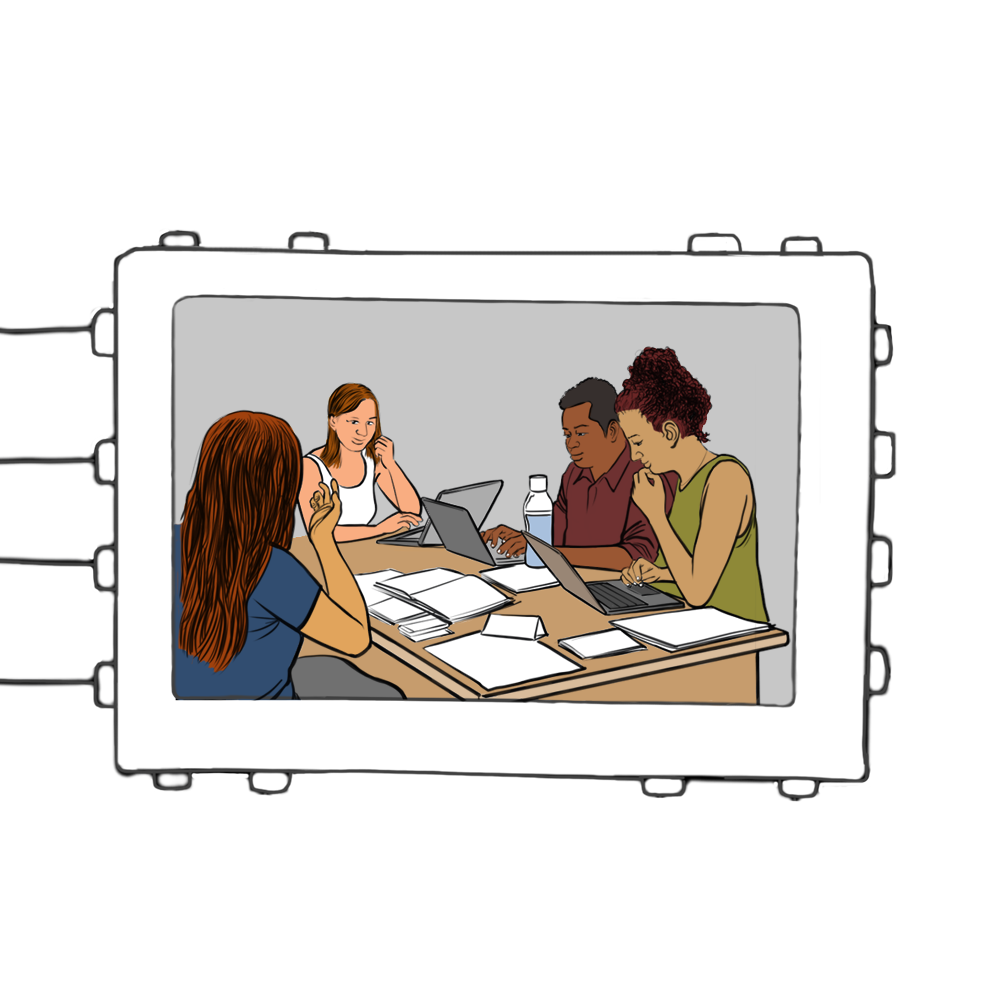
Each year, we launch a new call for applications, which go through a two-stage selection process.
In the first stage, teams are invited to submit a written proposal outlining their challenge and innovative solution.
These proposals go through reviews by technical and operational colleagues from regional, HQ, Innovation, and other relevant entities.
In the second stage, teams whose ideas pass the initial review will be invited to present a short pitch about their proposals to the Steering Committee.
Comment postuler
Chaque année, nous lançons un nouvel appel à candidatures, qui passe par un processus de sélection en deux étapes.
Première étape : Les équipes sont invitées à soumettre une proposition écrite décrivant leur défi et leur idée innovante.
Ces propositions sont examinées par des collègues techniques et opérationnels des bureaux régionaux, du siège, de l’Innovation et d’autres entités pertinentes.
Deuxième étape : Les équipes dont les idées passent la première sélection seront invitées à présenter un court pitch de leur proposition au Comité de Pilotage.
¿Cómo presentar una solicitud?
Cada año, lanzamos una nueva convocatoria de aplicaciones, que pasan por un proceso de selección de dos etapas.
Primera etapa: Los equipos deben presentar una propuesta escrita describiendo su desafío y la idea innovadora.
Las propuestas serán revisadas por colegas con conocimientos técnicos y operativos de oficinas regionales, sede central, ACNUR Innovación y otras entidades relevantes.
Segunda etapa: Los equipos cuyas ideas superen la revisión inicial serán invitados a una breve presentación (pitch) de sus propuestas ante el Comité Directivo.
كيف تقدّم طلبًا
في كل عام نطلق دعوة جديدة لتقديم الطلبات ، والتي تمر بعملية اختيار من مرحلتين.
في المرحلة الأولى، تُدعى الفرق إلى تقديم مقترح مكتوب يحدد التحدي والحل المبتكر. ويتم مراجعة هذه المقترحات من قبل الزملاء الفنيين والتشغيليين من المكاتب الإقليمية والمقر الرئيسي ووحدة الابتكار والكيانات الأخرى ذات الصلة. وفي المرحلة الثانية، تُدعى الفرق التي تجتاز المراجعة الأولية إلى تقديم عرض موجز عن مقترحاتها إلى اللجنة التوجيهية.
Our approach
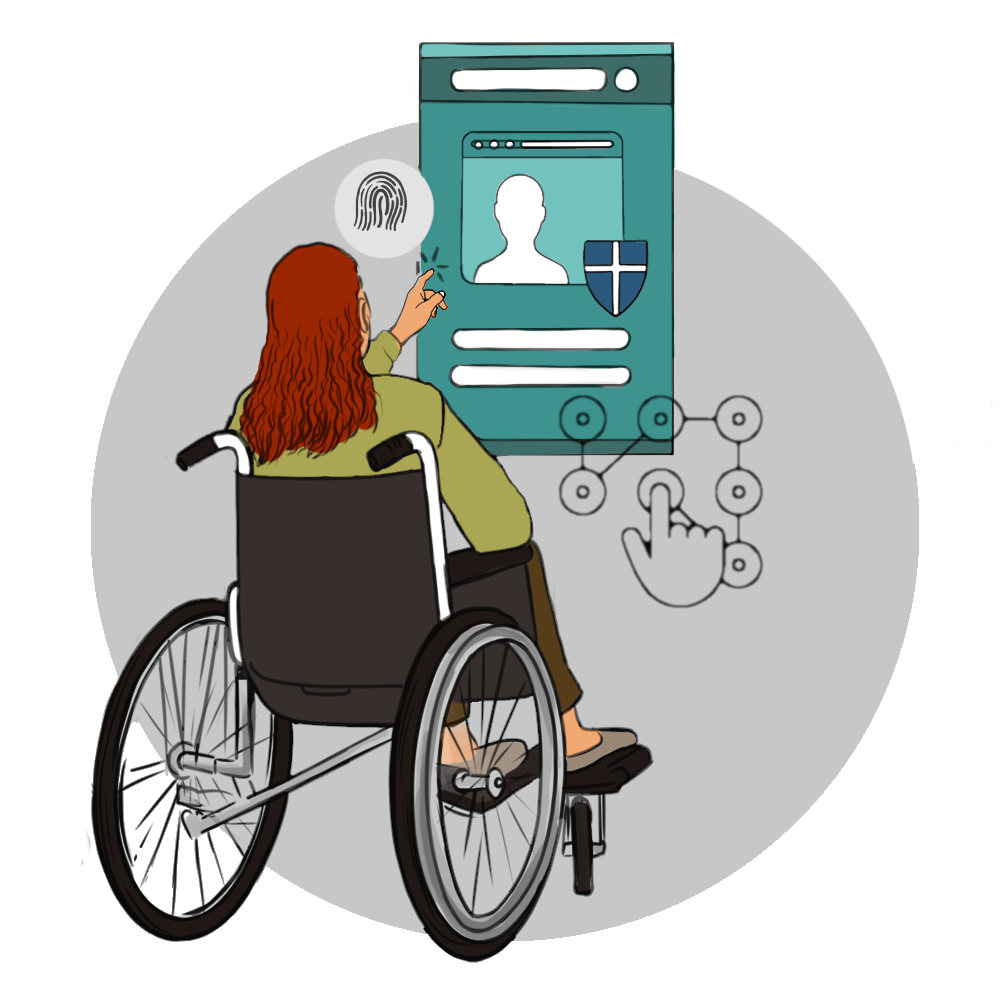
To achieve its objectives, the Fund has adopted the following approach:
- Empower UNHCR teams to tackle challenges or create new opportunities for improving UNHCR work in data analytics in new and responsible ways.
- Provide a holistic support mechanism to ensure teams can adapt chosen tools to humanitarian contexts using innovation and/or human-centred design methodologies.
- Connect teams to other experts who can help them with their project’s technical specifications or to implement principles of data protection and data responsibility, human rights, and ethics.
- Create a safe space to test emergent data tools, build evidence of impact and best practice.
Notre approche
Pour atteindre ses objectifs, le fonds a adopté l’approche suivante :
- Autonomiser les équipes du HCR afin qu’elles puissent relever des défis ou créer de nouvelles opportunités pour améliorer le travail du HCR en analyse de données de manière innovante et responsable.
- Fournir un mécanisme de soutien holistique pour garantir que les équipes puissent adapter les outils choisis aux contextes humanitaires en utilisant des méthodologies d’innovation et/ou de conception centrée sur l’humain.
- Mettre en relation les équipes avec d’autres experts capables de les aider concernant les spécifications techniques de leur projet ou la mise en œuvre des principes de protection et de responsabilité des données, des droits humains et de l’éthique.
- Créer un espace sûr pour tester les outils émergents de traitement des données, constituer des preuves d’impact et identifier les bonnes pratiques.
Nuestro enfoque
Para lograr sus objetivos, el Fondo ha adoptado el siguiente enfoque:
- Empoderar a los equipos de ACNUR para abordar desafíos o crear nuevas oportunidades que mejoren el trabajo del ACNUR en análisis de datos de maneras innovadoras y responsables.
- Proporcionar un mecanismo de apoyo integral que asegure que los equipos puedan adaptar las herramientas seleccionadas a los contextos humanitarios utilizando metodologías de innovación y/o diseño centrado en las personas.
- Conectar a los equipos con otros expertos que puedan ayudarles con las especificaciones técnicas de sus proyectos o con la implementación siguiendo los principios de protección y responsabilidad de datos, derechos humanos y de ética humanitaria.
- Crear un espacio seguro para probar herramientas emergentes de datos, generar evidencia de impacto y establecer buenas prácticas.
نهجنا
لتحقيق أهدافه، اعتمد الصندوق النهج التالي:
- تمكين فرق المفوضية من مواجهة التحديات أو خلق فرص جديدة لتحسين عملها في تحليل البيانات بطرق مبتكرة ومسؤولة.
- توفير آلية دعم شاملة لضمان قدرة الفرق على تكييف الأدوات المختارة مع السياقات الإنسانية باستخدام منهجيات الابتكار و/أو التصميم المرتكز على الإنسان.
- ربط الفرق بخبراء آخرين يمكنهم المساعدة في المواصفات التقنية للمشروع، أو في تطبيق مبادئ حماية البيانات والمسؤولية المتعلقة بها، وحقوق الإنسان، والأخلاقيات.
- توفير مجال آمن لتجربة الأدوات البيانية المستحدثة بهدف إنتاج أدلة عملية وتطوير ممارسات معيارية قابلة للتطبيق.
Selection criteria
Critères de sélection
Criterios de selección
معايير الاختيار

- Innovation: Proposed idea is highly creative, novel, or original. It representsa new approach for UNHCR, locally or globally, to solve an important challenge that has been clearly identified. Projects should not be duplicative of efforts already in development or implementation within UNHCR and will tackle a well-defined scope.
- Impact: Proposed idea demonstrates the potential to positively impact or add value, directly and indirectly, to the lives of forcibly displaced and stateless people and those who host them, in the short and/or long term, alongside the potential for valuable learning for UNHCR and broader audiences.
- Engagement: Proposed idea emphasizes a co-design and age, gender, and diversity (AGD) approach with communities and users; identifies what role communities, users and partners/stakeholders are playing in the joint design and implementation of the project; and/or develops UNHCR’s internal capacity in diversity, equity, and inclusion (DEI). Partnerships with refugee-led organizations, community-based organizations, and/or locally based expertise is highly encouraged.
- Implementation details: Viability of the project has been well thought through, considering timelines, resources, and objectives, with sustainability as a key factor from the outset. Mitigation measures for potential risks have been taken into consideration.
- Innovation : L’idée proposée est très créative, nouvelle ou originale. Elle représente une nouvelle approche pour le HCR, au niveau local, régional, ou mondial, afin de résoudre un défi important clairement identifié. Les projets ne doivent pas dupliquer des efforts déjà en cours de développement ou de mise en œuvre au HCR et doivent traiter un périmètre bien défini.
- Impact : L’idée proposée démontre un potentiel d’impact positif ou de valeur ajoutée, directe et indirecte, sur la vie des personnes déplacées de force et apatrides et de ceux qui les accueillent, à court et/ou long terme, ainsi que le potentiel d’apprentissages utiles pour le HCR et un public plus large.
- Engagement :L’idée proposée met l’accent sur une approche de co-conception et sur l’âge, le genre et la diversité (AGD) avec les communautés et les utilisateurs ; identifie le rôle des communautés, utilisateurs et partenaires dans la conception et la mise en œuvre du projet ; et/ou développe la capacité interne du HCR en matière d’équité, de diversité et d’inclusion (EDI). Les partenariats avec des organisations dirigées par des réfugiés, des organisations communautaires et/ou une expertise locale sont fortement encouragés.
- Détails de mise en œuvre :La faisabilité du projet a été bien pensée, en tenant compte des délais, des ressources et des objectifs, avec la durabilité comme facteur clé dès le départ. Les mesuresd’atténuation des risques potentiels ont été prises en considération.
- Innovación: La idea propuesta debe ser altamente creativa, novedosa u original. Representando un nuevo enfoque para ACNUR, a nivel local, regional o global, para resolver un desafío importante claramente identificado. Los proyectos no deben duplicar esfuerzos que ya están en desarollo o implementación dentro del ACNUR y deben abordar un alcance bien definido.
- Impacto: La idea propuesta debe demostrar potencial para generar un impacto positivo o aportar valor, directa o indirectamente, en la vida de las personas desplazadas y apátridas y de las comunidades de acogida, a corto y/o largo plazo, además de producir aprendizajes valiosos para ACNUR y públicos más amplios.
- Participación: La idea propuesta destaca la co-creación y el enfoque de edad, género y diversidad (AGD) con las comunidades y usuarios/as; identifica el rol de comunidades, de los/las usuarios/as y los socios del ACNUR en el diseño e implementación conjunto del proyecto; y/o desarrolla la capacidad interna del ACNUR en temas de diversidad, equidad e inclusión (DEI). Se alientan particularmente a establecer alianzas con organizaciones dirigidas por personas refugiadas, organizaciones comunitarias y/o con conocimientos técnicos locales.
- Detalles de implementación: Se evalua que la viabilidad del proyecto haya sido analizada cuidadosamente, considerando plazos, recursos y objetivos, con la sostenibilidad como un factor clave desde el inicio. Y que se hayn tenido en cuenta medidas de mitigación frente a riesgos potenciales.
- الابتكار: أن تكون الفكرة المقترحة إبداعية للغاية، جديدة أو اصلية كي تمثل نهجًا جديدًا للمفوضية السامية لشؤون اللاجئين سواء على المستوى المحلي أو العالمي، لمعالجة تحدٍ مهم تم تحديده بوضوح. يجب ألا تكون المشاريع مكررة لجهود أخرى قيد التطوير أو التنفيذ داخل المفوضية، بل أن تتناول نطاقًا محددًا بوضوح.
- التأثير: أن تُظهر الفكرة المقترحة قدرة على إحداث تأثير إيجابي أو إضافة قيمة، بشكل مباشر أو غير مباشر، في حياة الأشخاص المجبرين على النزوح وعديمي الجنسية والمجتمعات المضيفة لهم، على المدى القصير و/أو الطويل، إضافةً إلى إمكانيات التعلم القيمة للمفوضية والجمهور الأوسع.
- الانخراط: أن تُبرز الفكرة المقترحة نهجًا تشاركيا في التصميم يأخذ بعين الاعتبار السن والنوع الاجتماعي والتنوع وتحدد الدور الذي ستلعبه المجتمعات والمستفيدون والشركاء/أصحاب المصلحة في التصميم والتنفيذ المشترك للمشروع؛ و/أو أن تطوّر القدرات الداخلية للمفوضية في مجالات التنوع، والإنصاف، والإدماج. وتُشجَّع التعاون بشكل خاص مع المنظمات التي يقودها اللاجئون، والمنظمات المجتمعية، والخبرات المحلية.
- تفاصيل التنفيذ: أن تكون جدوى المشروع مدروسة بعناية، مع الأخذ في الاعتبار الجداول الزمنية، والموارد، والأهداف، مع إدراج الاستدامة كعامل رئيسي منذ البداية. كما ينبغي أخذ التدابير اللازمة للتخفيف من المخاطر المحتملة بعين الاعتبار.
Areas of exploration
Projects supported through the Fund focus on a wide range of thematics and technologies.
Applicants could consider exploring opportunities related to the below areas, but we’re also open to being surprised. For a more detailed explanation of each of these areas, and some project examples, please see the areas of exploration advice sheet.
Tackling evidence gaps with big data or emerging technologies
|
Leveraging emerging technologies to address growing humanitarian needs
|
Use of AI in humanitarian decision making
|
Responsible adoption of emerging technologies
|
Emerging technologies policy, governance, and research
|
Disruptive humanitarian innovation
|
Domaines d’exploration
Les projets soutenus par le Fonds portent sur un large éventail de thématiques et de technologies.
Les candidats peuvent envisager d’explorer des opportunités liées aux domaines ci-dessous, mais nous restons également ouverts à être surpris. Pour une explication plus détaillée de chacun de ces domaines et quelques exemples de projets, veuillez consulter la fiche-conseil sur les domaines d’exploration.
Combler les lacunes en matière de preuves avec le big data ou les technologies émergentes
|
Exploiter les technologies émergentes pour répondre aux besoins humanitaires croissants
|
|
Utilisation de l’IA dans la prise de décision humanitaire
|
|
Adoption responsable des technologies émergentes
|
|
Politiques, gouvernance et recherche sur les technologies émergentes
|
|
Innovation humanitaire perturbatrice
|
Áreas de exploración
Los proyectos apoyados a través del Fondo se centran en una amplia gama de temáticas y tecnologías.
Los solicitantes deben considerar explorar oportunidades relacionadas con las áreas que se indican a continuación, aunque también estamos abiertos a recibir propuestas creativas. Para una explicación más detallada de cada una de estas áreas, así como ejemplos de proyectos, consulte la hoja de orientación sobre áreas de exploración.
Abordar las brechas de evidencia con macrodatos o tecnologías emergentes
|
Aprovechar tecnologías emergentes para responder a crecientes necesidades humanitarias
|
|
Uso de la IA en la toma de decisiones humanitarias
|
|
Adopción responsable de tecnologías emergentes
|
|
Políticas, gobernanza e investigación sobre tecnologías emergentes
|
|
Innovación humanitaria disruptiva
|
مجالات الاستكشاف
تركّز المشاريع المدعومة من خلال الصندوق على طيف واسع من المواضيع والتقنيات.
ويمكن للمتقدمين النظر في استكشاف الفرص ذات الصلة بالمجالات التالية، مع التأكيد أننا منفتحون أيضًا على أفكار مبتكرة وغير متوقعة.
لمزيد من التفاصيل حول كل مجال، وأمثلة عن المشاريع القائمة، يُرجى الاطلاع على ورقة التوجيه الخاصة بمجالات الاستكشاف.
سد فجوات الأدلة باستخدام البيانات الضخمة أو التقنيات الناشئة |
توظيف التقنيات الناشئة لمواجهة الاحتياجات الإنسانية المتزايدة
|
|
استخدام الذكاء الاصطناعي في صنع القرارات الإنسانية
|
|
الاستخدام المتوازن للتقنيات الحديثة
|
|
السياسات والحوكمة والبحث في التقنيات الحديثة
|
|
|
Our 2025 projects
Document scanning for enhanced collection of identity management data – Asia Pacific
Challenge: UNHCR regularly surveys the communities we work with and for to collect detailed data on protection needs and access to services. However, time and funding constraints often limit data collection to the household level, which can overlook the diverse needs of individuals.
Solution: Developing a mobile, offline-capable app – the Kobo Document Scanner. The app employs optical character recognition (OCR) to accurately and efficiently extract key personal and location data from identification documents of community members, integrating this information into Kobo, UNHCR’s survey collection tool.
Expected results: Replacing time-consuming manual data collection, this app (once piloted in Pakistan and Afghanistan) will integrate with UNHCR’s existing corporate solutions, helping field teams to collect comprehensive individual-level data, improving data accuracy, reducing assessment time, and advancing UNHCR’s age, gender, and diversity policy.
Improved information access through AI-supported virtual assistant – Iran
Challenge: Most forcibly displaced people in Iran feel uninformed about their rights and the services available to them, which makes it harder for them to access these services, increasing protection risks. UNHCR receives about 500,000 calls each year, only 10–15% of which can be answered, based on human resource capacity.
Solution: Testing ways to develop an AI-supported response mechanism (a virtual assistant) to efficiently handle basic information requests – for instance, generic information on resettlement or documentation – from community members, freeing up human resources for cases requiring specific support.
Expected results: Improved response rates to all requests as well as enhanced accessibility for callers in need of specific support. The Afghan refugee population in Iran will enjoy greater access to information on their rights and available services.
CoordiMap: Better coordinated shelter responses following crises – Multiregion
Challenge: In the early stages of a crisis, response teams face challenges in accessing timely, coordinated, and household-level data. The rapid onset of emergencies, fragmented data sources, limited access due to insecurity, and a lack of technical capacity hinder effective planning, coordination, and advocacy. This results in misinformed prioritization, gaps in coverage, and reduced potential for linking emergency shelter interventions with long-term solutions.
Solution: CoordiMap leverages AI-powered satellite imagery analysis to rapidly generate geotagged building footprints and damage assessments. This creates a digital twin of crisis-affected areas to support early decision-making, coordination, and advocacy. Verified by ground teams, the central geospatial database facilitates evidence-based planning across the shelter response lifecycle while enabling multisectoral integration.
Expected results: An online toolset will enable global accessibility, featuring machine learning models, digitized maps, and assessment tools with multi-user access. This innovation will enhance coordination, improve targeting, support sustainability, and provide a replicable model for shelter and multisectoral responses globally.
Enhancing healthcare outcomes through strategic planning, forecasting, and quantification – Tanzania
Challenge: Tanzania’s Nyarugusu and Nduta refugee camps host more than 260,000 people. Stockouts and expirations of medicines and medical supplies in the camps, compounded by increasing humanitarian resource constraints, limit the quality of healthcare available to residents.
Solution: Leveraging predictive modelling and data analytics to forecast medicine needs based on various factors – including population dynamics, health trends, disease outbreaks, and historical consumption patterns – to increase the efficiency of supply chains, optimize distribution, and reduce the risk of shortages or overstocking.
Expected results: Reliable access to medicines and supplies, leading to better care and fewer preventable deaths. More efficient use of limited resources in a context where timely access to medication is critical for wellbeing.
BRIDG-AI: Bolstering Refugee Interactions through Digital Growth and Artificial Intelligence – India
Challenge: In India, the manual processing of emails from refugees to UNHCR’s mailbox is often time-consuming and prone to errors, making it challenging to respond rapidly to time-sensitive queries. There is a critical need to enhance the efficiency of this communication system to strengthen UNHCR India’s accountability to affected populations (AAP).
Solution: An AI-based tool, leveraging a large language model (LLM), will help sort, prioritize, and refer emails to the right UNHCR staff. This solution will be able to remove duplicates, protect privacy, and organize messages by topic or urgency, while preserving human oversight and intersecting with existing digital inclusion initiatives.
Expected results: The tool will reduce response time for urgent queries, facilitate response tracking, provide status updates, and collect metadata. This will improve UNHCR India’s AAP and, if successful, will be scalable to other UNHCR operations through Application Programming Interface (API) models, which is a way for different software systems to connect and share information automatically.
EGRISS IDQ: Leveraging behavioural analysis and AI for more reliable statistics on forcibly displaced populations – Global
Challenge: Identifying refugees and internally displaced people (IDPs) is essential to ensure their visibility in data produced through national surveys, which can affect policy decisions. Clarifying, standardizing, and streamlining survey questions used to identify these groups will fill important guidance gaps and ensure more reliable data.
Solution: Improving and validating the identification questionnaire toolkit for refugee and IDP populations by integrating cognitive testing (examining how people understand questions), behavioural analysis, and AI technologies to ensure clarity, accuracy, and reliability in data collection, aligned to international statistical recommendations.
Expected results: Enhanced reliability of identifying forcibly displaced individuals in household surveys, driving more accurate inclusion of refugee, IDP, and stateless communities in official statistics. This will facilitate the production of more comparable data and tracking of Sustainable Development Goals (SDGs) broken down by displacement status.
From arrival to exit: Modelling shelter stays – Brazil
Challenge: UNHCR has not yet fully leveraged the extensive operational data it possesses to estimate how long people forced to flee will stay in emergency shelters. Addressing this data-driven shelter management gap could improve planning and resource allocation, furthering UNHCR’s protection and durable solutions mandates.
Solution: Use UNHCR registration and sheltering data to develop a simulation model that explores how different factors affect shelter stays. This tool could help UNHCR test various management strategies, plan more effective shelter exits, and design long-term support solutions.
Expected results: Accurate identification of factors affecting length of stay will inform policy and programme development, enhancing UNHCR’s data-driven decision making and ultimately improving refugee well-being. The exploration of different shelter management scenarios through simulation will support more effective planning, resource allocation, and tailored exit strategies.
More efficient and ethical consent gathering, through digital app – Global
Challenge: UNHCR currently gathers informed consent from refugees to use photographs and quotes in communications materials through a paper-based process. While this process has served an important function, it can be difficult to adapt across diverse cultural contexts, varying literacy levels, and accessibility needs. It also slows down the collection and storage of information, is environmentally unsustainable, and does not meet data protection standards.
Solution: Develop an app that gathers consent digitally, safely storing data on UNHCR servers. The proposed app works offline, supports multiple languages, offers the option of either digital signature or voice consent, and links consent forms and photos directly to Refugees Media, UNHCR’s online multimedia library.
Expected results: Ensuring UNHCR’s consent-gathering process is more efficient, ethical, and sustainable. This digital solution will enhance data protection, streamline operations, and ensure cultural sensitivity, improving the organization’s ability to advocate for and protect forcibly displaced and stateless people.
Flight for Hope: Drone-supported monitoring to optimize aid delivery – Chad
Challenge: Chad spans 1.28 million square kilometres and hosts more than 2 million forcibly displaced people, with many incoming as a result of the crisis in Sudan. Security problems, limited resources, dynamic population flows, and barriers to accessing displacement sites make monitoring these communities and coordinating appropriate assistance challenging.
Solution: Leveraging drones and satellite imagery to better understand conditions at displacement sites, agricultural areas, and key transit areas on the Chad-Sudan border. AI-supported analysis of drone and satellite footage will generate data to support targeted development and humanitarian work across several sectors, including public health and livelihoods.
Expected results: Enhanced site management, population monitoring, aid delivery, and resource rationalisation. Local capacity will be built through training on equipment use, and collaboration with communities and development partners will be strengthened to ensure alignment with local needs.
Project 21: Monitoring and predicting protection risks in inaccessible areas – Niger
Challenge: In Niger, humanitarians face increasing barriers to accessing displaced and host communities in certain conflict-affected areas – making it challenging to collect data on potential risks (for instance, conflict or food insecurity) to support the design and implementation of programming to safeguard these communities.
Solution: Developing a machine-learning model that analyses publicly available data to assess and predict protection risks in inaccessible areas. This innovation will enhance the capacity of UNHCR and its partners, protection cluster actors, and other stakeholders to monitor and respond to the needs of vulnerable populations in regions where traditional data collection is not feasible.
Expected results: More effective protection monitoring – thanks to reliable data and analysis on potential risks in inaccessible areas – will support the design of tailored humanitarian interventions and advocacy, ultimately improving the lives of vulnerable communities and furthering UNHCR’s protection mandate.
Our 2024 projects
Indigenous women mappers for the environment – Panama
Challenge: Local Indigenous communities lack capacity and infrastructure to support the thousands of displaced people who travel through the Darién jungle every day, leaving a highly visible footprint. No study has examined the environmental impacts of this mass movement.
Solution: Engage Emberá-Wounaan Indigenous communities for a participatory mapping that will enable them to use digital tools to map places, services, and socioecological risks in their communities. Using the data, the communities can design a strategy for solid waste management.
Expected results: Improved environmental mitigation measures, based on knowledge gathered and produced by local communities, to support human and environmental health. Enhanced capacity among community to use digital tools to advance local knowledge.
Proactive data-driven disease detection in wastewater – Malawi
Challenge: Dzaleka camp has limited capacity and resources to clinically test forcibly displaced persons for infectious diseases. Meanwhile, refugees are especially vulnerable to such diseases, given their poor healthcare access and living conditions.
Solution: Pilot the use of wastewater-based epidemiology (WBE) at the camp, to identify pathogens of concern, estimate their prevalence, and improve and accelerate the response. WBE has been shown to predict some disease outbreaks days before clinical testing.
Expected results: Proactive detection of and response to infectious disease outbreaks, driving improved health outcomes.
Automated cash assistance to support small businesses – Paraguay
Challenge: Paraguayan financial regulations require all cash transactions to be accompanied by an invoice, but most forcibly displaced people cannot generate legally recognized invoices. Cash assistance beneficiaries must travel to sign a paper invoice. For entrepreneurs, the creation and review of paper-based business plans is an additional barrier.
Solution: Implement an e-invoicing system and a standardized tool for UNHCR’s cash assistance delivery and selection of business grant recipients. This will enable individuals to submit proposals online and sign e-invoices remotely.
Expected results: Greater objectivity, transparency, and standardization in the selection of seed capital recipients in Paraguay. Reduced environmental impact by removing the need for paper-based transactions and travel for beneficiaries of multipurpose cash and business grants.
New privacy technologies for better data sharing – Global
Challenge: UNHCR and the Joint Data Center on Forced Displacement launched the UNHCR Microdata Library (MDL) in 2020, to safely share microdata with external researchers. But, due to the data’s sensitivity, statistical disclosure control often allows only a small subsample to be shared, limiting its utility.
Solution: Test the use of artificially generated data, differential privacy, and other privacy enhancing technology techniques to generate dummy data from the MDL that could be safely shared with external researchers while maintaining a good level of utility.
Expected results: Researchers have access to useful datasets that accurately convey the content of the MDL without breaching privacy. An improved evidence base drives improved initiatives to protect, empower, and include refugees.
Data-driven insights into migration across the west Indian Ocean – Multiregion
Challenge: There is a lack of data on the emerging mixed-migration sea route from Comoros to Mayotte, but there are indications that a significant number of lives are lost at sea. Figures from UN agencies are inconsistent. Greater collaboration across relevant UNHCR regions is needed.
Solution: Conduct research and gather datasets through an interactive mobile platform to identify motivations of those forced to flee as well as gaps in the responsibilities of pertinent states in relation to rescue at sea, non-refoulement, and asylum access. The project may also explore predictive modeling along this route.
Expected results: The data collected will enhance UNHC’s understanding of the situation and needs of those crossing the west Indian Ocean, supporting advocacy within relevant countries and driving an improved humanitarian response along this route.
Behavioral analytics to boost social inclusion through sport – Global
Challenge: UNHCR lacks an understanding of what excites sports fans about our communications content, and therefore how best to engage this audience and inspire their support for those forced to flee through future communications.
Solution: Design a behavioral analytics project that unpacks the motivations and drivers of the sporting public in engaging positively with content focused on displacement and refugees, to inform more targeted sports-related communications products and engagement.
Expected outcomes: Communities of sports fans and players could be powerful advocates for the cause of forced displacement. This project will identify how to turn this potential into action.
Generative AI resource on refugee law to support protection – Global
Challenge: UNHCR’s Rights Mapping & Analysis Platform (RiMAP) is a global platform to record and analyze laws and policies driving, under a common analytical framework, access to rights for refugees, asylum-seekers, internally displaced and stateless persons. UNHCR’s protection staff need support in structuring the analysis of this high volume of legal data.
Solution: Explore the potential of providing UNHCR staff with an ‘AI co-pilot’ (virtual assistant) for law and policy analysis to assist faster research, understanding, and presentation of access to rights of forcibly displaced and stateless populations.
Expect results: UNHCR colleagues at country, regional bureaux, and headquarters level have readily accessible and updated legal information regarding the rights of the people UNHCR works with and for, which will support policy dialogues and improve protection outcomes.
NLP for more effective analysis of qualitative data from communities – Iraq
Challenge: In the Kurdistan Region, UNHCR receives a lot of information from communities via unstructured text and voice data in Kurdish and Arabic (depending on the collection resource). These have to be manually processed and assessed, which is time consuming – so the data is often not fully analyzed.
Solution: Test ways that natural language processing (NLP) tools – such as translation, summarization, question response, categorization, transcription, and more – could be used to support the processing and analysis of unstructured data in languages used by communities.
Expected results: Quicker and more comprehensive processing and analysis of this AV data, freeing up UNHCR resources and enabling more effective responses. The proposed Kurdish NLP methods could also be integrated into KoboToolbox, expanding that tool’s capabilities.
Data-assisted automated water distribution and treatment systems – Zimbabwe
Challenge: In and around Tongogara Refugee Settlement, more than 15,000 residents and 1,500 host community members get water from solar pumping systems connected to reticulation networks. Expansions of the networks over the past decade and manual handling of valves result in unoptimized water distribution, posing a risk of infectious disease.
Solution: Procuring hardware for an automated distribution and treatment system (PLC automated valves, automated chlorination system, pumping rate controllers, water quality monitoring devices, water flow meters, pressure sensors) and developing algorithms to control this system.
Expected results: The automated distribution and treatment of water provided to residents, as well as an online monitoring dashboard to provide oversight of this system. Improved population health and more equitable water access, as well as local capacity building to maintain the system.
Using data science to spot inefficiencies in refugee status determination procedures – Global
Solution: Leverage data science to analyze the process flow, taking into account multiple variables, to identify patterns impacting the case processing time. Understanding systematic bottlenecks could help inform effective solutions.
Expected results: Major bottlenecks and their root causes in the RSD process identified, helping to shape potential solutions. Reducing delays and inefficiencies allows for better UNHCR resource management and ensures refugee applicants secure the rights associated with this status more quickly.
Optimized data collection and app integration to streamline aid distribution – Ukraine
Challenge: Various errors, inconsistencies, and gaps in data collection – due to insufficient training for partners and the use of multiple tools to collect information – limit the optimization of UNHCR’s distribution of non-food items (NFIs) in Ukraine.
Solution: Improve UNHCR’s ability to integrate and compare relevant data by developing an app that efficiently stores and uses information from local authorities, tracks all entities involved in NFI distribution, and automatically generates essential documents, like waybills and stock requests.
Expected results: Enhanced understanding of the number and needs of forcibly displaced people across Ukraine drives more effective planning while automated documents streamline processes, improving overall operational efficiency and enhancing monitoring capabilities.
AI-supported lawsuits to boost refugees’ access to justice – Republic of Korea
Challenge: Of the more than 10,000 refugee applications annually in Korea, only 2% are successful. Those denied are not given legal representation when they appeal the nonrecognition of their refugee status, leading to virtually zero chance of success.
Solution: Increase access to justice by developing an AI-based system that drafts submissions to court for refugee lawsuits, helping to argue for the illegality of nonrecognition decisions.
Expected results: Refugees in Korea are better able to present their cases in court as they seek recognition of their refugee status, improving their access to justice and their chances of socioeconomic inclusion on the basis of that status.
Evidence-based advocacy for effective refugee family reunification – Global
Challenge: The lack of clarity and data on family reunification hinders policy making, systems design and internal planning, and makes it hard for UNHCR to achieve goals laid out in the Global Compact on Refugees. More information on needs, successes, and challenges in this space is required.
Solution: Closely examine 2–3 countries of current asylum and/or transit along a mixed migration route, plus 2–3 countries within the European Union, to develop a more holistic understanding of the family reunification process, taking a phased approach that leverages data science methodologies for data collection and analysis.
Expected results: Framework of tools developed for the collection and analysis of data on needs, outcomes, and gaps regarding family reunification processes, to inform more effective and strategic advocacy.
Leveraging appeals data for more accountable and timely assistance – Global
Challenge: There is no automated system to facilitate a triage of incoming appeals for joint targeting/prioritization exercises by UNHCR and the World Food Programme (WFP). Available capacity to follow up on appeals is limited and must be carefully managed.
Solution: Leverage data – and strengthen its visualization and presentation – to enable informed decision-making on appeals. By combining appellants’ grounds for appeal with existing proGres data, the project will predict each appeal’s chances of success, enabling UNHCR/WFP to prioritize follow-up on those most likely to succeed.
Expected results: UNHCR and WFP are able to more effectively leverage appeals data to improve follow-up and decision-making on appeals – ultimately improving outcomes from appeals while ensuring data protection.
Psychosocial risk management to safeguard UNHCR staff wellbeing – Global
Challenge: UN personnel demonstrably face higher psychosocial hazards at work as compared to other sectors, which can negatively affect the mental health and wellbeing of the workforce and have knock-on effects on organizational productivity.
Solution: Strengthen UNHCR’s data-driven and evidence-based approach to mental health by developing a scalable psychosocial risk management system, with a digital application to systematically identify and assess psychosocial risks as well as training material on its use.
Expected results: Leveraging machine learning, this application will deliver real-time assessments and actionable insights via a centralized dashboard accessible to UNHCR operations and divisions, streamlining the identification and management of psychosocial risks, and ultimately aiming to enhance staff well-being and organizational effectiveness.
Endorsed in 2022, this project will be implemented through 2024.
Our 2022–3 projects
Global early warning system on forced displacement
Challenge: Currently, countries at high risk of humanitarian emergencies are identified jointly by UNHCR operations, regional bureaux and headquarters, but the agency lacks systematic, data-driven early warning systems on forced displacement that provide real-time alerts. We must boost UNHCR’s ability to forecast in order to build our capacity to act.
Solution: UNHCR’s Division of Emergency, Security and Supply will design a prototype data-driven early warning system combining different data sources, based on research of internal initiatives and external systems used by humanitarian agencies, academia and the private sector. The system will be piloted in several country operations.
Expected results: Improved anticipation of and response to complex emergencies, strengthened partnerships, and a role in data-driven anticipatory humanitarianism.
Monitoring hate speech with data-driven alert system
Challenge: The Research, Strategy and Analytics team of UNHCR’s Global Communications Service has developed a model that classifies hateful content in English targeting forcibly displaced people. This partial solution needs to be operationalized to systematize and automate data collection.
Solution: A user-friendly web application that tracks, visualizes and catalogues hateful social activities almost in real-time to facilitate analysis and alert key stakeholders via established communication channels when crises are identified.
Expected results: Improved hate speech detection and response within UNHCR in accordance with the organization’s data protection standards, allowing UNHCR and its humanitarian partners to better understand hateful activities online and prevent discrimination against displaced people.
Improved household surveys through semi-automated mapping
Challenge: A lack of appropriate sampling frames makes it hard for UNHCR to get reliable data on people forced to flee from household surveys.
Solution: Three of UNHCR’s Data and Identity Management Analysis (DIMA) units teamed up to design a semiautomated delineation for enumeration areas, using satellite imagery and employing Bayesian statistical modelling techniques to estimate target population size from secondary data sources.
Expected results: Readily available sampling frames leading to reliable household surveys for country operations, reducing the complexity and costs of carrying out survey activities and improving the resulting data.
Improved community-based protection monitoring with AI and data science — Afghanistan
Challenge: UNHCR Afghanistan gathers a vast amount of text-based qualitative data through community-based protection monitoring, but manually processing this information is time and energy intensive, resulting in lost opportunities to use this data to inform timely interventions.
Solution: Use AI-based software, particularly with natural language processing features to facilitate qualitative analysis of data gathered through community-based protection monitoring. This software would detect key words and phrases, categorise and translate them, and produce meaningful analysis.
Expected results: Effective and efficient data analysis, resulting in better use of data to inform effective protection interventions and timely responses to protection risks.
Using data to secure greater social integration — Kenya
Challenge: Refugees and asylum-seekers in Kenya have historically been excluded from national social protection systems. However, when displacement is protracted and national services are developing, humanitarian actors are expected to demonstrate why they’re not working with national systems.
Solution: Integrate refugees and asylum-seekers into Kenya’s national registry to enable local solutions and access to social services, better target assistance, and broaden stakeholder engagement to support displaced populations as well as host communities.
Expected results: Improved integration of refugees in a way that benefits displaced people and host communities, reduces response times, avoids duplication, supports local economies and livelihoods for refugees and asylum seekers.
Machine learning to boost digital education uptake and impact
Challenge: With shifts to digital learning, displaced communities are excluded from the benefits of these types of learning opportunities due to a lack of infrastructure, devices and know-how. UNHCR has worked to track and centralise digital learning resources but needs to more rapidly align content to relevant curricula, in partnership with Learning Equality.
Solution: UNHCR’s Global Education team will use machine learning and natural language processing to partially automate the curriculum alignment process, which will improve the relevance, adoption, and impact of digital learning resources. A competition is bringing together machine-learning practitioners to design new algorithms to support this effort, and the winning solutions will be made publicly available.
Expected results: Creative solutions governments and educators can leverage to more efficiently align digital resources, particularly during crises. Uninterrupted access to education is supported for displaced communities and others, with benefits for students, teachers, parents and communities.
Data-driven modelling for protection prioritisation — Guatemala
Challenge: UNHCR Guatemala lacks an evidence-based methodology to prioritise communities most in need of community-based protection, affecting its ability to reach and respond to the most vulnerable populations, who tend to be widely dispersed across different contexts.
Solution: The design and construction of an evidence-based community intervention prioritisation tool that allows for a more objective, systematic, and reproducible prioritisation approach. A participatory design methodology facilitates input from the people UNHCR serves, community leaders, local authorities, and experts.
Expected results: A customizable online tool that is easy to use in different contexts, settings, and operations and that will enable UNHCR to better understand the situation of communities. This will support the prioritisation and tailoring of interventions, improving outcomes for the most vulnerable communities.
Identifying informal shelter needs through creating an address system and mapping — Lebanon
Challenge: Over 222,000 refugees live across more than 3,500 informal tented settlements in Lebanon’s Bekaa Valley. Standardised shelter criteria determine households’ eligibility for additional shelter kits, but the absence of a tent-level address system hinders this process.
Solution: An address system for informal tented settlements, using a code for each tent. Part of the code will be fixed, reflecting the tent’s location, and another part will change based on the physical condition of the tent, to better link household needs with assistance and services.
Expected results: This tent-level address system will enable UNHCR to monitor household location and conditions, enabling more efficient and accurate identification of needs and the required response, and supporting the health and safety of families in Bekaa.
Creating a joint data analysis framework with national authorities — Mexico
Challenge: Mexico lacks an integrated data analysis framework to support joint analysis and planning by actors engaging with displaced communities. This results in inefficient resource allocation, with duplications in certain settings while many displaced people face barriers accessing basic services.
Solution: The creation of a data analysis framework to collate, study, and interpret information from the national refugee commission, the national population registry, and UNHCR. This will generate information detailing the characteristics and displacement patterns of the affected population, and highlight cases of successful local integration.
Expected results: UNHCR will better understand the needs, capacities, motivations and interests of displaced people in Mexico – information that will help decision-making processes, reduce duplication, and enable better coordination to deliver effective interventions.
Enhanced due diligence and risk monitoring with private-sector partners through AI and natural language processing
Challenge: Due diligence requires that UNHCR thoroughly screen its private-sector partners and analyse potential reputational risks. The resulting labour-intensive screening reports are valid for a year, during which the donor monitoring work is more flexible and variable.
Solution: UNHCR’s BEYOND project team will use AI-based software with natural language processing (NLP) features to develop a tool that automatically feeds pertinent risk- and opportunity-related updates on partners to relevant teams, enabling ongoing risk-monitoring while facilitating strategic donor cultivation and partnership development.
Expected outcome: This tool will improve and support proactive risk monitoring and relationship work through automatic updates, as well as optimising and streamlining the research, identification, and documentation of controversies for the due diligence screening process.
Faster and easier diagnosis of malnutrition with photo-based app
Challenge: Eliminating malnutrition is integral to UNHCR’s protection mandate, but existing methods to accurately and effectively diagnose malnutrition can require skill, time, cumbersome equipment, and direct contact. This makes it hard to conduct screening at the community level.
Solution: The Severe Acute Malnutrition (SAM) Photo Diagnosis App® is an innovative tool that uses morphology to screen wasting among children. UNHCR’s public health teams propose using the app, provided by Action Against Hunger, to simplify community screening and diagnosis of acute malnutrition among refugees. It is the first time this app is deployed in refugee-contexts.
Expected results: Faster, easier, real-time, and systematic diagnoses of malnutrition, which can be carried out by community members, will enable more comprehensive screening and support better protection and health outcomes for displaced communities.
Evaluating livelihoods interventions and predicting needs through data science and machine learning — Peru
Challenge: Despite UNHCR’s recent efforts to mainstream data-driven analysis and decision-making, many data-driven projects are still siloed within specialist units, rather than being operationalised to inform field-based work. UNHCR technical units in the field also continue to collect large amounts of data that may never be analysed beyond a very basic level, if at all.
Solution: Using data science and machine learning techniques to pilot deeper analysis of data collected by humanitarian organization HIAS on the progress of displaced households included in a specific livelihoods intervention. Using machine learning, the team will sort cases according to performance, identifying trends and common characteristics.
Expected results: Data-driven prediction of which cases are most likely to need additional support from the start of livelihoods interventions will enable a more effective response and amplify successes within livelihood interventions.
Enhancing text analytics and capacity building of youth at risk — El Salvador
Challenge: UNHCR El Salvador collects semi-structured qualitative data from internally displaced people and community members at risk, which is analysed manually by the operation and partners. A more systematic analytical approach could improve the identification of overarching trends and patterns, which could strengthen existing advocacy efforts and community-based protection interventions.
Solution: Develop an analytical framework to support qualitative text data analysis that would provide additional insights. The project also involves community-based participatory aspects, with opportunities for at-risk youth in El Salvador to learn important data science skills.
Expected results: Better insight into overarching protection trends and drivers of protection risks, their effects on communities, and possible community-based solutions. This will facilitate advocacy efforts, support programmatic planning, and help shape effective solutions
Data science to inform cash-based assistance — Peru
Challenge: Cash assistance is an increasingly important part of UNHCR Peru’s support for people displaced from Venezuela. With growing needs and shrinking resources, it is critical for UNHCR to be able to provide timely, targeted, effective cash-based interventions for the most vulnerable.
Solution: UNHCR Peru will used mixed methodology to improve the targeting of its cash-based interventions. Data analysis will identify the vulnerability profiles of families both eligible and ineligible for this assistance. Through workshops, interviews, and focus groups with partners, UNHCR, and displaced communities, the profiles that should be prioritized will be discussed. Inclusion and exclusion errors will be studied in depth.
Expected results: More effective cash-based interventions to respond to different operational contexts, needs, and individual vulnerabilities, supporting greater wellbeing for communities most in need.
Behavioural analytics and social media to better inform crisis-affected communities — Brazil
Challenge: Displaced Venezuelans face challenges accessing information to inform their choices on arrival in Brazil. Social media can be an effective outreach tool, but UNHCR lacks evidence of the effectiveness of its social media use to both communicate critical information to Venezuelan refugees and asylum-seekers in Brazil and support protection work.
Solution: To optimize the choice architecture (how different options are presented, as well as the available tools to help people make decisions) accessible to displaced Venezuelans, UNHCR will use behavioural analytics to quantify and inform interventions – such as information campaigns – and correlate these initiatives to refugee decisions and behaviour.
Expected results: Improved, evidence-based communication will enable refugees and other conflict-affected communities in Brazil to make well-informed decisions, maximising their protection, health, education access, social and economic inclusion, and dignity.
Better responses to climate change risks through improved vulnerability assessments — Jordan
Challenge: Jordan, a climate hotspot, hosts over 750,000 refugees. Every two years, UNHCR conducts a study to analyse and document different types of vulnerabilities across multiple sectors, from a representative sample of registered refugees. But this vulnerability assessment framework (VAF) does not include any indicator measuring climate change impacts on refugees.
Solution: Integrate indicators into the UNHCR VAF on how climate change affects refugees in Jordan, to gather quality data that would inform the programming of UNHCR and its partners over the years to come.
Expected results: Improved understanding of climate change impacts on the displaced in Jordan, driving better climate change related protection interventions and enhanced resilience of refugees to climate change related risks.

FAQs
Am I eligible to apply?
If you work for UNHCR, yes! (See further details in the ‘who can apply’ section above.) If you are on a short-term contract or will be leaving the operation soon, we still encourage you to apply, but we expect you to note plans of how the project’s implementation would be managed after your departure. For interested parties outside of UNHCR, we’d recommend engaging with UNHCR in your country of relevance and exploring partnership possibilities. If you are a refugee-led organization, you are welcome to apply to the Refugee-led Innovation Fund.
Do I need to have a fully-fledged project or idea?
Not at all. Innovation is a process, not a technology product or an already-built solution. Teams continue to develop their ideas throughout the duration of the Fund, following the Data Innovation Roadmap to refine ideas, test solutions, and redesign processes.
What counts as innovation for the Fund?
We assess the innovativeness of an idea on the basis of the extent to which it represents a creative and new approach for leveraging emerging technologies – such as artificial intelligence – to benefit communities. Ideas may be new to UNHCR, new to the context, or new to the world.
What kind of ideas are you looking for?
Kindly refer to the areas of exploration outlined above for more details about the thematics we might prioritize. The Fund remains open to innovative ideas to tackle data challenges that fall outside the suggested areas. See a full list of currently supported projects here to get inspired.
What should I do if I’m not sure which Fund to apply for?
Please apply for the Fund you consider most relevant to your idea by consulting the “Unsure which Innovation Fund to apply to?” sheet. As part of the review process, UNHCR Innovation may assess whether a proposal is better suited to receive support from one of the other Innovation Funds. We will let you know if this is the case, but it won’t negatively affect your submission.
How will you select projects?
Proposals are reviewed and assessed by UNHCR Innovation according to the assessment criteria (see below). Then, longlisted proposals are reviewed by technical experts from HQ and RBs, who score proposals against these same criteria. Finally, teams whose proposals are shortlisted will be invited to pitch their ideas to the Steering Committee, who will make a final decision.
What is the assessment criteria?
Proposals are scored on the basis of their:
- Innovation: Proposed idea is highly creative, novel or original. It represents a new approach for UNHCR, locally or globally, to solve an important challenge that has been clearly identified. Projects should not be duplicative of efforts already in development or implementation within UNHCR and will tackle a well-defined scope.
- Impact: Proposed idea demonstrates the potential to positively impact or add value, directly and indirectly, to the lives of forcibly displaced and stateless people and those who host them, in the short and/or long term, alongside the potential for valuable learning for UNHCR and broader audiences.
- Engagement: Proposed idea emphasizes a co-design and age, gender, and diversity (AGD) approach with communities and users; identifies what role communities, users and partners/stakeholders are playing in the joint design and implementation of the project; and/or develops UNHCR’s internal capacity in diversity, equity, and inclusion (DEI). Partnerships with refugee-led organizations, community-based organizations, and/or locally based expertise is highly encouraged.
- Implementation details: Viability of the project has been well thought through, considering timelines, resources, and objectives, with sustainability as a key factor from the outset. Mitigation measures for potential risks have been taken into consideration.
Is there a limit to the number of applications my team can submit?
No, but only one idea should be submitted per form, with each submission focusing on a different challenge/opportunity. You should focus on quality over quantity. Consider investing more effort in your top idea, rather than submitting multiple applications.
What approvals and requirements do I need to meet?
UNHCR Innovation requires applications to be endorsed by the relevant senior manager at the duty station, and sometimes relevant regional/HQ entities if necessary (e.g. if your project is a cross-border initiative or requires inputs from different divisions, etc.) prior to submission. You must identify a primary focal point and build a multifunctional team (MFT) that includes at least one Programmes/Resource Management colleague who will support both proposal development and implementation.
How much funding can teams apply for?
Innovation Fund project budgets range between 25,000 and 125,000 USD. We recommend that your proposed budget does NOT exceed the ceiling of 125,000 USD. Wwe strongly encourage teams to submit responsible budgets that aim for maximum impact with value for money, particularly paying attention to an adequate balance between operational and support costs and ensuring efficiencies with ongoing work. If further resources are required, joint fundraising can take place to support projects with a larger scope.
Does the funding impact a UNHCR operation’s OL?
Depending on the implementation modality chosen by the project team, the operationalization of the approved budget will be discussed and determined. This may include an OL transfer, where required, and/or charging expenditures to UNHCR Innovation PTEO codes. For more information read our Programme 101 advice sheet.
How does the funding work programmatically?
Funding will be available for implementation after the budget is cleared by the relevant Innovation Programme lead and Programme Officer and approved by the Head of Innovation, taking into consideration that projects can run up to 18 months. Options for delivery include Project Partnership Agreements, Direct Implementation, or a blended approach, which also covers procurement of goods and services. The financial resources available should not be used to cover existing staffing, however, they may – to an extent – be used to bring on board temporary consultants. Assessment of each project’s requested workforce will be done on a case-by-case basis. For more information, read our Programme 101 advice sheet.
What can the funding be used for? What can’t it be used for?
We are committed to maintaining a high degree of flexibility, with the aim of ensuring that the funding can be used in the most suitable manner for the exploration and testing of your team’s proposed idea or solution. We understand that activities may need to be adjusted or modified as necessary, but it is crucial that the funding is still employed for the explicit purpose of this specific proof of concept or pilot testing. For this reason, costs related to workforce will be assessed on a case-by-case basis with consideration of the rationale associated with the proposed costs. Additionally, the Fund cannot be used to cover costs that form part of regular programming unless they are well justified and are essential to the implementation of the project, or any purchases and activities that do not directly contribute to the testing of the idea.
How does the Fund monitor and evaluate initiatives, and what are the reporting requirements?
Both the Fund and its supported teams need to collect evidence and measure project progress and impact. Each project will receive technical guidance to design an appropriate M&E framework with multi-method combinations of quantitative and qualitative success measurements and milestones to capture the impact of the innovation process. To measure progress and achievements accurately, each project will provide quarterly reports and a detailed end-of-project report. For more information, read our M&E advice sheet.
How can a team ensure successful implementation of their project?
To ensure successful iteration and learning during the project duration, teams should have the following skills/resources:
- Agility: Teams are not overfocused on specific technology solutions or tools, but rather prioritize innovation in processes, optimization, user-centered interactions, and relationship-building to foster organizational change and systems thinking.
- Participatory design focus: Teams actively involve forcibly displaced communities, implementing partners, other counterparts and, most importantly, potential direct users to ensure they equally contribute across all steps.
- Inquisitive mindset: Teams conduct thorough, ongoing research on their proposed idea, changes, and trends – to identify and explore similar solutions in the private sector/humanitarian contexts.
- Time: Allocation of time is key to advancing project goals.
How can I get in touch with other questions?
For any other questions or feedback, please contact us at [email protected]. For specific questions on programmatic, resource management and project control (e.g., transfer of funds and operationalization of approved budget) matters, please email hqinno[email protected] with [Programme Management] in the subject line.
FAQ
Suis-je éligible pour postuler ?
Si vous travaillez pour le HCR, oui ! (Voir les détails dans la section « Qui peut postuler » ci-dessus.) Si vous êtes sous contrat court ou que vous quitterez prochainement l’opération, nous vous encourageons quand même à postuler, mais nous attendons que vous précisiez comment la mise en œuvre du projet sera gérée après votre départ. Pour les parties externes au HCR, nous recommandons d’entrer en contact avec le HCR dans votre pays et d’explorer les possibilités de partenariat. Si vous êtes une organisation dirigée par des réfugiés, vous êtes invités à postuler au Fonds d’Innovation dirigé par des réfugiés.
Ai-je besoin d’avoir un projet ou une idée complètement développée ?
Pas du tout. L’innovation est un processus, et non un produit technologique ni une solution déjà existante. Les équipes continuent de développer leurs idées tout au long de la durée du Fonds, en suivant la Feuille de route de l’Innovation sur les Données pour affiner les idées, tester les solutions et repenser les processus.
Qu’est-ce qui compte comme innovation pour le Fonds ?
Nous évaluons le caractère innovant d’une idée en fonction de la mesure dans laquelle elle représente une approche créative et nouvelle pour exploiter les technologies émergentes – telles que l’intelligence artificielle – au bénéfice des communautés. Les idées peuvent être nouvelles pour le HCR, pour le contexte ou pour le monde entier.
Quel type d’idées recherchez-vous ?
Veuillez vous référer aux domaines d’exploration décrits ci-dessus pour plus de détails sur les thématiques que nous pourrions prioriser. Le Fonds reste ouvert aux idées innovantes visant à relever des défis liés aux données en dehors des domaines suggérés. Consultez la liste complète des projets actuellement soutenus ici pour vous inspirer.
Que faire si je ne sais pas quel Fonds choisir ?
Veuillez postuler pour le Fonds que vous considérez le plus pertinent pour votre idée en consultant la fiche « Vous ne savez pas à quel Fonds d’Innovation postuler ? ». Dans le cadre du processus d’examen, l’Innovation du HCR peut évaluer si une proposition serait mieux soutenue par un autre Fonds d’Innovation. Nous vous informerons si c’est le cas, mais cela n’affectera pas négativement votre candidature.
Comment les projets seront-ils sélectionnés ?
Les propositions sont examinées et évaluées par UNHCR Innovation selon les critères d’évaluation (voir ci-dessous). Ensuite, les propositions présélectionnées sont examinées par des experts techniques du siège et des bureaux régionaux, qui les notent selon ces mêmes critères. Enfin, les équipes dont les propositions sont retenues seront invitées à présenter leurs idées au comité directeur, qui prendra la décision finale.
Quels sont les critères d’évaluation ?
Les propositions sont évaluées sur la base de :
- Innovation : L’idée proposée est très créative, nouvelle ou originale. Elle représente une nouvelle approche pour le HCR, localement ou globalement, afin de résoudre un défi important clairement identifié. Les projets ne doivent pas dupliquer des efforts déjà en développement ou en cours de mise en œuvre au HCR et doivent traiter un périmètre bien défini.
- Impact : L’idée proposée démontre le potentiel d’avoir un impact positif ou de créer de la valeur, directement et indirectement, pour les personnes déplacées de force et apatrides et ceux qui les accueillent, à court et/ou long terme, ainsi que le potentiel d’apprentissages utiles pour le HCR et d’autres publics.
- Engagement : L’idée proposée met l’accent sur une approche de co-conception et sur l’âge, le genre et la diversité (AGD) avec les communautés et les utilisateurs ; identifie le rôle des communautés, des utilisateurs et des partenaires/acteurs concernés dans la conception et la mise en œuvre du projet ; et/ou développe la capacité interne du HCR en matière de diversité, équité et inclusion (DEI). Les partenariats avec des organisations dirigées par des réfugiés, des organisations communautaires et/ou une expertise locale sont fortement encouragés.
- Détails de mise en œuvre : La faisabilité du projet a été bien pensée, en considérant les délais, les ressources et les objectifs, avec la durabilité comme facteur clé dès le départ. Les mesures d’atténuation des risques potentiels ont été prises en compte.
Y a-t-il une limite au nombre de candidatures que mon équipe peut soumettre ?
Non, mais une seule idée doit être soumise par formulaire, chaque soumission devant porter sur un défi ou une opportunité différente. Vous devriez privilégier la qualité à la quantité. Il est conseillé d’investir davantage d’efforts sur votre idée principale plutôt que de soumettre plusieurs candidatures.
Quelles approbations et exigences dois-je remplir ?
L’Innovation du HCR exige que les candidatures soient approuvées par le gestionnaire principal concerné sur le site, et parfois par les entités régionales ou du siège si nécessaire (par exemple, si votre projet est une initiative transfrontalière ou nécessite des contributions de différentes divisions) avant la soumission. Vous devez identifier un point focal principal et constituer une équipe multifonctionnelle (MFT) incluant au moins un collègue des Programmes/Gestion des ressources qui soutiendra à la fois le développement de la proposition et la mise en œuvre.
Quel montant de financement les équipes peuvent-elles demander ?
Les budgets des projets du Fonds d’Innovation varient entre 25 000 et 125 000 USD. Nous recommandons que votre budget proposé ne dépasse pas le plafond de 125 000 USD. Nous encourageons fortement les équipes à soumettre des budgets responsables visant un impact maximal et un bon rapport qualité-prix, en veillant à un équilibre adéquat entre les coûts opérationnels et de soutien, et à l’efficacité par rapport au travail en cours. Si des ressources supplémentaires sont nécessaires, un financement conjoint peut être envisagé pour soutenir des projets d’envergure plus importante.
Le financement impacte-t-il l’OL d’une opération du HCR ?
Selon la modalité de mise en œuvre choisie par l’équipe de projet, l’opérationnalisation du budget approuvé sera discutée et déterminée. Cela peut inclure un transfert d’OL si nécessaire et/ou la facturation aux codes PTEO de l’Innovation du HCR. Pour plus d’informations, consultez notre fiche-conseil Programme 101.
Comment le financement fonctionne-t-il sur le plan programmatique ?
Le financement sera disponible pour la mise en œuvre après validation du budget par le responsable du programme Innovation et l’Officier de programme, et approbation par le Responsable de l’Innovation, en tenant compte du fait que les projets peuvent durer jusqu’à 18 mois. Les options de mise en œuvre incluent les accords de partenariat de projet, la mise en œuvre directe ou une approche mixte, incluant l’acquisition de biens et services. Les ressources financières ne doivent pas servir à couvrir le personnel existant, mais peuvent être utilisées, dans une certaine mesure, pour recruter des consultants temporaires. L’évaluation des besoins en personnel pour chaque projet sera faite au cas par cas. Pour plus d’informations, consultez notre fiche-conseil Programme 101.
À quoi le financement peut-il être utilisé et à quoi ne peut-il pas être utilisé ?
Nous nous engageons à maintenir un haut degré de flexibilité afin de garantir que le financement soit utilisé de manière appropriée pour l’exploration et le test de l’idée ou solution proposée par votre équipe. Nous comprenons que certaines activités puissent nécessiter des ajustements ou modifications, mais il est essentiel que le financement soit employé exclusivement pour le proof of concept ou le test pilote spécifique. Pour cette raison, les coûts liés au personnel seront évalués au cas par cas avec justification. De plus, le Fonds ne peut financer des activités régulières du programme, sauf si elles sont essentielles à la mise en œuvre du projet, ni des achats ou activités qui ne contribuent pas directement au test de l’idée.
Comment le Fonds suit-il et évalue-t-il les initiatives et quelles sont les exigences de rapport ?
Le Fonds et les équipes soutenues doivent collecter des preuves et mesurer l’avancement et l’impact du projet. Chaque projet recevra un accompagnement technique pour concevoir un cadre de suivi et évaluation approprié combinant méthodes quantitatives et qualitatives, avec des jalons pour mesurer l’impact du processus d’innovation. Chaque projet fournira des rapports trimestriels et un rapport final détaillé. Pour plus d’informations, consultez notre fiche-conseil M&E.
Comment une équipe peut-elle assurer la mise en œuvre réussie de son projet ?
Pour garantir une itération réussie et un apprentissage tout au long de la durée du projet, les équipes devraient disposer des compétences/ressources suivantes :
- Agilité : Les équipes ne se concentrent pas excessivement sur des solutions ou outils technologiques spécifiques, mais privilégient plutôt l’innovation dans les processus, l’optimisation, les interactions centrées sur l’utilisateur et le développement de relations pour favoriser le changement organisationnel et la pensée systémique.
- Orientation sur la conception participative : Les équipes impliquent activement les communautés déplacées de force, les partenaires de mise en œuvre, les autres interlocuteurs et, surtout, les utilisateurs directs potentiels afin qu’ils contribuent de manière équitable à toutes les étapes.
- Esprit d’enquête : Les équipes mènent des recherches approfondies et continues sur leur idée proposée, les évolutions et les tendances – afin d’identifier et d’explorer des solutions similaires dans le secteur privé ou dans des contextes humanitaires.
- Temps : L’allocation de temps est essentielle pour faire progresser les objectifs du projet.
Comment puis-je poser d’autres questions ?
Pour toute autre question ou retour, contactez-nous à : [email protected] . Pour les questions spécifiques liées à la programmation, à la gestion des ressources ou au contrôle de projet (par exemple, transfert de fonds et mise en œuvre du budget approuvé), envoyez un e-mail à [email protected] avec [Programme Management] dans l’objet.
Preguntas más frecuentes
¿Soy elegible para enviar mi propuesta?
¡Si trabajas para ACNUR, sí! (Consulta más detalles en la sección “Quiénes pueden postular” arriba). Si tienes un contrato de corto plazo o dejarás tu operación pronto, igualmente te animamos a enviar tu solicitud, pero esperamos que indiques cómo se gestionará la implementación del proyecto después de tu salida. Para personas externas a ACNUR interesadas, recomendamos acercarse a ACNUR en su país respectivo y explorar las posibilidades de asociarse Si usted representa una organización dirigida por personas refugiadas, puede postular al Fondo de Innovación Liderado por Personas Refugiadas.
¿Necesito tener una idea o un proyecto completo?
En absoluto. La innovación es un proceso, no un producto tecnológico ni una solución ya construida. Los equipos continúan desarrollando sus ideas durante toda la duración del Fondo, siguiendo la Hoja de Ruta de Innovación en Datos para perfeccionar ideas, probar soluciones y rediseñar procesos.
¿Qué se considera innovación para el Fondo?
Evaluamos el carácter innovador de una idea en función de la medida en que representa un enfoque creativo y nuevo para aprovechar las tecnologías emergentes – como la inteligencia artificial – en beneficio de las comunidades. Las ideas pueden ser nuevas para el ACNUR, nuevas para el contexto o nuevas para el mundo.
¿Qué tipo de ideas están buscando?
Te rogamos consultar las áreas de exploración mencionadas anteriormente para más detalles sobre las temáticas que se van priorizar. El Fondo sigue abierto a ideas innovadoras para abordar desafíos relacionados con datos que queden fuera de las áreas sugeridas. Puede ver una lista completa de los proyectos que actualmente cuentan con apoyo aquí para inspirarse.
¿Qué debo hacer si no estoy seguro a qué Fondo enviar mi solicitud?
Por favor, postula al Fondo que consideres más relevante para tu idea, consultando la hoja “¿No estás seguro a qué Fondo de Innovación postular?”. Como parte del proceso de revisión, ACNUR Innovación puede evaluar si una propuesta se ajusta mejor a otro de los Fondos de Innovación y referirla a otro fondo. Se lo informaremos si este es el caso, pero esto no afectará negativamente su postulación.
¿Cómo seleccionarán los proyectos?
Las propuestas son revisadas y evaluadas por la Sección de Innovación del ACNUR según los criterios de evaluación (véase más abajo). Después, las propuestas preseleccionadas son revisadas por colegas técnicos de la sede central y las oficinas regionales, que las evalúan a base de los mismos criterios. Por último, los equipos cuyas propuestas obtengan alta puntuación serán invitados a presentar sus ideas al Comité Directivo, que tomará la decisión final.
¿Cuáles son los criterios de evaluación?
Las propuestas se evalúan en función de:
- Innovación: La idea propuesta debe ser altamente creativa, novedosa u original. Representando un nuevo enfoque para ACNUR, local, regional o globalmente, para resolver un desafío importante claramente identificado. Los proyectos no deben duplicar esfuerzos que ya están en desarrollo o implementación dentro de ACNUR y deben abordar un alcance bien definido.
- Impacto: La idea propuesta debe demostrar el potencial de generar un impacto positivo o agregar valor, directa o indirectamente, a la vida de las personas desplazadas por la fuerza y apátridas, así como de las comunidades de acogida en el corto y/o largo plazo, junto con aprendizajes valiosos para ACNUR y audiencias más amplias.
- Participación: La idea propuesta enfatiza el co-diseño y el enfoque de edad, género y diversidad (AGD) con las comunidades y usuarios/as; identifica el rol que cumplen comunidades, la/los usuarios/as y los socios en el diseño e implementación conjunto del proyecto; y/o desarrolla la capacidad interna del ACNUR en los temas de diversidad, equidad e inclusión (DEI). Se alientan particularmente a establecer alizanzas con organizaciones dirigidas por personas refugiadas, organizaciones comunitarias y/o conocimientos técnicos locales.
- Detalles de implementación: Se evalúa que la viabilidad del proyecto haya sido analizada cuidadosamente, considerando plazos, recursos y objetivos, con la sostenibilidad como un factor clave desde el inicio. Y que se hayan tenido en cuenta medidas de mitigación de riesgos potenciales.
¿Existe un límite en el número de solicitudes que puede presentar mi equipo?
No, pero solo se debe presentar una sola idea por formulario, con cada postulación centrada en un desafío u oportunidad diferente. Prioritizamos la calidad sobre la cantidad. Considera invertir más esfuerzo en tu idea principal en lugar de enviar múltiples solicitudes.
¿Qué aprobaciones y requisitos debo cumplir?
ACNUR Innovación requiere que las solicitudes estén avaladas por el/la supervisor correspondiente del equipo y, en algunos casos, también por la dirección de la operación, por entidades regionales o porla sede central, si corresponde (por ejemplo, si su proyecto es una iniciativa transfronteriza o requiere aportes de distintas divisiones). Debes identificar un punto focal principal y conformar un equipo multifuncional (MFT) que incluya al menos a un/a colega de Programa/Gestión de Recursos, quien apoyará tanto al desarrollo de la propuesta como su implementación.
¿Cuánto financiamiento pueden solicitar los equipos?
Los presupuestos de los proyectos del Fondo de Innovación oscilan entre USD 25,000 y USD 125,000. Recomendamos que tu presupuesto no exceda el techo de USD 125,000. Te animamos encarecidamente a presentar presupuestos responsables que apunten al máximo impacto con el uso se los recursos, prestando especial atención al equilibrio adecuado entre costos operativos y de soporte, y asegurando eficiencias con el trabajo en curso. Si se requieren más recursos, se puede realizar una recaudación conjunta de más fondos para proyectos de mayor alcance.
¿El financiamiento afecta el OL de una operación del ACNUR?
Según la modalidad de implementación elegida por el equipo del proyecto, se discutirá y se determinará la operalización del presupuesto aprobado. Esto puede incluir una transferencia de OL, si así se requiere, y/o la cargar losgastos al centro de costos de los códigos PTEO de ACNUR Innovación. Para más información, consulte la hoja de Programa 101.
¿Cómo funciona el financiamiento a nivel programático?
El financiamiento estará disponible para la implementación una vez que el presupuesto sea aprobado por el/la líder dePrograma de Innovación el/la Punto focal del Fondo de de Innovación y el/la Directora de ACNUR Innovación, considerando que los proyectos pueden durar hasta 18 meses. Las modalidades de ejecución incluyen Acuerdos de Asociación de Proyectos, Implementación Directa o un enfoque combinado, que también cubrir compras y adquisiciones de bienes y servicios. Los recursos financieros no deben usarse para cubrir personal existente, aunque podrían emplearse, en cierta medida, para contratar consultores temporales. La evaluación del personal requerido en cada proyecto se hará caso por caso. Para más información, consulte la hoja de Programa 101.
¿Para qué puede usarse el financiamiento? ¿Y para qué no?
Nos comprometemos a mantener un alto grado de flexibilidad, con el objetivo de garantizar que el financiamiento pueda utilizarse de la manera más adecuada para la exploración y validación de la idea o solución propuesta por tu equipo. Entendemos que las actividades puedan requerir ajustes o modificaciones, pero es fundamental que los fondos se empleen específicamente para esta exploración del concepto o piloto. Por esta razón, los costos relacionados con personal se evaluarán caso por caso, considerando la justificación presentada. Además, el Fondo no puede usarse para cubrir costos que formen parte del programa regular, salvo que estén bien justificados y sean esenciales para la implementación del proyecto, ni para compras o actividades que no contribuyan directamente a la implementación de la idea.
¿Cómo monitorea y evalúa el Fondo las iniciativas y cuáles son los requisitos de informes?
Tanto el Fondo como los equipos apoyados deben recopilar evidencia y medir el progreso y el impacto del proyecto. Cada proyecto recibirá orientación técnica para diseñar un marco de Monitoreo y Evaluación (M&E) apropiado, con combinaciones de métidos múltiples de mediciones cuantitativas y cualitativas, así como indicadore que permitan capturar el impacto del proceso de innovación. Para medir el progreso y los logros de manera precisa, cada proyecto deberá entregar informes trimestrales y un informe final detallado. Para más información, consulte la hoja de orientación M&E.
¿Cómo puede un equipo garantizar la implementación exitosa de su proyecto?
Para asegurar una iteración y un aprendizaje exitosos durante la duración del proyecto, los equipos deben contar con las siguientes habilidades/recursos:
- Agilidad: Los equipos no se centran excesivamente en soluciones o herramientas tecnológicas específicas, sino que priorizan la innovación en procesos, la optimización, las interacciones centradas en el usuario y construcción de relaciones para fomentar el cambio organizacional y el pensamiento sistémico.
- Enfoque en el diseño participativo: Los equipos involucran activamente a las comunidades desplazadas por la fuerza, a socios implementadores, y otras contrapartes y, lo más importante, a posibles usuarios directos, para garantizar que contribuyan equitativamente en todas las etapas.
- Mentalidad inquisitiva: Los equipos realizan investigaciones exhaustivas y continuas sobre su idea propuesta, los cambios y las tendencias, con el fin de identificar y explorar soluciones similares en el sector privado y en contextos humanitarios.
- Tiempo: La asignación de tiempo es clave para avanzar en los objetivos del proyecto.
¿Cómo puedo ponerme en contacto para otras preguntas?
Para cualquier otra consulta o comentario, puede comunicarse con nosotros en [email protected] . Para preguntas específicas sobre temas programáticos, gestión de recursos y control de proyectos (por ejemplo, transferencia de fondos y operacionalización del presupuesto aprobado), escriba a [email protected] indicando [Programme Management] en el asunto del correo.
أسئلة يتكرر طرحها
هل أنا مؤهل للتقديم؟
إذا كنت تعمل لدى المفوضية السامية لشؤون اللاجئين فالإجابة نعم! (انظر للتفاصيل في ‘من يمكنه التقديم’ أعلاه). حتى إذا كنت على عقد قصير الأجل أو ستغادر العملية قريبًا، ما زلنا نشجعك على التقديم، لكننا نتوقع أن تبيّن خططًا حول كيفية إدارة تنفيذ المشروع بعد مغادرتك.
أما بالنسبة للجهات المهتمة خارج المفوضية، فنوصي بالتواصل مع مكاتب المفوضية في بلدكم المعني واستكشاف فرص الشراكة. وإذا كنتم منظمة يقودها لاجئون، فبإمكانكم التقديم إلى صندوق الابتكار الذي تقوده منظمات اللاجئين.
هل أحتاج مشروعًا أو فكرةً كاملةً؟
لا، على الإطلاق. الابتكار هو عملية، وليس منتجًا أو مشروعًا تقنيًا. تواصل الفرق تطوير أفكارها طوال مدة الصندوق، باتباع خارطة طريق الابتكار في مجال البيانات لتحسين الأفكار واختبار الحلول وإعادة تصميم العمليات.
ما الذي يعتبر ابتكاراً بالنسبة للصندوق؟
نقوم بتقييم مدى ابتكار الفكرة على أساس مدى تمثيلها لنهج إبداعي وجديد للاستفادة من التكنولوجيا الرقمية لصالح المجتمعات. قد تكون الأفكار جديدة بالنسبة للمفوضية السامية للأمم المتحدة لشؤون اللاجئين، أو جديدة بالنسبة للسياق، أو جديدة بالنسبة للعالم.
ما نوع الأفكار التي تبحثون عنه؟
يرجى الرجوع إلى مجالات الاستكشاف الموضحة أعلاه للحصول على مزيد من التفاصيل حول الموضوعات التي قد نعطيها الأولوية. يظل الصندوق مفتوحًا للأفكار المبتكرة لمعالجة تحديات البيانات التي تقع خارج المجالات المقترحة. اطلع على القائمة الكاملة للمشاريع المدعومة حاليًا هنا للحصول على الإلهام.
ماذا أفعل إذا لم أكن متأكداً من الصندوق الذي سأتقدم إليه؟
يرجى التقديم إلى الصندوق الذي ترونه الأكثر صلة بفكرتكم بعد الاطلاع على “غير متأكد من أي صندوق ابتكار يجب التقديم إليه؟”. كجزء من عملية المراجعة، قد تقيّم وحدة الابتكار في المفوضية ما إذا كان المقترح أكثر ملاءمة للحصول على الدعم من أحد صناديق الابتكار الأخرى. سنبلغكم إذا كان هذا هو الحال، لكن ذلك لن يؤثر سلبًا على طلبكم.
كيف سيتم اختيار المشاريع؟
تقوم وحدة الابتكار في مفوضية الأمم المتحدة لشؤون اللاجئين بمراجعة وتقييم المقترحات وفقًا لمعايير التقييم (انظر أدناه). بعد ذلك، يتم مراجعةالمقترحات المدرجة في القائمة الطويلة من قبل خبراء تقنيين من المقر الرئيسي والمكاتب الإقليمية، حيث يقومون بتقييمها استنادًا إلى نفس المعايير. وأخيرًا، تتم دعوة الفرق التي تم إدراج مقترحاتها في القائمة القصيرة لعرض أفكارها أمام اللجنة التوجيهية، التي ستتخذ القرار النهائي.
ما هي معايير التقييم؟
تُقيّم المقترحات على أساس:
- الابتكار: أن تكون الفكرة المقترحة إبداعية للغاية، جديدة أو اصلية كي تمثل نهجًا جديدًا للمفوضية السامية لشؤون اللاجئين سواء على المستوى المحلي أو العالمي، لمعالجة تحدٍ مهم تم تحديده بوضوح. يجب ألا تكون المشاريع مكررة لجهود أخرى قيد التطوير أو التنفيذ داخل المفوضية، بل أن تتناول نطاقًا محددًا بوضوح.
- التأثير: أن تُظهر الفكرة المقترحة قدرة على إحداث تأثير إيجابي أو إضافة قيمة، بشكل مباشر أو غير مباشر، في حياة الأشخاص المجبرين على النزوح وعديمي الجنسية والمجتمعات المضيفة لهم، على المدى القصير و/أو الطويل، إضافةً إلى إمكانيات التعلم القيمة للمفوضية والجمهور الأوسع.
- الانخراط: أن تُبرز الفكرة المقترحة نهجًا تشاركيا في التصميم يأخذ بعين الاعتبار السن والنوع الاجتماعي والتنوع وتحدد الدور الذي ستلعبه المجتمعات والمستفيدون والشركاء/أصحاب المصلحة في التصميم والتنفيذ المشترك للمشروع؛ و/أو أن تطوّر القدرات الداخلية للمفوضية في مجالات التنوع، والإنصاف، والإدماج. وتُشجَّع التعاون بشكل خاص مع المنظمات التي يقودها اللاجئون، والمنظمات المجتمعية، والخبرات المحلية.
- تفاصيل التنفيذ: أن تكون جدوى المشروع مدروسة بعناية، مع الأخذ في الاعتبار الجداول الزمنية، والموارد، والأهداف، مع إدراج الاستدامة كعامل رئيسي منذ البداية. كما ينبغي أخذ التدابير اللازمة للتخفيف من المخاطر المحتملة بعين الاعتبار.
هل هناك حد لعدد الطلبات التي يمكن لفريقي تقديمها؟
لا، ولكن يجب تقديم فكرة واحدة فقط في كل نموذج، مع التركيز على مشكل / مجال مختلف. ننصح بالتركيز على الجودة بدلًا من الكمية. من الأفضل استثمار جهد أكبر في أفضل فكرة لديكم بدلاً من تقديم عدة طلبات.
ما هي الموافقات والمتطلبات التي أحتاج إلى استيفائها؟
يتطلب قسم الابتكار في المفوضية أن تكون الطلبات معتمدة من المدير المسؤول في مكان العمل المعني، وأحيانًا من الكيانات الإقليمية/المقر الرئيسي ذات الصلة إذا لزم الأمر (على سبيل المثال، إذا كان مشروعكم مبادرة عابرة للحدود أو يتطلب مدخلات من أقسام مختلفة). يجب عليكم تحديد نقطة اتصال رئيسية وتشكيل فريق متعدد الوظائف يتضمن على الأقل زميلًا من قسم البرامج/إدارة الموارد لدعم تطوير المقترح والتنفيذ.
ما مقدار التمويل الذي يمكن للفرق التقدم للحصول عليه؟
تتراوح ميزانيات مشاريع صندوق الابتكار بين 25,000 و125,000 دولار أمريكي. نوصي بألا يتجاوز مقترح ميزانيتكم السقف البالغ 125,000 دولار أمريكي. نشجع بشدة على تقديم ميزانيات معقولة تهدف إلى تحقيق أقصى أثر مع أفضل قيمة مقابل المال، مع الانتباه بشكل خاص إلى التوازن بين التكاليف التشغيلية وتكاليف الدعم وضمان الكفاءة مع العمل الجاري. وإذا كانت هناك حاجة إلى موارد إضافية، يمكن القيام بجمع تمويل مشترك لدعم المشاريع ذات النطاق الأكبر.
هل يؤثر التمويل على المستوى التشغيلي الميدانى للمفوضية؟
اعتمادًا على آلية التنفيذ التي يختارها فريق المشروع، ستتم مناقشة وتحديد كيفية تفعيل الميزانية المعتمدة. قد يشمل ذلك نقلًا إلى الحد التشغيلي إذا لزم الأمر، و/أو تحميل النفقات على الرموز الخاصة بقسم الابتكار. للمزيد من المعلومات، يُرجى الاطلاع على ورقة نصائح البرنامج 101 الخاصة بنا.
كيف يعمل التمويل من الناحية البرنامجية؟
سيكون التمويل متاحًا للتنفيذ بعد أن تتم الموافقة على الميزانية من قِبل المسؤول المعني بالبرنامج في قسم الابتكار، والموافقة النهائية من رئيس قسم الابتكار، مع الأخذ بعين الاعتبار أن المشاريع يمكن أن تمتد حتى 18 شهرًا. تشمل خيارات التنفيذ: اتفاقيات الشراكة مع المشاريع أو التنفيذ المباشر أو نهج مختلط يشمل أيضًا شراء السلع والخدمات.
لا يجوز استخدام الموارد المالية المتاحة لتغطية تكاليف الموظفين الحاليين، ولكن يمكن استخدامها – إلى حد معين – للتعاقد مع مستشارين مؤقتين. وسيُجرى تقييم القوى العاملة المطلوبة لكل مشروع على أساس كل حالة على حدة. لمزيد من المعلومات، يرجى الاطلاع على صفحة البرنامج 101.
ما الذي يمكن استخدام التمويل من أجله؟ ما الذي لا يمكن استخدام التمويل من أجله؟
نلتزم بالحفاظ على درجة عالية من المرونة، بهدف ضمان إمكانية استخدام التمويل بأكثر الطرق ملاءمة لاستكشاف واختبار فكرة أو حل مقترح من فريقكم. نحن ندرك أن الأنشطة قد تحتاج إلى تعديل أو تكييف حسب الحاجة، لكن من الضروري أن يُستخدم التمويل لهذا الغرض المحدد المتمثل في إثبات المفهوم أو اختبار المشروع التجريبي.
ستُقيَّم التكاليف المتعلقة بالقوى العاملة على أساس كل حالة على حدة مع مراعاة المبررات. إضافة إلى ذلك، لا يمكن استخدام التمويل لتغطية تكاليف تدخل ضمن البرمجة الاعتيادية إلا إذا كانت مبررة بشكل جيد وأساسية لتنفيذ المشروع، كما لا يمكن استخدامه في أي مشتريات أو أنشطة لا تسهم بشكل مباشر في اختبار الفكرة.
كيف يقوم الصندوق برصد وتقييم المبادرات، وما هي متطلبات إعداد التقارير؟
يتعيّن على الصندوق والفرق المدعومة جمع الأدلة وقياس تقدم المشاريع وأثرها. سيتلقى كل مشروع إرشادات تقنية لتصميم إطار ملائم للرصد والتقييم، باستخدام مزيج من الأساليب الكمية والنوعية لقياس النجاح والمعالم الرئيسية لالتقاط أثر عملية الابتكار.
لتقييم التقدم والإنجازات بدقة، سيُطلب من كل مشروع تقديم تقارير ربع سنوية وتقرير نهائي مفصل عند انتهاء المشروع.
لمزيد من المعلومات، يرجى الاطلاع على صفحة الرصد والتقييم الخاصة بنا.
كيف يمكن لفريق ضمان التنفيذ الناجح لمشروعه؟
لضمان التكرار والتعلم الناجحين خلال مدة المشروع، يجب أن تمتلك الفرق المهارات/الموارد التالية:
- المرونة: لا تركز الفرق بشكل مفرط على حلول أو أدوات تقنية محددة، بل تعطي الأولوية للابتكار في العمليات، والتحسين، والتفاعلات التي تركز على المستخدم، وبناء العلاقات لتعزيز التغيير التنظيمي والتفكير النظمي.
- التركيز على التصميم التشاركي: تشارك الفرق بنشاط المجتمعات المشردة قسراً، والشركاء المنفذين، والنظراء الآخرين، والأهم من ذلك، المستخدمين المباشرين المحتملين لضمان مساهمتهم على قدم المساواة في جميع الخطوات.
- عقلية فضولية: تجري الفرق أبحاثاً شاملة ومستمرة حول أفكارها المقترحة والتغييرات والاتجاهات – لتحديد واستكشاف حلول مماثلة في القطاع الخاص/السياقات الإنسانية.
- الوقت: تخصيص الوقت هو المفتاح لتعزيز أهداف المشروع.
كيف يمكنني التواصل معكم لطرح أسئلة أخرى؟
لأية أسئلة أو ملاحظات أخرى، يرجى الاتصال بنا على [email protected]. للأسئلة المحددة المتعلقة بالبرامج وإدارة الموارد ومراقبة المشاريع (مثل تحويل الأموال وتفعيل الميزانية المعتمدة)، يرجى إرسال بريد إلكتروني إلى [email protected] مع كتابة [إدارة البرامج] في سطر الموضوع.