



A Home for Anastasia: How the Cash for Rent programme gives Ukrainian refugees a fresh start in Moldova
A Home for Anastasia: How the Cash for Rent programme gives Ukrainian refugees a fresh start in Moldova

Over 130,000 Ukrainian refugees are currently living in the Republic of Moldova, most of them hosted within local communities—either staying with Moldovan families or renting accommodation. A smaller number reside in Refugee Accommodation Centres.
For many families, rent is one of the biggest challenges in a new country. The majority of refugees are not employed, often due to vulnerability, and rely on financial aid, modest income, or dwindling savings.
The Cash for Rent (C4R) programme provides financial support to Ukrainian refugees in Moldova, helping them afford safe housing with decent living conditions.
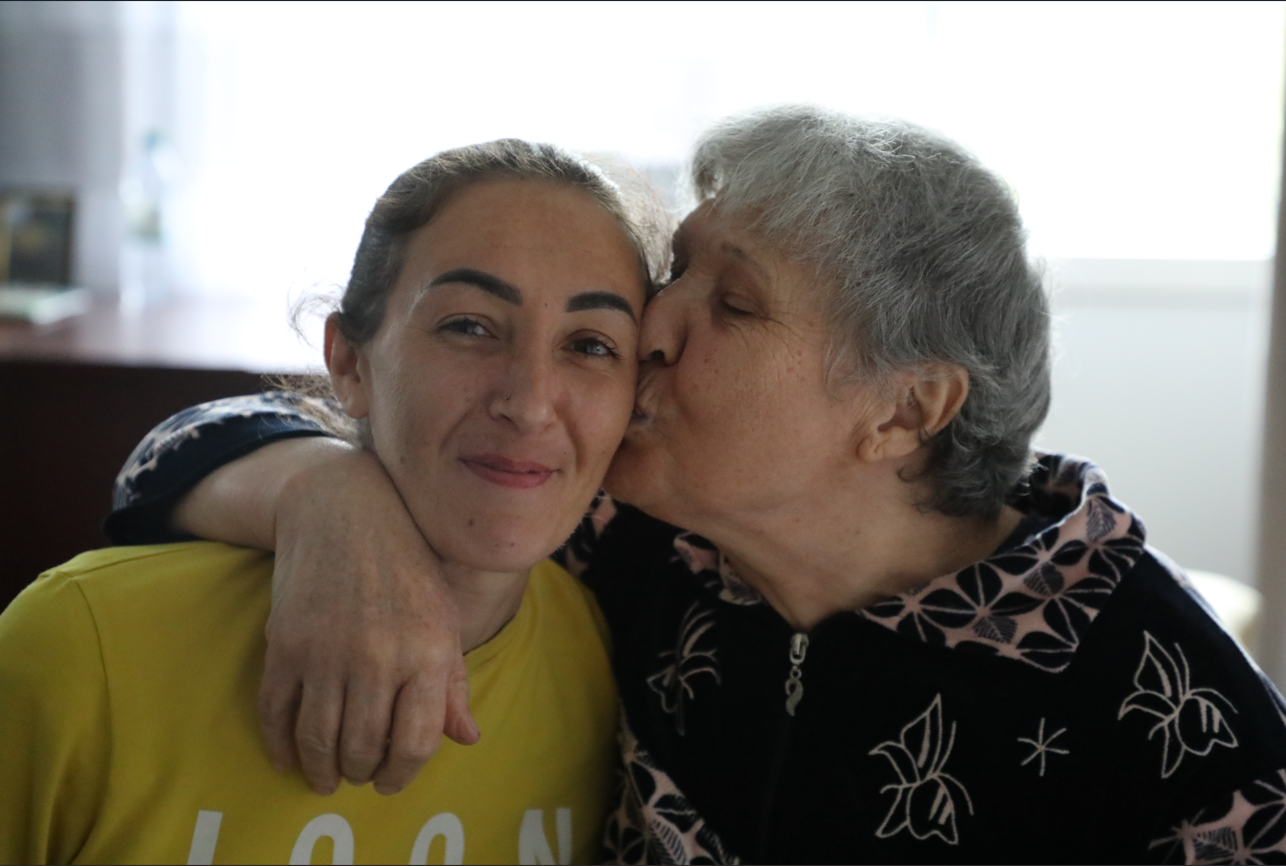
One of the beneficiaries is Anastasia Dobrozjean, a Ukrainian woman who, despite being hit hard by life—literally and figuratively—continues to stand strong, far from home, holding onto the hope that one day she will return safely to her homeland.
Anastasia first arrived in Chișinău in March 2022, just weeks after the escalation of the war. Together with her mother and her two little ones—her son Nichita and her nephew Vitalie—they fled in fear, leaving behind their home and everything dear to them in search of a safe place.
“When we arrived here, it was very hard. At first, we thought we would stay a week, maybe two, and then go back home. Being without your own bed, your own pillow, your own house—it’s difficult, especially for children. They didn’t understand where we were or why we weren’t home anymore. We arrived with just one hundred dollars. Nobody is ever prepared to leave like that, without knowing where or for how long,” Anastasia recalls.
At first, Anastasia and her family were accommodated in a refugee centre. They stayed there for some time before being moved to another one. But as centres began to close, and the war stretched into its fourth year, their situation grew uncertain and worrying.
“You can imagine how difficult it is, especially with children, especially if someone gets sick. When they told us the centre was closing, we had to find a place to live,” she says.
Thanks to the UNHCR-funded C4R programme, implemented by Catholic Relief Services (CRS) in Moldova, Anastasia was able to quickly find a safe home for her family.
©UNHCRMoldova
What is the C4R programme?
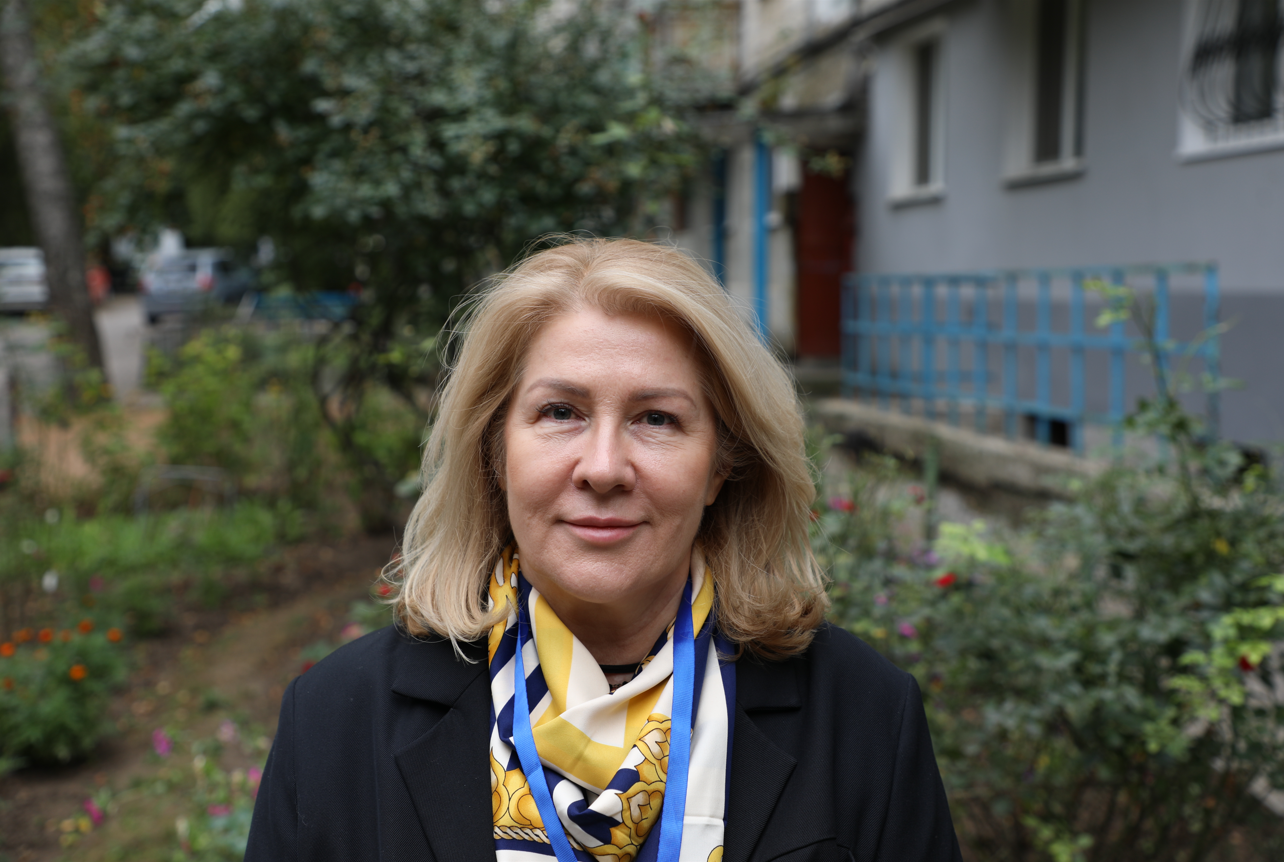
According to Svetlana Cireș, National Project Coordinator at CRS Moldova, the C4R programme, implemented in partnership with Caritas Moldova and with support from UNHCR, provides monthly financial assistance to refugees struggling to cover rent.
The programme ensures families have a safe roof over their heads for up to six months, with the possibility of extension if they remain in a vulnerable situation. During their participation, refugees receive a monthly grant dedicated exclusively to rent and utilities.
This allows families to live in decent housing without the constant fear of eviction. During this time, they can seek employment to secure a long-term income and restart their lives in Moldova, especially as the situation in Ukraine remains unpredictable.
CRS also ensures that rented homes meet safety standards, that legal contracts are signed, and that families have access to essential services such as water, electricity, sanitation, and heating. The programme supports both those renting individual apartments and those living with host families across different regions of the country.
It is designed especially for the most vulnerable. C4R also includes a one-time relocation grant covering transport, basic furniture, or rental deposits, which are commonly required in Moldova.
“I don’t know what we would have done without CRS. It would have been very difficult to find a place on our own, without help or guidance. It’s not easy to look for housing in a foreign country. This is the first time we’ve ever lived in an apartment—before, we always lived with my mother. My husband isn’t involved in our lives, so we manage on our own, and sometimes my brother helps with money. He can’t leave Ukraine—he works there—and I’m taking care of his child, Vitalie, because he’s also alone,” Anastasia explains.
According to coordinator Svetlana Cireș, CRS ensures contracts are clear, rent is paid on time, household items function properly, and no risks exist for either party.
@UNHCRMoldova
“We miss home, but what can we do?”
Anastasia says the children adapted the fastest.
“They don’t understand how serious things are. They just know they need to play and make friends. It helps a lot that we have a place to stay. The apartment has everything we need. I found a job at a supermarket, and the children go to school and kindergarten. Vitalie started first grade this year—I can’t believe we’ve been here this long,” she says.
While Anastasia is at work, the apartment is cared for by her mother—the boys’ grandmother. She says she is happiest when looking after them.
“I’m happy here. People are kind, everyone welcomed us warmly. We have nothing negative to say. We are very grateful to Moldovans—they feel like our own. We are from the Sergheevka region, where many Moldovans used to come to the sanatorium. Anastasia even worked there, so we feel almost at home. There’s no difference,” she shares.
At work, Anastasia feels fully integrated: “Everyone speaks Russian, so it’s very easy for me.”
She doesn’t know how long they will stay. She, her mother, and the children have been in the C4R programme for five months, and her only wish now is to raise her salary so she can keep a stable home for her family.
“We miss home, but what can we do?” Anastasia says with a faint smile.
A step toward rebuilding lives
“After being torn from their normal lives in Ukraine—leaving their homes and fleeing overnight, some even without documents, carrying only their children and a few clothes—these people urgently needed help. They couldn’t remain in constant depression and uncertainty like in the early days when they only needed soap, clothes, and food. As the war continued, refugees began adapting and rebuilding their lives here: children go to school or kindergarten, parents look for jobs, and they strive to integrate into daily life. We continue to support them, within our means, for as long as needed,” says Constantin Cojocaru, representative of Caritas Moldova.

Constantin Cojocaru/Caritas Moldova
“Side by Side” is a UNHCR Moldova communication initiative highlighting the work of partner organizations across the country. The stories and content reflect the contributions and perspectives of those working directly with refugees and host communities.


