



Women of Change: Young refugees leading change in India
Women of Change: Young refugees leading change in India

For young refugees in India, creating opportunities for others is part of building one’s own future.
India is home to 48,320 refugees and asylum-seekers registered with UNHCR, including 8,881 young people aged 18–24, who account for 18 per cent of the registered population. They come from countries across the region and beyond, with the largest registered populations originating from Myanmar and Afghanistan.
For many young refugees, access to higher education, skills development and employment can be limited by financial constraints, documentation requirements, language barriers, and other challenges associated with displacement. Yet young refugees are not only navigating these challenges themselves — many are helping others like them to access opportunities, build confidence, and participate more actively in community life.
Across refugee communities, young people are stepping forward as peer leaders, educators, advocates and volunteers. They support children’s learning, promote women’s health, share cultural heritage, and create livelihood opportunities. Their participation is important not only for their own futures, but also for strengthening the resilience and self-reliance of their communities.
Education and skills development can help create pathways towards greater self-reliance. Since 2003, the Albert Einstein German Academic Refugee Initiative (DAFI) scholarship programme has supported 305 refugee scholars in India, including 23 scholars in 2026, through UNHCR and its partner BOSCO.
In 2026, UNHCR India also launched the Digital Higher Education (DHE) Initiative, which provides refugee and asylum-seeker learners with digital infrastructure, academic support and access to higher education opportunities. A total of 699 young refugee scholars have been supported through DHE activities.
Livelihood support has also helped young refugees access skills training, employment and income-generation opportunities. Since 2023, 1,023 young people aged 18–24 have been supported through livelihood interventions, including 226 in 2026. Support has included vocational training, placements, and assistance for small businesses and income-generating activities across sectors such as IT, medical and paramedical services, beauty and wellness, digital marketing, and bakery and culinary skills.
For young refugee women in particular, access to education, skills and livelihoods can open pathways towards greater independence and participation. Many are using their own skills, experiences and opportunities to create change for others — leading by example and helping build more inclusive and resilient communities.
Keeping culture alive, creating spaces to belong

Zahra speaks at an Afghan cultural event, helping create a space where refugees can celebrate their heritage and strengthen their sense of belonging.
For Zahra, culture is more than a connection to the past — it is a way to help young refugees navigate the future through building confidence and a sense of belonging.
An Afghan refugee and DAFI Scholar studying Psychology, Zahra helps organize cultural programmes and creative workshops that bring Afghan refugees together, particularly women and young people. With support from the Government of Germany, UNHCR and its partner BOSCO, the DAFI programme provides assistance with tuition fees, study materials and living expenses, as well as life-skills training and capacity-building opportunities.
Zahra also provides translation support in Dari, Hindi and English, helping refugee families navigate language barriers when accessing services and communicate more easily in their daily lives.
For Zahra, leadership means creating opportunities for others to find their voice. She hopes to become a psychologist and continue supporting refugee youth and women through education, community engagement and initiatives that promote inclusion and well-being.
Finding her voice, inspiring others to dream

At 19, Dishatana has already achieved something many aspiring singers dream of: becoming the first runner-up on Super Singer in 2026.
A Sri Lankan refugee and physiotherapy student in Chennai, Dishatana grew up in a refugee camp before her family moved to the city. She continued pursuing music alongside her studies, investing earnings from performances in singing lessons.
Her achievement on Super Singer was the result of years of persistence. But for Dishatana, success is not only about her own journey.
She now mentors aspiring singers and has coached four students at a nominal fee, helping make music training more accessible to young people in her community.
At a UNHCR-SICCI (Southern Indian Chamber of Commerce and Industry) event in Chennai, she reflected on what her journey represents for other refugees:
“My journey shows that being a refugee does not stop you from dreaming.”
She hopes to build a future in both healthcare and music while encouraging other refugee youth to pursue their talents and ambitions.
Turning education into action
Noor teaches Rohingya children, supporting their English-language learning and helping them stay engaged in their education
For Noor Jahan, education is the ticket to the future.
Growing up as a Rohingya refugee, Noor experienced barriers that can limit educational opportunities, including language difficulties and the challenge of rebuilding life in a new community.
In 2024, she became a DAFI scholar, enabling her to pursue a bachelor’s degree while expanding her community volunteering work.
She has since used her education and leadership skills to support others. Through her DAFI Social Project, Noor conducts menstrual hygiene and women's health awareness sessions for adolescent girls and women; safe spaces to discuss issues often surrounded by stigma.
She also teaches Rohingya children, helping them improve their English, complete their homework and invest in their studies. Her translation and interpretation support helps families communicate and access essential services.
Noor hopes to expand educational opportunities for refugee children while advocating for women's education, health and community development.
Helping the next generation keep learning

Susan at the school where she supports refugee children in their learning and growth.
Susan Van Hnem Par believes education can help refugee children to build a better future.
Originally from Myanmar's Chin community, Susan has experienced much disruption and hardship in her life due to having lost her home to war. Seeing the educational challenges faced by refugee children from her community inspired her to become a teacher.
A DAFI scholar since 2023, Susan is pursuing a bachelor’s degree in psychology while working as a teacher and Acting Vice Principal at a school in Delhi.
She teaches students across several grades and subjects and also provides additional tuition to younger children who need academic support.
Susan encourages refugee families to prioritise education, particularly for girls. For her, teaching is not simply about academic lessons. It is about helping children build confidence and believe in their own potential.
She hopes to continue advancing her education and mentoring more refugee children and young people.
Championing health, inspiring change

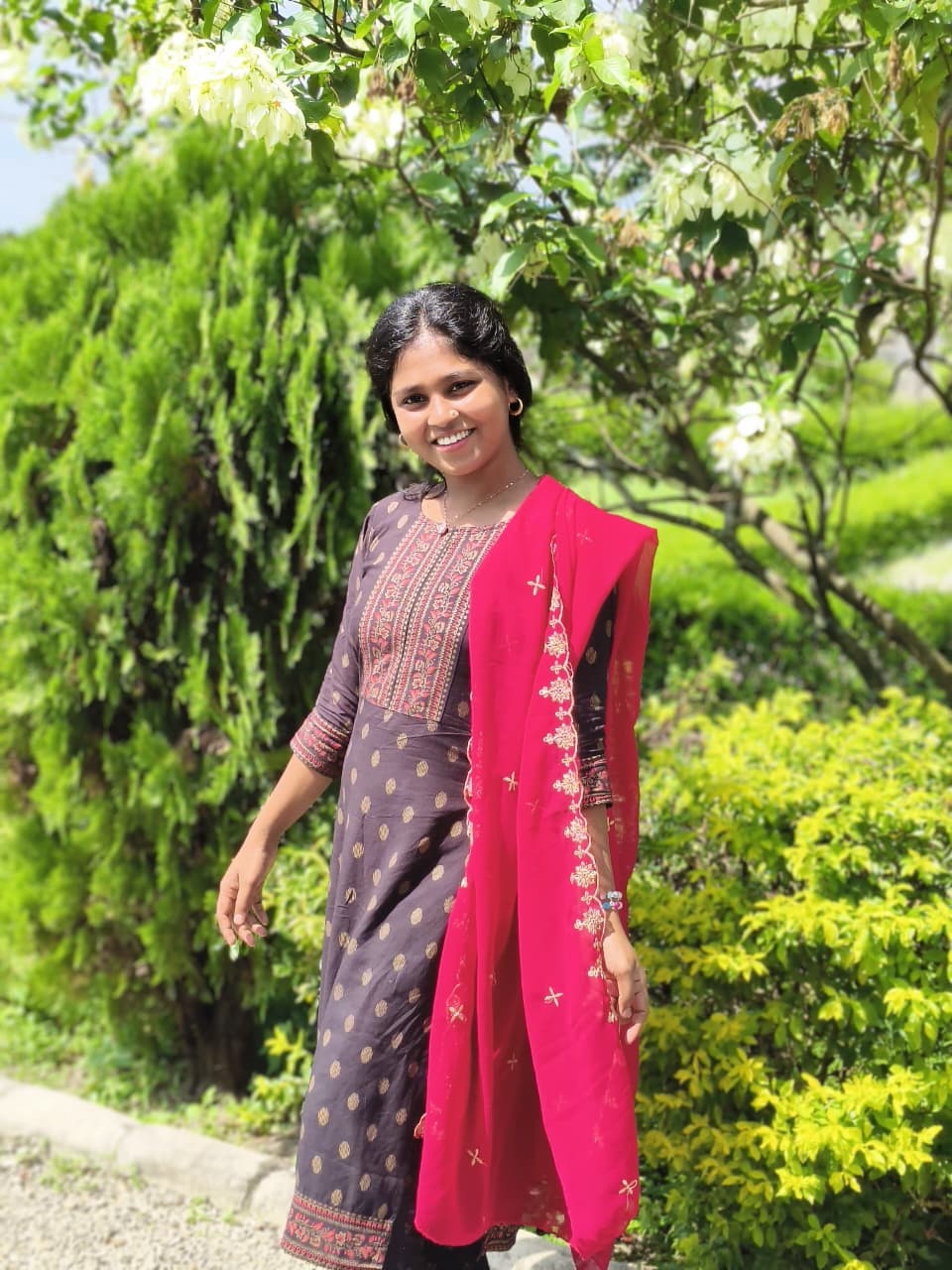
Sadiya uses her education and leadership to advocate for refugee health, women’s well-being, and community development.
For Sadiya, education is a powerful tool to build resilience, break cultural barriers and protect vulnerable lives.
A Rohingya refugee, Sadiya stood firm against early marriage pressure to pursue her education, balancing night studies with community action. Impacted by the language barriers and health crises she witnessed around her; she stepped up as a youth champion to bridge critical gaps in maternal care. Her impact has been profound. Overcoming resistance, Sadiya has personally guided over 50 refugee women through safe hospital deliveries, serving as a vital translator and advocate during emergency maternal care.
"I could not stand to see them struggle because they could not communicate," Sadiya says.
As a Barefoot Counselor (a trained community member who provides basic emotional and psychosocial support) and health volunteer, she now leads project initiatives delivering antenatal and postnatal care awareness to 100 women, alongside conducting emotional support sessions for families. Having completed her intermediate education while serving as a youtleader in her community, Sadiya's journey highlights the extraordinary impact youth champions can have when given the opportunity to lead.
Weaving skills into opportunity

Mizan supports women from refugee and host communities through Fibre Art training and livelihood opportunities.
For Mizan, a passion for crochet has become a way to create opportunities for other women.
With training and support from UNHCR and its partners, Mizan, a Rohingya refugee, transformed her childhood passion for crochet into a viable enterprise. She strengthened her skills in design, product development and digital marketing, laying the foundation for “Fibre Art”, a small but growing livelihood initiative.
What began as a personal craft has evolved into a structured livelihood activity, enabling Mizan to generate income and build confidence. She now also trains women from both refugee and host communities in crochet and fibre art techniques, creating a shared space for learning, collaboration and inclusion.
For Mizan, the initiative goes beyond creating products. By sharing her skills, she is helping other women develop livelihoods, gain confidence and connect across communities.
Her journey shows how a skill, when shared, can become a pathway to opportunity for others.
Shaping what comes next
Their paths are different, but their ambitions extend beyond themselves.
Dishatana is using music to inspire other young people to aim high and with ambition into a better future. Zahra is creating spaces for cultural expression and belonging. Noor is supporting girls and children through education and health awareness. Susan is helping refugee children stay on the path to education. Mizan is sharing skills that can create new livelihood opportunities.
Together, their stories offer a powerful reminder: when young refugees have opportunities to learn, create and lead, they can become agents of change in their own but also broader local communities. They are not only building their own futures. They are helping shape a kinder and more inclusive future for all.
Related news and stories


