
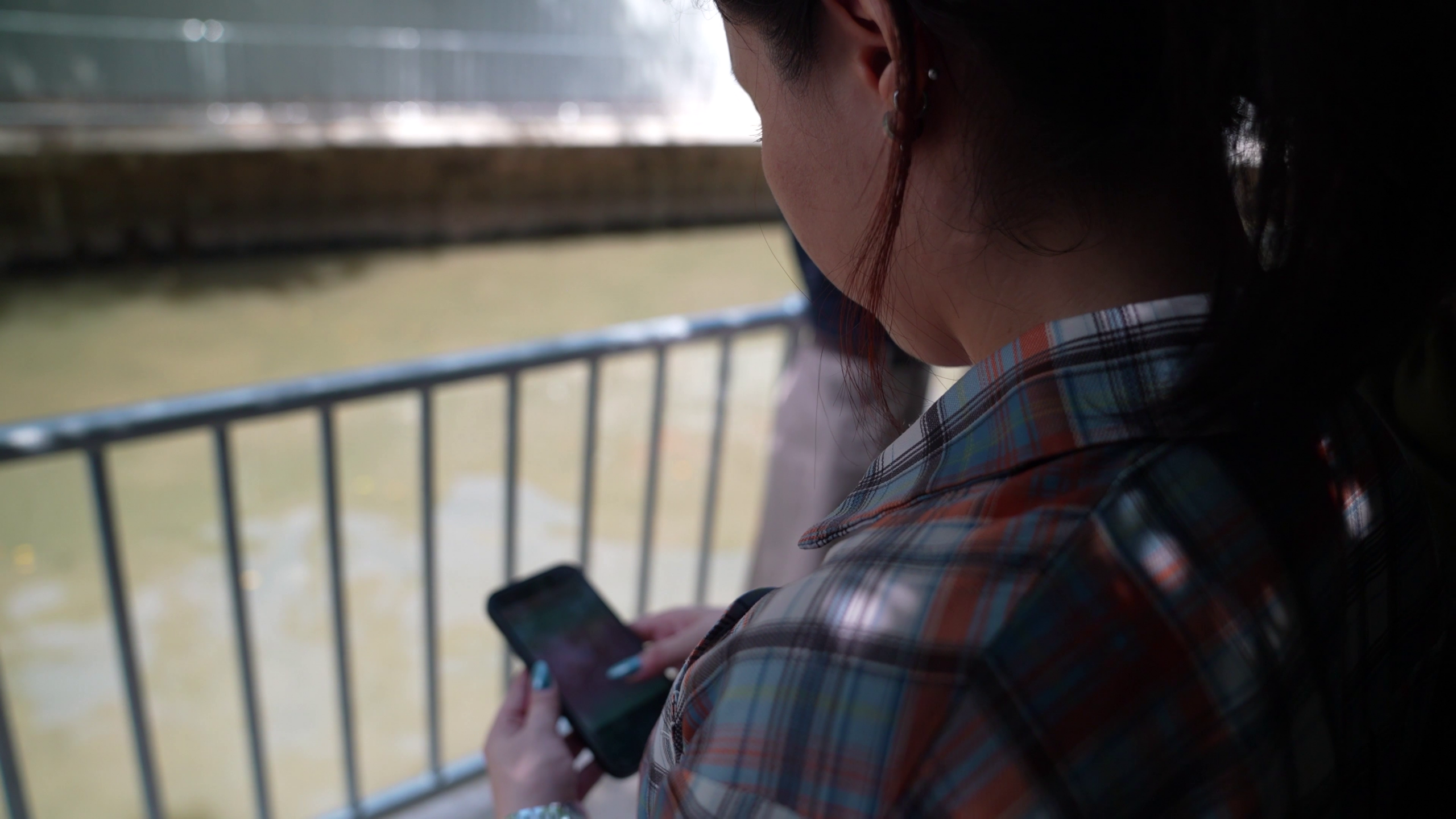
A refugee volunteer in Thailand using CareLine for the first time © UNHCR/Cara Cox
When people are forced to flee their homes, access to timely, reliable information is vital. Whether seeking initial help for their specific cases or updates, information about services, or guidance on issues they’re facing, refugees and asylum-seekers need clear and accessible channels of communication with organizations like UNHCR.
Every month, UNHCR receives thousands of emails from refugees and asylum-seekers looking for information, assistance, and support. Processing these inquiries takes significant time as teams review, sort, and route emails to appropriate colleagues before a response can be provided.
As a refugee volunteer in Thailand explained, the wait can be difficult. People often wonder whether their message was received and whether anyone has heard their concerns.
To help strengthen this, UNHCR’s Regional Bureau for Asia and the Pacific, together with the Innovation Service, developed CareLine – an AI-enabled solution designed to improve communication between refugees and the organization while keeping people firmly at the centre of every decision.
CareLine helps UNHCR manage incoming inquiries by identifying potential duplicates, categorizing requests, and supporting triage. By streamlining these administrative tasks, the system enables requests to reach the right teams faster and allows staff to focus on responding to people’s specific needs.
For refugees, CareLine helps reduce uncertainty through clearer communication and confirmation that requests have been received, giving people better access to information and greater visibility over the status of their inquiries. In humanitarian contexts, even a simple acknowledgement can help reduce anxiety and reassure people that their concerns are being heard.
Responsible and ethical AI is at the core of this initiative. CareLine is designed as a support tool, with human oversight remaining central throughout the process. All decisions affecting individuals continue to be made by UNHCR personnel in line with established protection standards and accountability frameworks.
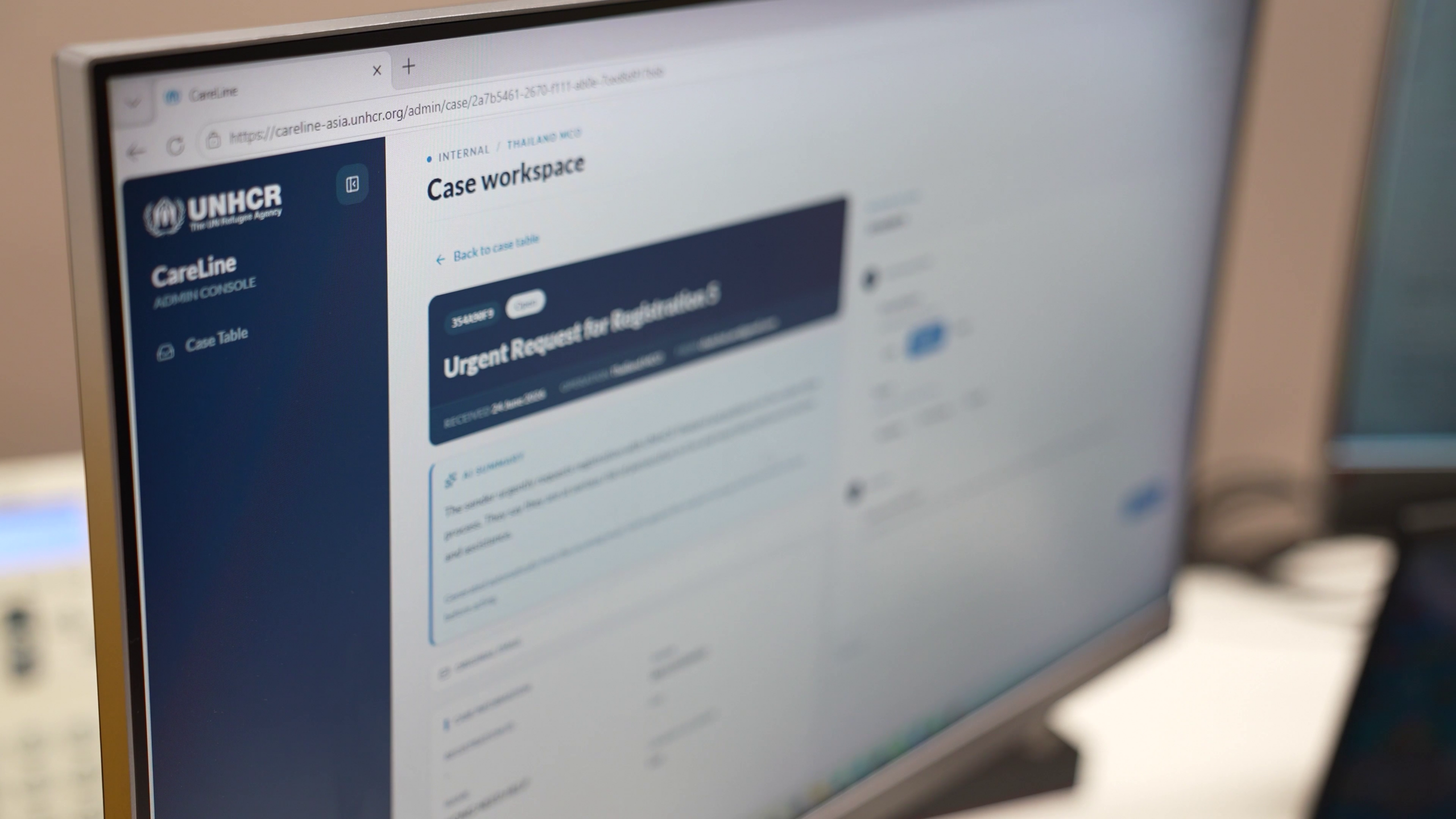
CareLine’s interface for UNHCR staff © UNHCR/Cara Cox
CareLine reflects a broader vision for humanitarian innovation. As highlighted by UNHCR ahead of the AI for Good Global Summit in Geneva, responsible AI can help humanitarian organizations respond more effectively and better support displaced communities, provided it is grounded in human rights, transparency, and meaningful participation.
Ultimately, CareLine is not about technology for technology’s sake. It is about helping refugees access information more easily, reducing uncertainty, and enabling humanitarian workers to devote more time to protection and community engagement. By combining innovation with human judgement and empathy, CareLine shows how AI can be used responsibly to strengthen humanitarian action and better support the people at its heart.
Read more about the Data Innovation Fund which is funding this project and see video on CareLine here: