
Connectivity rarely appears in images of humanitarian response. Yet without it, aid cannot move at the speed emergencies demand.
In eastern Chad, people continue to arrive each day, fleeing from neighbouring Sudan, spreading across a vast and remote border region. Delivering assistance at this scale requires more than supplies and personnel; it depends on the ability to stay connected.
Through the Refugee Emergency Telecommunications Sector (RETS), UNHCR, the UN Refugee Agency, works with governments and private sector partners to provide the connectivity and communication services that underpin humanitarian response. These services enable UN agencies, NGOs and other humanitarian responders to coordinate and deliver assistance while helping connect people forced to flee to essential services and support.
When humanitarian teams stay connected, response efforts can reach further and move faster. Teams can coordinate across locations, register and support newly arrived families, deliver cash assistance and adapt as needs evolve. But connectivity also expands what is possible, linking operations to outside expertise, capacity and support beyond those physically present on the ground.
This video highlights how those partnerships are helping support operations in eastern Chad and demonstrates a simple but essential reality: in humanitarian response, connectivity is not a luxury… it is a lifeline.
More about RETS…
UNHCR’s Refugee Emergency Telecommunications Sector (RETS) works globally to bring connectivity and communications services to humanitarians, refugees and host communities.
RETS connected sites
Supported countries
Organizations connected
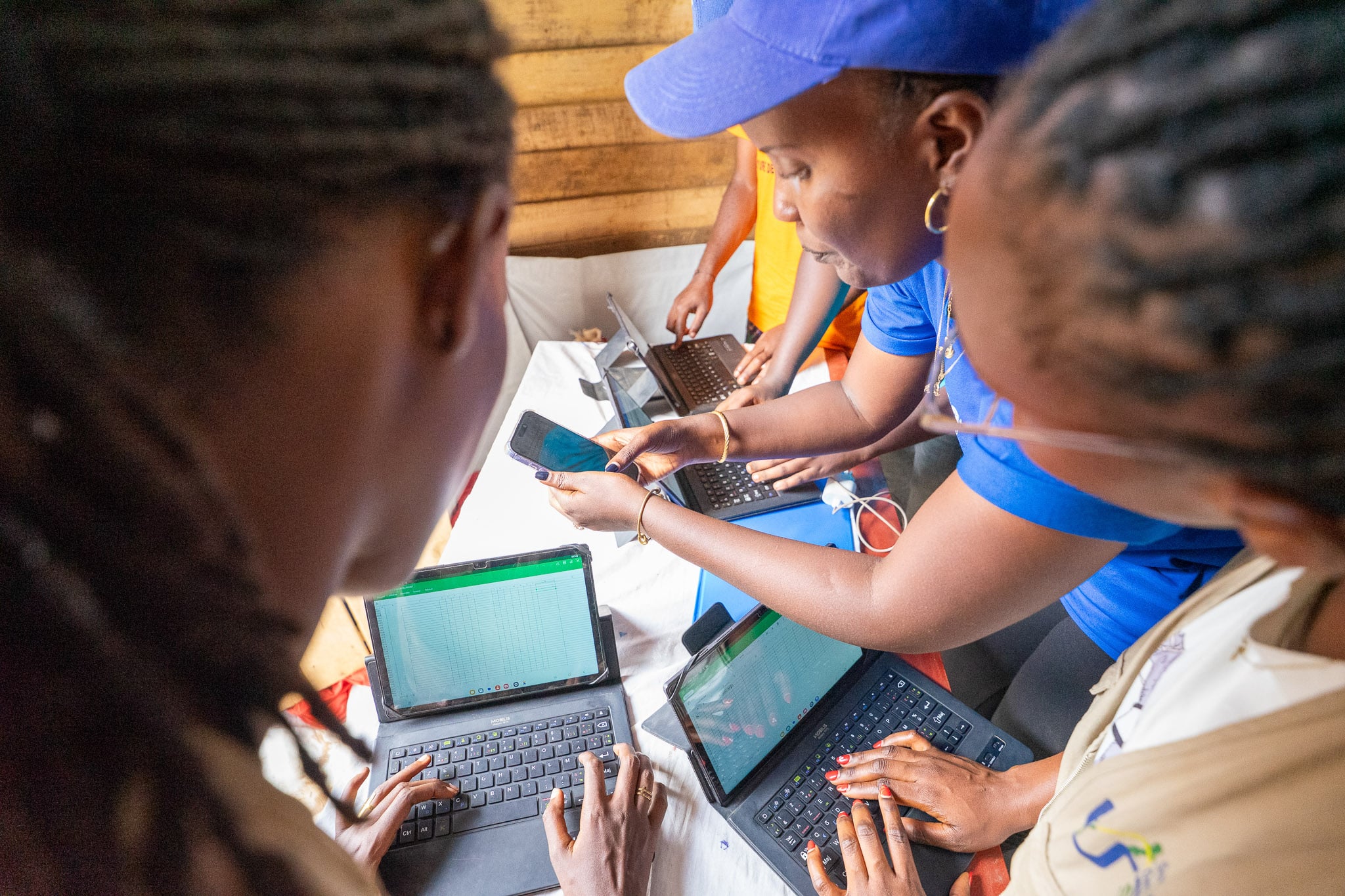
© UNHCR/ Ivo Belohoubek
Made possible through partnership
We couldn’t do this work without the generous support of our private and public sector partner. Their funding, technology and expertise are making an impact globally with RETS.
Interested in supporting RETS or learning more? Get in touch below.