
A new chapter for Afghan returnees: gains, gaps and the long road ahead
A post-return monitoring survey shows Afthan returnees gain jobs and earnings over time, but many still face gender gaps, unmet needs, and rising debt.

A post-return monitoring survey shows Afthan returnees gain jobs and earnings over time, but many still face gender gaps, unmet needs, and rising debt.
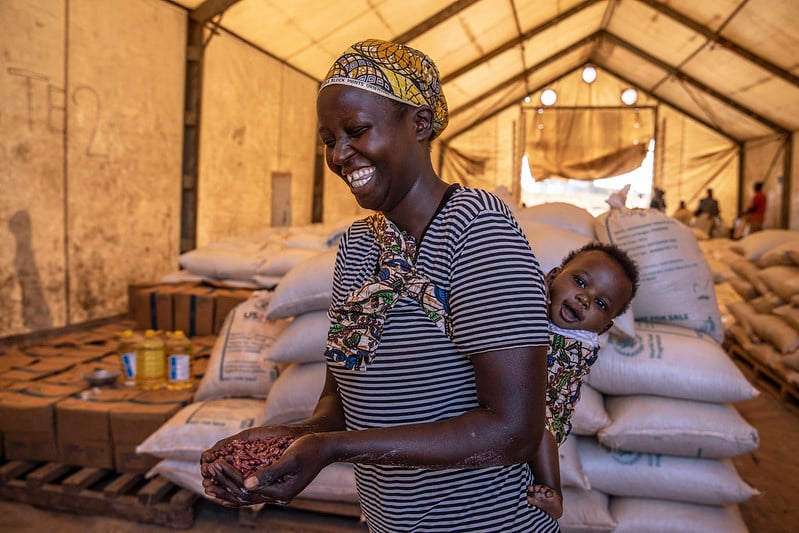
It is common practice for UNHCR, the UN Refugee Agency, and WFP, World Food Programme, to collaborate in some of the world’s most difficult humanitarian responses. While UNHCR is mandated to protect those forced to flee, WFP is responsible for delivering food and life-saving assistance in emergencies and protracted refugee situations. The two organizations work together to serve the most vulnerable populations. As part of this collaboration, UNHCR and WFP may need to exchange some information on the forcibly displaced populations to ensure they receive targeted food assistance in a dignified manner.
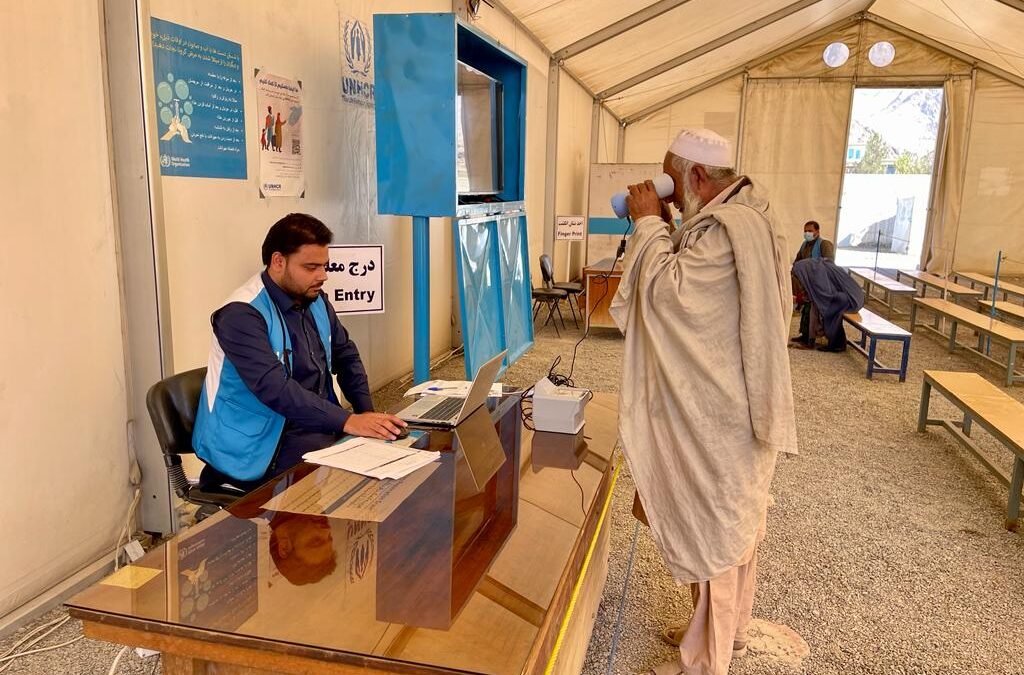
Forced displacement in Afghanistan is a multi-faceted situation within the country’s 40 years of protracted conflict. Furthermore, thousands of people are impacted by natural disasters, including earthquakes. This complex situation has led to an increased number of people becoming displaced both within the country and into neighboring countries. At end of November 2023, there are 7.7 million Afghans in Iran and Pakistan, including registered Afghan refugees and Afghans in refugee-like situations . At the same time, and despite the difficult situation, people still repatriate to their country of origin.
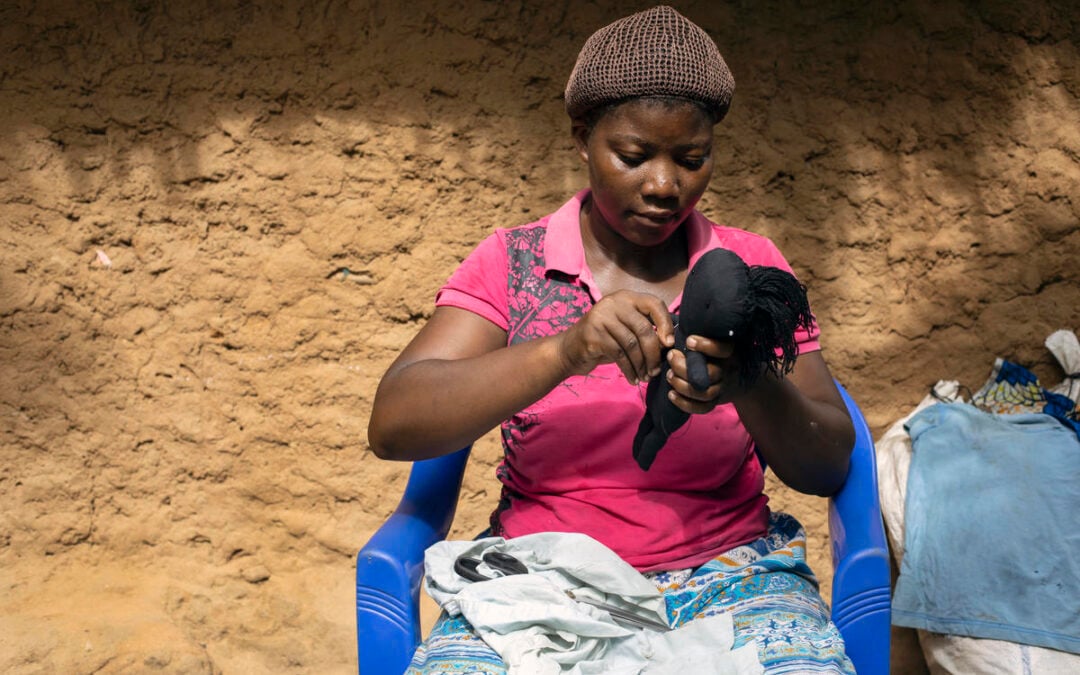
An impact evaluation shows significant socioeconomic benefits among refugees and hosts who participated in a graduation programme in Mozambique.
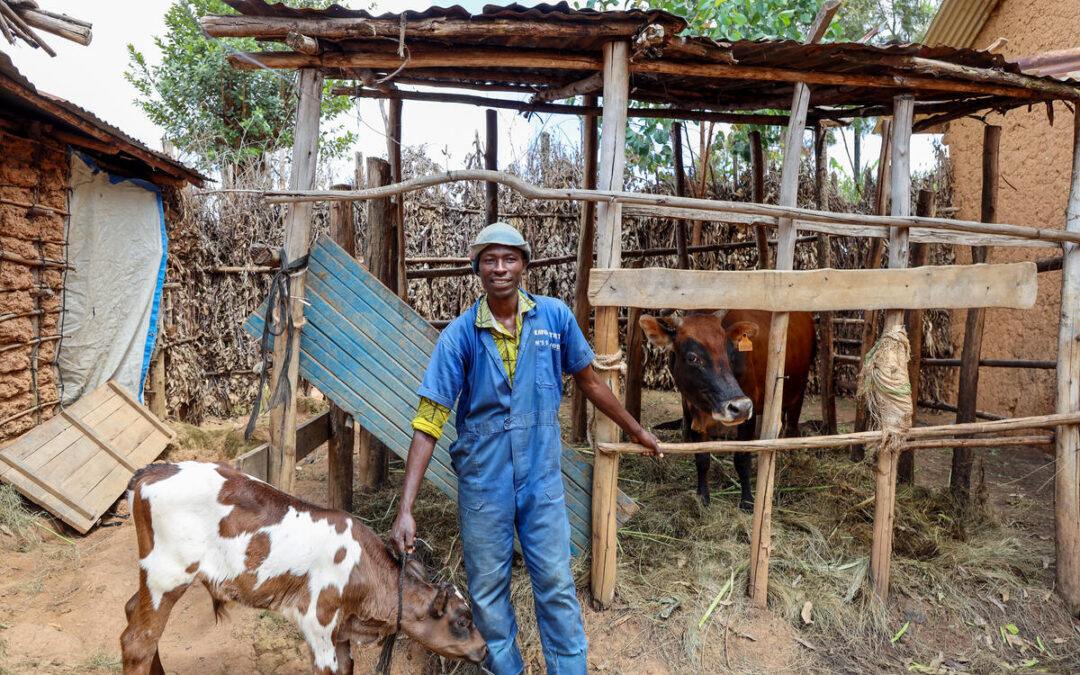
Supporting the economic resilience of refugees is a central piece of the global effort to meet the SDGs.

On World Cities Day, UNHCR celebrates the mayors and local authorities who show solidarity with their refugee, internally displaced and stateless residents.
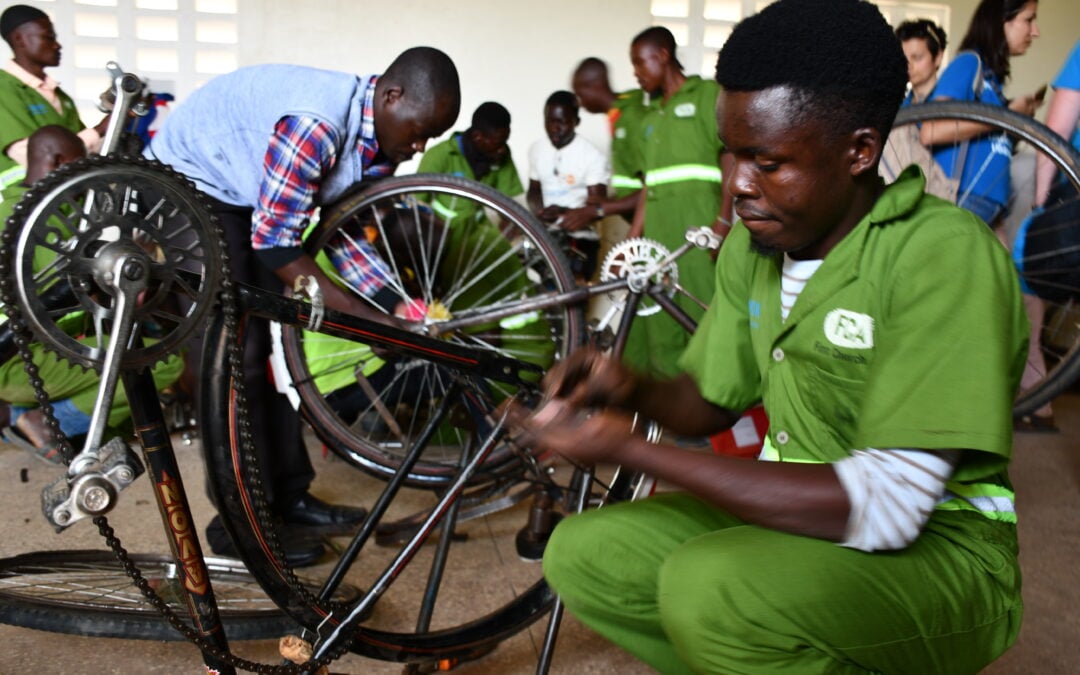
A UNHCR study in Uganda proposes stronger action linking youth to the labour market, among other policy steps to improve outcomes for refugees and Ugandan host communities.
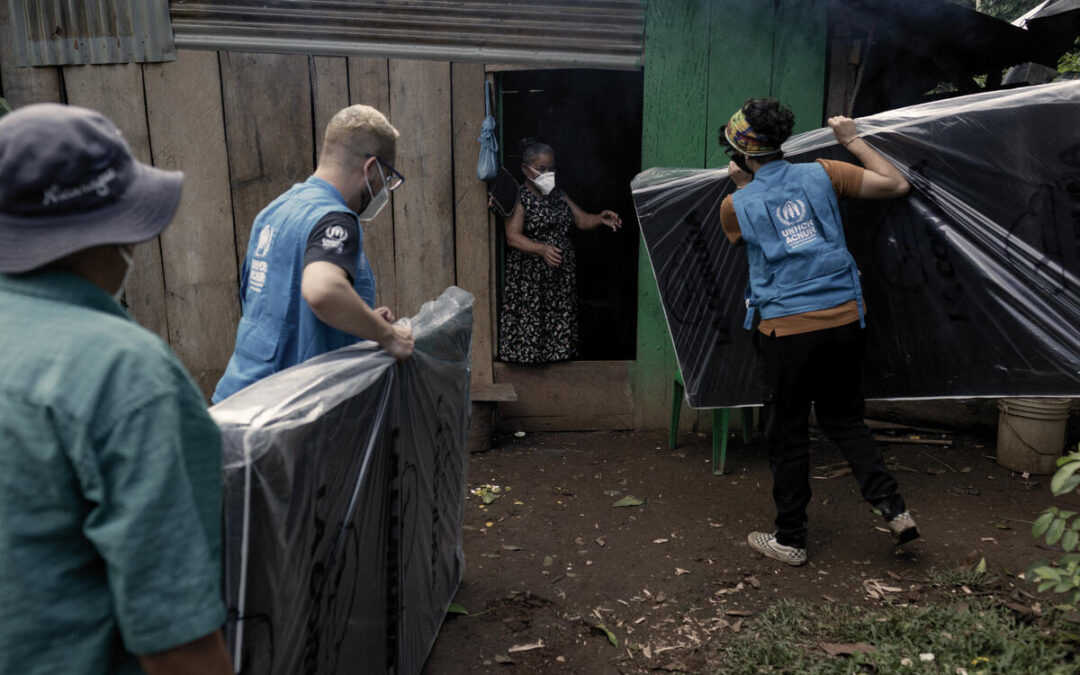
Los resultados de la encuesta confirman los diagnósticos operacionales y proporcionan evidencia crítica sobre las áreas en las que se debe incrementar el enfoque programático: medios de vida, eliminación de la inseguridad alimentaria y fortalecimiento del acceso a los servicios esenciales.
High-frequency surveys back up UNHCR’s operational assessment that displaced persons need more support to overcome socioeconomic obstacles while seeking refuge in Costa Rica.