
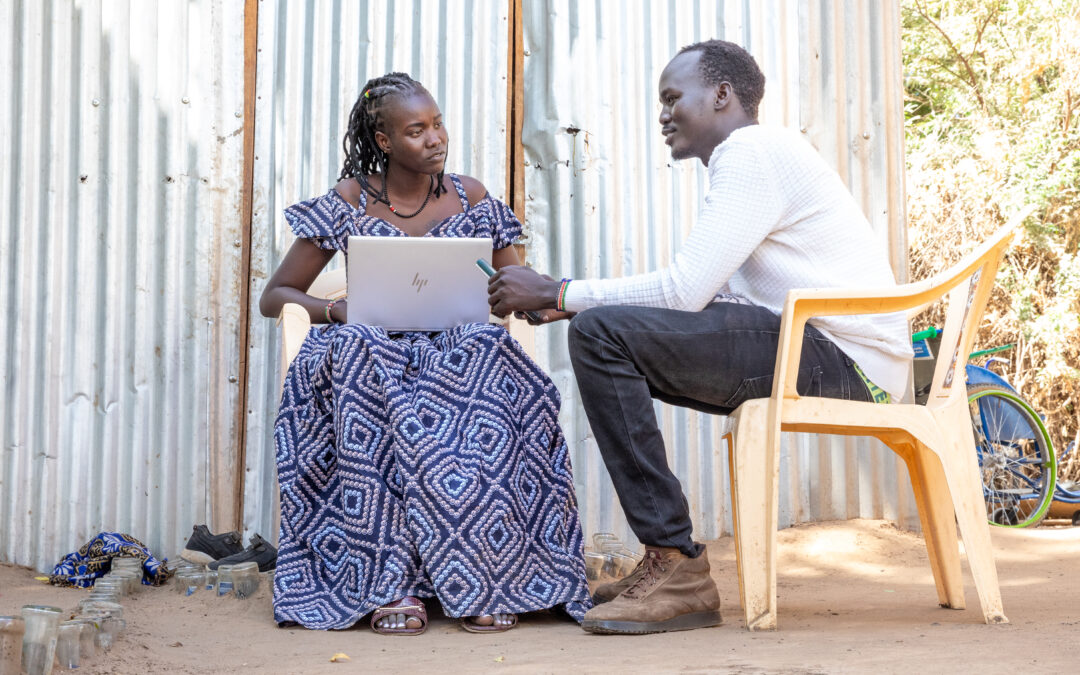

LISA: transforming refugee verification through self-service
By Simon Pierre Diouf and Kelvin Miami A refugee reads the privacy notice before proceeding with verification. © UNHCR/Arnold Snell UNHCR’s Regional Bureau for the East and Horn of Africa and the Great Lakes (EHAGL) is piloting a new self-service kiosk application...
Measuring absorption capacity: a new tool for inclusive response and integration planning in South Sudan
As displacement continues to evolve across South Sudan and the region, a new methodology offers a scalable model for action – placing evidence at the heart of reintegration planning by linking service quality, capacity benchmarks, and new arrival data.

« Maintenant, j’existe » : les réfugiés au Tchad reçoivent un numéro d’identification national
By Simon Pierre Diouf and Mohamed Doumbia Lancement de l’opération d’enrôlement en vue de la délivrance des titres sécurisés aux réfugiés résidant au Tchad. ©UNHCR/Aristophane Ngargoune Un projet novateur visant à améliorer l’inclusion socio-économique des...
“Now I Belong”: refugees in Chad receive national ID numbers
By Simon Pierre Diouf and Mohamed Doumbia Launch of the enrollment operation for the issuance of secure documents to refugees residing in Chad. ©UNHCR/Aristophane Ngargoune Chad has launched an ambitious new initiative to help refugees better access essential services...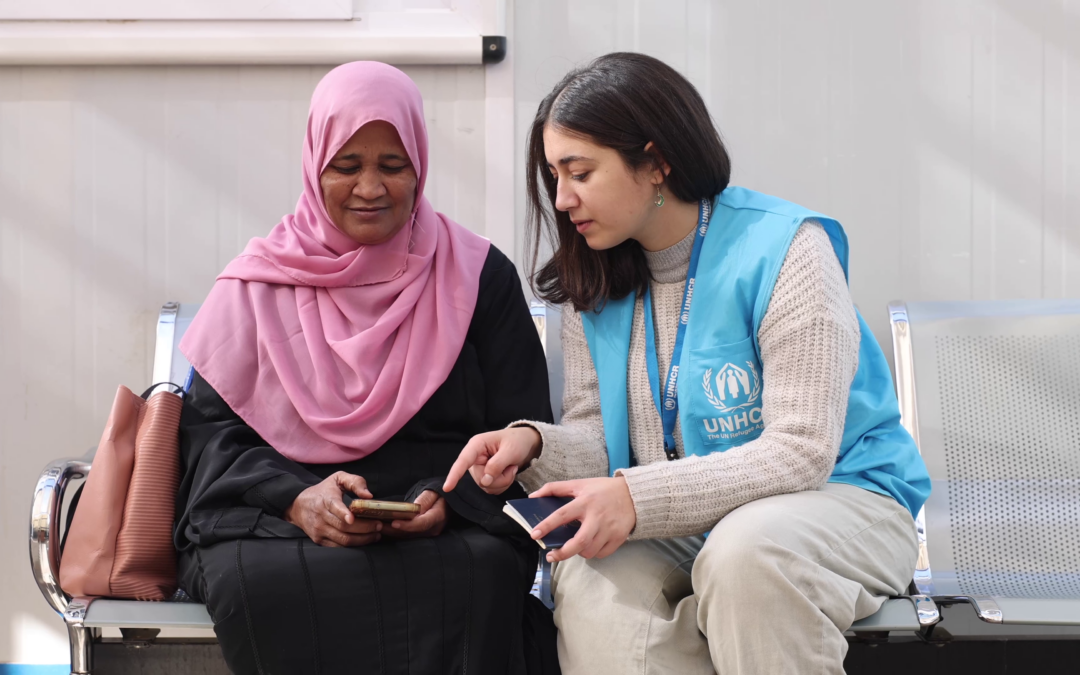
Revolutionizing refugee registration: The Digital Gateway in Egypt
By Simon Pierre Diouf and Raad Shaqman A Sudanese asylum-seeker is being assisted by a UNHCR staff member to use the new registration tool. ©UNHCR/Pedro Costa Gomes In August 2024, UNHCR Egypt launched the Digital Gateway to address the growing demand for registration...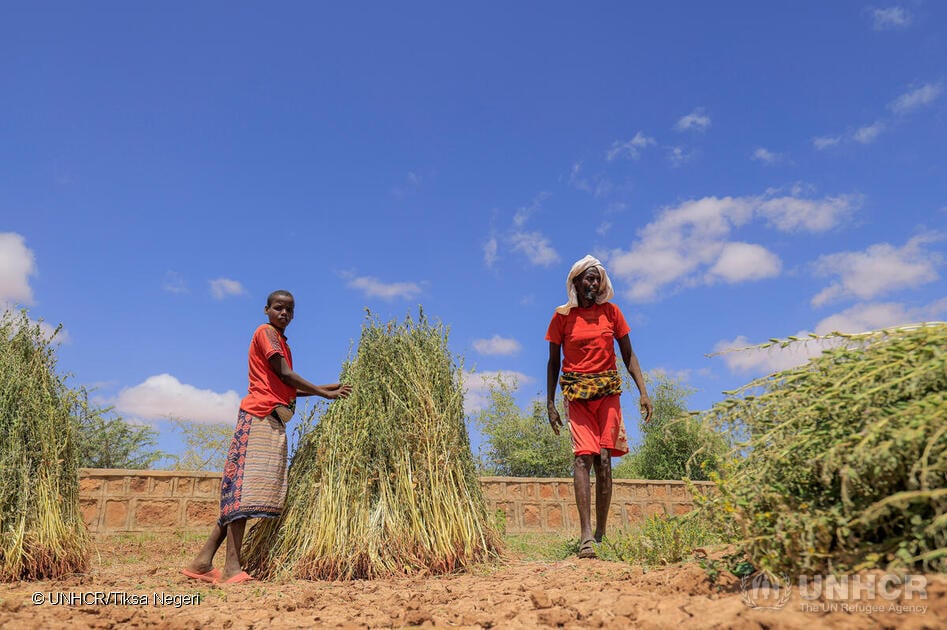
East, Horn, and Great Lakes of Africa: Leveraging Data for Sustainable Refugee Responses
By Jed Fix, Masud Rahman, Dr. Atinkut Mezgebu Wubneh, and Alessandro Nava Noor Ibrahim Isak, 67 harvests Sesame with his son, Hussein Noor Ibrahim, 15, at Kobe agricultural farm for the refugees and the host community in Kobe, Somali region of Ethiopia. ©UNHCR/Tiksa...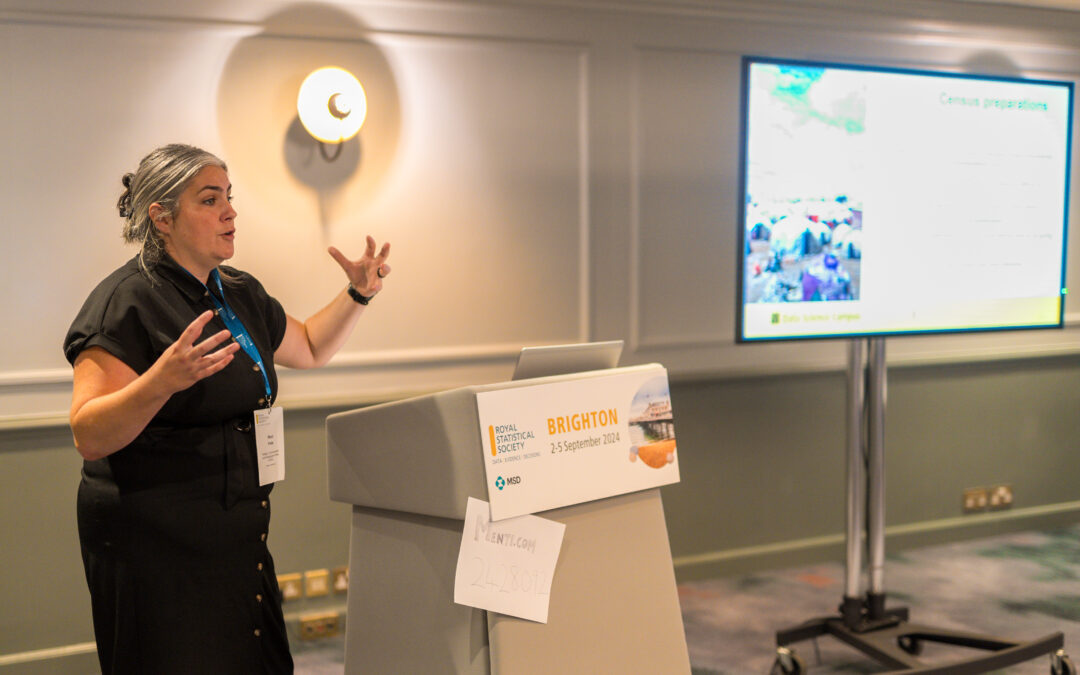
Innovation and partnerships to improve socioeconomic data on forced displacement
Nicci Potts, ODA Programming and Partnerships Lead Adviser, UK Foreign Commonwealth and Development Office, at the Royal Statistical Society Conference 2024. By Sarchil Qader, Nicci Potts, Giulia del Panta and Paddy Brock We don’t have time for business as usual....
Costa Rica’s refugee and migrant workers: a boost for growth
Despite challenges like informality and wage gaps, the contribution of refugees and migrants to Costa RIca’s labour force has been significant to Costa Rica’s economic growth.

Inclusion of Forcibly Displaced and Stateless Persons in National Statistics
Forcibly displaced persons, including refugees and internally displaced people (IDPs), as well as stateless persons are frequently underrepresented or invisible in national data. However, realiable and nationally owned data is vital to guide effective national policies and decisions that foster the inclusion of forcibly displaced and stateless persons around the world. Statistical inclusion of forcibly displaced and stateless persons refers to the process of systematically including these groups in national data production systems such as population and housing censuses, administrative registers or nationwide household surveys.