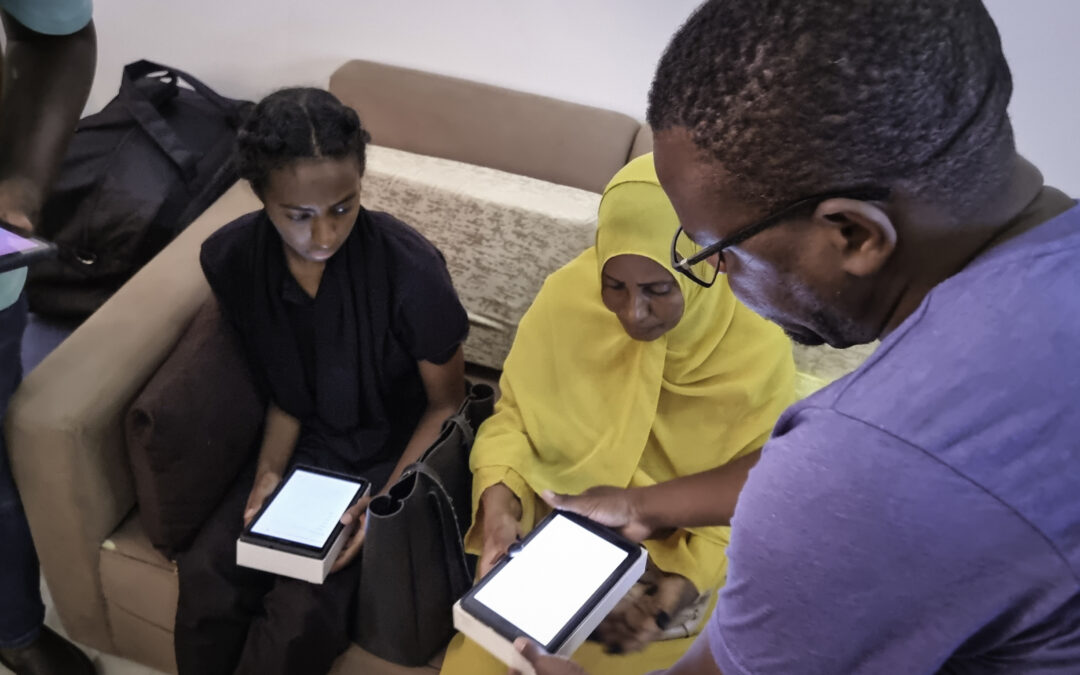

“Now I Belong”: refugees in Chad receive national ID numbers
By Simon Pierre Diouf and Mohamed Doumbia Launch of the enrollment operation for the issuance of secure documents to refugees residing in Chad. ©UNHCR/Aristophane Ngargoune Chad has launched an ambitious new initiative to help refugees better access essential services...
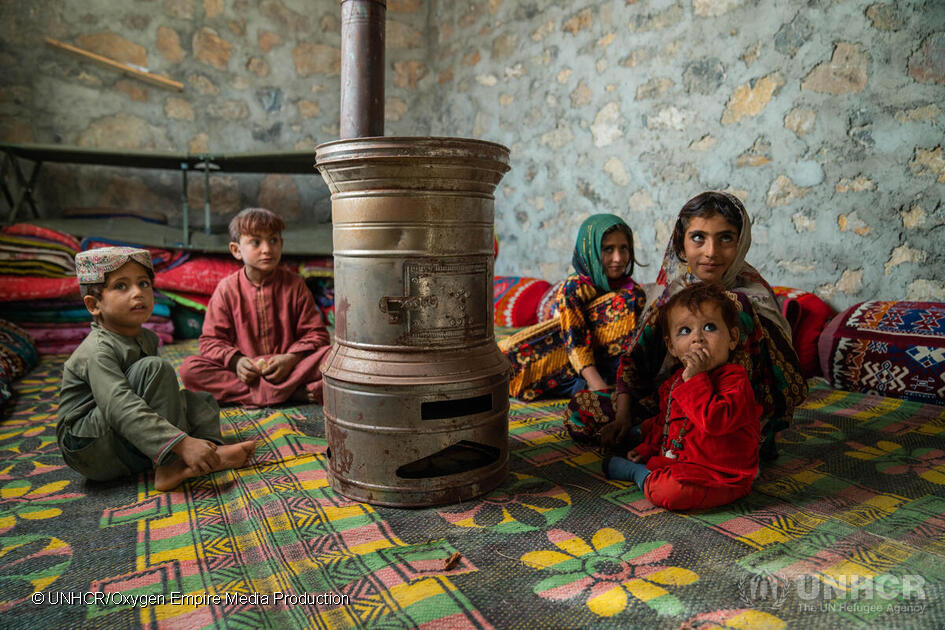
Welcoming the REP Fund’s External Advisory Team
By Pilar Pedrinelli, REP Fund Manager The Refugee Environmental Protection (REP) Fund was established to place displaced communities at the centre of nature restoration and sustainable resource management. By connecting reforestation and clean cooking projects to...
Digital humanitarians: the ITHACA project
By Heather Faulkner “When you depart for Ithaca, may your road be a long one, full of adventure and full of knowledge.” The opening lines of Constantine P. Cavafy’s 1911 poem, “Ithaca”, have served as inspiration to the 11 partner institutions,1 working together since...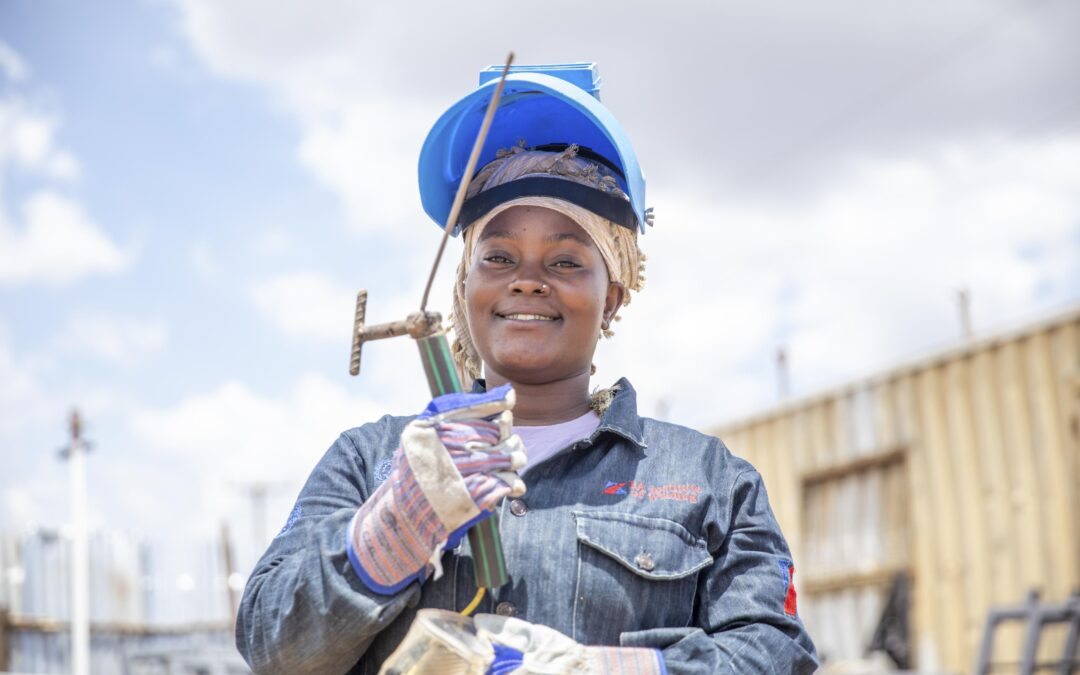
Safeguarding refugee rights in business
In a world where over 120 million people have been forced to flee because of violence, conflict, persecution and increasingly climate-related emergencies, businesses have a unique and vital role to play in safeguarding the human rights of forcibly displaced people.
UNHCR’s Engagement in Situations of Internal Displacement: Progress, Challenges, and the Road Ahead
Internal displacement globally has grown by over 110% in the past decade and is anticipated to double again by 2030. UNHCR commissioned a strategic thematic evaluation of its engagement in internal displacement situations, with the aim of generating evidence to...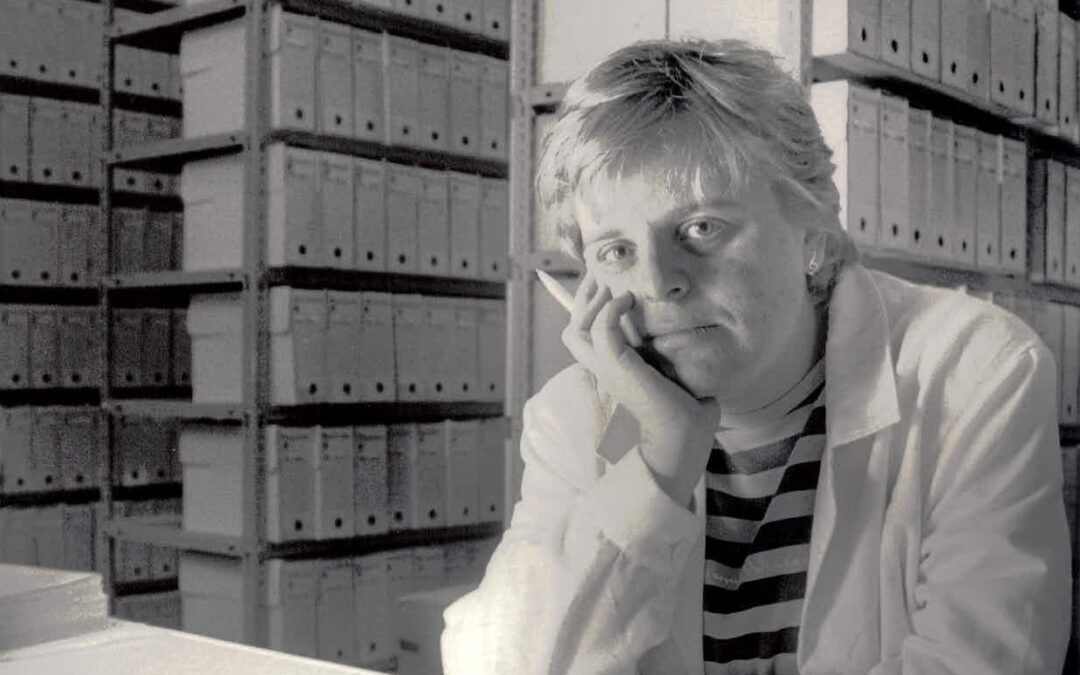
Archiving a Cherished Chapter: Celebrating Montserrat’s Retirement at UNHCR
By Motahareh Mohebi[1] “She balances creativity and a positive “can-do” attitude so perfectly.” “Always ambitious and never taking no for an answer.” “Visionnaire, enthousiaste, intelligente, instruite, courageuse, persuasive, positive et tenace, elle a su...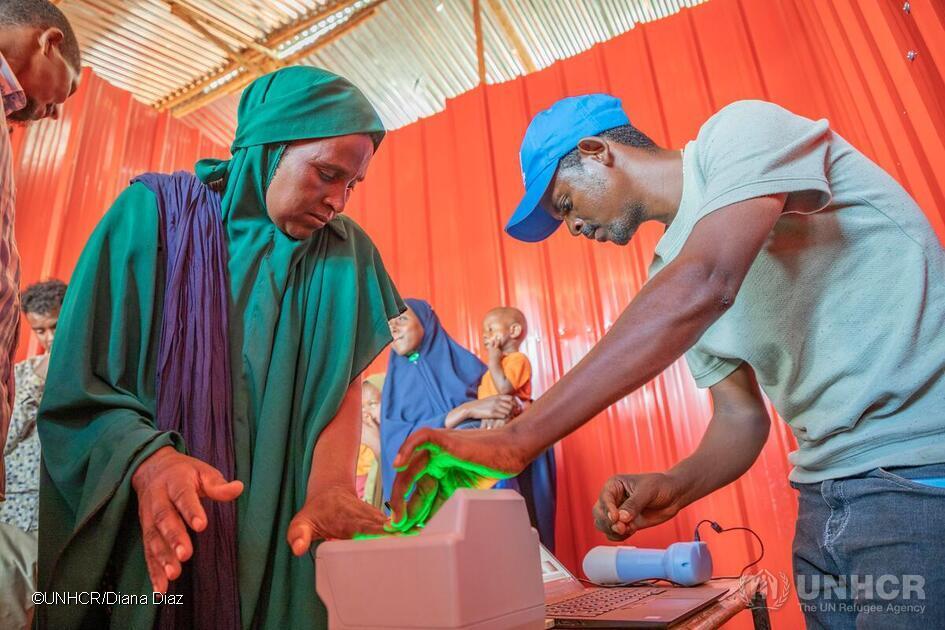
Biometrics innovation: Transforming the way we collect fingerprints at UNHCR
In 2002, UNHCR introduced biometrics, and leveraged the technology to manage the identity of the people it serves effectively. By capturing up to 10 fingerprints, 2 irises and a face photo during the initial encounter, biometrics play a crucial role from confirming an individual’s physical presence to providing assistance. UNHCR’s Biometric Identity Management System (BIMS) serves a diverse user base including UNHCR staff, partners, governments, and soon refugees themselves through self-service applications, all in a user-friendly manner. While BIMS has undergone countless improvements throughout the years, the biometric scanner devices used have remained largely unchanged.