
Data Blog
Advancing the collection and use of data to inspire solutions for forced displacement

Bridging classrooms: teacher-led innovations on the front line and global lessons on refugee education
Teachers step up when formal systems fall short, according to global evidence that shows what works in refugee education.
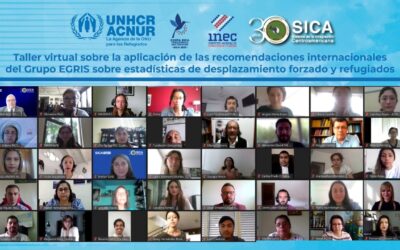
EGRIS International Recommendations: Dissemination in Central Americas
On the 7th and 8th of June 2021, UNHCR together with CENTROESTAD-SICA convened a virtual workshop on ‘The Implementation of the International Recommendations on Forced Displacement Statistics of the Expert Group on Refugee and IDP Statistics (EGRIS)’ with the objective to raise awareness on the international recommendations and discuss their implementation in the region.
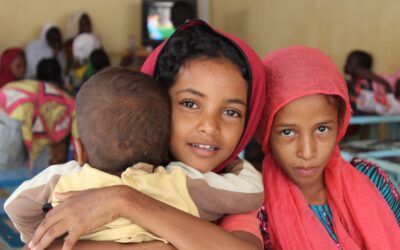
Investment in comparable socioeconomic data for forcibly displaced and hosts yields tangible outcomes in improving people’s lives
The expansion worldwide of the collection and use of socioeconomic data in forced displacement settings yields tangible benefits to communities in settings that UNHCR is assisting.
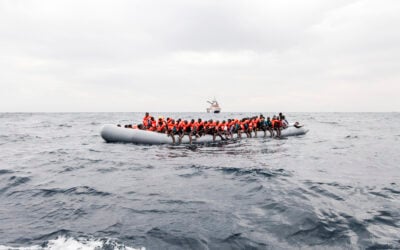
Creating credible alternatives to dangerous sea journeys
New roadmap sets out viable approaches for States and humanitarian actors to managing mixed migration flows along the Central Mediterranean route.
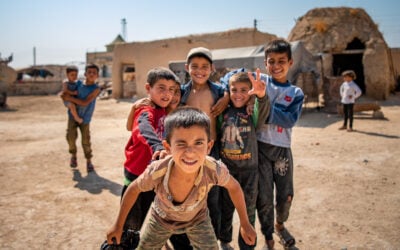
Opening data to expand our knowledge: VASyR 2020 in the Microdata Library
The Vulnerability Assessment of Syrian Refugees in Lebanon (VASyR), the most extensive assessment on refugees jointly conducted in Lebanon by UNHCR, UNICEF and WFP, and one of the only ones conducted face-to-face during the COVID-19 pandemic, has completed its eight round.
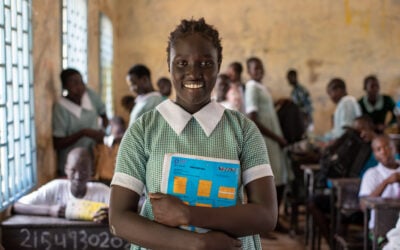
After three decades, how are refugees in Kenya’s Kakuma refugee camp faring?
Children, most as young as six or seven, fled civil war some 30 years ago and walked more than 1000 miles, with only half of them reaching Kakuma refugee camp in Kenya. How are they and other refugees fleeing war and conflict living in Kakuma today?

How can UNHCR further engage in Humanitarian Development cooperation?
Cooperation with development organizations has been part of UNHCR’s approach to building long-term support and finding durable solutions for people forced to flee.
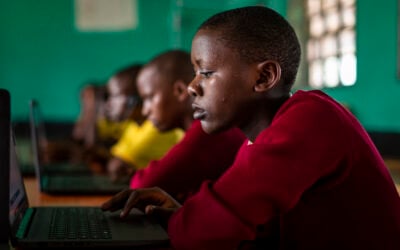
Providing inclusive education to all refugees is within our reach
Providing quality education for refugee children is vital to their future self-sufficiency and can help them overcome the trauma of conflict and forced displacement.
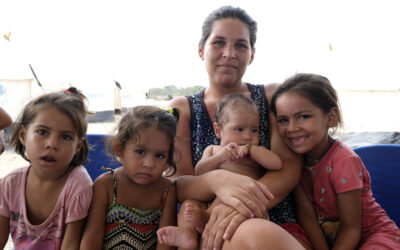
Compounding misfortunes – refugee women and girls lose even more ground during the COVID-19 pandemic
Women’s inherent fragility in terms of the enjoyment of basic rights and equitable welfare outcomes carries over into forcibly displaced settings. More than a year into the COVID-19 pandemic, evidence shows pre-existing inequalities and vulnerabilities are deepening.
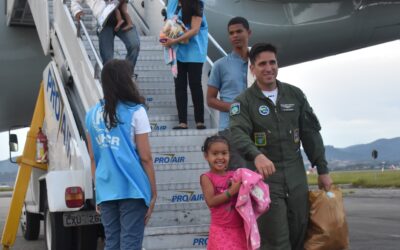
How are Venezuelans in Brazil faring? A new data dashboard is helping to provide answers
A data dashboard is helping the Brazilian Government and UNHCR keep track of social and economic integration as Venezuelans build new lives in Brazil.
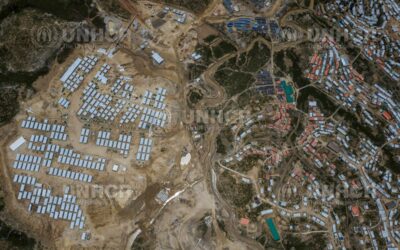
Innovations in gathering evidence from the Rohingya crisis in Cox’s Bazar
In Cox’s Bazar, UNHCR created a new population list that presents comparable data on refugees and host communities to inform support for both communities.
About the blog
The UNHCR Data Blog brings attention to data and research on protecting the rights and wellbeing of people forced to flee. It is also a forum to discuss research innovations in data-scarce forced displacement settings.
Useful links
UNHCR Data Transformation Strategy 2020 – 2025
UNHCR Socioeconomic Data and Analysis
Guidance on Registration and Identity Management
Registration and Identity Management at UNHCR
Socioeconomic Assessment Toolkit
Orientation for the early stages of planning a socioeconomic survey
Guidance on sampling household level surveys from UNHCR proGres registration data