
The Fund is not currently accepting applications. A new call for expressions of interest will be launched in 2026.
Le Fonds n’accepte pas les candidatures pour le moment. Un nouvel appel à manifestation d’intérêt sera lancé en 2026.
El Fondo no está aceptando solicitudes en este momento. Se lanzará una nueva convocatoria de manifestaciones de interés en 2026.
لا يقبل الصندوق حاليًا الطلبات. سيتم إطلاق دعوة جديدة للتعبير عن الاهتمام في عام 2026

Vision and objective
Thriving natural environments are crucial to flourishing human life, now and in the future. UNHCR brings new ideas and approaches to the climate and environmental crises – and their impacts on the protection of forcibly displaced and stateless people and their hosts– to respond to adverse effects, anticipate challenges, ensure self-reliance, and make interventions more sustainable.
We aim to develop solutions in collaboration with communities by nurturing early-stage innovations that contribute to UNHCR’s Strategic Framework for Climate Action and Operational Strategy for Climate Resilience and Environmental Sustainability. We’re piloting environmentally sustainable solutions that ensure protection, adaptation and resilience, and that help preserve and rehabilitate the environment.
Vision et objectif
Des environnements naturels prospères sont essentiels à l’épanouissement de la vie humaine, aujourd’hui et pour l’avenir. Le HCR apporte de nouvelles idées et approches face aux crises climatiques et environnementales – et à leurs impacts sur la protection des personnes déplacées de force et apatrides ainsi que de leurs communautés d’accueil – afin de répondre aux effets négatifs, anticiper les défis, assurer l’autonomie et rendre les interventions plus durables.
Nous visons à développer des solutions en collaboration avec les communautés, en soutenant des innovations en phase initiale qui contribuent au Cadre stratégique d’action climatique et à la Stratégie opérationnelle pour la résilience climatique et la durabilité environnementale du HCR. Nous testons des solutions respectueuses de l’environnement qui garantissent la protection, l’adaptation et la résilience, tout en contribuant à préserver et à réhabiliter l’environnement.
Visión y objetivo
Un ambiente natural favorable es esencial para la vida humana próspera, ahora y en el futuro. ACNUR está abordando nuevas ideas y enfoques relacionados con las crisis ambientales y climáticas – y sus impactos en la protección de las personas desplazadas por la fuerza y apátridas, así como de las comunidades que las acogen— para responder a los efectos adversos, anticipar desafíos, garantizar la autosuficiencia y hacer que las intervenciones sean más sostenibles.
Nuestro objetivo es desarrollar soluciones en colaboración con las comunidades, promoviendo innovaciones en etapa temprana que contribuyan al Marco Estratégico de Acción Climática de ACNUR y a la Estrategia Operativa para la Resiliencia Climática y la Sostenibilidad Ambiental. Estamos probando soluciones ambientalmente sostenibles que aseguren la protección, adaptación y resiliencia, y que ayuden a preservar y rehabilitar el medio ambiente.
الرؤيه والهدف
تزدهر الحياة البشرية في بيئات طبيعية صحية، الآن وفي المستقبل. تجلب المفوضية أفكارًا ونهجًا جديدًا لمواجهة الأزمات البيئية والمناخية—وكذلك تأثيراتها على حماية النازحين قسراً وعديمي الجنسية—للتعامل مع الآثار السلبية، والتنبؤ بالتحديات، وجعل التدخلات أكثر استدامة، وتعزيز قدرة المجتمعات النازحة والمجتمعات المضيفة على الصمود.
نهدف إلى تطوير حلول بالتعاون مع المجتمعات من خلال دعم الابتكارات الأولية التي تساهم في الإطار الاستراتيجي للعمل المناخي للمفوضية واستراتيجيتها التشغيلية لمرونة المناخ والاستدامة البيئية. نقوم بتجربة حلول أكثر خضرة وإيجابية للطبيعة تدعم الحماية، والتكيف، والمرونة والتخفيف من آثار التغير المناخي.
About the Fund
For millions of people, crises fuelled by environmental degradation, climatic extremes, and shocks and stresses are already a devastating reality. Most refugees and internally displaced people are living or hosted in the most climate vulnerable countries, facing multiple challenges. Time to adapt is running out.
Designed in collaboration with colleagues and teams from across UNHCR, the Environment and Climate Action Innovation Fund supports colleagues to explore challenges in this space and to devise innovative solutions. The Fund invites ideas on areas of exploration based on response priorities and key issues experienced by UNHCR operations related to adaptation, resilience, environmental sustainability, and protection in the context of environmental and climate-related shocks and stresses.
The Fund remains open to ideas addressing other relevant issues identified by colleagues and communities. Nature-based and community-based solutions, and those founded in or inspired by traditional ecological knowledge, are particularly encouraged.
Innovative ideas do not need to involve high tech approaches: digital or other technologies can be leveraged to deliver initiatives, but their use must be grounded in a contextualised and locally tailored approach and must be led by the needed solution.
Given the cross-cutting nature of environment and climate work, your idea may also fall under the scope of applications invited by the Digital or Data Innovation Funds. You can consult the “Unsure which Innovation Fund to apply to?” sheet to decide where you think your idea may fit best. You can also get in touch with us to talk through it.
À propos du Fonds
Pour des millions de personnes, les crises alimentées par la dégradation de l’environnement, les extrêmes climatiques et les chocs et stress environnementaux sont déjà une réalité dévastatrice. La plupart des réfugiés et des personnes déplacées à l’intérieur de leur pays vivent ou sont accueillis dans les pays les plus vulnérables au climat, et font face à de multiples défis. Le temps pour d’adaptation est compté.
Conçu en collaboration avec des collègues et des équipes du HCR, le Fonds d’Innovation pour l’Environnement et l’Action Climatique soutient les collègues pour explorer les défis dans ce domaine et concevoir des solutions innovantes. Le Fonds invite des idées dans des domaines d’exploration basés sur les priorités de réponse et les principaux problèmes rencontrés par les opérations du HCR liés à l’adaptation, la résilience, la durabilité environnementale et la protection dans le contexte des chocs et stress environnementaux et climatiques.
Le Fonds reste ouvert aux idées traitant d’autres questions pertinentes identifiées par les collègues et les communautés. Les solutions basées sur la nature et sur les communautés, ainsi que celles fondées sur ou inspirées par les savoirs écologiques traditionnels, sont particulièrement encouragées.
Les idées innovantes n’ont pas besoin d’impliquer des approches très technologiques : les technologies numériques ou autres peuvent être utilisées pour mettre en œuvre les initiatives, mais leur usage doit s’inscrire dans une approche contextualisée et adaptée localement, et être guidé par la solution nécessaire.
Étant donné la nature transversale du travail sur l’environnement et le climat, votre idée peut également relever du champ des candidatures invitées par les Fonds d’Innovation Numérique ou sur les Données. Vous pouvez consulter la fiche « Vous ne savez pas à quel Fonds d’Innovation postuler ? » pour décider où votre idée pourrait le mieux s’inscrire. Vous pouvez également nous contacter pour en discuter.
Sobre el Fondo
Para millones de personas, las crisis provocadas por la degradación ambiental y los extremos e impactos climáticos ya son una realidad devastadora. La mayoría de las personas refugiadas y desplazadas internas viven o son acogidas en los países más vulnerables al cambio climático, enfrentando múltiples desafíos. El tiempo para adaptarse se está agotando.
Diseñado en colaboración con colegas y equipos de todo ACNUR, el Fondo de Innovación del Medio Ambiente y Acción Climática apoya a los colegas para explorar desafíos en este ámbito y desarrollar soluciones innovadoras. El Fondo invita a presentar ideas en áreas de exploración informadas por prioridades operativas y los problemas clave enfrentados por las operaciones de ACNUR relacionados con adaptación, resiliencia, sostenibilidad ambiental y protección en el contexto de impactos y estreses ambientales y climáticos.
El Fondo también está abierto a ideas que aborden otros temas relevantes identificados por colegas y las comunidades. En particular alentamos las soluciones basadas en la naturaleza, comunitarias, así como aquellas basadas o inspiradas en conocimientos ecológicos tradicionales.
Las ideas innovadoras no tienen que utilizar alta tecnología: se pueden aprovechar tecnologías digitales u otras para apoyar las iniciativas, pero su uso debe basarse en un enfoque contextualizado y adaptado localmente, y debe estar guiado por la solución necesaria.
Dada a que el trabajo en medio ambiente y acción climática es transversal, tu idea también puede encajar dentro del alcance de las aplicaciones solicitadas por los Fondos de Innovación Digital o de Innovación en Datos. Puedes consultar la hoja “¿No estás seguro a qué Fondo de Innovación postular?” para decidir dónde encaja mejor la idea. También puedes ponerte en contacto con nosotros para discutirlo.
نبذة عن الصندوق
بالنسبة لملايين الأشخاص، باتت الأزمات الناجمة عن التقلبات المناخية الشديدة وتدهور البيئة والصدمات والضغوط واقعًا كارثيا. يعيش معظم اللاجئين والنازحين داخليًا، أو تتم استضافتهم، في أكثر البلدان عُرضةً لتأثيرات المناخ، حيث يواجهون تحديات متعددة. إن الوقت المتاح للتكيف يوشك على النفاد.
تم انشاء صندوق الابتكار للعمل المناخي والبيئي بالتعاون مع الزملاء والفرق من مختلف أقسام المفوضية السامية لشؤون اللاجئين، حيث يدعم الصندوق الزملاء في استكشاف التحديات في هذا المجال ووضع حلول مبتكرة لها.
يَبْقَى الصندوق مفتوحًا أمام الأفكار التي تعالج قضايا أخرى ذات صلة يتم تحديدها من قبل الزملاء والمجتمعات. كما يشجَّع بشكل خاص الحلول المستندة إلى الطبيعة والحلول القائمة على المجتمعات وكذلك تلك القائمة على المعرفة البيئية التقليدية أو المستوحاة منها.
لا يشترط أن تتضمن الأفكار المبتكرة مقاربات عالية التقنية؛ إذ يمكن الاستفادة من التقنيات الرقمية أو غيرها لتنفيذ المبادرات، ولكن ينبغي أن يكون استخدامها قائمًا على نهج مكيّف مع السياق المحلي ومصمم وفقًا للاحتياجات، وأن تقوده الحلول المطلوبة.
ونظرًا للطبيعة الشمولية للعمل المتعلق بالبيئة والمناخ، قد يندرج مقترحك أيضًا ضمن نطاق الطلبات التي يدعو إليها صندوق الابتكار الرقمي أو صندوق ابتكار البيانات. ويمكنك الاطلاع على ورقة «لست متأكدًا أي صندوق ابتكار يجب أن أتقدم إليه؟» لتحديد المكان الأنسب لفكرتك.
يمكنك التواصل معنا لمناقشة ذلك.
Who can apply
The Fund is open to all colleagues in UNHCR, regardless of contract type or position. Applicants are encouraged to form multifunctional teams (MFTs), with cross-unit, cross-border, and/or cross-division composition. Team members can be located in any UNHCR field operation, regional office, multi-country office, HQ-based location, or combination thereof.
While only UNHCR teams are eligible to submit applications, teams are encouraged to collaborate with other groups – particularly refugee-led organizations, community-based organizations, and actors bringing diverse expertise. The Fund is not open to applicants external to UNHCR. If you are a refugee-led organization, you are welcome to apply to the Refugee-led Innovation Fund.
Qui peut postuler
Le Fonds est ouvert à tous les collègues du HCR, quel que soit le type de contrat ou le poste. Il est recommandé aux candidats de former des équipes multifonctionnelles (MFT), composées de membres provenant de différentes unités, pays ou divisions. Les membres de l’équipe peuvent être situés dans n’importe quelle opération de terrain du HCR, bureau régional, bureau multi-pays, siège ou une combinaison de ces lieux.
Bien que seules les équipes du HCR puissent soumettre des candidatures, il est encouragé de collaborer avec d’autres groupes – en particulier les organisations dirigées par des réfugiés, les organisations communautaires et les acteurs apportant une expertise diversifiée. Le Fonds n’est pas ouvert aux candidats externes au HCR. Si vous êtes une organisation dirigée par des réfugiés, vous êtes invités à postuler au Fonds d’Innovation dirigé par des réfugiés.
Quiénes pueden presentar una propuesta
El Fondo está abierto a todas y todos los colegas de ACNUR, independientemente del tipo de contrato o puesto. Se alienta a los solicitantesa conformar equipos multifuncionales (MFTs), integrados por i múltiples unidades, equipos transfronterizos y/o inter-divisionales. Los miembros del equipo pueden estar en cualquier operación de terreno, oficina regional, oficina multi-país, en la sede central o una combinación de éstas.
Aunque solo el personal del ACNUR son elegibles para presentar solicitudes, se les anima a colaborar con otros grupos — en particular, organizaciones lideradas por personas refugiadas, organizaciones comunitarias y otros actores que aporten diversos conocimientos al proyecto. El Fondo no está abierto a personas u organizaciones externas al ACNUR. Si eres parte de una organización dirigida por personas refugiadas, puedes enviar tu solicitud al Fondo de Innovación Liderado por Personas Refugiadas.
من يمكنه التقدّم بطلب؟
الصندوق مفتوح لجميع الزملاء في المفوضية السامية لشؤون اللاجئين، بغض النظر عن نوع العقد أو المنصب. ويُشجَّع المتقدّمون على تشكيل فرق عمل متعدد الاختصاصات تضم أعضاء من وحدات أو أقسام أو مناطق مختلفة. ويمكن أن يتواجد أعضاء الفريق في أي من عمليات المفوضية الميدانية أو في المكاتب الإقليمية أو المكاتب متعددة البلدان أو المقر الرئيسي أو الاثنين معاً.
ورغم أن الفرق التابعة للمفوضية فقط هي المؤهلة لتقديم الطلبات، إلا أن الفرق تُشجَّع على التعاون مع مجموعات أخرى – ولا سيما المنظمات التي يقودها لاجئون، والمنظمات المجتمعية، والجهات الفاعلة التي تمتلك خبرات متنوعة.
الصندوق غير مفتوح أمام المتقدمين من خارج المفوضية. وإذا كنتم منظمة يقودها لاجئون، فيسعدنا أن تتقدموا إلى صندوق الابتكار الذي يقوده اللاجئون.
What the Fund offers
Selected teams can expect the following support:
Ce que le Fonds offre
Les équipes sélectionnées peuvent s’attendre au soutien suivant :
Lo que ofrece el Fondo
Los equipos seleccionados pueden esperar el siguiente apoyo:
ما الذي يقدمه الصندوق
يمكن للفرق المختارة أن تتوقع الحصول على الدعم التالي:

- Research and technical: Endorsed teams are connected to other UNHCR colleagues across divisions who can provide guidance and/or to teams working on similar initiatives. We can facilitate links to external actors active in the digital space, such as community-based organizations, the private sector, and research institutions. The Fund supports successful applicants to implement their innovative ideas with an approach informed by innovation methodologies and human-centered design.
- Pitching, visibility, and storytelling: We work with teams to strengthen how they share the story of their innovation journey. This includes support on pitching ideas to different audiences, enhancing visibility of their work, and creating storytelling products that highlight positive impact, challenges, and lessons learned, while centering the voices of displaced and stateless people.
- Monitoring, accountability, and learning: Guidance on development of a holistic approach that includes generating relevant program data and data driven insights for programme improvement. Reporting requirements focus on project impact, lessons, processes, and adaptations. UNHCR Innovation will provide guidance on designing appropriate monitoring frameworks and using feedback from communities.
- Financial: Funding amounts will be determined based on project needs, but budgets for innovation pilots tend to be between USD 25,000 and 125,000. We recommend that your proposed budget should NOT exceed the ceiling of USD 125,000. Funding will be available for implementation starting in 2026 and projects can run for up to 18 months.
- Programme management: We will provide procedural and system-based guidance, advice and support pertaining to programmatic, project control, administrative / human resources, finance and procurement related matters. Endorsed teams have the option to charge UNHCR Innovation PTEO codes to avoid impacting the operation’s OL.
- Recherche et technique : Les équipes approuvées sont mises en relation avec d’autres collègues du HCR à travers les divisions pouvant fournir des conseils et/ou avec des équipes travaillant sur des initiatives similaires. Nous facilitons les liens avec des acteurs externes actifs dans le domaine numérique, tels que les organisations communautaires, le secteur privé et les institutions de recherche. Le Fonds soutient les candidats retenus pour mettre en œuvre leurs idées innovantes selon une approche basée sur les méthodologies d’innovation et la conception centrée sur l’humain.
- Présentation, visibilité et narration : Nous travaillons avec les équipes pour renforcer la manière dont elles racontent leur parcours d’innovation. Cela inclut le soutien à la présentation d’idées à différents publics, l’amélioration de la visibilité de leur travail et la création de contenus narratifs qui mettent en avant l’impact positif, les défis et les enseignements tirés, tout en plaçant au centre la voix des personnes déplacées et apatrides.
- Suivi, responsabilité et apprentissage : Orientation sur le développement d’une approche holistique incluant la génération de données pertinentes pour le programme et des analyses basées sur les données pour améliorer les programmes. Les exigences de rapport se concentrent sur l’impact du projet, les enseignements, les processus et les adaptations. L’Innovation du HCR fournira des conseils sur la conception de cadres de suivi appropriés et l’utilisation des retours des communautés.
- Financier : Les montants de financement seront déterminés en fonction des besoins du projet, mais les budgets pour les projets pilotes d’innovation varient généralement entre 25 000 et 125 000 USD. Nous recommandons que votre budget proposé ne dépasse pas le plafond de 125 000 USD. Le financement sera disponible pour une mise en œuvre à partir de 2026 et les projets peuvent durer jusqu’à 18 mois.
- Gestion du programme : Nous fournirons des conseils et un soutien procédural et systémique concernant les aspects programmatiques, de contrôle de projet, administratifs / ressources humaines, financiers et d’approvisionnement. Les équipes approuvées ont la possibilité de facturer aux codes PTEO de l’Innovation du HCR afin de ne pas impacter l’OL de l’opération.
- Investigación y técnico: El fondo conecta a los equipos seleccionados con colegas del ACNUR de distintas divisiones para que puedan brindar orientación, así como con otros equipos que trabajan en iniciativas similares. También facilitamos vínculos con actores externos involucrados en temas relevantes, como organizaciones comunitarias, sector privado e instituciones de investigación. El Fondo también apoya a los solicitantes exitosos para implementar sus ideas innovadoras con un enfoque informado por metodologías de innovación y diseño centrado en las personas/usuarios.
- Presentación, visibilidad y narrativa: Trabajamos con los equipos para fortalecer la manera en la que comparten la historia de su proceso de innovación. Esto incluye apoyar la presentación de sus ideas a distintas audiencias, incrementar la visibilidad de su trabajo y apoyar en la elaboración de productos narrativos que resalten el impacto positivo, los desafíos y las lecciones aprendidas, dando siempre protagonismo a las voces de las personas desplazadas y apátridas.
- Monitoreo, rendición de cuentas y aprendizaje: El fondo brinda orientación para el desarrollo de un enfoque integral que incluya la generación de datos programáticos relevantes y análisis basados en evidencia para la mejora continua. Los lineamientos para los reportes se centran en el impacto del proyecto, las lecciones aprendidas, sus procesos y adaptaciones. ACNUR Innovación brindará orientación en el diseño de marcos de monitoreo adecuados y en la incorporación de la retroalimentación de las comunidades.
- Financiamiento: Los montos se determinarán según las necesidades del proyecto, pero los presupuestos para proyectos piloto de innovación suelen oscilar entre USD 25,000 y USD 125,000. Se recomienda que su presupuesto no supere el límite de USD 125,000. El financiamiento estará disponible a partir de 2026 y los proyectos podrán tener una duración máxima de 18 meses.
- Gestión programática: Se brindará orientación, asesoría y apoyo en aspectos programáticos del ACNUR, como el control de proyectos, procesos administrativos y de recursos humanos, requerimientos financieros y de adquisiciones. Los equipos aprobados tendrán la opción de cargar sus gastos del proyecto a nuestro código del centro de costos (PTEO) del ACNUR Innovación, evitando así afectar el OL de la operación.
- الدعم البحثي والتقني: يتم ربط الفرق المعتمدة بزملاء آخرين في المفوضية عبر الأقسام المختلفة لتقديم التوجيه و/أو مع فرق تعمل على مبادرات مماثلة. كما يمكننا تسهيل الروابط مع جهات خارجية تنشط في المجال الرقمي، مثل المنظمات المجتمعية، والقطاع الخاص، والمؤسسات البحثية. ويدعم الصندوق المتقدمين الناجحين في تنفيذ أفكارهم المبتكرة وفق نهج يستند إلى منهجيات الابتكار والتصميم المرتكز على الإنسان.
- العرض، وإبراز العمل، وسرد القصص: نعمل مع الفرق على تعزيز كيفية مشاركتهم لقصة رحلتهم الابتكارية. ويشمل ذلك الدعم في عرض الأفكار أمام جماهير مختلفة، وزيادة إبراز أعمالهم، وإعداد منتجات لسرد القصص تُبرز الأثر الإيجابي والتحديات والدروس المستفادة، مع التركيز على أصوات الأشخاص المهجّرين وعديمي الجنسية.
- المتابعة والمساءلة والتعلّم: يتم تقديم التوجيه بشأن تطوير نهج شامل يشمل إنتاج بيانات برامجية ذات صلة واستخلاص رؤى قائمة على البيانات لتحسين البرامج. وتركّز متطلبات إعداد التقارير على أثر المشروع والدروس المستفادة والعمليات والتعديلات. وستقوم وحدة الابتكار في المفوضية بتقديم التوجيه بشأن تصميم أطر متابعة مناسبة واستخدام التغذية الراجعة من المجتمعات.
- التمويل: سيتم تحديد مبالغ التمويل استنادًا إلى احتياجات المشروع، إلا أن الميزانيات الخاصة بالمشاريع التجريبية للابتكار تتراوح عادة بين 25,000 و125,000 دولار أمريكي. ونوصي بألّا يتجاوز مقترح ميزانيتكم الحد الأقصى البالغ 125,000 دولار أمريكي. وسيتاح التمويل لبدء التنفيذ اعتبارًا من عام 2026، ويمكن أن تستمر المشروعات لمدة تصل إلى 18 شهرًا.
- دعم إدارة البرنامج: سنوفر إرشادات إجرائية ونظامية، إلى جانب المشورة والدعم المتعلق بالمسائل البرامجية، وضبط المشاريع، والإدارة/الموارد البشرية، والتمويل والمشتريات. وتتاح للفرق الممنوحة إمكانية تحميل النفقات على الرموز المرجعية للبرامج والمشاريع الخاصة بوحدة الابتكار في المفوضية، وذلك لتفادي التأثير على سقف الالتزامات التشغيلية الخاص بالعملية.
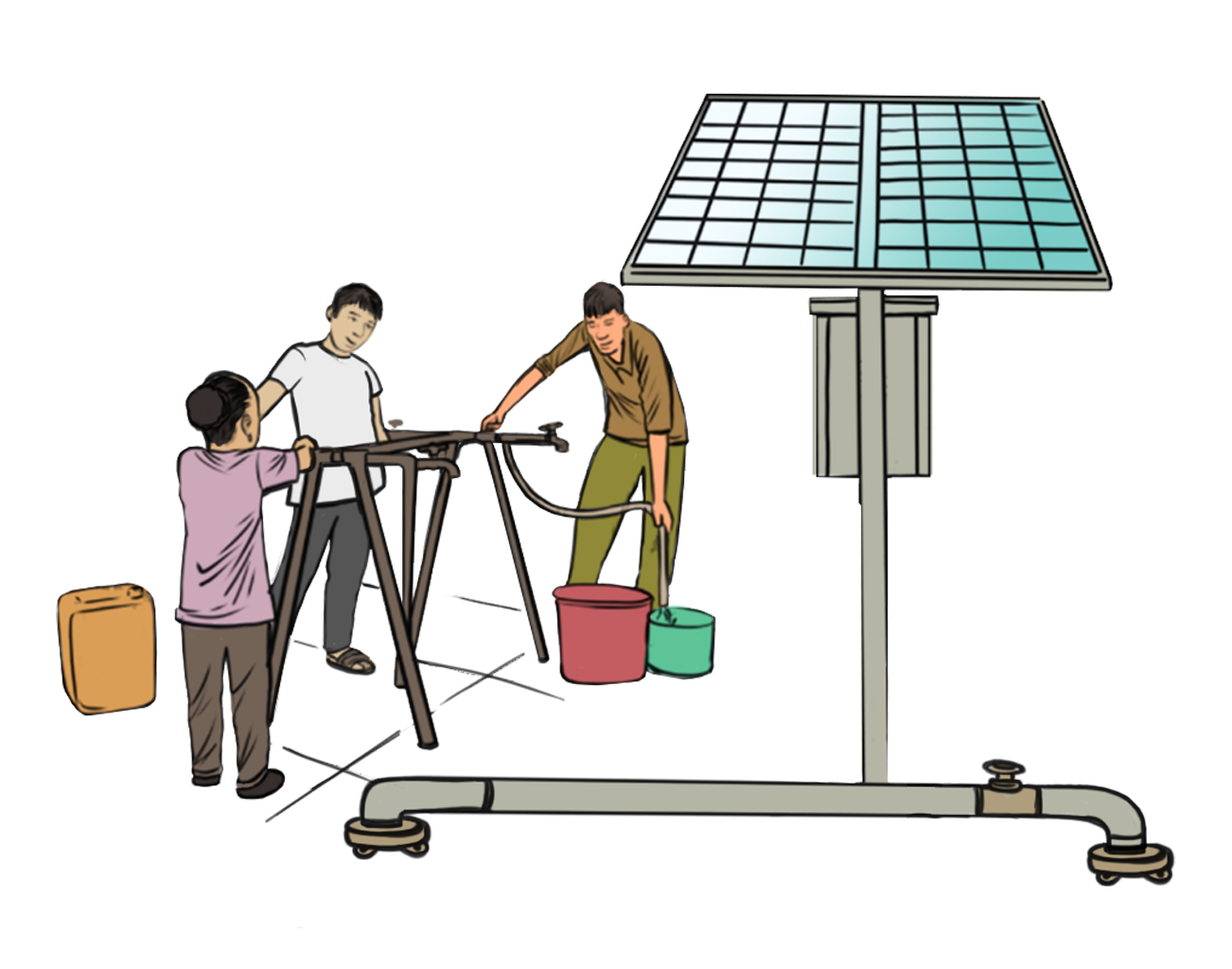
How to apply
Each year, we launch a new call for applications, which go through a two-stage selection process.
In the first stage, teams are invited to submit a written proposal outlining their challenge and innovative solution.
These proposals go through reviews by technical and operational colleagues from regional, HQ, Innovation, and other relevant entities.
In the second stage, teams whose ideas pass the initial review will be invited to present a short pitch about their proposals to the Steering Committee.
Comment présenter sa candidature
Chaque année, nous lançons un nouvel appel à candidatures, qui passe par un processus de sélection en deux étapes.
Première étape : Les équipes sont invitées à soumettre une proposition écrite décrivant leur défi et leur idée innovante.
Ces propositions sont examinées par des collègues techniques et opérationnels des bureaux régionaux, du siège, de l’Innovation et d’autres entités pertinentes.
Deuxième étape : Les équipes dont les idées passent la première sélection seront invitées à présenter un court pitch de leur proposition au Comité de Pilotage.
¿Cómo presentar una solicitud?
Cada año, lanzamos una nueva convocatoria de aplicaciones, que pasan por un proceso de selección de dos etapas.
Primera etapa: Los equipos deben presentar una propuesta escrita describiendo su desafío y la idea innovadora.
Las propuestas serán revisadas por colegas con conocimientos técnicos y operativos de oficinas regionales, sede central, ACNUR Innovación y otras entidades relevantes.
Segunda etapa: Los equipos cuyas ideas superen la revisión inicial serán invitados a una breve presentación (pitch) de sus propuestas ante el Comité Directivo.
كيف تقدّم طلبًا
في كل عام نطلق دعوة جديدة لتقديم الطلبات ، والتي تمر بعملية اختيار من مرحلتين.
في المرحلة الأولى، تُدعى الفرق إلى تقديم مقترح مكتوب يحدد التحدي والحل المبتكر. ويتم مراجعة هذه المقترحات من قبل الزملاء الفنيين والتشغيليين من المكاتب الإقليمية والمقر الرئيسي ووحدة الابتكار والكيانات الأخرى ذات الصلة. وفي المرحلة الثانية، تُدعى الفرق التي تجتاز المراجعة الأولية إلى تقديم عرض موجز عن مقترحاتها إلى اللجنة التوجيهية.
Our approach
The environment and climate crises require UNHCR to develop more transformative and inclusive approaches. Developing and designing solutions in collaboration with forcibly displaced and stateless people is essential. To achieve its objectives, the Fund has adopted the following approach:
- Empower UNHCR teams and forcibly displaced and stateless people and their hosts to explore current and future impacts of the environmental and climate crises, and to devise innovative solutions to address them.
- Provide a holistic support mechanism to ensure UNHCR teams and communities can adapt solutions that build resilience, adaptive capacity, and promote environmental sustainability using innovation and human-centred design methodologies.
- Connect initiatives and stakeholders and leverage different expertise and capacities, particularly from non-traditional actors, that foster locally led and refugee inclusive environment and climate action.
- Create a safe space to test methods for environmental, sustainable and regenerative responses, building evidence of impact and best practice.
Notre approche
Les crises environnementales et climatiques exigent que le HCR développe des approches plus transformatrices et inclusives. Concevoir et développer des solutions en collaboration avec les personnes déplacées de force, apatrides et leurs communautés d’accueil est essentiel. Pour atteindre ses objectifs, le Fonds a adopté l’approche suivante :
- Autonomiser les équipes du HCR et les personnes déplacées de force, apatrides et leurs communautés d’accueil afin d’explorer les impacts actuels et futurs des crises environnementales et climatiques, et de concevoir des solutions innovantes pour y répondre.
- Fournir un mécanisme de soutien holistique pour garantir que les équipes du HCR et les communautés puissent adapter des solutions renforçant la résilience, la capacité d’adaptation et favorisant la durabilité environnementale, en utilisant des méthodologies d’innovation et de conception centrée sur l’humain.
- Mettre en relation les initiatives et les parties prenantes ainsi que mobiliser différentes expertises et capacités, notamment celles d’acteurs non traditionnels, afin de favoriser une action environnementale et climatique menée localement et inclusive pour les réfugiés.
- Créer un espace sûr pour tester des méthodes de réponse environnementale, durables et régénératrices, tout en constituant des preuves d’impact et identifiant les bonnes pratiques.
Nuestro enfoque
Las crisis ambientales y climáticas requieren que ACNUR desarrolle estrategias y metodologías más transformadoras e inclusivas. Es fundamental desarrollar y diseñar soluciones en colaboración con personas desplazadas por la fuerza y apátridas. Para lograr sus objetivos, el Fondo ha adoptado el siguiente enfoque:
- Empoderar a los equipos de ACNUR y a las personas desplazadas por la fuerza, apátridas y sus comunidades de acogida para explorar los impactos actuales y futuros de las crisis ambientales y climáticas, y para idear soluciones innovadoras para abordarlos.
- Proporcionar un mecanismo de apoyo integral que asegure que los equipos de ACNUR y las comunidades puedan adaptar soluciones que fortalezcan la resiliencia, la capacidad de adaptación y promuevan la sostenibilidad ambiental, utilizando metodologías de innovación y diseño centrado en las personas.
- Conectar iniciativas y partes interesadas y aprovechar diferentes experiencias y capacidades, especialmente de actores no tradicionales, que fomenten acciones ambientales y climáticas lideradas localmente e inclusivas para las personas desplazadas.
- Crear un espacio seguro para probar métodos de respuesta más ambientalmente sostenibles y regenerativos, generando evidencia sobre su impacto y buenas prácticas.
نهجنا
تتطلب أزمـتا البيئة والمناخ من المفوضية السامية لشؤون اللاجئين تطوير مقاربات تحويلية وشمولية. إن تطوير وتصميم الحلول بالتعاون مع الأشخاص المجبرين على النزوح وعديمي الجنسية يُعد أمرًا أساسيًا. ولتحقيق أهدافه، يعتمد الصندوق النهج التالي:
- تمكين فرق المفوضية والأشخاص المجبرين على النزوح وعديمي الجنسية ومضيفيهم من استكشاف الآثار الحالية والمستقبلية للأزمات البيئية والمناخية، ووضع حلول مبتكرة لمعالجتها.
- توفير آلية دعم شاملة تُمكِّن فرق المفوضية والمجتمعات من تكييف الحلول التي تبني القدرة على الصمود، والقدرة على التكيّف، وتعزز الاستدامة البيئية باستخدام منهجيات الابتكار والتصميم المتمركز حول الإنسان.
- ربط المبادرات وأصحاب المصلحة والاستفادة من مختلف الخبرات والقدرات، خصوصًا من الفاعلين غير التقليديين، بما يعزز العمل البيئي والمناخي المحلي بقيادة المجتمعات وبمشاركة اللاجئين.
- إنشاء مساحة آمنة لاختبار أساليب الاستجابات البيئية والمستدامة والتجديدية، وبناء قاعدة أدلة عن الأثر وأفضل الممارسات.
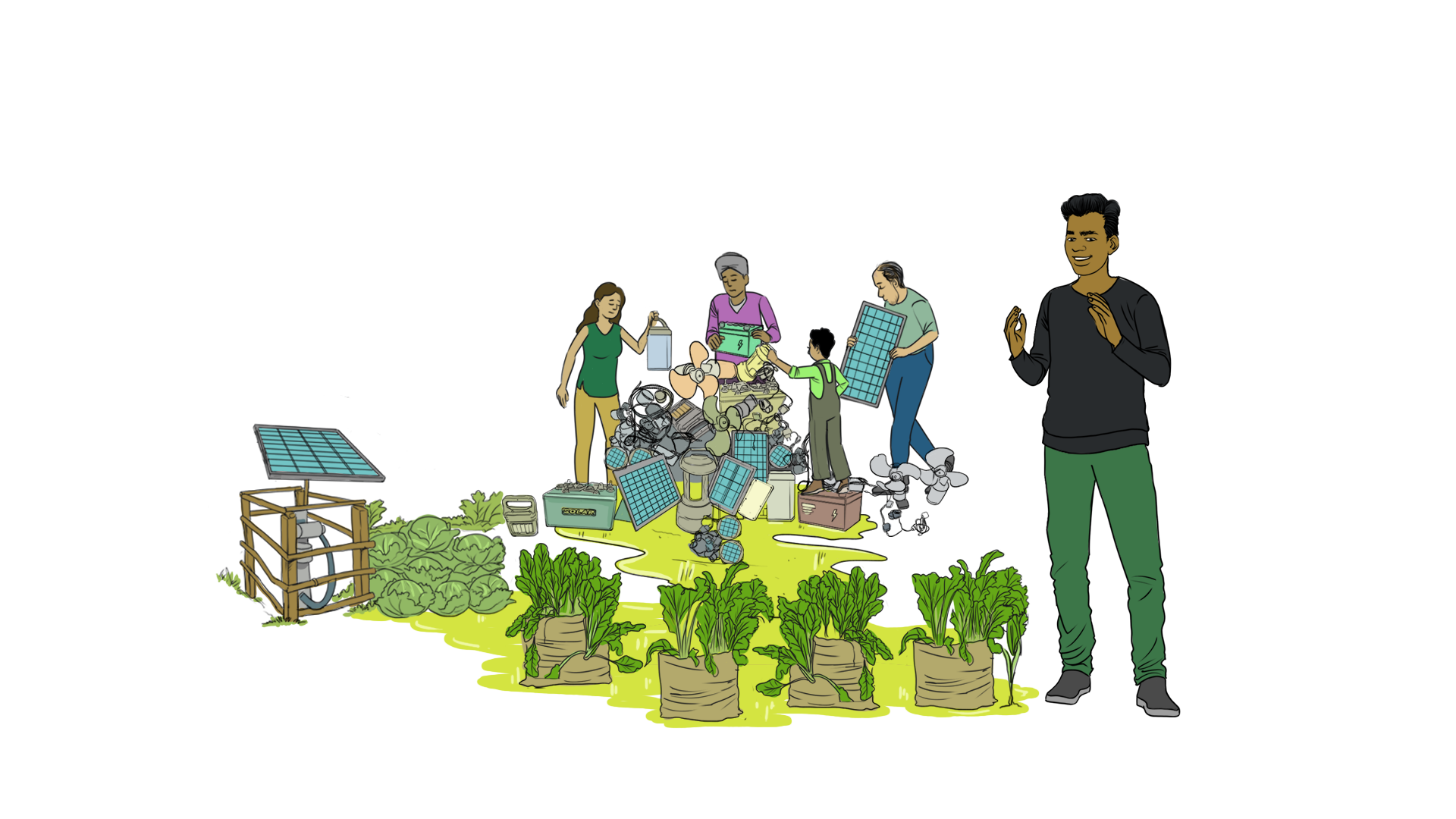
Selection criteria
Critères de sélection
Criterios de selección
معايير الاختيار
- Innovation: Proposed idea is highly creative, novel, or original. It representsa new approach for UNHCR, locally or globally, to solve an important challenge that has been clearly identified. Projects should not be duplicative of efforts already in development or implementation within UNHCR and will tackle a well-defined scope.
- Impact: Proposed idea demonstrates the potential to positively impact or add value, directly and indirectly, to the lives of forcibly displaced and stateless people and those who host them, in the short and/or long term, alongside the potential for valuable learning for UNHCR and broader audiences.
- Engagement: Proposed idea emphasizes a co-design and age, gender, and diversity (AGD) approach with communities and users; identifies what role communities, users and partners/stakeholders are playing in the joint design and implementation of the project; and/or develops UNHCR’s internal capacity in diversity, equity, and inclusion (DEI). Partnerships with refugee-led organizations, community-based organizations, and/or locally based expertise is highly encouraged.
- Implementation details: Viability of the project has been well thought through, considering timelines, resources, and objectives, with sustainability as a key factor from the outset. Mitigation measures for potential risks have been taken into consideration.
- Innovation : L’idée proposée est très créative, nouvelle ou originale. Elle représente une nouvelle approche pour le HCR, au niveau local, régional, ou mondial, afin de résoudre un défi important clairement identifié. Les projets ne doivent pas dupliquer des efforts déjà en cours de développement ou de mise en œuvre au HCR et doivent traiter un périmètre bien défini.
- Impact : L’idée proposée démontre un potentiel d’impact positif ou de valeur ajoutée, directe et indirecte, sur la vie des personnes déplacées de force et apatrides et de ceux qui les accueillent, à court et/ou long terme, ainsi que le potentiel d’apprentissages utiles pour le HCR et un public plus large.
- Engagement :L’idée proposée met l’accent sur une approche de co-conception et sur l’âge, le genre et la diversité (AGD) avec les communautés et les utilisateurs ; identifie le rôle des communautés, utilisateurs et partenaires dans la conception et la mise en œuvre du projet ; et/ou développe la capacité interne du HCR en matière d’équité, de diversité et d’inclusion (EDI). Les partenariats avec des organisations dirigées par des réfugiés, des organisations communautaires et/ou une expertise locale sont fortement encouragés.
- Détails de mise en œuvre : La faisabilité du projet a été bien pensée, en tenant compte des délais, des ressources et des objectifs, avec la durabilité comme facteur clé dès le départ. Les mesuresd’atténuation des risquespotentielsontétéprisesenconsidération.
- Innovación: La idea propuesta debe ser altamente creativa, novedosa u original. Representando un nuevo enfoque para ACNUR, a nivel local, regional o global, para resolver un desafío importante claramente identificado. Los proyectos no deben duplicar esfuerzos que ya están en desarollo o implementación dentro del ACNUR y deben abordar un alcance bien definido.
- Impacto: La idea propuesta debe demostrar potencial para generar un impacto positivo o aportar valor, directa o indirectamente, en la vida de las personas desplazadas y apátridas y de las comunidades de acogida, a corto y/o largo plazo, además de producir aprendizajes valiosos para ACNUR y públicos más amplios.
- Participación: La idea propuesta destaca la co-creación y el enfoque de edad, género y diversidad (AGD) con las comunidades y usuarios/as; identifica el rol de comunidades, de los/las usuarios/as y los socios del ACNUR en el diseño e implementación conjunto del proyecto; y/o desarrolla la capacidad interna del ACNUR en temas de diversidad, equidad e inclusión (DEI). Se alientan particularmente a establecer alianzas con organizaciones dirigidas por personas refugiadas, organizaciones comunitarias y/o con conocimientos técnicos locales.
- Detalles de implementación: Se evalua que la viabilidad del proyecto haya sido analizada cuidadosamente, considerando plazos, recursos y objetivos, con la sostenibilidad como un factor clave desde el inicio. Y que se hayn tenido en cuenta medidas de mitigación frente a riesgos potenciales.
- الابتكار: أن تكون الفكرة المقترحة إبداعية للغاية، جديدة أو اصلية كي تمثل نهجًا جديدًا للمفوضية السامية لشؤون اللاجئين سواء على المستوى المحلي أو العالمي، لمعالجة تحدٍ مهم تم تحديده بوضوح. يجب ألا تكون المشاريع مكررة لجهود أخرى قيد التطوير أو التنفيذ داخل المفوضية، بل أن تتناول نطاقًا محددًا بوضوح.
- التأثير: أن تُظهر الفكرة المقترحة قدرة على إحداث تأثير إيجابي أو إضافة قيمة، بشكل مباشر أو غير مباشر، في حياة الأشخاص المجبرين على النزوح وعديمي الجنسية والمجتمعات المضيفة لهم، على المدى القصير و/أو الطويل، إضافةً إلى إمكانيات التعلم القيمة للمفوضية والجمهور الأوسع.
- الانخراط: أن تُبرز الفكرة المقترحة نهجًا تشاركيا في التصميم يأخذ بعين الاعتبار السن والنوع الاجتماعي والتنوع وتحدد الدور الذي ستلعبه المجتمعات والمستفيدون والشركاء/أصحاب المصلحة في التصميم والتنفيذ المشترك للمشروع؛ و/أو أن تطوّر القدرات الداخلية للمفوضية في مجالات التنوع، والإنصاف، والإدماج. وتُشجَّع التعاون بشكل خاص مع المنظمات التي يقودها اللاجئون، والمنظمات المجتمعية، والخبرات المحلية.
- تفاصيل التنفيذ: أن تكون جدوى المشروع مدروسة بعناية، مع الأخذ في الاعتبار الجداول الزمنية، والموارد، والأهداف، مع إدراج الاستدامة كعامل رئيسي منذ البداية. كما ينبغي أخذ التدابير اللازمة للتخفيف من المخاطر المحتملة بعين الاعتبار.
Areas of exploration
The following areas to explore and challenges have been identified as priorities across the organization based on operational experiences. Piloting and developing ideas in these areas will contribute to meeting the four objectives of UNHCR’s Strategic Plan for Climate Action 2024–2030. For a more detailed explanation of these areas, please see the areas of exploration advice sheet.
Please note that this list is not exhaustive – it is intentionally broad to ensure teams can define their specific idea in collaboration with communities.
|
Access to resilient and sustainable services
|
|
Preparedness, adaptation, and resilience building
|
|
Sustainability in systems and processes
|
|
Protection, capacity, and participation in law and policy related to climate challenges
|
Domaines d’exploration
Les domaines suivants et les défis associés ont été identifiés comme prioritaires à travers l’organisation, sur la base des expériences opérationnelles. Tester et développer des idées dans ces domaines contribuera à atteindre les quatre objectifs du Plan stratégique du HCR pour l’action climatique 2024–2030. Pour une explication plus détaillée de ces domaines, veuillez consulter la fiche-conseil sur les domaines d’exploration.
Veuillez noter que cette liste n’est pas exhaustive – elle est volontairement large afin de permettre aux équipes de définir leur idée spécifique en collaboration avec les communautés.
|
Accès à des services résilients et durables
|
|
Préparation, adaptation et renforcement de la résilience
|
|
Durabilité dans les systèmes et processus
|
|
Protection, renforcement des capacités et participation dans le droit et les politiques liés aux enjeux climatiques
|
Áreas de exploración
Se han identificado las siguientes áreas y desafíos como prioridades en toda la organización, basádos en experiencias operativas. Pilotar y desarrollar ideas en estas áreas contribuirá a cumplir los cuatro objetivos del Plan Estratégico de Acción Climática de ACNUR 2024–2030. Para una explicación más detallada de estas áreas, consulta la hoja de orientación sobre áreas de exploración.
Ten en cuenta que esta lista no es exhaustiva: se ha diseñado intencionadamente de manera amplia para asegurar que los equipos puedan definir su idea específica en colaboración con las comunidades.
|
Acceso a servicios resilientes y sostenibles
|
|
Preparación, adaptación y construcción de resiliencia
|
|
Sostenibilidad en sistemas y procesos
|
|
Protección, capacidad y participación en leyes y políticas relacionadas con desafíos climáticos
|
مجالات الاستكشاف
تم تحديد المجالات والتحديات التالية كأولويات على مستوى المنظمة، بناءً على الخبرات التشغيلية. إن اختبار وتطوير الأفكار في هذه المجالات سيساهم في تحقيق الأهداف الأربعة للخطة الاستراتيجية للمفوضية بشأن العمل المناخي 2024–2030.
للحصول على شرح أكثر تفصيلا عن المجالات يرجى زيارة على هذه الصفحة.
ملاحظة: هذه القائمة ليست شاملة، وقد تم تصميمها لتكون واسعة بما يكفي لتمكين الفرق من تحديد افكارهم الخاصة بالتعاون مع المجتمعات.
|
الولوج إلى خدمات سلسة ومستدامة
|
|
بناء القدرة على التكيف والصمود
|
|
الاستدامة في الأنظمة والاجراءات
|
|
الحماية، وبناء القدرات، والمشاركة في القوانين والسياسات المتعلقة بالتحديات المناخية
|
Our 2025 projects
Systematising UNHCR sustainable waste management – Global
Challenge: UNHCR’s humanitarian response generates an estimated 750+ kilo-tonnes of waste per year, but limited resources and lack of sustainable approaches means the organization struggles to safely and responsibly reuse, repurpose, and dispose of this waste as per its strategic goals.
Solution: A scoping exercise to explore waste streams in displacement camps and warehouses, to design and test a more efficient, localised, and community-based waste management system.
Expected results: Initial development of a standardised set of actions and tools to scale globally, enabling UNHCR and other humanitarian actors to reduce their environmental impact and promote sustainable waste management in partnership with communities.
Reviving UNHCR’s solar photovoltaic systems – East and Horn of Africa and Great Lakes
Challenge: Over time, UNHCR invested in various solar PV systems to enhance clean energy access, but some became dysfunctional due to a lack of standards, enforcement tools, operation and maintenance, or spare parts. Instead of providing clean energy, such systems are at risk of becoming e-waste.
Solution: Idle or inefficient systems will be identified and an innovative combination of solutions for improved sustainable functioning will be combined in an innovative way – including legal tools to enforce existing technical standards and enable operations and maintenance expertise, technical components for appropriate maintenance, and operational support such as targeted capacity building.
Expected results: Practical insights and tools that can be applied across operations to restore and manage solar PV systems, reduce e-waste, and enhance UNHCR’s capacity to efficiently generate clean energy now and in the future.
Recharging aquifers for sustainable water management in Dzaleka Camp – Malawi
Challenge: Dzaleka refugee camp’s water supply infrastructure is under pressure, leading to substandard levels of service. Groundwater over-abstraction, due to a high number of boreholes, drives aquifer depletion, spurred on by regional drought conditions and seasonal extreme weather events.
Solution: Working with refugees, members of the host community, and others to facilitate and measure groundwater recharge, by building low-cost wells and dams that control erosion, capture runoff for crop irrigation, and allow the gradual infiltration of rainwater back into aquifers. Real time monitoring technology and physical measurement of boreholes will monitor groundwater levels.
Expected results: More sustainable groundwater abstraction by enabling the recharge of aquifers – used by both refugee and host communities – with rainwater runoff. The risk of soil erosion and flooding will be mitigated and livelihoods will be enhanced through irrigation dams for cash crops.
Sustainable transitional shelter models – Brazil
Challenge: Although shelters are intended to be temporary, displacement seldom is. This creates the challenge of improving shelter designs and technologies that meet immediate needs while also supporting recovery in a way that incorporates local adaptations and materials to ensure autonomy, dignity, and sustainability – especially when considering most refugee settlements and camps are projected to experience twice as many days of dangerous heat by 2050.
Solution: Designing a sustainable shelter system, with the support of Better Shelter, that promotes community-driven adaptation. The system features a robust, modular, and easily assembled frame that can be clad with local materials or prefabricated panels, ensuring adaptability to diverse climates and contexts. Communities and local markets will be robustly engaged with throughout the process.
Expected results: Identification of shelter solutions and validation through the construction, testing, and evaluation of prototypes to improve the wellbeing of residents. The results will guide design changes to the shelter system and the development of a localized delivery strategy, ensuring that solutions are practical, sustainable, and tailored to community needs.
Community reuse centres for environmental sustainability and urban integration – Slovakia
Challenge: Meeting basic household needs is unaffordable for many refugees in Slovakia, while initiatives and infrastructure to enable reuse and repurposing of items in urban areas are lacking or insufficient. Existing circular economy opportunities are not fully inclusive of refugees, limiting avenues to enhance their socioeconomic inclusion.
Solution: Codeveloping an integrated model of community reuse centres (CRCs) – community hubs where refugees and locals meet for activities including recycling, DIY repair workshops, community gardening, and more. The CRCs will leverage circular and social economies to address environmental challenges and enhance social cohesion.
Expected results: Ways to support and manage CRCs are developed and tested in selected urban areas across Slovakia to improve refugee inclusion and community environmental sustainability. Evidence and lessons from this pilot support the establishment of centres in additional settings, increasing accessibility.
Creative environmental and cultural laboratory – Colombia
Challenge: In Buenaventura’s Lleras neighborhood, forcibly displaced families and host communities face acute protection risks. Children are particularly vulnerable to exploitation, abuse, and recruitment by non-state armed groups. These dangers are compounded by severe environmental degradation, marked by inadequate waste management and the absence of clean and safe communal spaces.
Solution: The Creative Environmental and Cultural Laboratory will foster safer environments for children, youth, and the wider community through locally driven, sustainability-focused initiatives. By transforming waste into musical instruments and other cultural assets while building community capacity for waste management and inclusive cultural expression, the project nurtures pride and belonging.
Results: Greater environmental and cultural awareness. Stronger social cohesion and inclusion through intergenerational engagement. Expanded opportunities and leadership roles for children, contributing to the prevention, mitigation, and response to recruitment by non-state armed groups.
Our 2024 projects
Pay-as-you-go LPG for cleaner energy – Mauritania
Challenge: Most refugees in Mbera camp cook with firewood or charcoal, which contribute to deforestation but can be acquired in small, affordable increments. LPG – a cleaner fuel – is cheaper over time, but a full cylinder, its only available format, is a high upfront cost, as is equipment to make the switch.
Solution: Create a more affordable pay-as-you-go solution by enabling local providers to refill LPG cylinders up to smaller requested amounts. Providers will receive hand pumps and training, while households will receive cash assistance to purchase LPG stoves and refillable cylinders.
Expected results: Diminished health and environmental impacts of charcoal use, benefitting 5,000 individuals directly and 3,500 more indirectly. Local businesses are supported and households save money with a sustainable supply and demand link. Awareness raising campaigns boost already high potential for uptake.
Community-led mangrove restoration for durable solutions – Colombia
Challenge: The port city of Turbo is highly transited and houses a large informal settlement. Its mangrove ecosystem is highly impacted by the settlement’s waste management issues. Land rights are being sought to ensure durable solutions for forcibly displaced people, but limited local opportunities contribute to onward movement.
Solution: Building on the legalization process, create an environmental committee and train community members to promote community-led restoration and sustainable management of the mangrove. The committee will investigate commercial opportunities for sustainable livelihoods.
Expected results: Diverse community members gain capacity to undertake restoration and waste management work. Improved environmental health and possible commercial avenues for livelihood opportunities – selling seedlings, scientific research, academically focused eco-tourism – explored in collaboration with local stakeholders.
Biofencing to boost agricultural production and biodiversity – Zimbabwe
Challenge: Fields and gardens essential to livelihoods of refugees in Tongogora Refugee Camp are often damaged by animals, requiring extensive fencing. Crop damage has led to tension between agricultural and pastoral households, while fencing needs have sped up deforestation.
Solution: Collaborate with communities to grow local plants as natural barriers around crop fields. This will reduce the need for wood, create a carbon sink, boost biodiversity, and improve social relations. The plants can also provide other benefits, including food and resources.
Expected results: The solution, which was identified by host and refugee farmers, will benefit 2,610 individuals directly and 6,000 indirectly. It will grow local capacity, enhance livelihood options, provide sustainable resources, promote social cohesion, and contribute to biodiversity.
Connecting with nature for healthier, more resilient communities – Poland
Challenge: Among Ukrainian refugees’ critical needs is mental health support to manage stress, adaptation, trauma. Few have accessed specialized care, due to lack of availability and stigma and, although Poland’s solidarity toward Ukrainian refugees has been exemplary, signs of compassion fatigue are starting to emerge, leading to increasing tensions.
Solution: Based on emerging evidence of the impact of green spaces on mental and physical wellbeing, UNHCR will establish diverse, multigenerational nature and gardening clubs, implement quick-impact green projects with local stakeholders, and hold citywide activities that foster human connections and build more inclusive communities.
Expected results: This approach will harness the potential of community gardens as a vehicle for protection, bringing together 650 refugees and hosts from diverse demographics to improve wellbeing, strengthen resilience, and grow support networks. It will green urban spaces, promote dialogue, follow a skills-for-psychosocial-recovery strategy, and monitor impacts.
Nature-based solutions to combat erosion – Tanzania
Challenge: Environmental degradation has driven gully formation around Nyarugusu refugee camp, posing an immediate danger to Congolese and Burundian refugees. Up to 3m deep, the gullies increase the risk of further erosion and flash floods, threatening infrastructure and ecosystems.
Solution: UNHCR will replace the current approach to control erosion – costly stone-pitched gabions – with a community-led nature-based solution whereby refugees nurture barriers composed of various native species to support soil stabilization, prevent further erosion, and boost biodiversity.
Expected results: Community members are trained on plant care to ensure longevity, and nurseries are established to grow plants for use to prevent gully formation. More than 2,700 households are expected to benefit directly, while the entire camp benefits from a safer, healthier environment.
Community-based solar minigrids for locally tailored clean energy – Multiregion
Challenge: The transition to solar energy has faced diverse challenges across different contexts, including a lack of linkages to national grids, high up-front costs, limited viability of market-based models, limited community ownership, low capacity for repair and maintenance, among others.
Solution: An aligned but contextualized approach across multiple countries to experiment with different forms of community-based models for the design, establishment, tariff setting, management, and financial sustainability of solar mini-grid systems, accompanied by robust monitoring for potential scalability.
Expected results: This approach to several linked pilots is an opportunity to systematically support operations with technical design and optimize processes while enabling locally relevant, flexible implementation in collaboration with communities. Diverse approaches will produce essential learnings about effective shifts to sustainable energy.
Grassroots eco-friendly shopping bags and recycled building blocks to address pollution – Uganda
Challenge: In Nakivale Refugee Settlement, plastic-bag use remains high, despite Uganda’s ban on plastic production and consumption. Available recyclable and biodegradable bags are more costly, less sturdy, and less versatile. Waste management is limited, with few recycling options.
Solution: SEEDS, a refugee-led social enterprise employing youth with disabilities, will partner with UNHCR to ramp up production of waterproof, biodegradable paper bags. SEEDS will use profits to purchase raw materials for a community seedling scheme to sustain production and conduct routine waste collection to produce recycled building blocks.
Expected results: The project will reduce the cost of eco-friendly options, help clean up the camp environment and reduce carbon emissions. UNHCR’s partnership will amplify the reach of grassroots innovation, supporting livelihoods for refugees with disabilities.
Local agents of change for climate action – Bangladesh
Challenge: Many solar powered systems have been installed across camps in Cox’s Bazar to provide essential needs, but limited repair and maintenance support and lack of local capacity means many do not function adequately, contributing to e-waste issues.
Solution: Develop and train young energy ambassadors to lead energy infrastructure repair and maintenance as well as community-based learning to promote behavior change on sustainable energy use. These ambassadors could potentially be remunerated through CBI approaches.
Expected results: Awareness raised across the camp to encourage environmentally friendly choices, and local capacity built to maintain solar energy systems, improving energy efficiency and longevity of energy infrastructure. 5,000 individuals directly benefit.
Beehives for livelihoods and peaceful coexistence – Bangladesh
Challenge: Human-elephant conflict has increased significantly since the mass arrival of refugees to Cox’s Bazar. This has led to fatalities, injuries, crop loss, and livelihood limitations, while also exacerbating tensions between refugee and host communities – particularly given the limited success of efforts to manage this challenge in local settlements.
Solution: With a focus on host farmers, test the introduction of beehive fencing and crops that are unappealing to elephants to create natural barriers, reduce human-elephant conflict, and create alternative livelihoods options for host communities, facilitating peaceful co-existence.
Expected results: 385 individuals from host communities directly benefit, with a further 30,000 individuals, from both host and refugee communities, indirectly benefited through improved relations, reduced elephant-human conflict, and enhanced food security.
Repurposing plastic for reduced pollution and healthier settlements – Lebanon
Challenge: Plastic sheets distributed to Lebanon’s tented settlements are often layered thickly to reinforce shelter roofs. Old sheets that destabilize shelters should be removed, replaced, and responsibly disposed of, but local recycling options are scarce and limited resources constrain options for maintenance and settlement improvements.
Solution: Remove and replace old sheets in Northern Lebanon, while stabilizing and reinforcing structures. Retired sheets collected and sold to local recyclers to help cover costs. Test different methods to process plastic into useful, necessary items and train residents on their production, creating livelihood opportunities.
Expected results: Improved shelters for at least 300 households. Income generated thanks to a recycling profit of 80 USD per tonne of plastic. Livelihoods boosted due to capacity-building activities and hiring for labor needs. Useful infrastructural materials more readily available, and a viable plastic recycling system established.
Sustainably produced traditional mats for better shelters and livelihoods – Ethiopia
Challenge: More and better shelters are needed in Ayasita refugee camp, but its remote location and the cost of materials makes building durable housing difficult. High temperatures and low rainfall make the current, poorly insulated shelters uncomfortable and limits local livelihoods.
Solution: Support the production of traditional debora matts from locally available materials, including date palm fibre, to provide insulation materials. Local women will be trained on mat production while sustainable date palm farming will be promoted, creating income opportunities.
Expected results: More than 2,000 women artisans and farmers will be linked to each other to facilitate smooth supply and demand. Improved housing and livelihood opportunities, as well as more environmentally friendly farming techniques.
Climate-smart agriculture and insurance for preparedness – Malawi
Challenge: Dzaleka camp is overpopulated and exposed to significant climate change impacts. Restricted land access and freedom of movement limit opportunities, with most residents dependent on food aid. There is an urgent need to build resilience and expand options for self-reliance.
Solution: Parallel investments in climate-smart agriculture and development of skills and knowledge as key tools for longterm self-reliance of refugees to manage future shocks, to complement investment in parametric insurance to provide life-saving support to refugee communities if risk thresholds are met.
Expected results: Improved resilience and food security, enhancing preparedness. The twin tracks of practical resilience-building and parametric insurance will provide both the financial resources and capacities for effective responses to impending crises, reducing the vulnerability of displaced communities.
Community-based waste management for inclusive livelihoods and health – Colombia
Challenge: Outlying areas of Medellin, where forcibly displaced people often settle, lack adequate waste management, leading to pollution, water contamination, and resource over-extraction, affecting environmental and human health. Vulnerable groups often engage in informal waste picking for income, which is dangerous, undignified, and poorly remunerated.
Solution: Establish a community association to collectivize and formalize waste pickers, developing – with the support of an NGO and an academic institution – an elderly- and disability- inclusive community-based waste management system with value-addition activities for enhanced income, improved health standards, and community empowerment.
Expected results: 100 people from refugee, internally displaced, and host communities, with vulnerable groups represented, benefit from improved livelihoods and working conditions. Best practices developed in terms of waste processing and value addition (e.g., urban composting for sale of fertilizer).
Strategic support for a refugee-led green economy – Ecuador
Challenge: Most forcibly displaced people in Ecuador work in the informal sector and live in areas with few income-generating opportunities. The green economy could offer a solution, but opportunities and methods to successfully leverage it have not been fully explored or understood.
Solution: Work with refugees, host communities and stakeholders to identify and test how they could successfully develop green products and businesses not only for income, but to address key local challenges, such as food waste in wholesale markets, and associated negative environmental and human health impacts.
Expected results: 128 refugee entrepreneurs will directly benefit from capacity-building and other support, with further benefits derived from improved livelihoods, greener practices, and a method to follow with other refugees. Evidence generated on the viability of transitioning to green economies presented to local stakeholders and relevant actors.
Meet the 2022–3 awardees
E-waste management and recycling — Cox’s Bazar, Bangladesh
Challenge: Solar appliances and devices have been distributed or established across refugee settlements in Cox’s Bazar to meet energy and protection needs, but limited skills, maintenance issues, and sometimes quality-control limitations impact the equipment’s lifespan, creating e-waste.
Solution: UNHCR is developing a system for e-waste collection, value-chain analysis, recycling, and repurposing, by developing refugee skills to refurbish appliances and other products, and assessing a take-back scheme for recycling and potentially refurbishing solar appliances.
Expected results: Improved waste management to reduce negative environmental impact, creation of livelihood opportunities, and extended equipment lifespans. More than 40,000 people are expected to benefit, directly or indirectly, from the programme.
Sustainable shelter solutions — Boa Vista, Brazil
Challenge: Low-income displaced families need alternative housing solutions that are environmentally sustainable and appropriate for the local climate and needs.
Solution: UNHCR and the Federal University of Roraima will test new construction techniques to build housing units with locally available, sustainable materials that can withstand local conditions and provide better protection for families.
Expected results: Fewer emergency shelters used, refugees and migrants in settlements close to the Venezuelan border learn sustainable construction techniques, environmentally friendly construction methods to improve transitional shelters identified.
Nature-based solutions for malaria prevention and environmental health — Palorinya refugee settlement, Uganda
Challenge: Palorinya refugee settlement is located in seasonal floodplains that become a breeding ground for mosquitoes in the rainy season – a situation aggravated by climate change and deforestation. Efforts to respond to the increased malaria risk have had limited success.
Solution: UNHCR will test the use of products derived from locally available resources, such as lemongrass and neem trees, as a natural mosquito repellent to boost malaria prevention efforts.
Expected results: Improved malaria prevention, environmental restoration and revegetation from planting of lemongrass and neem trees to reduce the impact of rains and flooding, livelihoods opportunities related to tree-care and repellent production. Nearly 35,000 households are expected to benefit from the initiative.
Environmental health and sustainable supplies — Tarapaca and Santiago, Chile
Challenge: Humanitarian items distributed to newly arrived refugees and displaced people can have high environmental impacts on host areas, fostering a negative image that refugees contribute to poor environmental health.
Solution: UNHCR will assess the supply chain, waste generation, and carbon footprint of activities supporting refugee arrivals to determine potential adjustments to supply activities that will integrate environmental considerations in procurement criteria.
Expected results: Solutions and opportunities to promote circular material use, consider end-of-life options for items provided to refugees, and inform a more sustainable response.
Sustainable agriculture and social cohesion — Medellin, Colombia
Challenge: Medellin’s periphery has seen an increase in settlements due to waves of displacement from armed conflict and arrival of Venezuelan refugees. The displaced face limited livelihood options and challenges integrating locally, resulting in neighbourhoods with environmental degradation and water pollution.
Solution: UNHCR will establish community hydroponic gardens and employ traditional cultivation methods to grow native organic vegetables for community use with the aim of building bridges between displaced communities for better inclusion and shared livelihoods.
Expected results: Improved environmental restoration through dialogue and cooperation, restored environmental health, potential livelihoods creation, and the promotion of environmental knowledge and social cohesion amongst the various refugees, IDPs, returnees and hosts.
Fog nets for improved water security — Lima, Peru
Challenge: Lima faces absolute water scarcity worsened by pollution, climate change and the depletion of water sources. Limited access to potable water and dependence on industries affected by water shortages threaten refugee health and livelihoods.
Solution: UNHCR will pilot the use of fog nets – atmospheric water harvesting units – at a household and family scale, training refugee families in their installation and use, to test their effectiveness at addressing water scarcity.
Expected results: A community-based method of installing and maintaining fog nets that improves water security and environmental health while providing livelihood opportunities. Around 150 people are expected to directly benefit from the pilot.
Closed-loop waste system for agriculture and livelihoods — Tongogara refugee settlement, Zimbabwe
Challenge: In displacement settings, ineffective waste management can create environmental issues that impact human and ecosystem health – but closed-loop energy systems can reduce negative impacts and make better use of waste to power other activities.
Solution: UNHCR will introduce a closed-loop system in the Tongogara refugee settlement that uses household waste as an input for livestock farming – and pig-farming waste as inputs for biogas production.
Expected results: Better waste management, improved environmental and human health, increased livelihoods opportunities, and more sustainable energy to power further livelihoods activities.
Carbon credits and sustainable shelter solutions — Burkina Faso and Somalia
Challenge: The thousands of people displaced in the Sahel every year – a number likely to increase due to climate change impacts – need housing, but affordable temporary shelters are made of inadequate materials, while more durable ones are costly and carbon intensive.
Solution: This cross-border collaboration will explore using traditional building techniques that are environmentally friendly and make use of local materials and skills. Adobe shelters using the Nubian vault technique have already been tested in Burkina Faso and will be piloted in Somalia.
Expected results: Establishing a technique for sustainable, context-appropriate housing will provide new shelter options and potentially open pathways to use carbon credit schemes as an innovative financing mechanism. Around 150 people are expected to directly benefit from this initiative.
Community-based environmental management — Tulcan, Esmeraldas, and Lago Agrio, Ecuador
Challenge: Increasing climate change impacts are compounding vulnerabilities in northern Ecuador, with high impact weather events leading to cycles of displacement for Ecuadorian communities as well as refugees and migrants from Venezuela and Colombia.
Solution: UNHCR will test a variety of mitigation and adaptation solutions based on traditional and Indigenous knowledge tailored to five distinct ecosystems in northern Ecuador.
Expected results: Enhanced environmental management, skills and knowledge-exchange systems developed, improved social and economic resilience. This initiative is projected to benefit 270 people, with up to 10,300 experiencing indirect benefits.
Fish farming for sustainable livelihoods — Nakivale and Rwamwanja refugee settlements, Uganda
Challenge: The ongoing arrival of forcibly displaced people in Uganda – with limited support available and rising food insecurity – is leading to environmental degradation, with wetland ecosystems exploited for livelihoods and agriculture.
Solution: UNHCR will introduce fish farming in swamps around the settlements to provide more sustainable livelihood opportunities, boost food security, and reduce destructive agricultural practices.
Expected results: Empowerment of local communities (particularly women and youth), provision of sustainable livelihoods and food sources, maintenance and regeneration of wetlands.

FAQs
Am I eligible to apply?
If you work for UNHCR, yes! (See further details in the ‘who can apply’ section above.) If you are on a short-term contract or will be leaving the operation soon, we still encourage you to apply, but we expect you to note plans of how the project’s implementation would be managed after your departure. For interested parties outside of UNHCR, we’d recommend engaging with UNHCR in your country of relevance and exploring partnership possibilities. If you are a refugee-led organization, you are welcome to apply to the Refugee-led Innovation Fund.
What counts as innovation for the Fund?
We assess the innovativeness of an idea on the basis of the extent to which it represents a creative and new approach for UNHCR to address environmental and climate challenges and creating environmentally sustainable solutions that ensure the resilience, self-reliance, and protection of forcibly displaced people and help rehabilitate the environment These ideas may be new to UNHCR, new to the context, or new to the world. You can read our definition of innovation here.
What kind of ideas are you looking for?
See the Fund’s identified areas of exploration outlined above. The Fund remains open to innovative ideas to tackle environment and climate related challenges that fall outside the suggested areas. If the challenge is clearly articulated and justified in how it meets the objectives of the Fund, it will receive the same consideration. See a full list of currently supported projects here to get inspired. If you are worried your idea does not clearly fit within these areas or are not sure about how it meets the Fund’s objectives, get in touch!
What should I do if I’m not sure which Fund to apply for?
Please apply for the Fund you consider most relevant to your idea by consulting the “Unsure which Innovation Fund to apply to?” sheet. As part of the review process, UNHCR Innovation may assess whether a proposal is better suited to receive support from one of the other Innovation Funds. We will let you know if this is the case, but it won’t negatively affect your submission.
What are early stage innovations?
Ideas that have not yet been implemented but need to be tested are often referred to as ‘early stage solutions’. These ideas often fall outside the scope of normal programming because they have not yet been proven to work and are often difficult to support because it is not clear if they will work or how. The Fund is open to such innovations.
What are nature-based solutions?
These are actions to protect, sustainably manage, and restore natural and modified ecosystems that are inspired by nature. They address societal challenges, benefiting people and nature. For example, the planting and replanting of local plant species supports soil stabilisation and water retention, reducing the risk of landslides and contributing to the soil health that people depend on. You can consult examples in this guide.
How will you select projects?
Proposals are reviewed and assessed by UNHCR Innovation according to the assessment criteria (see below). Then, longlisted proposals are reviewed by technical experts from HQ and RBs, who score proposals against these same criteria. Finally, teams whose proposals are shortlisted will be invited to pitch their ideas to the Steering Committee, who will make a final decision.
What is the assessment criteria?
Proposals are scored on the basis of their:
- Innovation: Proposed idea is highly creative, novel or original. It represents a new approach for UNHCR, locally or globally, to solve an important challenge that has been clearly identified. Projects should not be duplicative of efforts already in development or implementation within UNHCR and will tackle a well-defined scope.
- Impact: Proposed idea demonstrates the potential to positively impact or add value, directly and indirectly, to the lives of forcibly displaced and stateless people and those who host them, in the short and/or long term, alongside the potential for valuable learning for UNHCR and broader audiences.
- Engagement: Proposed idea emphasizes a co-design and age, gender, and diversity (AGD) approach with communities and users; identifies what role communities, users and partners/stakeholders are playing in the joint design and implementation of the project; and/or develops UNHCR’s internal capacity in diversity, equity, and inclusion (DEI). Partnerships with refugee-led organizations, community-based organizations, and/or locally based expertise is highly encouraged.
- Implementation details: Viability of the project has been well thought through, considering timelines, resources, and objectives, with sustainability as a key factor from the outset. Mitigation measures for potential risks have been taken into consideration.
Is there a limit to the number of applications my team can submit?
No, but only one idea should be submitted per form, with each submission focusing on a different challenge/opportunity. You should focus on quality over quantity. Consider investing more effort in your top idea, rather than submitting multiple applications.
What approvals and requirements do I need to meet?
UNHCR Innovation requires applications to be endorsed by the relevant senior manager at the duty station, and sometimes relevant regional/HQ entities if necessary (e.g. if your project is a cross-border initiative or requires inputs from different divisions, etc.) prior to submission. You must identify a primary focal point and build a multifunctional team (MFT) that includes at least one Programme/Resource Management colleague who will support both proposal development and implementation.
How much funding can teams apply for?
Innovation Fund project budgets range between 25,000 and 125,000 USD. We recommend that your proposed budget does NOT exceed the ceiling of 125,000 USD. We strongly encourage teams to submit responsible budgets that aim for maximum impact with value for money, particularly paying attention to an adequate balance between operational and support costs and ensuring efficiencies with ongoing work. If further resources are required, joint fundraising can take place to support projects with a larger scope.
Does the funding impact a UNHCR operation’s OL?
Depending on the implementation modality chosen by the project team, the operationalization of the approved budget will be discussed and determined. This may include an OL transfer, where required, and/or charging expenditures to the Innovation Section PTEO codes. For more information read our Programme 101 advice sheet.
How does the funding work programmatically?
Funding will be available for implementation after the budget is cleared by the relevant Innovation Programme lead and Programme Officer and approved by the Head of Innovation, taking into consideration that projects can run up to 18 months. Options for delivery include Project Partnership Agreements, Direct Implementation, or a blended approach, which also covers procurement of goods and services. The financial resources available should not be used to cover existing staffing, however, they may – to an extent – be used to bring on board temporary consultants. Assessment of each project’s requested workforce will be done on a case-by-case basis. For more information, read our Programme 101 advice sheet.
What can the funding be used for? What can’t it be used for?
We are committed to maintaining a high degree of flexibility, with the aim of ensuring that the funding can be used in the most suitable manner for the exploration and testing of your team’s proposed idea or solution. We understand that activities may need to be adjusted or modified as necessary, but it is crucial that the funding is still employed for the explicit purpose of this specific proof of concept or pilot testing. For this reason, costs related to workforce will be assessed on a case-by-case basis with consideration of the rationale associated with the proposed costs. Additionally, the Fund cannot be used to cover costs that form part of regular programming unless they are well justified and are essential to the implementation of the project, or any purchases and activities that do not directly contribute to the testing of the idea.
How does the Fund monitor and evaluate initiatives, and what are the reporting requirements?
Both the Fund and its supported teams need to collect evidence and measure project progress and impact. Each project will receive technical guidance to design an appropriate M&E framework with multi-method combinations of quantitative and qualitative success measurements and milestones to capture the impact of the innovation process. To measure progress and achievements accurately, each project will provide quarterly reports and a detailed end-of-project report. For more information, read our M&E advice sheet.
How can I get in touch with other questions?
For any other questions or feedback, please contact us at [email protected]. For specific questions on programmatic, resource management, and project control (e.g., transfer of funds and operationalization of approved budget) matters, please email hqinno[email protected] with [Programme Management] in the subject line.
FAQ
Suis-je éligible pour postuler ?
Si vous travaillez pour le HCR, oui ! (Voir les détails dans la section « Qui peut postuler » ci-dessus.) Si vous êtes sous contrat court ou que vous quitterez prochainement l’opération, nous vous encourageons quand même à postuler, mais nous attendons que vous précisiez comment la mise en œuvre du projet sera gérée après votre départ. Pour les parties externes au HCR, nous recommandons d’entrer en contact avec le HCR dans votre pays et d’explorer les possibilités de partenariat. Si vous êtes une organisation dirigée par des réfugiés, vous êtes invités à postuler au Fonds d’Innovation dirigé par des réfugiés.
Qu’est-ce qui compte comme innovation pour le Fonds ?
Nous évaluons le caractère innovant d’une idée en fonction de la mesure dans laquelle elle représente une approche créative et nouvelle pour le HCR afin de relever les défis environnementaux et climatiques et de créer des solutions respectueuses de l’environnement qui garantissent la résilience, l’autonomie et la protection des personnes déplacées de force, tout en contribuant à la réhabilitation de l’environnement. Ces idées peuvent être nouvelles pour le HCR, pour le contexte ou pour le monde entier. Vous pouvez lire notre définition de l’innovation ici.
Quel type d’idée recherchez-vous ?
Veuillez vous référer aux domaines d’exploration identifiés par le Fonds présentés ci-dessus. Le Fonds reste ouvert aux idées innovantes visant à relever des défis environnementaux et climatiques qui ne figurent pas dans les domaines suggérés. Si le défi est clairement formulé et justifié dans la manière dont il répond aux objectifs du Fonds, il recevra la même considération. Consultez la liste complète des projets actuellement soutenus ici pour vous inspirer. Si vous craignez que votre idée ne s’inscrive pas clairement dans ces domaines ou si vous n’êtes pas sûr de la manière dont elle répond aux objectifs du Fonds, contactez–nous !
Que faire si je ne sais pas quel Fonds choisir ?
Veuillez postuler pour le Fonds que vous considérez le plus pertinent pour votre idée en consultant la fiche « Vous ne savez pas à quel Fonds d’Innovation postuler ? ». Dans le cadre du processus d’examen, l’Innovation du HCR peut évaluer si une proposition serait mieux soutenue par un autre Fonds d’Innovation. Nous vous informerons si c’est le cas, mais cela n’affectera pas négativement votre candidature.
Que sont les innovations à un stade précoce ?
Les idées qui n’ont pas encore été mises en œuvre mais doivent être testées sont souvent qualifiées de « solutions à un stade précoce ». Souvent, elles ne relèvent pas de la programmation normale parce qu’il n’a pas encore été prouvé qu’elles marchaient et elles sont souvent difficiles à soutenir parce que l’on ne sait pas très bien si elles fonctionnent, et comment. Le Fonds est ouvert à de telles innovations.
Que sont les solutions fondées sur la nature ?
Ce sont des actions visant à protéger, gérer de manière soutenable et restaurer des écosystèmes naturels et modifiés qui sont inspirées par la nature. Elles portent sur des problèmes sociétaux, et sont bénéfiques pour les personnes et la nature. Par exemple, planter et replanter des espèces de plantes locales est bénéfique pour la stabilisation des sols et la rétention d’eau, et réduit le risque de glissements de terrain. Vous pouvez voir des examples dans cette guide.
Comment les projets seront-ils sélectionnés ?
Les propositions sont examinées et évaluées par UNHCR Innovation selon les critères d’évaluation (voir ci-dessous). Ensuite, les propositions présélectionnées sont examinées par des experts techniques du siège et des bureaux régionaux, qui les notent selon ces mêmes critères. Enfin, les équipes dont les propositions sont retenues seront invitées à présenter leurs idées au comité directeur, qui prendra la décision finale.
Quels sont les critères d’évaluation ?
Les propositions sont évaluées sur la base de :
- Innovation : L’idée proposée est très créative, nouvelle ou originale. Elle représente une nouvelle approche pour le HCR, localement ou globalement, afin de résoudre un défi important clairement identifié. Les projets ne doivent pas dupliquer des efforts déjà en développement ou en cours de mise en œuvre au HCR et doivent traiter un périmètre bien défini.
- Impact : L’idée proposée démontre le potentiel d’avoir un impact positif ou de créer de la valeur, directement et indirectement, pour les personnes déplacées de force et apatrides et ceux qui les accueillent, à court et/ou long terme, ainsi que le potentiel d’apprentissages utiles pour le HCR et d’autres publics.
- Engagement : L’idée proposée met l’accent sur une approche de co-conception et sur l’âge, le genre et la diversité (AGD) avec les communautés et les utilisateurs ; identifie le rôle des communautés, des utilisateurs et des partenaires/acteurs concernés dans la conception et la mise en œuvre du projet ; et/ou développe la capacité interne du HCR en matière de diversité, équité et inclusion (DEI). Les partenariats avec des organisations dirigées par des réfugiés, des organisations communautaires et/ou une expertise locale sont fortement encouragés.
- Détails de mise en œuvre : La faisabilité du projet a été bien pensée, en considérant les délais, les ressources et les objectifs, avec la durabilité comme facteur clé dès le départ. Les mesures d’atténuation des risques potentiels ont été prises en compte.
Y a-t-il une limite au nombre de candidatures que mon équipe peut soumettre ?
Non, mais une seule idée doit être soumise par formulaire, chaque soumission devant porter sur un défi ou une opportunité différente. Vous devriez privilégier la qualité à la quantité. Il est conseillé d’investir davantage d’efforts sur votre idée principale plutôt que de soumettre plusieurs candidatures.
Quelles approbations et exigences dois-je remplir ?
L’Innovation du HCR exige que les candidatures soient approuvées par le gestionnaire principal concerné sur le site, et parfois par les entités régionales ou du siège si nécessaire (par exemple, si votre projet est une initiative transfrontalière ou nécessite des contributions de différentes divisions) avant la soumission. Vous devez identifier un point focal principal et constituer une équipe multifonctionnelle (MFT) incluant au moins un collègue des Programmes/Gestion des ressources qui soutiendra à la fois le développement de la proposition et la mise en œuvre.
Quel montant de financement les équipes peuvent-elles demander ?
Les budgets des projets du Fonds d’Innovation varient entre 25 000 et 125 000 USD. Nous recommandons que votre budget proposé ne dépasse pas le plafond de 125 000 USD. Nous encourageons fortement les équipes à soumettre des budgets responsables visant un impact maximal et un bon rapport qualité-prix, en veillant à un équilibre adéquat entre les coûts opérationnels et de soutien, et à l’efficacité par rapport au travail en cours. Si des ressources supplémentaires sont nécessaires, un financement conjoint peut être envisagé pour soutenir des projets d’envergure plus importante.
Le financement impacte-t-il l’OL d’une opération du HCR ?
Selon la modalité de mise en œuvre choisie par l’équipe de projet, l’opérationnalisation du budget approuvé sera discutée et déterminée. Cela peut inclure un transfert d’OL si nécessaire et/ou la facturation aux codes PTEO de l’Innovation du HCR. Pour plus d’informations, consultez notre fiche-conseil Programme 101.
Comment le financement fonctionne-t-il sur le plan programmatique ?
Le financement sera disponible pour la mise en œuvre après validation du budget par le responsable du programme Innovation et l’Officier de programme, et approbation par le Responsable de l’Innovation, en tenant compte du fait que les projets peuvent durer jusqu’à 18 mois. Les options de mise en œuvre incluent les accords de partenariat de projet, la mise en œuvre directe ou une approche mixte, incluant l’acquisition de biens et services. Les ressources financières ne doivent pas servir à couvrir le personnel existant, mais peuvent être utilisées, dans une certaine mesure, pour recruter des consultants temporaires. L’évaluation des besoins en personnel pour chaque projet sera faite au cas par cas. Pour plus d’informations, consultez notre fiche-conseil Programme 101.
À quoi le financement peut-il être utilisé et à quoi ne peut-il pas être utilisé ?
Nous engageons à maintenir un haut degré de flexibilité afin de garantir que le financement soit utilisé de manière appropriée pour l’exploration et le test de l’idée ou solution proposée par votre équipe. Nous comprenons que certaines activités puissent nécessiter des ajustements ou modifications, mais il est essentiel que le financement soit employé exclusivement pour le proof of concept ou le test pilote spécifique. Pour cette raison, les coûts liés au personnel seront évalués au cas par cas avec justification. De plus, le Fonds ne peut financer des activités régulières du programme, sauf si elles sont essentielles à la mise en œuvre du projet, ni des achats ou activités qui ne contribuent pas directement au test de l’idée.
Comment le Fonds suit-il et évalue-t-il les initiatives et quelles sont les exigences de rapport ?
Le Fonds et les équipes soutenues doivent collecter des preuves et mesurer l’avancement et l’impact du projet. Chaque projet recevra un accompagnement technique pour concevoir un cadre de suivi et évaluation approprié combinant méthodes quantitatives et qualitatives, avec des jalons pour mesurer l’impact du processus d’innovation. Chaque projet fournira des rapports trimestriels et un rapport final détaillé. Pour plus d’informations, consultez notre fiche-conseil M&E.
Comment puis-je poser d’autres questions ?
Pour toute autre question ou retour, veuillez nous contacter à [email protected] . Pour des questions spécifiques liées à la programmation, à la gestion des ressources ou au contrôle de projet (par exemple, transfert de fonds et mise en œuvre du budget approuvé), envoyez un e-mail à [email protected] avec [Programme Management] dans l’objet.
Preguntas más frecuentes
¿Soy elegible para enviar mi propuesta?
¡Si trabajas para ACNUR, sí! (Consulta más detalles en la sección “Quiénes pueden postular” arriba). Si tienes un contrato de corto plazo o dejarás tu operación pronto, igualmente te animamos a enviar tu solicitud, pero esperamos que indiques cómo se gestionará la implementación del proyecto después de tu salida. Para personas externas a ACNUR interesadas, recomendamos acercarse a ACNUR en su país respectivo y explorar las posibilidades de asociarse Si usted representa una organización dirigida por personas refugiadas, puede postular al Fondo de Innovación Liderado por Personas Refugiadas.
¿Qué se considera innovación para el Fondo?
Evaluamos el carácter innovador de una idea en función de la medida en que representa un enfoque creativo y nuevo para que ACNUR aborde desafíos ambientales y climáticos, creando soluciones ambientalmente sostenibles que aseguren la resiliencia, la autosuficiencia y la protección de las personas desplazadas por la fuerza, y que contribuyan a la rehabilitación del medio ambiente. Estas ideas pueden ser nuevas para ACNUR, nuevas para el contexto o nuevas para el mundo. Puedes leer nuestra definición de innovación aquí.
¿Qué tipo de ideas están buscando?
Consulta las áreas de exploración identificadas por el Fondo que se describen en la sección relevante arriba. El Fondo también está abierto a ideas innovadoras para abordar desafíos relacionados con el medio ambiente y acción climática que queden fuera de estas áreas. Si el desafío está claramente articulado y justificado en cuanto a cómo cumple los objetivos del Fondo, recibirá la misma consideración. Puedes ver una lista de los proyectos actualmente apoyados aquí para inspirarte. Si te preocupa que tu idea no encaje claramente dentro de estas áreas o no estás seguro de cómo cumple con los objetivos del Fondo, ¡pónte en contacto con nosotros!
¿Qué debo hacer si no estoy seguro a qué Fondo enviar mi solicitud?
Por favor, postula al Fondo que consideres más relevante para tu idea, consultando la hoja “¿No estás seguro a qué Fondo de Innovación postular?”. Como parte del proceso de revisión, ACNUR Innovación puede evaluar si una propuesta se ajusta mejor a otro de los Fondos de Innovación y referirla a otro fondo. Se lo informaremos si este es el caso, pero esto no afectará negativamente su postulación.
¿Qué son las innovaciones en fase inicial?
Las ideas que todavía no se han implementado, pero deben ponerse a prueba, comúnmente se denominan “soluciones en fase inicial”. Suelen estar fuera del ámbito de los programas comunes porque todavía no se comprueba si funcionan y, a veces, son difíciles de apoyar porque no se sabe si funcionarán ni cómo. El Fondo está abierto a estas innovaciones.
¿Qué son las soluciones basadas en la naturaleza?
Son acciones para proteger, gestionar de manera sostenible y restaurar a ecosistemas naturales y modificados de manera inspirada por la naturaleza. Tratan de solucionar problemas sociales, lo cual beneficia a las personas y a la naturaleza al mismo tiempo. Por ejemplo, plantar o reintroducir especies locales favorece la estabilización del suelo y la retención de agua, lo que reduce el riesgo de deslizamiento de tierra y mejora la salud del subsuelo en el cual dependen las personas. Puedes encontrar ejemplos en esta guía.
¿Cómo seleccionarán los proyectos?
Las propuestas son revisadas y evaluadas por la Sección de Innovación del ACNUR según los criterios de evaluación (véase más abajo). Después, las propuestas preseleccionadas son revisadas por colegas técnicos de la sede central y las oficinas regionales, que las evalúan a base de los mismos criterios. Por último, los equipos cuyas propuestas obtengan alta puntuación serán invitados a presentar sus ideas al Comité Directivo, que tomará la decisión final.
¿Cuáles son los criterios de evaluación?
Las propuestas se evalúan en función de:
- Innovación: Innovación: La idea propuesta debe ser altamente creativa, novedosa u original. Representando un nuevo enfoque para ACNUR, local, regional o globalmente, para resolver un desafío importante claramente identificado. Los proyectos no deben duplicar esfuerzos que ya están en desarrollo o implementación dentro de ACNUR y deben abordar un alcance bien definido.
- Impacto: La idea propuesta debe demostrar el potencial de generar un impacto positivo o agregar valor, directa o indirectamente, a la vida de las personas desplazadas por la fuerza y apátridas, así como de las comunidades de acogida en el corto y/o largo plazo, junto con aprendizajes valiosos para ACNUR y audiencias más amplias.
- Participación: La idea propuesta enfatiza el co-diseño y el enfoque de edad, género y diversidad (AGD) con las comunidades y usuarios/as; identifica el rol que cumplen comunidades, la/los usuarios/as y los socios en el diseño e implementación conjunto del proyecto; y/o desarrolla la capacidad interna del ACNUR en los temas de diversidad, equidad e inclusión (DEI). Se alientan particularmente a establecer alizanzas con organizaciones dirigidas por personas refugiadas, organizaciones comunitarias y/o conocimientos técnicos locales.
- Detalles de implementación: Se evalúa que la viabilidad del proyecto haya sido analizada cuidadosamente, considerando plazos, recursos y objetivos, con la sostenibilidad como un factor clave desde el inicio. Y que se hayan tenido en cuenta medidas de mitigación de riesgos potenciales.
¿Existe un límite en el número de solicitudes que puede presentar mi equipo?
No, pero solo se debe presentar una sola idea por formulario, con cada postulación centrada en un desafío u oportunidad diferente. Prioritizamos la calidad sobre la cantidad. Considera invertir más esfuerzo en tu idea principal en lugar de enviar múltiples solicitudes.
¿Qué aprobaciones y requisitos debo cumplir?
ACNUR Innovación requiere que las solicitudes estén avaladas por el/la supervisor correspondiente del equipo y, en algunos casos, también por la dirección de la operación, por entidades regionales o porla sede central, si corresponde (por ejemplo, si su proyecto es una iniciativa transfronteriza o requiere aportes de distintas divisiones). Debes identificar un punto focal principal y conformar un equipo multifuncional (MFT) que incluya al menos a un/a colega de Programa/Gestión de Recursos, quien apoyará tanto al desarrollo de la propuesta como su implementación.
¿Cuánto financiamiento pueden solicitar los equipos?
Los presupuestos de los proyectos del Fondo de Innovación oscilan entre USD 25,000 y USD 125,000. Recomendamos que tu presupuesto no exceda el techo de USD 125,000. Te animamos encarecidamente a presentar presupuestos responsables que apunten al máximo impacto con el uso se los recursos, prestando especial atención al equilibrio adecuado entre costos operativos y de soporte, y asegurando eficiencias con el trabajo en curso. Si se requieren más recursos, se puede realizar una recaudación conjunta de más fondos para proyectos de mayor alcance.
¿El financiamiento afecta el Nivel Operativo (OL) de una operación de ACNUR?
El financiamiento del Servicio de Innovación no afecta el Nivel Operativo (OL) de la operación, dado que las actividades se cargarán directamente a los códigos PTEO del Servicio de Innovación, si se utiliza una modalidad de Implementación Directa; o, en el caso de un Acuerdo de Asociación existente/nuevo de la Operación en el País o la Sede, el centro de costos del Servicio de Innovación se incluirá en el Acuerdo de Asociación, en coordinación con el equipo de RMU del Servicio. Para obtener más información, consulta nuestra hoja de consejos: Programme 101.
¿Cómo funciona el financiamiento a nivel programático?
El financiamiento estará disponible para la implementación una vez que el presupuesto sea aprobado por el/la líder dePrograma de Innovación el/la Punto focal del Fondo de de Innovación y el/la Directora de ACNUR Innovación, considerando que los proyectos pueden durar hasta 18 meses. Las modalidades de ejecución incluyen Acuerdos de Asociación de Proyectos, Implementación Directa o un enfoque combinado, que también cubrir compras y adquisiciones de bienes y servicios. Los recursos financieros no deben usarse para cubrir personal existente, aunque podrían emplearse, en cierta medida, para contratar consultores temporales. La evaluación del personal requerido en cada proyecto se hará caso por caso. Para más información, consulte la hoja de Programa 101.
¿Para qué puede usarse el financiamiento? ¿Y para qué no?
Nos comprometemos a mantener un alto grado de flexibilidad, con el objetivo de garantizar que el financiamiento pueda utilizarse de la manera más adecuada para la exploración y validación de la idea o solución propuesta por tu equipo. Entendemos que las actividades puedan requerir ajustes o modificaciones, pero es fundamental que los fondos se empleen específicamente para esta exploración del concepto o piloto. Por esta razón, los costos relacionados con personal se evaluarán caso por caso, considerando la justificación presentada. Además, el Fondo no puede usarse para cubrir costos que formen parte del programa regular, salvo que estén bien justificados y sean esenciales para la implementación del proyecto, ni para compras o actividades que no contribuyan directamente a la implemetntacións de la idea.
¿Cómo monitorea y evalúa el Fondo las iniciativas, y cuáles son los requisitos de reportes?
Tanto el Fondo como los equipos apoyados deben recopilar evidencia y medir el progreso y el impacto del proyecto. Cada proyecto recibirá orientación técnica para diseñar un marco de Monitoreo y Evaluación (M&E) apropiado, con combinaciones de métidos múltiples de mediciones cuantitativas y cualitativas, así como indicadore que permitan capturar el impacto del proceso de innovación. Para medir el progreso y los logros de manera precisa, cada proyecto deberá entregar informes trimestrales y un informe final detallado. Para más información, consulte la hoja de orientación M&E.
¿Cómo puedo ponerme en contacto para otras preguntas?
Para cualquier otra consulta o comentario, puede comunicarse con nosotros al correo [email protected]. Para preguntas específicas sobre temas programáticos, gestión de recursos y control de proyectos (por ejemplo, transferencia de fondos y operacionalización del presupuesto aprobado), escriba a [email protected] indicando [Programme Management] en el asunto del correo.
أسئلة يتكرر طرحها
هل أنا مؤهل للتقديم؟
إذا كنت تعمل لدى المفوضية السامية لشؤون اللاجئين فالإجابة نعم! (انظر للتفاصيل في ‘من يمكنه التقديم’ أعلاه). حتى إذا كنت على عقد قصير الأجل أو ستغادر العملية قريبًا، ما زلنا نشجعك على التقديم، لكننا نتوقع أن تبيّن خططًا حول كيفية إدارة تنفيذ المشروع بعد مغادرتك.
أما بالنسبة للجهات المهتمة خارج المفوضية، فنوصي بالتواصل مع مكاتب المفوضية في بلدكم المعني واستكشاف فرص الشراكة. وإذا كنتم منظمة يقودها لاجئون، فبإمكانكم التقديم إلى صندوق الابتكار الذي تقوده منظمات اللاجئين.
ما الذي يعتبر ابتكارًا بالنسبة للصندوق؟
نقوم بتقييم مدى ابتكار الفكرة على أساس مدى تمثيلها لنهج إبداعي وجديد للمفوضية السامية للأمم المتحدة لشؤون اللاجئين لمعالجة التحديات البيئية والمناخية وخلق حلول مستدامة بيئياً تضمن مرونة واعتماداً على الذات وحماية للأشخاص المشردين قسراً وتساعد في إعادة تأهيل البيئة. قد تكون هذه الأفكار جديدة على المفوضية السامية للأمم المتحدة لشؤون اللاجئين، أو جديدة على السياق، أو جديدة على العالم. يمكنك قراءة تعريفنا للابتكار هنا.
ما نوع الأفكار التي تبحثون عنها؟
انظر مجالات الاستكشاف المحددة للصندوق الموضحة أعلاه. يظل الصندوق منفتحًا على الأفكار المبتكرة لمعالجة التحديات المتعلقة بالبيئة والمناخ التي تقع خارج المجالات المقترحة. إذا تم توضيح التحدي بوضوح وتبريره من حيث كيفية تحقيقه لأهداف الصندوق، فسيحظى بنفس الاهتمام. انظر القائمة الكاملة للمشاريع المدعومة حاليًا هنا للحصول على الإلهام. إذا كنت قلقًا من أن فكرتك لا تتناسب بوضوح مع هذه المجالات أو لم تكن متأكدًا من كيفية تحقيقها لأهداف الصندوق، فاتصل بنا!
ماذا أفعل إذا لم أكن متأكدًا من الصندوق الأنسب للتقديم؟
يرجى التقديم إلى الصندوق الذي ترونه الأكثر صلة بفكرتكم بعد الاطلاع على “غير متأكد من أي صندوق ابتكار يجب التقديم إليه؟”. كجزء من عملية المراجعة، قد تقيّم وحدة الابتكار في المفوضية ما إذا كان المقترح أكثر ملاءمة للحصول على الدعم من أحد صناديق الابتكار الأخرى. سنبلغكم إذا كان هذا هو الحال، لكن ذلك لن يؤثر سلبًا على طلبكم.
ما هي الابتكارات في المراحل المبكرة؟
غالبًا ما يشار إلى الأفكار التي لم يتم تنفيذها بعد ولكنها تحتاج إلى اختبار باسم ”حلول المراحل المبكرة“. غالبًا ما تقع هذه الأفكار خارج نطاق البرمجة العادية لأنها لم تثبت فعاليتها بعد، وغالبًا ما يصعب دعمها لأنه من غير الواضح ما إذا كانت ستنجح أم لا وكيف. الصندوق منفتح على مثل هذه الابتكارات.
ما هي الحلول القائمة على الطبيعة؟
هي إجراءات لحماية النظم الإيكولوجية الطبيعية والمعدلة وإدارتها بشكل مستدام واستعادتها، وهي مستوحاة من الطبيعة. وهي تعالج التحديات المجتمعية، وتفيد الناس والطبيعة. على سبيل المثال، تساعد زراعة وإعادة زراعة الأنواع النباتية المحلية على يمكنك الاطلاع على أمثلة في هذا الدليل. استقرار التربة والاحتفاظ بالمياه، مما يقلل من خطر الانهيارات الأرضية.
كيف ستختارون المشاريع؟
تقوم وحدة الابتكار في مفوضية الأمم المتحدة لشؤون اللاجئين بمراجعة وتقييم المقترحات وفقًا لمعايير التقييم (انظر أدناه). بعد ذلك، يتم مراجعةالمقترحات المدرجة في القائمة الطويلة من قبل خبراء تقنيين من المقر الرئيسي والمكاتب الإقليمية، حيث يقومون بتقييمها استنادًا إلى نفس المعايير. وأخيرًا، تتم دعوة الفرق التي تم إدراج مقترحاتها في القائمة القصيرة لعرض أفكارها أمام اللجنة التوجيهية، التي ستتخذ القرار النهائي.
ما هي معايير التقييم؟
تُقيّم المقترحات على أساس:
- الابتكار: أن تكون الفكرة المقترحة إبداعية للغاية، جديدة أو اصلية كي تمثل نهجًا جديدًا للمفوضية السامية لشؤون اللاجئين سواء على المستوى المحلي أو العالمي، لمعالجة تحدٍ مهم تم تحديده بوضوح. يجب ألا تكون المشاريع مكررة لجهود أخرى قيد التطوير أو التنفيذ داخل المفوضية، بل أن تتناول نطاقًا محددًا بوضوح.
- التأثير: أن تُظهر الفكرة المقترحة قدرة على إحداث تأثير إيجابي أو إضافة قيمة، بشكل مباشر أو غير مباشر، في حياة الأشخاص المجبرين على النزوح وعديمي الجنسية والمجتمعات المضيفة لهم، على المدى القصير و/أو الطويل، إضافةً إلى إمكانيات التعلم القيمة للمفوضية والجمهور الأوسع.
- الانخراط: أن تُبرز الفكرة المقترحة نهجًا تشاركيا في التصميم يأخذ بعين الاعتبار السن والنوع الاجتماعي والتنوع وتحدد الدور الذي ستلعبه المجتمعات والمستفيدون والشركاء/أصحاب المصلحة في التصميم والتنفيذ المشترك للمشروع؛ و/أو أن تطوّر القدرات الداخلية للمفوضية في مجالات التنوع، والإنصاف، والإدماج. وتُشجَّع التعاون بشكل خاص مع المنظمات التي يقودها اللاجئون، والمنظمات المجتمعية، والخبرات المحلية.
- تفاصيل التنفيذ: أن تكون جدوى المشروع مدروسة بعناية، مع الأخذ في الاعتبار الجداول الزمنية، والموارد، والأهداف، مع إدراج الاستدامة كعامل رئيسي منذ البداية. كما ينبغي أخذ التدابير اللازمة للتخفيف من المخاطر المحتملة بعين الاعتبار.
هل هناك حد لعدد الطلبات التي يمكن لفريقي تقديمها؟
لا، ولكن يجب تقديم فكرة واحدة فقط في كل نموذج، مع التركيز على مشكل / مجال مختلف. ننصح بالتركيز على الجودة بدلًا من الكمية. من الأفضل استثمار جهد أكبر في أفضل فكرة لديكم بدلاً من تقديم عدة طلبات.
ما هي الشروط والمتطلبات التي يجب أن أستوفيها؟
يتطلب قسم الابتكار في المفوضية أن تكون الطلبات معتمدة من المدير المسؤول في مكان العمل المعني، وأحيانًا من الكيانات الإقليمية/المقر الرئيسي ذات الصلة إذا لزم الأمر (على سبيل المثال، إذا كان مشروعكم مبادرة عابرة للحدود أو يتطلب مدخلات من أقسام مختلفة). يجب عليكم تحديد نقطة اتصال رئيسية وتشكيل فريق متعدد الوظائف يتضمن على الأقل زميلًا من قسم البرامج/إدارة الموارد لدعم تطوير المقترح والتنفيذ.
ما هو مبلغ التمويل الذي يمكن أن تتقدم به الفرق للحصول عليه؟
تتراوح ميزانيات مشاريع صندوق الابتكار بين 25,000 و125,000 دولار أمريكي. نوصي بألا يتجاوز مقترح ميزانيتكم السقف البالغ 125,000 دولار أمريكي. نشجع بشدة على تقديم ميزانيات معقولة تهدف إلى تحقيق أقصى أثر مع أفضل قيمة مقابل المال، مع الانتباه بشكل خاص إلى التوازن بين التكاليف التشغيلية وتكاليف الدعم وضمان الكفاءة مع العمل الجاري. وإذا كانت هناك حاجة إلى موارد إضافية، يمكن القيام بجمع تمويل مشترك لدعم المشاريع ذات النطاق الأكبر.
هل يؤثر التمويل على الحد التشغيلي لعمليات المفوضية؟
اعتمادًا على آلية التنفيذ التي يختارها فريق المشروع، ستتم مناقشة وتحديد كيفية تفعيل الميزانية المعتمدة. قد يشمل ذلك نقلًا إلى الحد التشغيلي إذا لزم الأمر، و/أو تحميل النفقات على الرموز الخاصة بقسم الابتكار. للمزيد من المعلومات، يُرجى الاطلاع على ورقة نصائح البرنامج 101 الخاصة بنا.
كيف يعمل التمويل برامجيًا؟
سيكون التمويل متاحًا للتنفيذ بعد أن تتم الموافقة على الميزانية من قِبل المسؤول المعني بالبرنامج في قسم الابتكار، والموافقة النهائية من رئيس قسم الابتكار، مع الأخذ بعين الاعتبار أن المشاريع يمكن أن تمتد حتى 18 شهرًا. تشمل خيارات التنفيذ: اتفاقيات الشراكة مع المشاريع أو التنفيذ المباشر أو نهج مختلط يشمل أيضًا شراء السلع والخدمات.
لا يجوز استخدام الموارد المالية المتاحة لتغطية تكاليف الموظفين الحاليين، ولكن يمكن استخدامها – إلى حد معين – للتعاقد مع مستشارين مؤقتين. وسيُجرى تقييم القوى العاملة المطلوبة لكل مشروع على أساس كل حالة على حدة. لمزيد من المعلومات، يرجى الاطلاع على صفحة البرنامج 101.
ما هي الحالات التي يمكن استخدام التمويل فيها؟ وما هي الحالات التي لا يمكن استخدامه فيها؟
نلتزم بالحفاظ على درجة عالية من المرونة، بهدف ضمان إمكانية استخدام التمويل بأكثر الطرق ملاءمة لاستكشاف واختبار فكرة أو حل مقترح من فريقكم. نحن ندرك أن الأنشطة قد تحتاج إلى تعديل أو تكييف حسب الحاجة، لكن من الضروري أن يُستخدم التمويل لهذا الغرض المحدد المتمثل في إثبات المفهوم أو اختبار المشروع التجريبي.
ستُقيَّم التكاليف المتعلقة بالقوى العاملة على أساس كل حالة على حدة مع مراعاة المبررات. إضافة إلى ذلك، لا يمكن استخدام التمويل لتغطية تكاليف تدخل ضمن البرمجة الاعتيادية إلا إذا كانت مبررة بشكل جيد وأساسية لتنفيذ المشروع، كما لا يمكن استخدامه في أي مشتريات أو أنشطة لا تسهم بشكل مباشر في اختبار الفكرة.
كيف يقوم الصندوق برصد وتقييم المبادرات، وما هي متطلبات إعداد التقارير؟
يتعيّن على الصندوق والفرق المدعومة جمع الأدلة وقياس تقدم المشاريع وأثرها. سيتلقى كل مشروع إرشادات تقنية لتصميم إطار ملائم للرصد والتقييم، باستخدام مزيج من الأساليب الكمية والنوعية لقياس النجاح والمعالم الرئيسية لالتقاط أثر عملية الابتكار.
لتقييم التقدم والإنجازات بدقة، سيُطلب من كل مشروع تقديم تقارير ربع سنوية وتقرير نهائي مفصل عند انتهاء المشروع.
لمزيد من المعلومات، يرجى الاطلاع على صفحة الرصد والتقييم الخاصة بنا.
كيف يمكنني التواصل لطرح أسئلة أخرى؟
لطرح أي أسئلة أخرى أو تقديم ملاحظات، يرجى الاتصال بنا على [email protected]. لطرح أسئلة محددة حول البرامج وإدارة الموارد ومراقبة المشاريع (مثل تحويل الأموال وتفعيل الميزانية المعتمدة)، يرجى إرسال بريد إلكتروني إلى [email protected] مع كتابة [إدارة البرامج] في سطر الموضوع.
Stories
Cuentos
Histoires
القصص
-
Loading Posts