



From arrival to recognition: A family’s first step to safety in Kakuma
From arrival to recognition: A family’s first step to safety in Kakuma

When Nyamam, 25, stepped down from a UNHCR vehicle at the Kalobeyei reception centre, she was exhausted but relieved. She had just fled conflict in South Sudan with her three young sons, aged five, three, and six months. Alone and uncertain, she had braced herself for long delays and confusion.
Instead, within hours, Nyamam and her children were pre-registered, screened, provided temporary accommodation, and given clear information on the next steps toward obtaining legal documentation.
Behind this swift and orderly process is support from the European Union Commission for Humanitarian Aid (ECHO) and partners, which strengthens the work of the Government of Kenya’s Department of Refugee Services and UNHCR in managing rising refugee arrivals with efficiency and dignity.
“I thought we would stay outside for days, waiting,” Nyamam recalls. “But when we reached here, everything moved fast. The team from DRS, UNHCR, and LWF explained what would happen next. I felt safe.”
A system under pressure
Kenya’s refugee-hosting areas continue to receive hundreds of new arrivals each month, mainly from South Sudan, Somalia and the Great Lakes region. Reception centres in Kakuma and Kalobeyei often operate beyond capacity. Yet the most immediate needs remain constant: protection, shelter, health screening, information and registration.
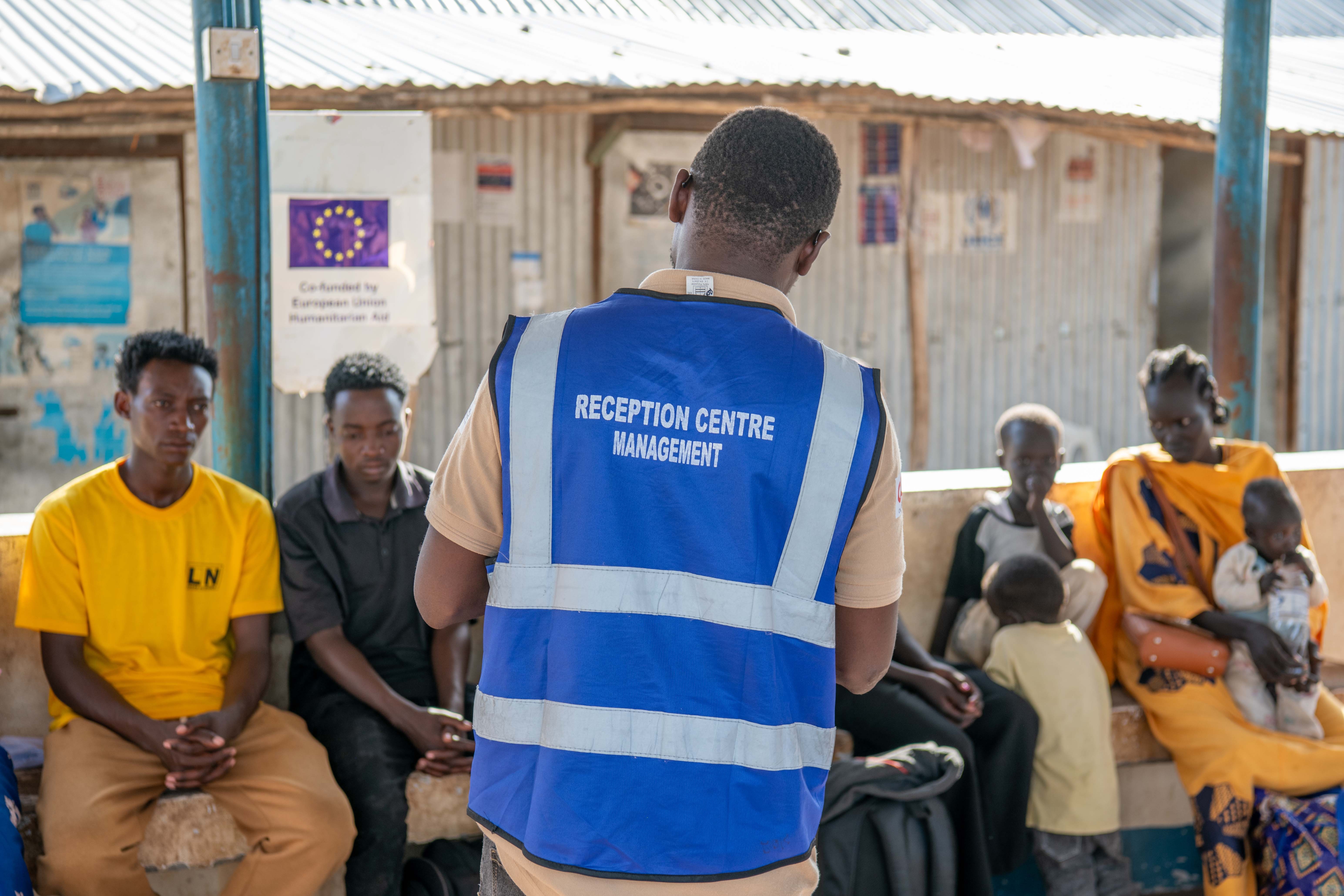
Reception centre staff engage with newly arrived refugees at Kalobeyei.
With EU humanitarian funding, UNHCR and DRS have been able to strengthen reception and registration processes. This includes deploying additional interpreters, expanding conflict-resolution support, providing essential non-food items, and supporting faster allocation of spaces for onward relocation into the camp community. From 1 January 2025 to 30 November 2025, a total of 15,154 new arrivals have been welcomed and processed in reception centers in the Kakuma Municipality. A total of 4,881 refugees and asylum seekers have been relocated from the reception centers to the community during the same period.
Biometric enrolment and regular data updates ensure individuals are correctly registered and verified so they can access assistance at the right time. These processes also help prevent duplication, strengthen accountability, and keep refugee records accurate.
The path to legal recognition
Legal documentation is a cornerstone of refugee protection. Proof of registration, Refugee Status Determination (RSD) decisions, and identity documents enable refugees to access essential services and move more safely through the asylum system and within the country of asylum.
Through ECHO and other donors' support, UNHCR and DRS continue to strengthen these systems in Kakuma through technical assistance, equipment, and training. This helps address registration backlogs, improve data quality, and ensure that vulnerable individuals are not left out.
Children over five are enrolled biometrically, while new arrivals and newborns are processed so they can be included in protection and assistance programmes without delay. By 30 November 2025, a total of 7,376 birth certificates were issued to newborns.
For families like Nyamam’s, being recorded in these systems offers more than documentation. It brings clarity about their legal situation and helps ensure that they can be reached by services that support their safety and recovery
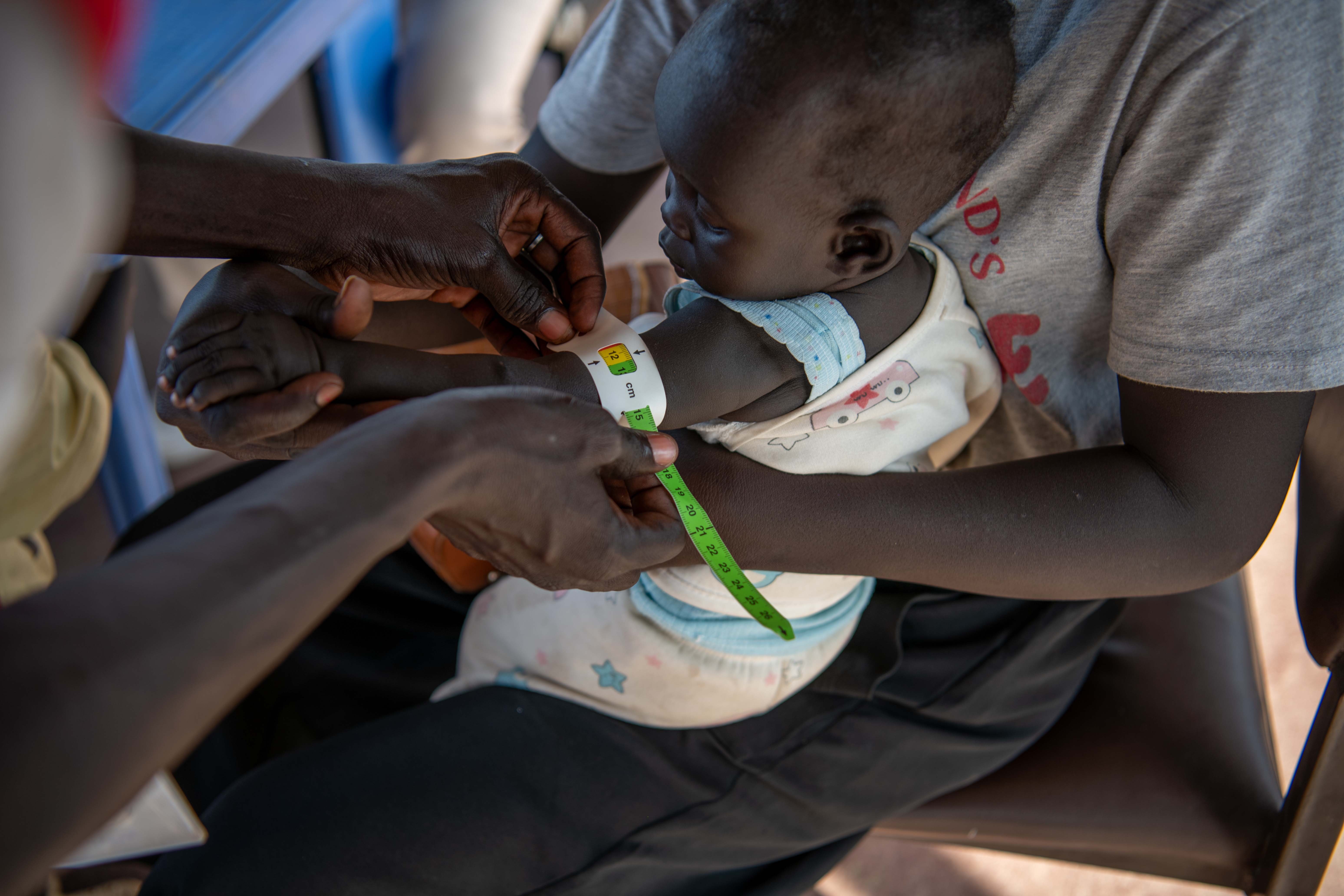
Routine screening during registration helps ensure children are included in protection and assistance systems in Kakuma.
A partnership that strengthens protection
From reception and registration to civil registration (birth certificates), RSD and documentation, ECHO’s humanitarian contribution supports a critical chain of protection actions. Together, these steps enable refugees to access essential services while reinforcing Kenya’s national asylum system.
UNHCR appreciates the ECHO’s continued partnership in this work. Their support translates into practical improvements in daily operations and helps ensure that newly arrived families are received, registered, and assisted with dignity as they begin rebuilding their lives in safety.


