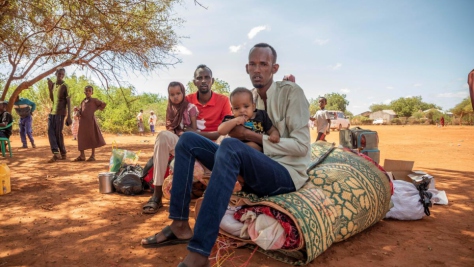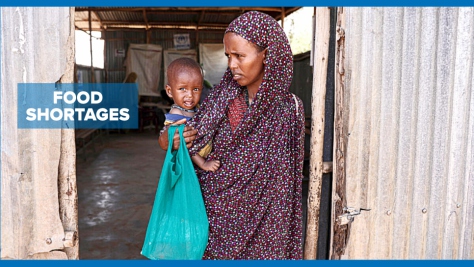
UNHCR strives to improve the nutritional status of all the people it serves.
Nutrition and Food Security on the Web
UNHCR and the World Food Programme monitor the nutritional status of refugees through regular surveys.
An outline for 2008-2012 of UNHCR's principles and strategies in HIV and AIDS, malaria control, nutrition and food security, reproductive health, water and sanitation.
Key findings of the GNA pilot survey, 2008
- 30 percent of needs are not being met
- A third of unmet needs are for basic needs and essential services
Measures are needed to improve:
- Food security and nutrition
- Health
- Access to clean water - construction or rehabilitation of wells
- Sanitation - construction or rehabilitation of latrines
- Distribution of non-food items
- Access to education - subsidies to students, school supplies, extra schools or classrooms, more teachers
To ensure better protection we will need:
- Training and technical support to governments
- Improved and ensured access to asylum procedures
- Enhanced reception facilities and procedures
- Documentation
- Border monitoring
- Strengthened community security measures
- To support justice mechanisms
To improve prevention and response to sexual abuse and violence we will need to:
- Provide firewood or fuel alternative
- Strengthen child protection programmes
- Enhance reporting and follow-up
- Establish safe houses
- Expand opportunities for women's self-reliance
Guiding principles and strategic plans for 2008-2012 in the five sectors of HIV and AIDS, malaria control, nutrition and food security, reproductive health and water and sanitation.
Related Internet Links on Avian and Human Influenza Issues
(external links)
Hungarian Crisis - 50th Anniversary
Gulf of Aden People-Smuggling: International Help Needed
Afghanistan: An Uncertain Future
Afghanistan's Internally Displaced
More than 4 million Afghan refugees have returned to their country since 2001, but continued insecurity has forced many to move again. They now find themselves on the economic edge because of spiraling food costs.
2009 Executive Committee Meeting
The combined impact of the economic downturn with the global trends of climate change, urbanization, increased population and food insecurity on human displacement were on the agenda of the annual meeting of UNHCR's governing Executive Committee.