Jun 28, 2023
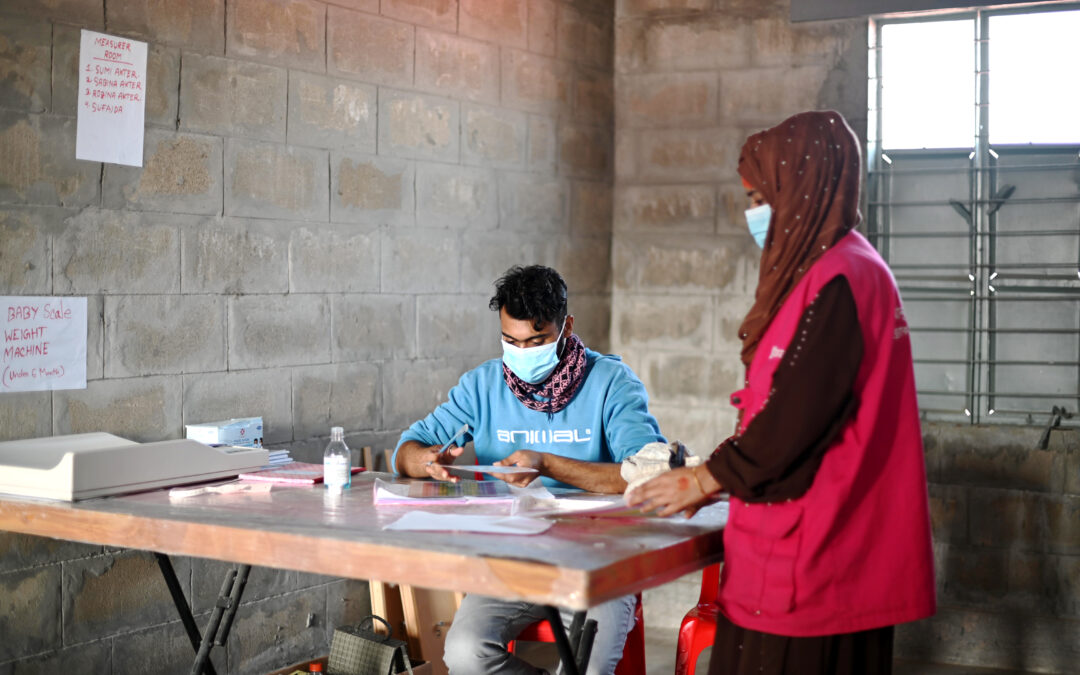
Sampling hard-to-reach populations has been a challenge for surveys for a long time. In the context of forced displacement, out-of-camp refugees, and internally displaced persons (IDPs) are particularly difficult to include in a sampling frame due to higher mobility compared to populations who reside in camps. UNHCR used Computer-Assisted Telephone Interview (CATI)-Assisted Telephone Interviews to collect household-level data of refugees and asylum-seekers.

Mar 27, 2023
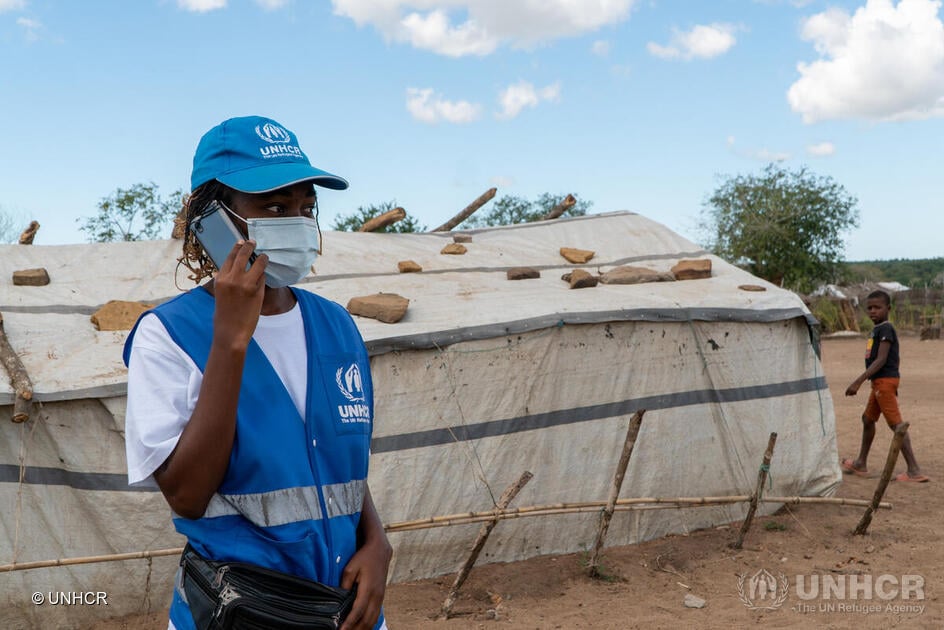
Data in humanitarian action can provide accurate and up-to-date information on the location, size, demographics and needs of populations affected by crises. This information is used to develop and implement targeted interventions, such as the provision of water, sanitation, shelter, and other critical emergency assistance to those who need it most.
Mar 6, 2023
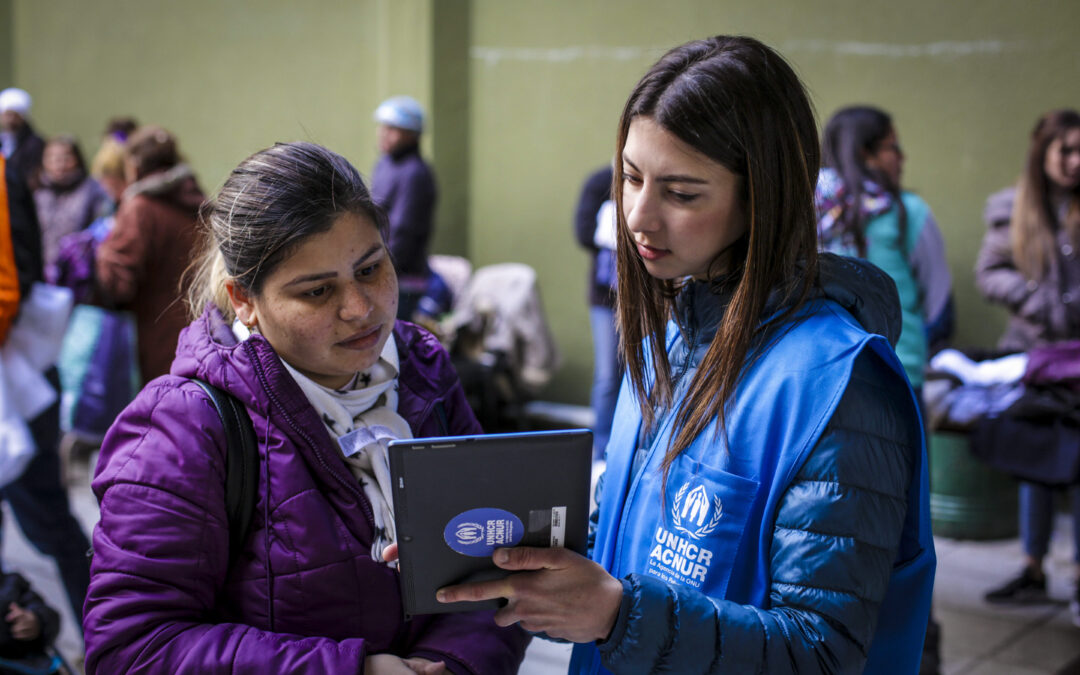
In today’s rapidly evolving digital world, personal data protection has become a critical issue. With the exponential growth of big data, large amounts of personal information are being collected, stored, and processed, making privacy a major concern for individuals, organizations, and governments alike. To safeguard personal data, it is vital to adopt Privacy Enhancing Technologies (PETs), which are a range of innovative technical solutions designed to enhance privacy and protect personal data. These technologies use encryption and other methods to secure personal information and prevent unauthorized access. As technology continues to advance, so does the potential for privacy technologies to protect personal data in a variety of ways.
Feb 24, 2023
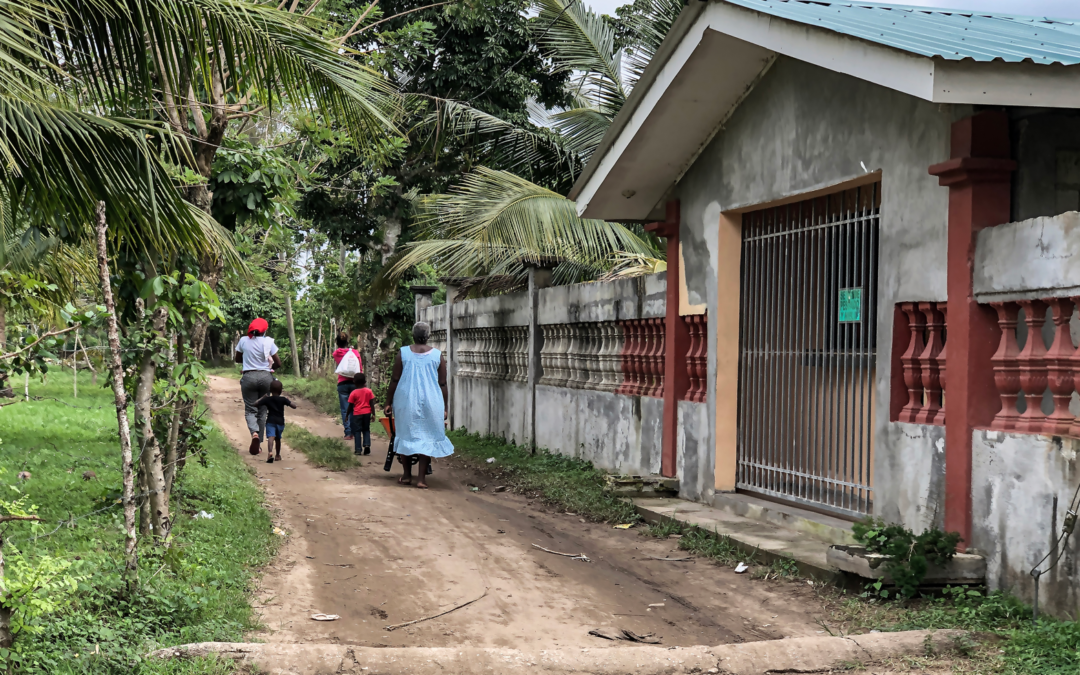
Inclusion of internally displaced persons (IDPs) in regularly collected national statistics provides the foundation for inclusion in services, policies, and development planning and help ensure that no one is left behind.
Feb 10, 2023
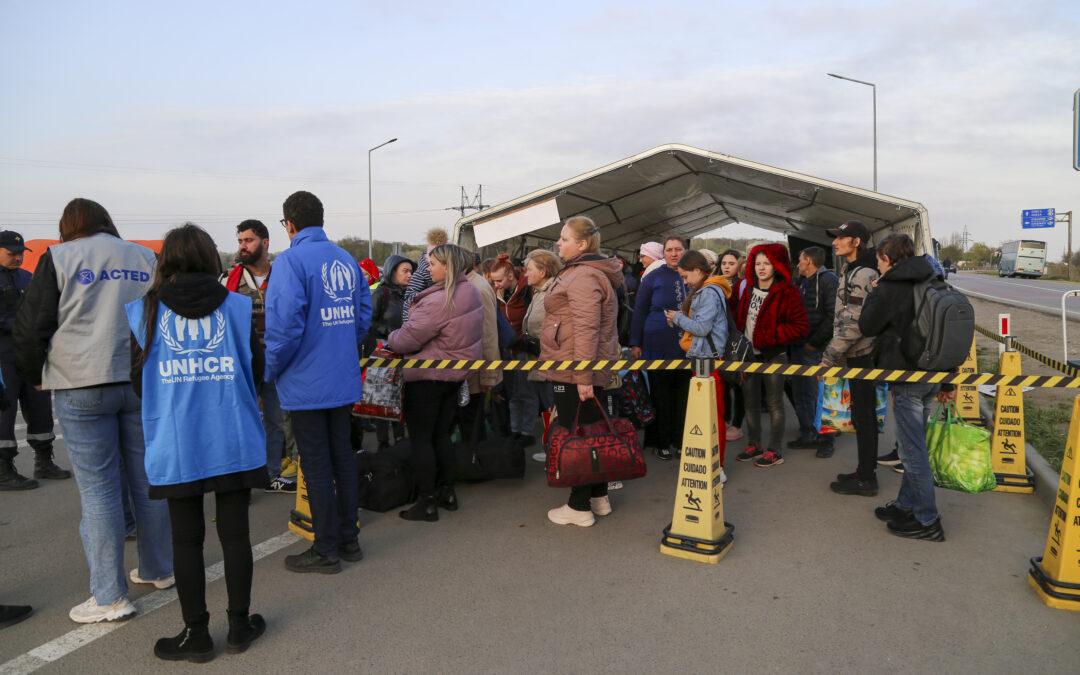
UNHCR developed a Nowcasting dashboard to provide an estimate of actual forced displacement figures when official figures are unavailable with an accuracy of close to 99% compared to officially published figures at the global level. These nowcasts are incredibly important in the humanitarian sector as they inform UNHCR and its partners of the rapidly changing situation in almost real-time and enable more efficient decision-making such as emergency resource allocation.
Apr 5, 2022
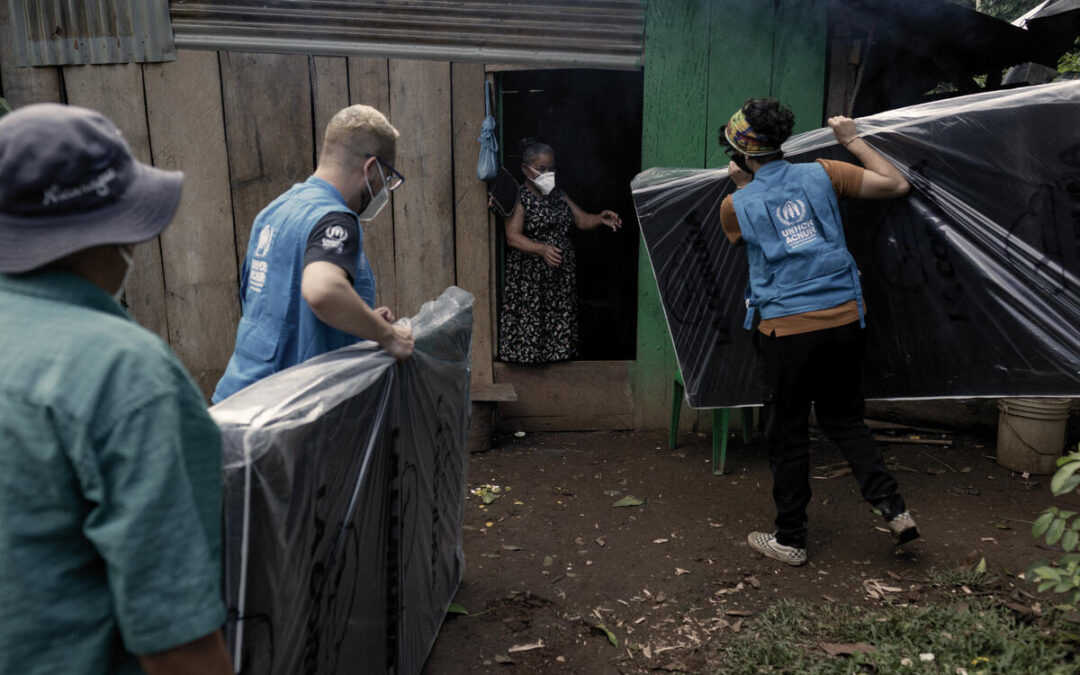
High-frequency surveys back up UNHCR’s operational assessment that displaced persons need more support to overcome socioeconomic obstacles while seeking refuge in Costa Rica.
Feb 23, 2022
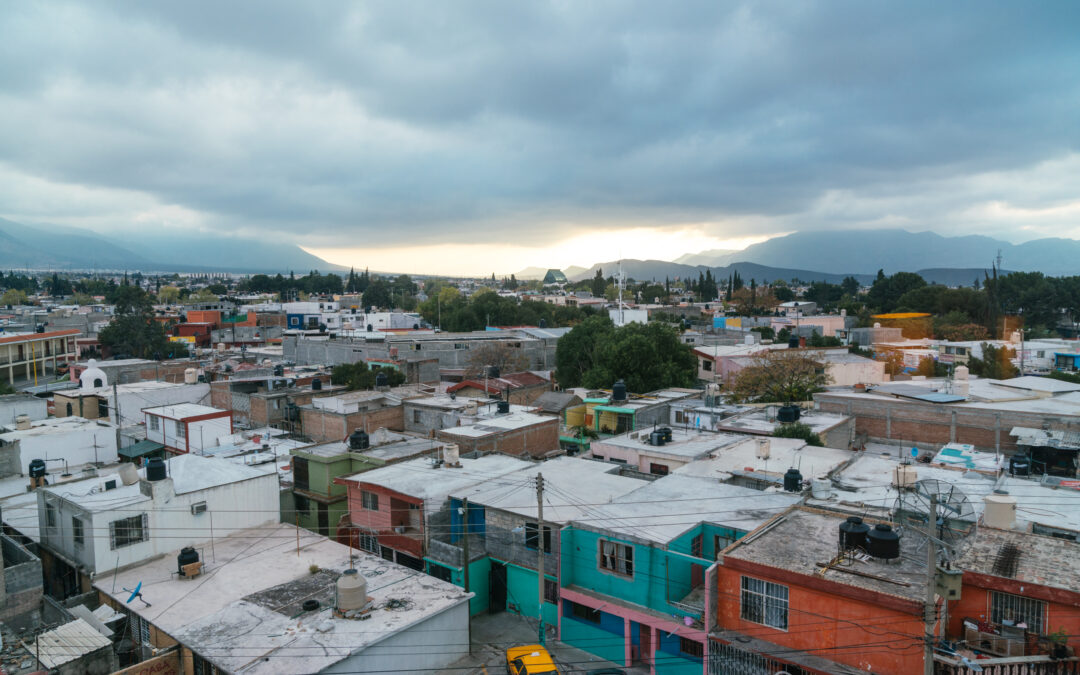
The DIMA Statistics team within the Regional Bureau of UNHCR in the Americas applies multiple strategies to improve the data quality of the 2021 Annual Statistical Report submission in line with the United Nations Statistics Quality Assurance Framework and UNHCR’s draft Statistical Quality Assurance Framework, which will be published later in 2022. In this post, we will present and explain these strategies.
Jan 6, 2022
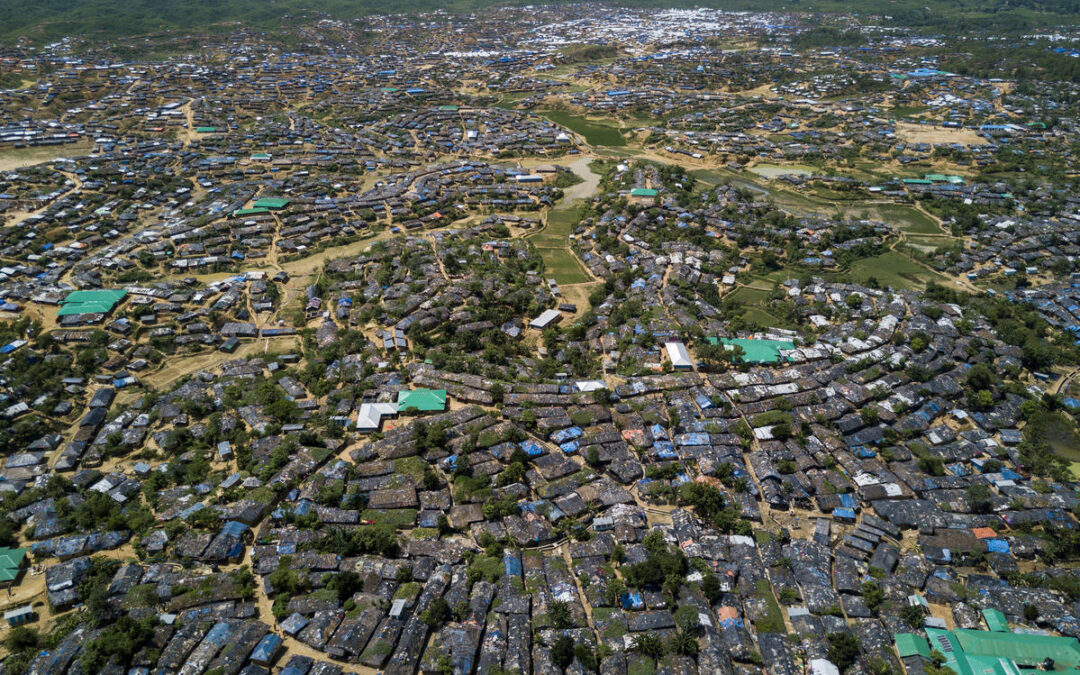
Big data can greatly improve early warning systems for humanitarian emergencies. But they must include potentially “invisible” populations, protect privacy rights, and be usable in cross-border settings.