



Powering Hope: How Reliable Electricity is Transforming Lives in Azraq Refugee Camp
Powering Hope: How Reliable Electricity is Transforming Lives in Azraq Refugee Camp

A Daily Struggle Turned into Relief
For years, families in Azraq Refugee Camp faced a harsh reality: electricity was only available for a maximum of 15 hours a day. This limitation impacted every aspect of life - from cooking and heating to studying and accessing critical medical care. When the lights went out, so did opportunities for safety, learning, and dignity.
Today, thanks to UNHCR’s Energy Dispensers Project, 2000 families of refugees can enjoy round-the-clock electricity, bringing comfort, security, and increased hope to their lives. This initiative is more than a technical upgrade; it is a lifeline for families who have endured years of electricity outages.
Why This Project Was Important
Before diving into the details of the Energy Dispensers Project, it’s important to understand the foundation that made this possible: Azraq’s Solar Power Plants and South Amman Solar Plant
Azraq’s Solar Power Plants and electrical network were installed in different phases between 2017 and 2019, which were fully donated by IKEA Foundation and the Saudi Fund for Development, which marked a turning point for sustainable energy in Azraq camp. The plant was designed to reduce carbon emissions and provide clean energy to thousands of refugees. However, as the population grew and energy demand increased, another project was completed in 2023 where KFW donated 46 megawatts where Azraq camp receives around 11% of the yearly generation. Azraq camp was also linked through the national electrical network of Jordan’s through Green Corridor project, which is a large‑scale investment aimed at strengthening Jordan’s high‑voltage electricity transmission network to support the integration of renewable energy and improve overall supply reliability, funded by the European Investment Bank.
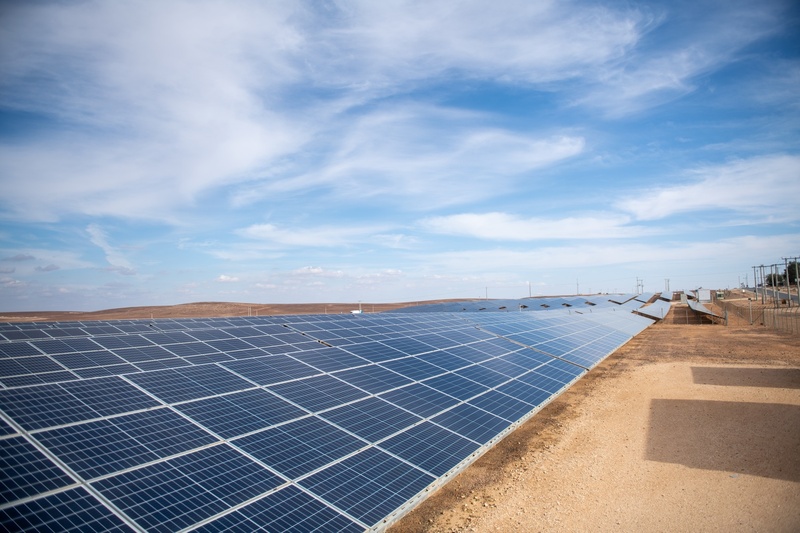
UNHCR and partners realized that equitable distribution and efficient management were critical. This is where the Energy Dispensers Project came in.
A Solution Born from Necessity
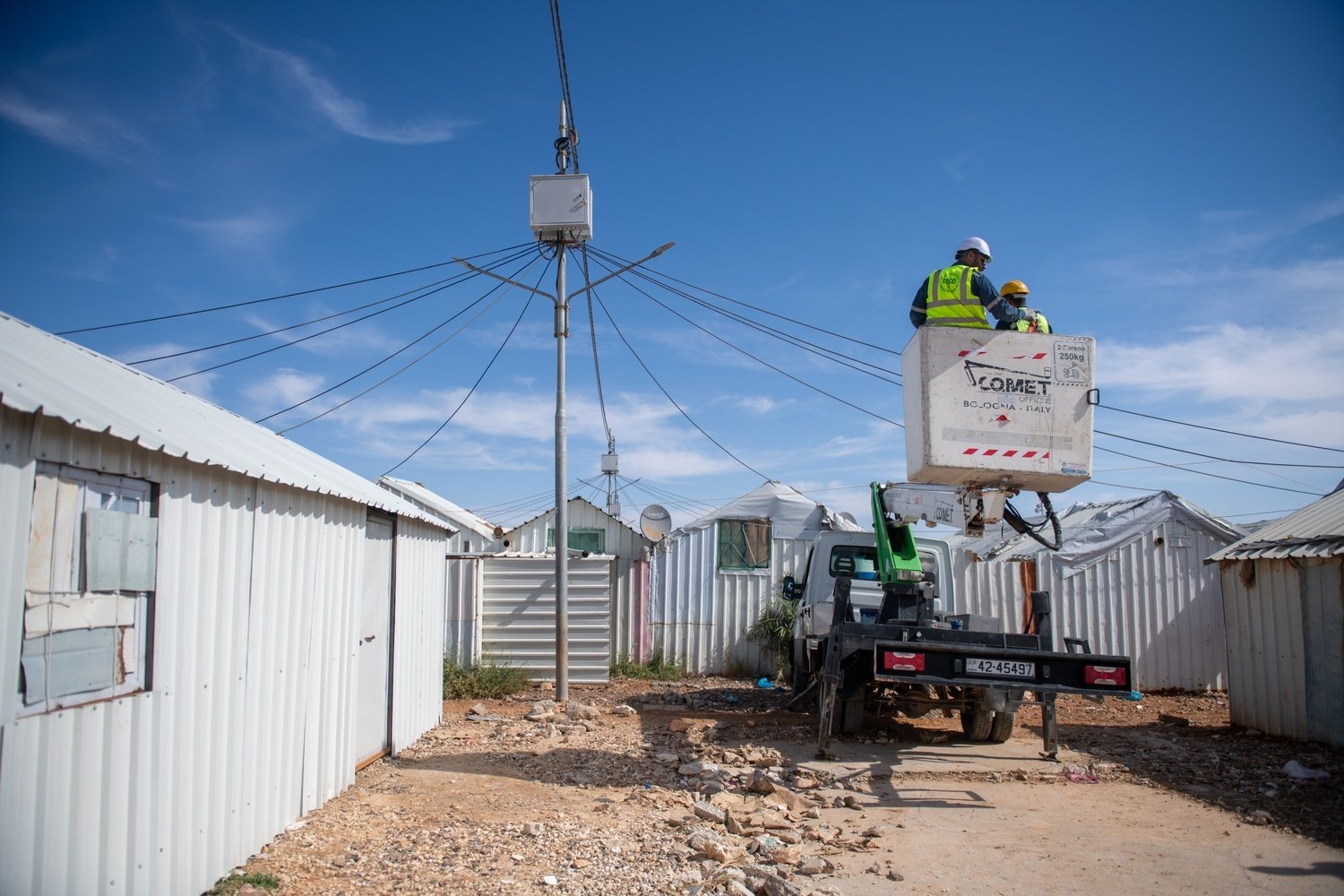
UNHCR and the Electricity Distribution Company EDCO observed the heavy load on the camp’s power supply and pondered upon what could be done to make a more sustainable system, offering families with electricity for longer hours and allowing everyone to manage their own electricity usage. The energy dispensers were the solution.
One of the biggest challenges was accessing the different blocks in the camp with heavy equipment and machinery, especially given the heavy presence of children. Despite these obstacles, we managed to overcome all challenges and complete the installations safely. Engineer Mohammad Al-Sadi, EDCO’s Eastern Region Manager, explained.
Impact on Lives: Stories of Change
Zainab: A Lifeline for Health and Joy
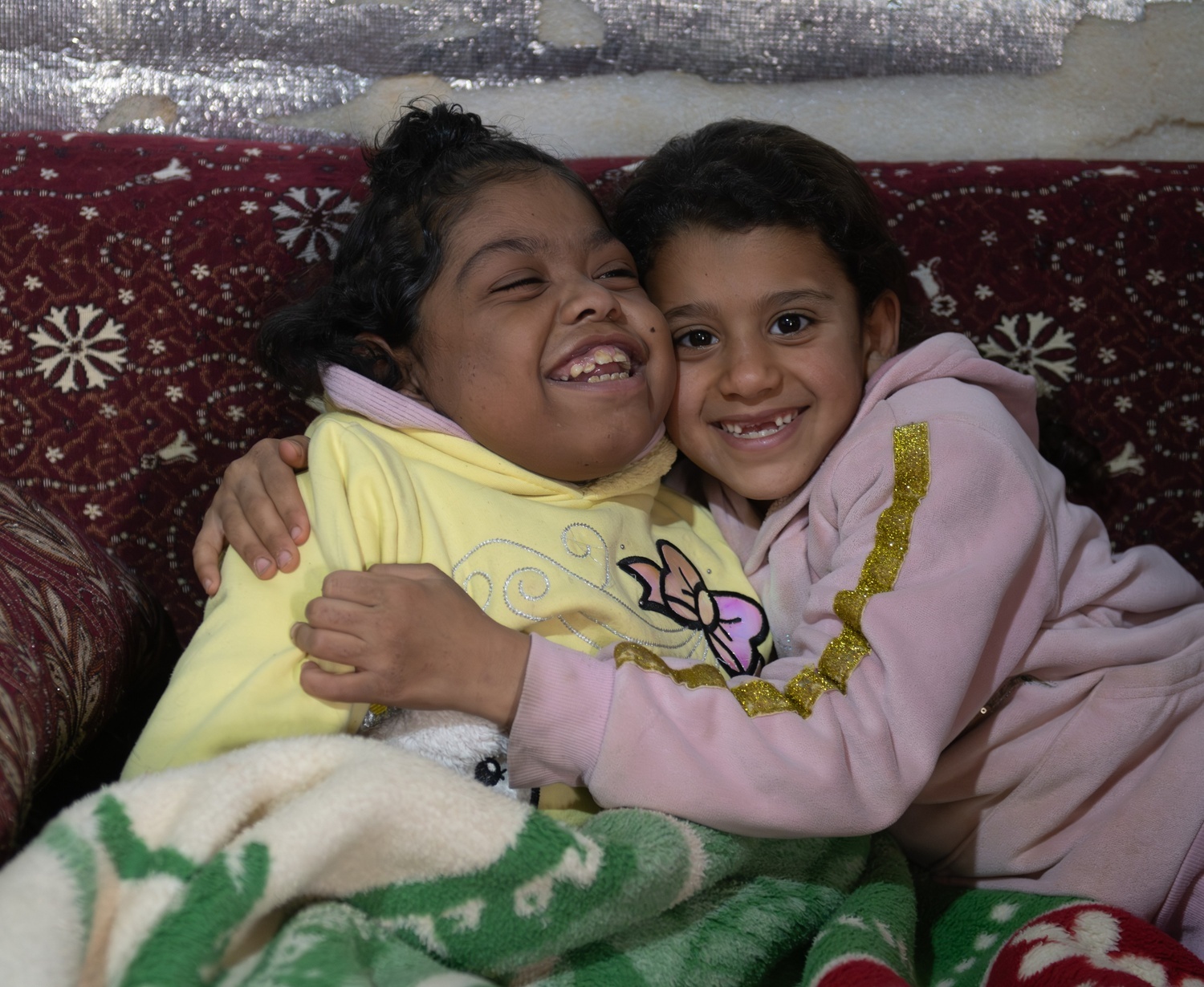
Thirteen-year-old Zainab has been bravely battling kidney failure, requiring daily dialysis sessions. Before the project, frequent power outages made it nearly impossible for her family to prepare for these life-saving treatments safely.
Her father, who has ten children, shared:
“I can now operate the kidney dialysis device for Zainab anytime I want, in our home, at her comfort, without having to move her to a hospital. Since Zainab is paralyzed, moving her outside is very challenging.”
Zainab herself was thrilled when she learned electricity would be available 24/7:
“I can watch more TV and learn more songs!” she said with a big smile.
For Zainab and her family, this project means more than power - it means dignity, safety, and a chance for her to enjoy childhood moments despite her health challenges.
Breathing Easier
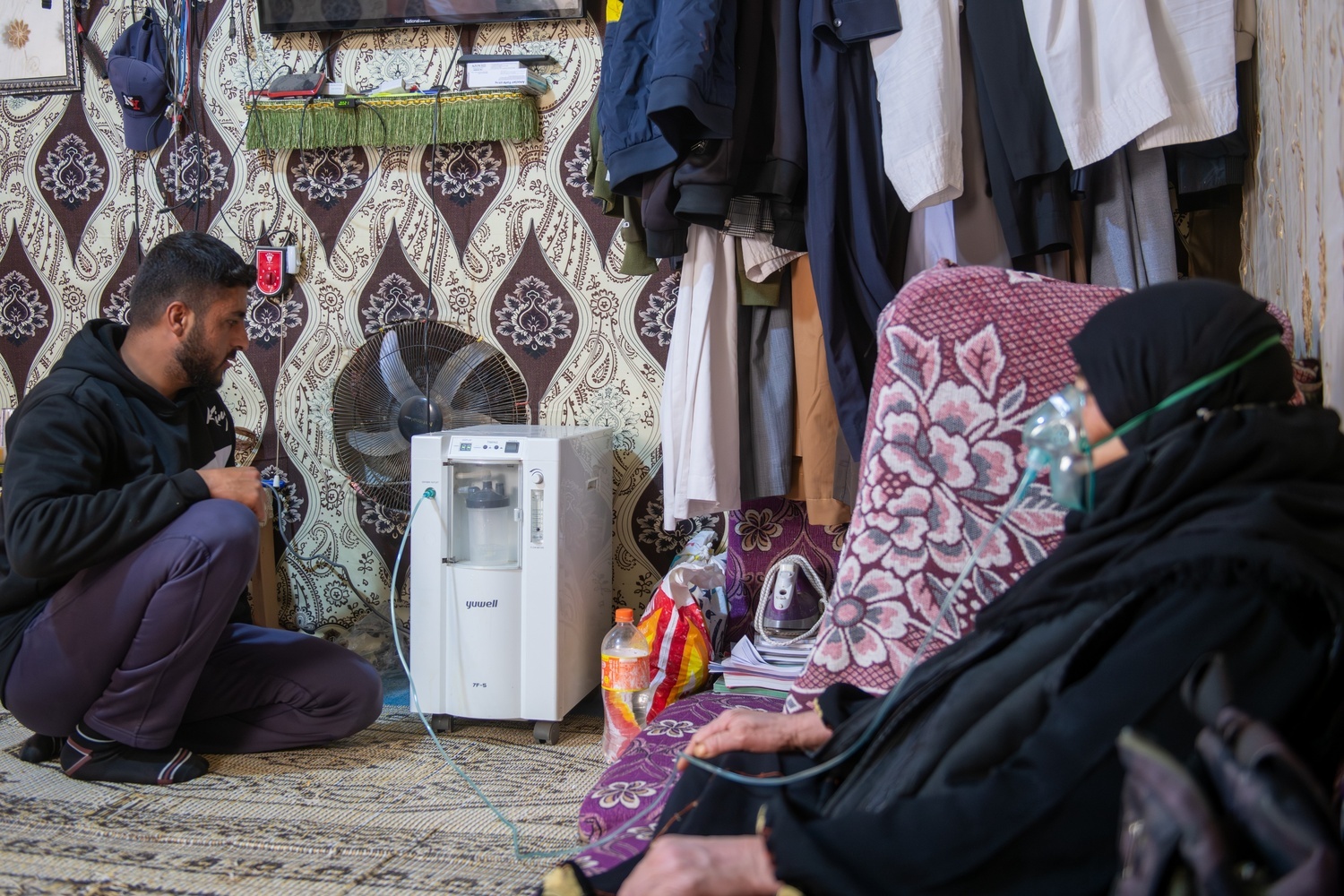
Fawzia Al-Ali, 64, suffers from asthma and breathing difficulties. She shared:
“Having electricity provided 24/7 made my life easier and helped me overcome sudden asthma attacks immediately without waiting for an ambulance.”
“Now I don’t have to call 911 every time my mom has an asthma attack. We have a ventilator donated by a neighbor, and now I can turn it on immediately, day or night, without worrying like before.” Her son, Saleh, added.
When an asthma attack turns critical, waiting even one minute for an ambulance can mean irreversible respiratory failure; immediate access to ventilatory support is the critical gap between life-threatening risk and instant stabilization.
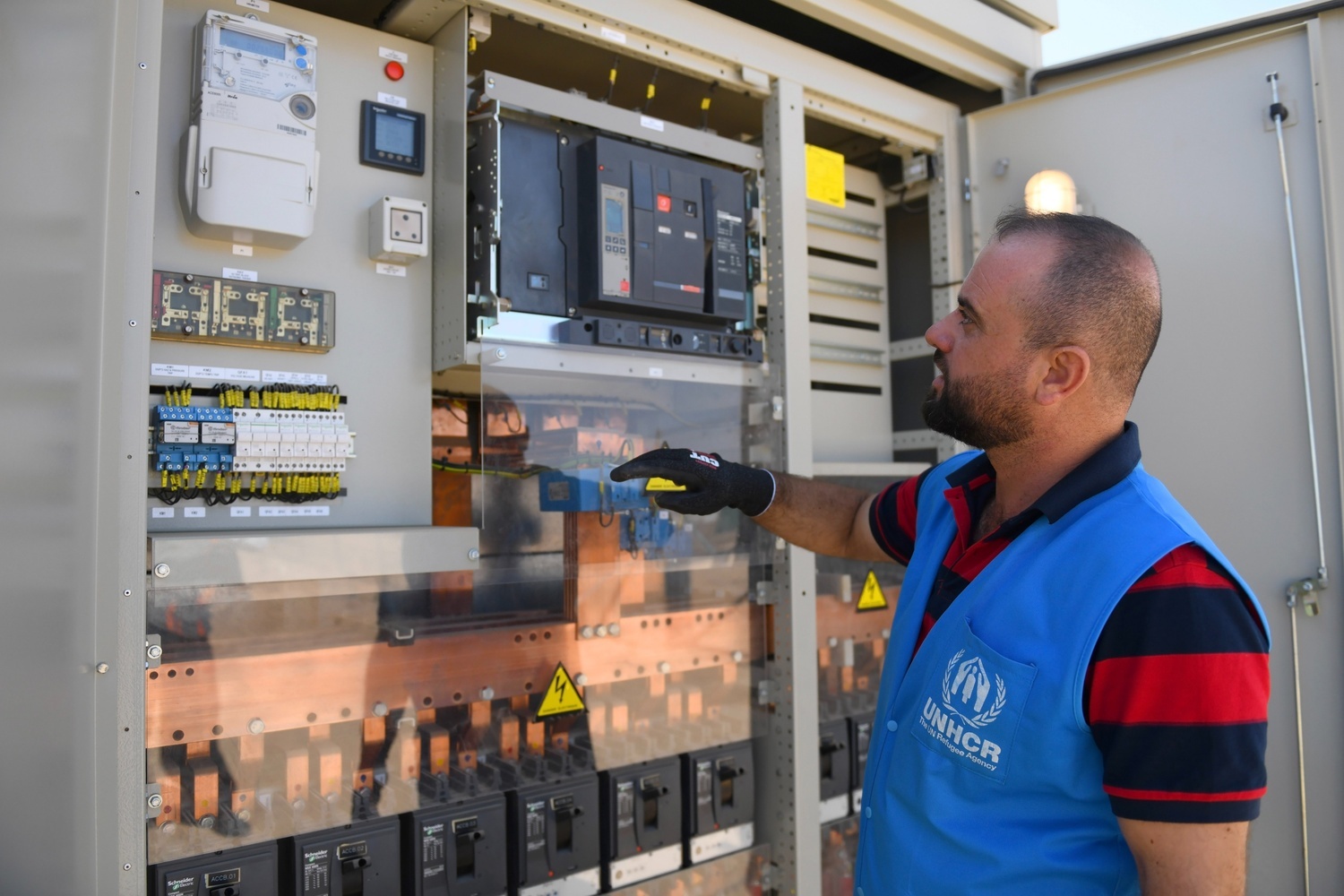
Hatem Al-Balkhi, a refugee electrician and UN Volunteer who worked on the project from start to finish, shared his unique perspective:
“I have seen the change from a technical, operational, and living level since I was responsible for working on the project. But I also live in the camp. The change is great, and people are really appreciative of this approach. Now they have more dignity to use electricity at their own pace, whenever they need or want to use it.”
Hatem’s words reflect the dual impact of this initiative - improving lives while empowering refugees to be part of the solution.
Beyond Health: Education, Opportunity, and Comfort
Reliable electricity is not only saving lives - it is shaping futures. Students in Azraq Camp can now study after sunset without worrying about power cuts. With lights on and tablets charged, children can prepare for exams, complete homework, and access online learning resources.
Teachers report that students are more engaged and confident, knowing they can continue learning even in the evening. For many families, this simple change represents a profound shift: education is no longer interrupted by darkness. Households can also now use essential appliances like refrigerators, fans, and heaters without fear of sudden outages. This stability improves hygiene, food safety, and overall well-being.
Technology at Their Fingertips
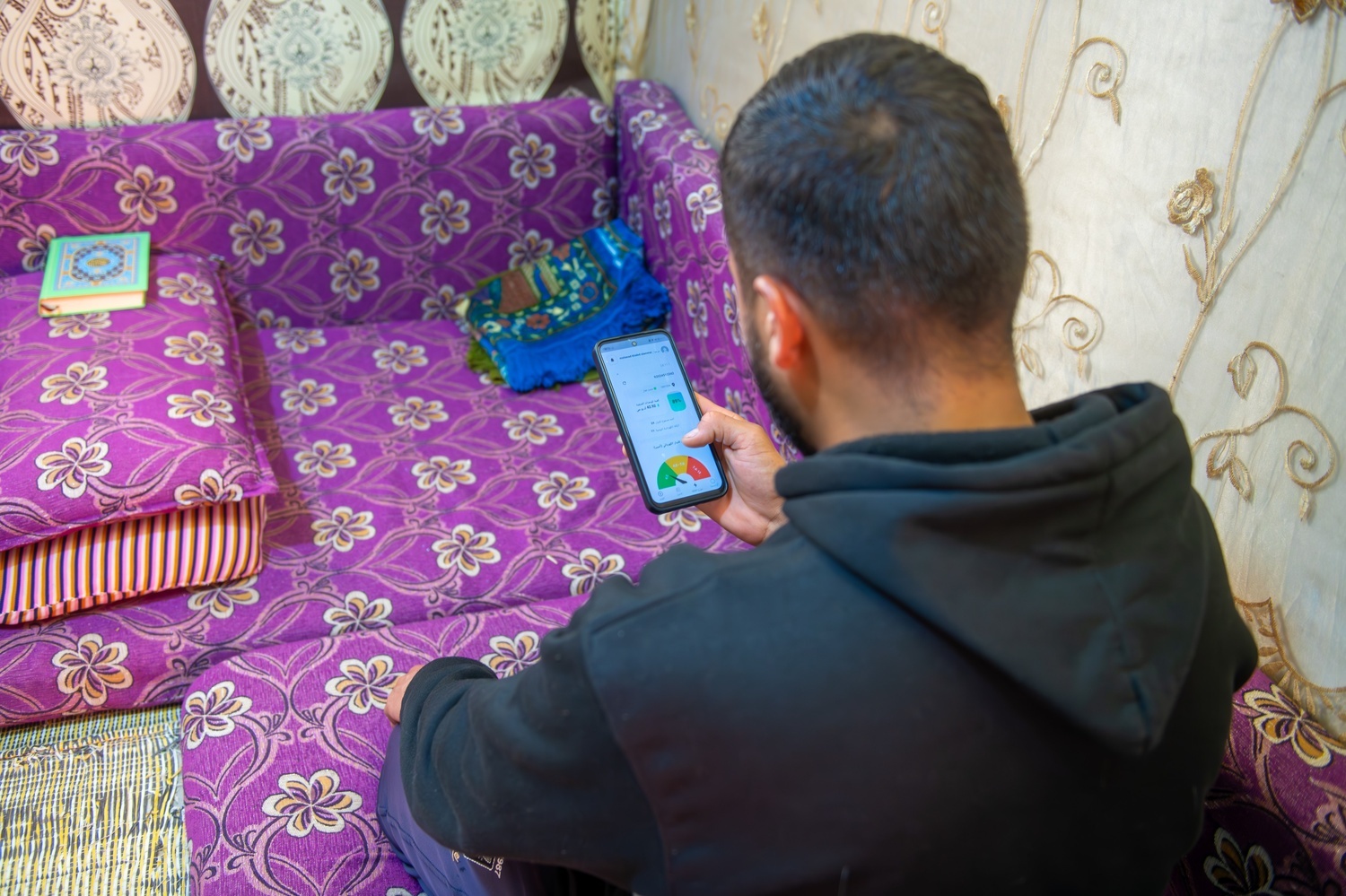
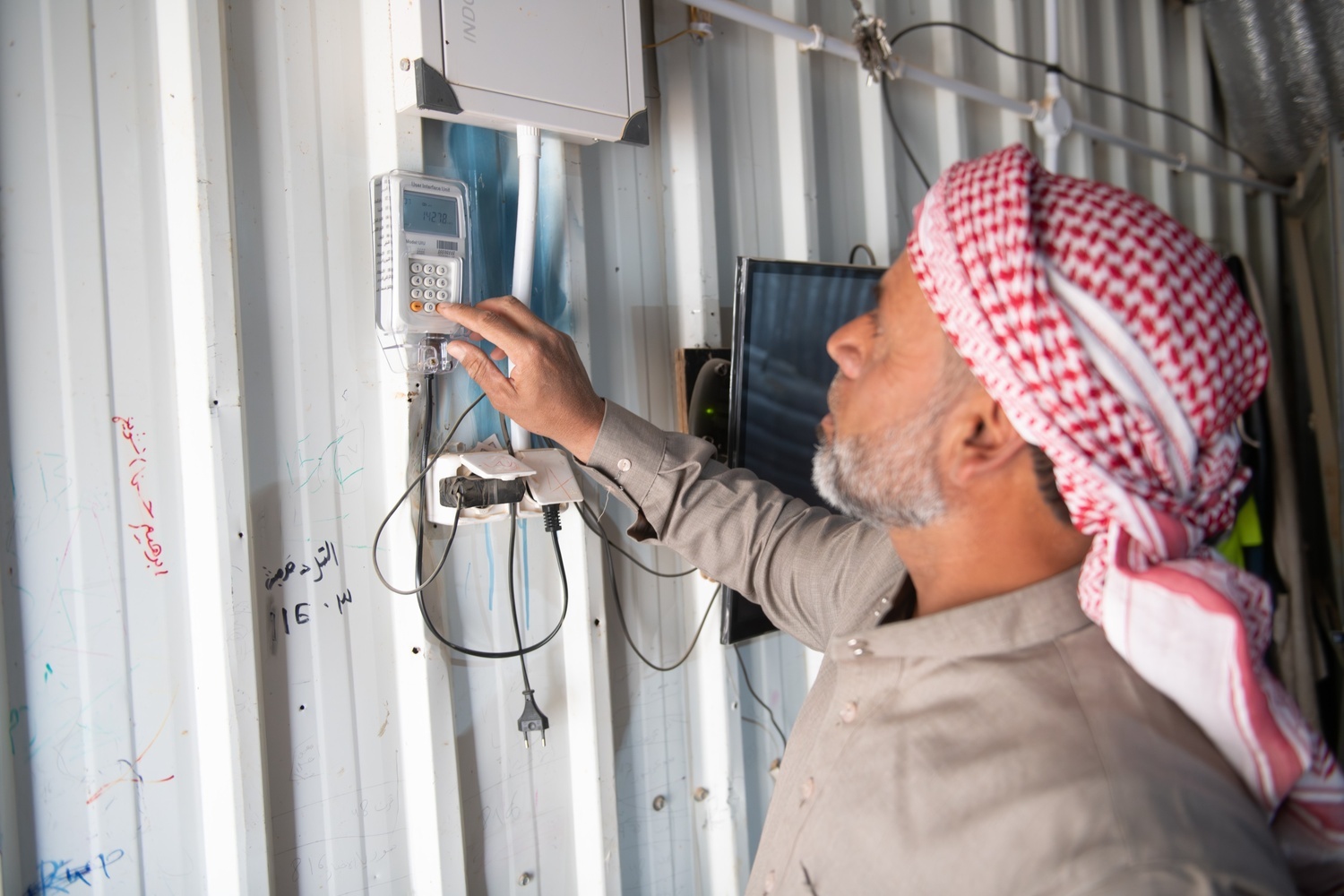
Refugee families can track their daily energy consumption through a mobile app. This app allows families to track their daily consumption, check remaining balances, and even transfer unused energy to the next month. Combined with in-home display screens, this technology empowers refugees to manage their energy use efficiently and provides them with a sense of responsibility in smart usage of energy.
Looking Ahead
Phase 1 of the project focused on Village 2, installing approximately 2,000 energy dispensers that benefited more than 10,500 refugees. These dispensers ensure fair and transparent distribution of electricity.
Phase 2 - scheduled for completion by mid-2026 - will expand coverage to 70% of Azraq Camp.
As Hatem said, this project is more than wires and meters - it is about restoring dignity and giving people control over their lives. From Zainab’s dialysis sessions to Fawzia's ventilator and the students studying under bright lights, the Energy Dispensers Project is transforming Azraq Camp one household at a time.
This approach aligns with UN Sustainable Development Goal 7: Affordable and Clean Energy, promoting sustainable energy access for all.


