After over a decade of displacement, Syrian refugees in Jordan refuse to surrender to despair. Their resilience shines as they navigate a maze of challenges striving to rebuild their lives against all odds.
Now, 13 years into the crisis, in a country with scarce resources and hosting the second-largest refugee population per capita globally, challenges loom large amidst dwindling funding and support, from cramped living conditions to limited professional perspectives. However, refugees still find ways both tough and creative to keep going.
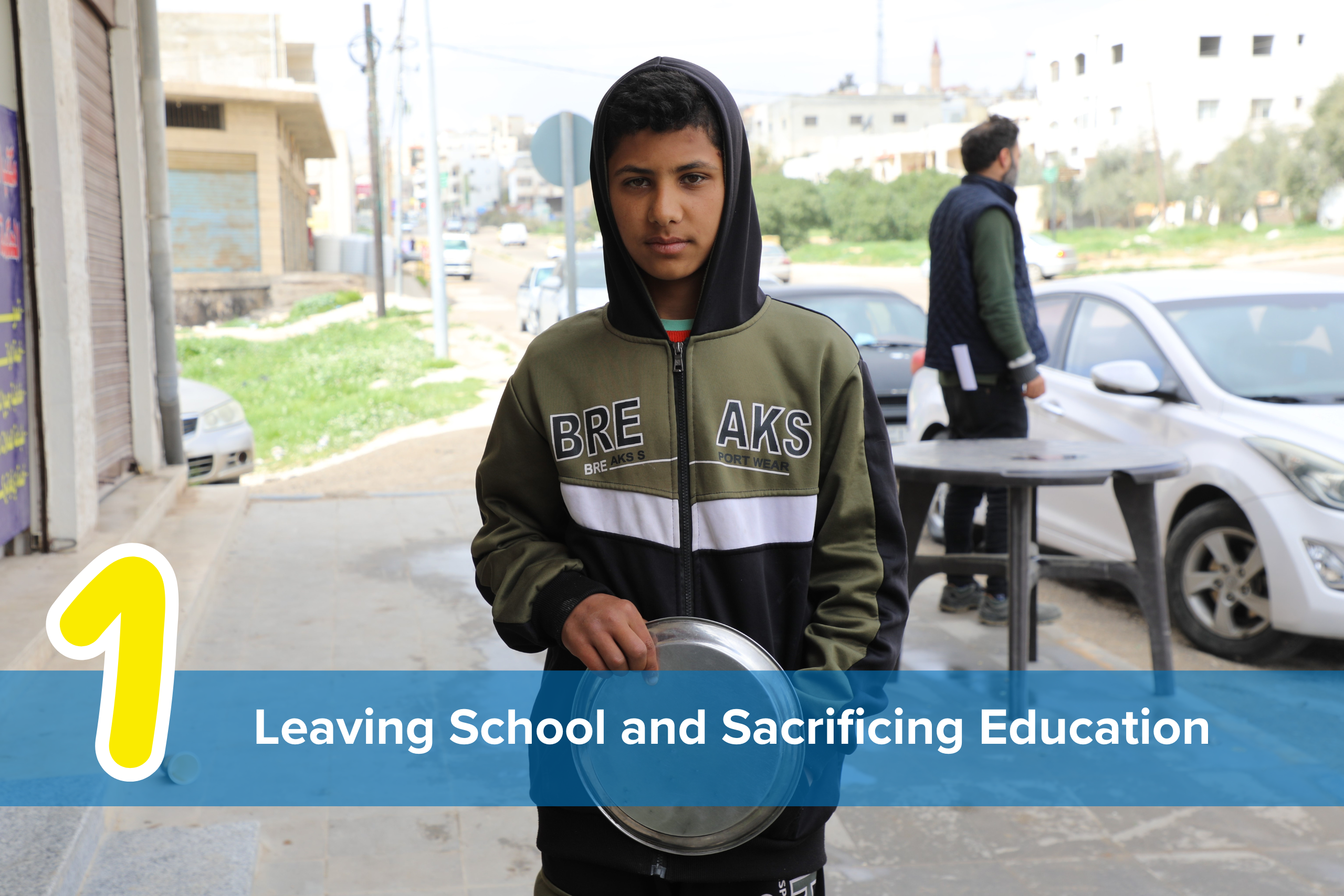
“With my dad sick, I had to leave school to help out and support. Mom’s job is not enough for the six of us especially that we were cut from the assistance. I dream of returning to school to become a doctor one day, but I also feel the weight of responsibility on my shoulders."
Mousa, 14-years-old, works at a coffee kiosk instead of attending school to support his family alongside his mother.
“After the assistance stopped, I had to accommodate and change the food my family and I are used to eating. Meat and chicken are a luxury we can only dream about now, we barely have some bread and vegetables for a decent meal.”
Mudhi, 53-years-old, resides with his wife in an informal tent, relying on inexpensive food choices like potatoes and eggplants to ensure they have enough to eat.
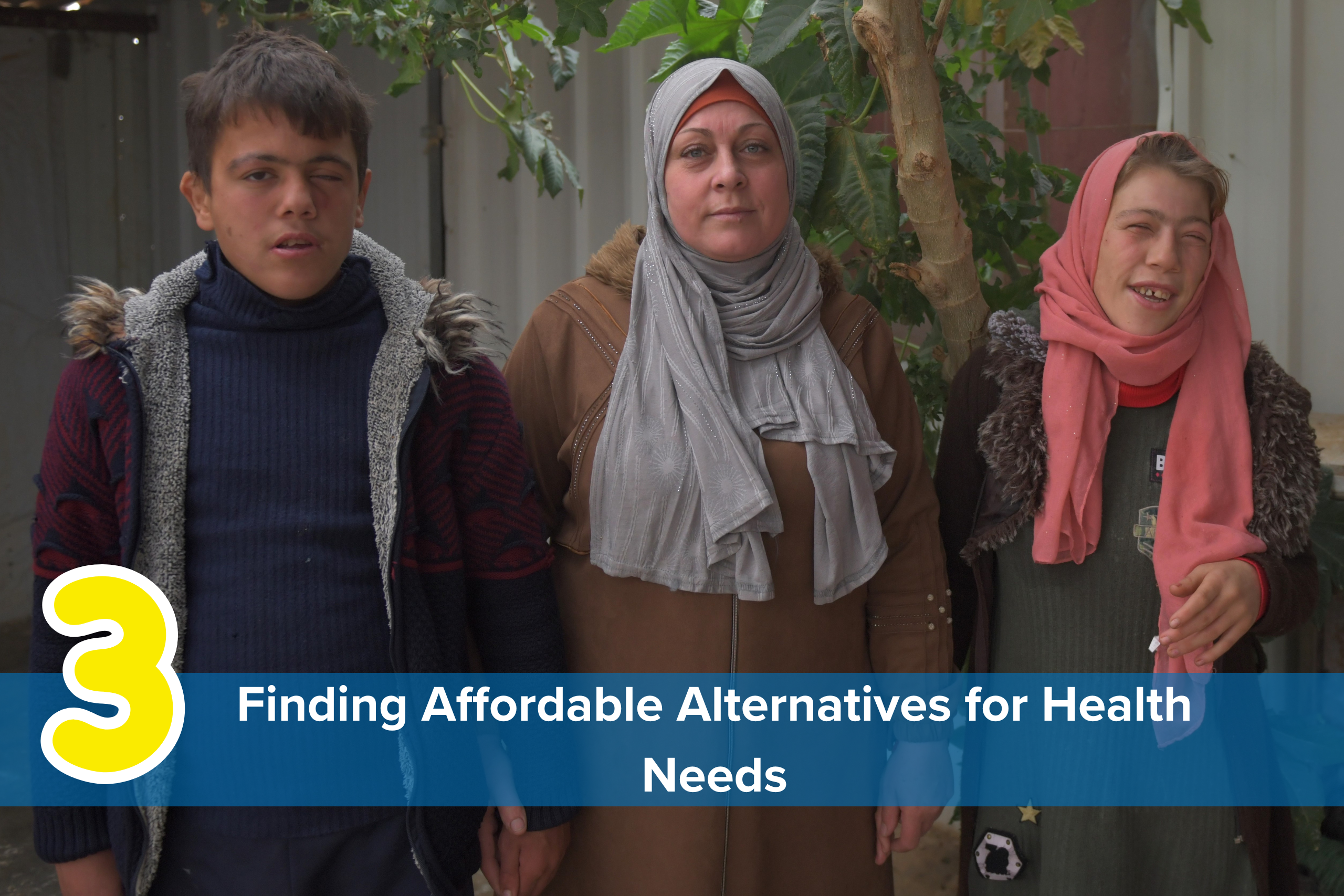
"One morning, I noticed a white ring forming around my children's eyes, I knew something was wrong. The doctor confirmed they had cataracts and needed surgery within four years, or they would go blind in that eye. But we couldn't afford it. So, we turned to mental health support to help us accept the situation and keep our spirits up."
Suhaila, 45-years-old living in Azraq camp, faces challenges in accessing healthcare for her children who have various disabilities.
“When I found out I am not getting monthly assistance anymore, everything turned upside down. It was the only thing keeping a roof over our heads. I had to find a cheaper place. Now, we are in a cramped and cold apartment that we cannot call home. During winter, our clothes rot due to extreme humidity. The kids hate it. It is awful knowing I cannot change it. I feel helpless."
Issa, 44-years-old, suffers from arteriosclerosis that is preventing him from working, making it impossible to care for his 10 children.
"Electricity is a basic need, that many others like me cannot afford. I burn plastic and nylon to stay warm, boil water to shower, and keep our home dark with just one lightbulb to save money. Even with all these sacrifices, I still struggle to pay my bills.”
Sayyah, 50-years-old, and his wife Ameera, 44 years old, find it hard to pay for electricity since the subsidies to the tariff stopped.
“From 2014 to 2018, hardly anyone begged on the streets when help was around. But things changed after COVID-19 hit.
According to the department of anti-begging and solicitation, 29 per cent of those who were found begging in Jordan were refugees, and more than half of them were children. The boys and girls tell us that education does not matter if they can't find food. They are so vulnerable that they do anything to survive.”
Abdallah Ibrahim, Associate Child Protection Officer at UNHCR, working with the anti-begging department on trainings, workshops, and livelihood opportunities to limit street begging.
"I will carry the pain of losing my son forever. When I look at his pictures and hold his belongings, I sense his presence with me.
He left school to support us until he turned 25. Realizing he could not build a family on the few Jordanian Dinars he earned each day, he risked his life to go to Europe, despite his fear of water, for the hope of a better life, and that was the last time I heard his voice."
Kholoud, 57-years-old, lost her 25-year-old son Mohammad on his dangerous quest for a better life as an asylum-seeker.
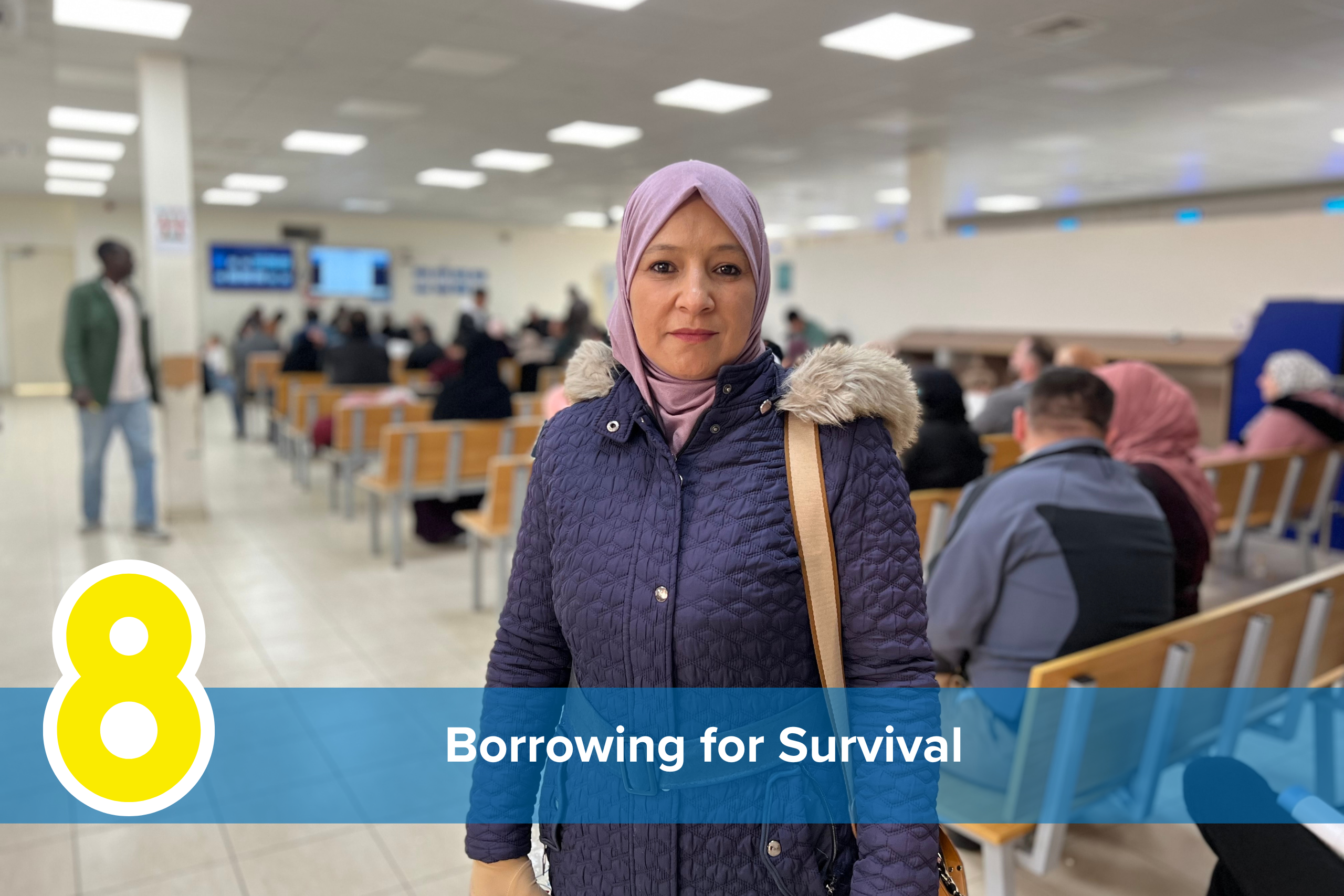
“I never thought I would have to beg for survival. For four years, I relied on dialysis, needing three sessions each week. But now, for the first time, I missed an entire week of treatment. I borrowed and borrowed until no one trusted me anymore. Now, I am faced with a choice no one should ever have to make: debtors' jail, toxin-induced paralysis, or death.”
Jawaher, 40-years-old, single, and residing with her elderly parents, who feel like she’s a heavy burden on their shoulders
"I always believed that failure is merely a steppingstone towards success. Since my arrival in Jordan, I have been driven by a promise to myself: to lend a helping hand to those in need. Every smile I managed to bring to a refugee's face has meant the world to me. Through peer support and training initiatives, I strive to empower my fellow refugees to overcome challenges and emerge as leaders in our community."
Maher, 22-years-old, volunteer with the community support committees and the Red Crescent, providing refugees with life skills, leadership, and entrepreneurship trainings, and connecting them with volunteering opportunities.
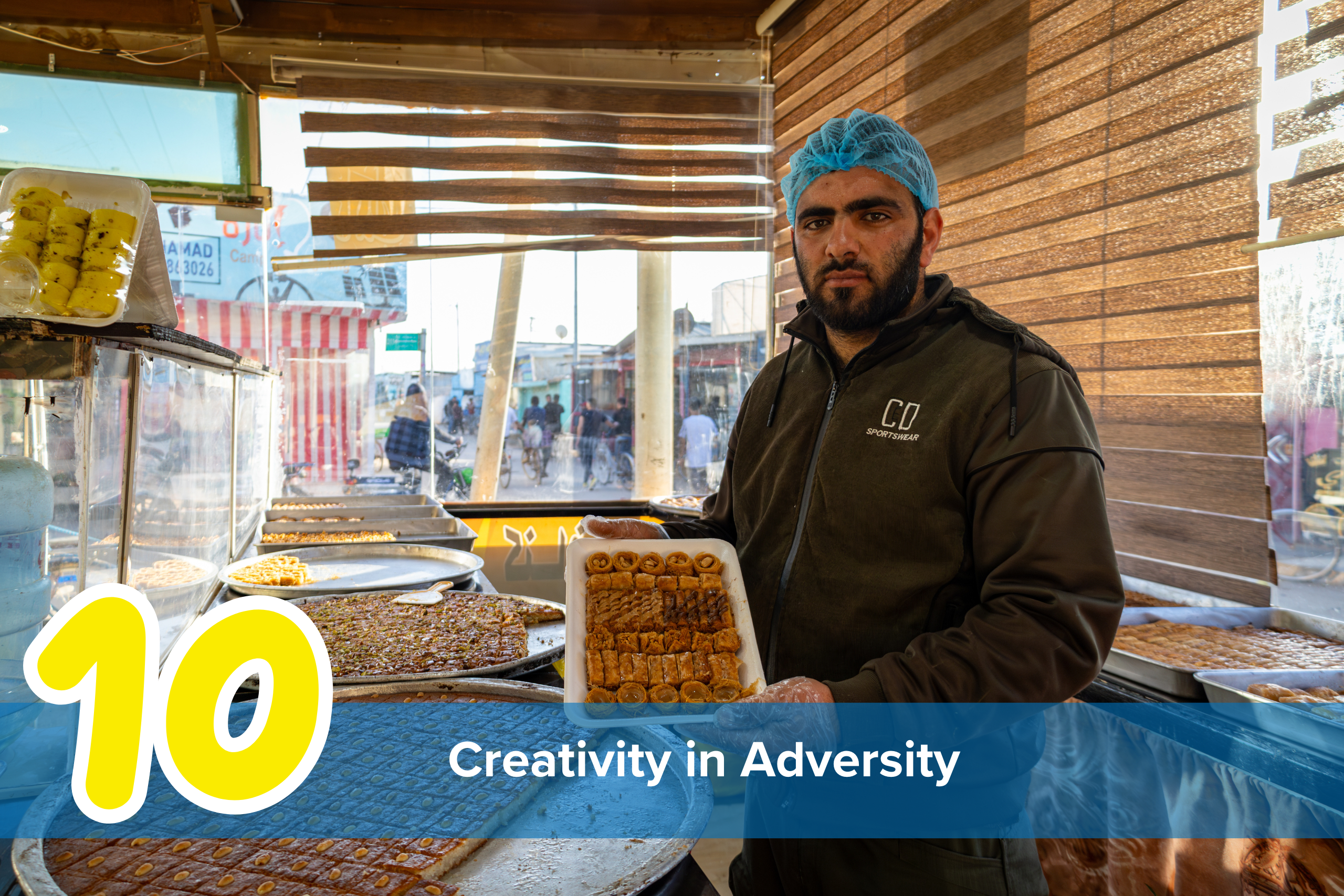
"The challenge of struggling to make ends meet sparked my idea. I decided to think outside the box and open a Kunafa booth in the camp which is something we lacked. This little venture not only supports my family but also enabled me to open my new sweet shop."
Ammar, 29-years-old living in Zaatari camp, utilized the diverse skills he acquired through years of experience in the traditional Arabic sweet sector to establish a stable source of income for himself and his family.
“When my husband got sick, everything changed. I had to figure out how to keep food on the table and pay for his medicine. Even though I can't read or write, I would never accept to rely on handouts; I believe in the strength and capability of women to provide for their families just as men do, and that's where I used my cooking skills, turning them into our lifeline."
Mervet, a 45-year-old refugee, running a home-based kitchen to secure her family's financial stability after her husband's heart attack left him unable to work.
"Refugees struggle to survive. Elderlies are drowned with debts, relying on charity. Child marriage and school dropouts increased. Many lose hope in education due to financial limitations, seeking irregular travel. We encourage them not to give up, we try to connect them with any services, jobs, and charity initiatives in the country."
Yasmeen, 33-years-old, a community support committee volunteer, aiming to alleviate the struggles faced by refugees.
“With four children relying on me, I could not simply watch from the sidelines. I pursued training in maintenance work while using my plumbing skills from Syria to work as a daily labourer. Now, I found stability in a detergents manufacturing company. It is a tough journey, but every step I take is for my family's future."
Mahmoud, 43-years-old refugee, determined to learn new skills and start a new chapter for his family, as he could not work in his profession as specialist in the oil sector.