



Refugee and host community women and girls forge pathways to self-empowerment
Refugee and host community women and girls forge pathways to self-empowerment

Unlocking doors through mentorship and education
When they first joined mentorship sessions in Kakuma at just 11 years old, Tiba Kakozi, 21, from the Democratic Republic of the Congo, and Asuna Joseph, 20, born to Sudanese refugee parents in Kakuma, could hardly imagine a future in higher education.
“I want to show other girls in Kakuma that it is possible. This opportunity is not just for me; it is for every girl who dreams of changing her story,"
“I never thought a girl like me, born and raised in Kakuma, could one day go to university. What I have learned is that mentorship and education can open unimaginable doors," says Asuna.
More than a decade later, their persistence is paying off. Both are preparing to begin their university studies in Nairobi, proving what is possible when opportunities meet determination.
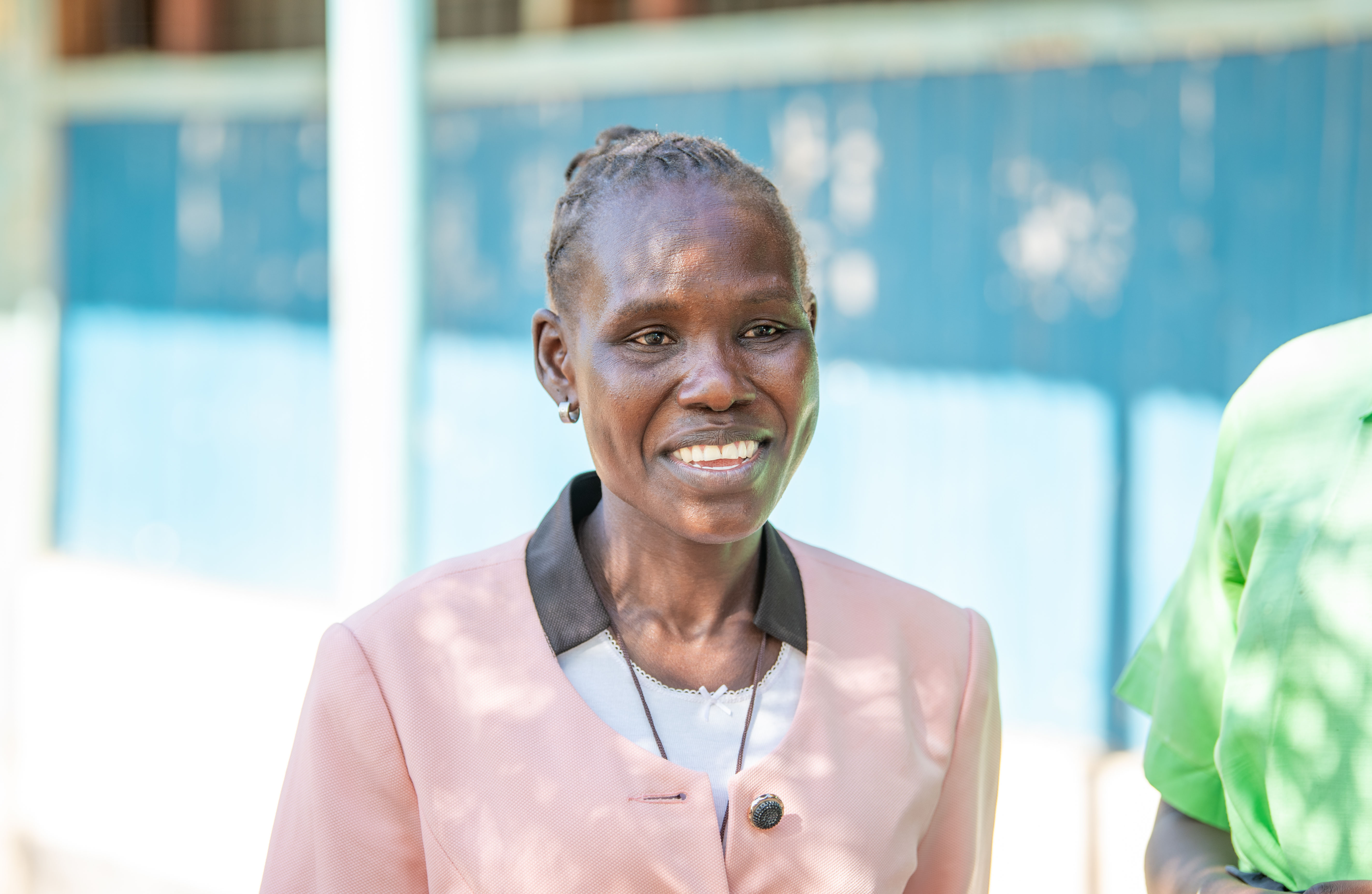
Chelia Rose in Kakuma refugee camp where iamtheCODE does training for refugee an dhost community girls and women.
Mentorship and support that matter
For years, South Sudanese refugee mentor and educator Chelia Rose has guided girls in Kakuma to discover confidence and new possibilities.
“When I see girls like Tiba and Asuna succeed, I know the effort is worth it. Every mentoring session is an investment in their future and in the future of our community,”
Through mentorship, digital learning, leadership training, school feeding and psychosocial support, girls are not only staying in school but excelling.
Kenya has taken important steps forward, including the introduction of lower secondary school and a 100 percent transition policy from primary to secondary education. But challenges remain - particularly for girls in crisis and refugee settings, where barriers such as early marriage, food insecurity and displacement trauma persist.
One partner driving change is iamtheCODE, the first African-led global movement dedicated to Science, Technology, Engineering, Arts, Mathematics, and Design(STEAMD) education for girls. For nearly a decade, iamtheCODE has worked in Kakuma and Dadaab, empowering girls through coding clubs, mentorship and nutrition programmes. The impact is visible: graduates report higher school retention, improved wellbeing and greater ambitions for higher education.
It was through iamtheCODE that Tiba and Asuna - once facing the prospect of dropping out - found new pathways into technology, leadership and self-reliance.
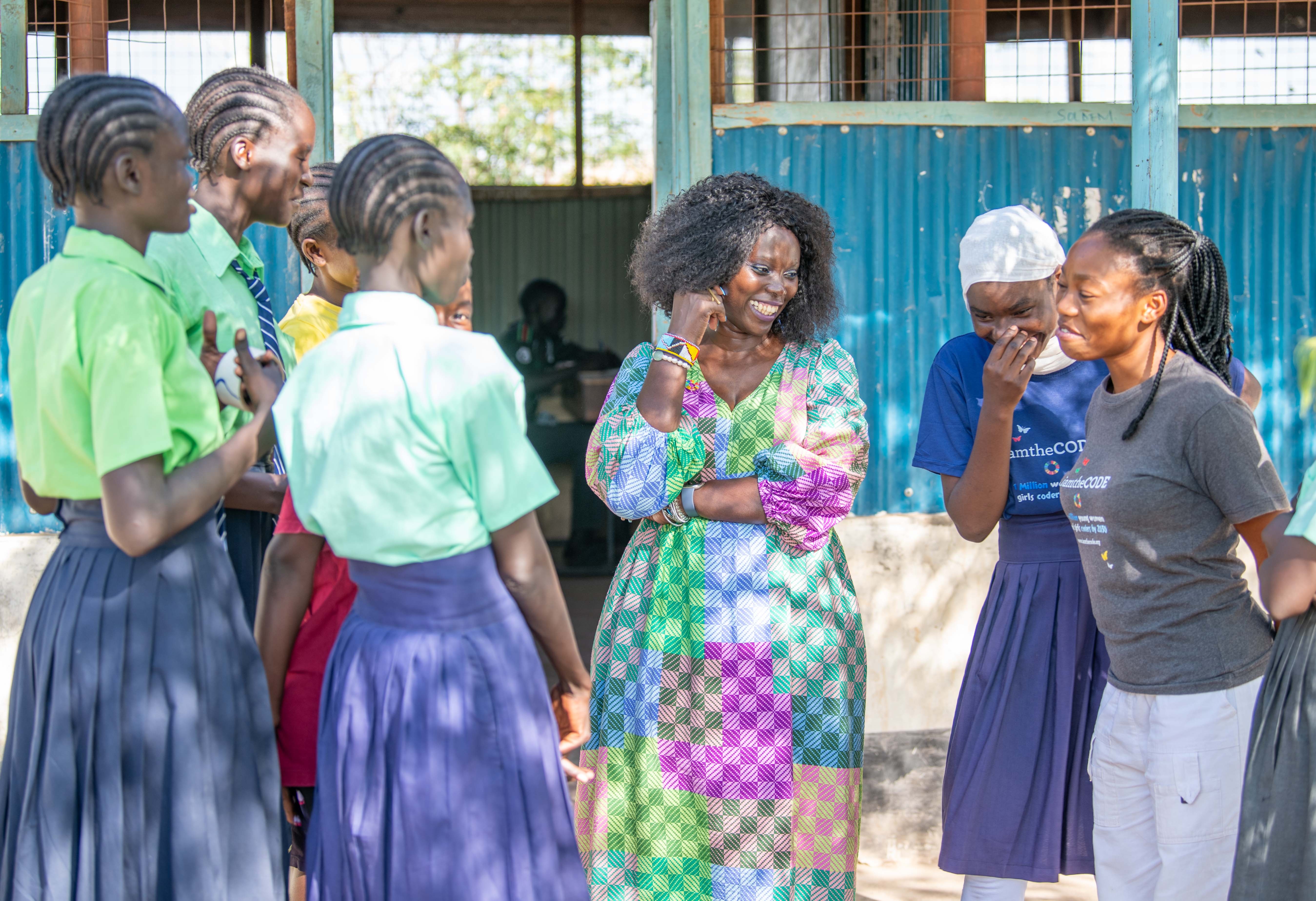
Lady Marieme talks with girls attending a mentorship session in Kakuma.
“It has been an honor and a privilege to serve young women refugees. As an African woman, I never imagined working alongside UNHCR to give these young women an opportunity. I see myself in them, and I hope that in the next five years we will secure more scholarships, expand feeding programmes, and ensure they have the life they deserve. I am deeply grateful to our donors and partners who make this possible and I commend the leadership of UNHCR for standing with us.“
Building Futures Together
These efforts support Kenya’s Shirika Plan and the Kalobeyei Integrated Socio-Economic Development Plan (KISEDP), which place education, digital skills and emerging technologies - including AI - at the centre of refugee inclusion and self-reliance.
Working alongside the Government of Kenya, Turkana County, iamtheCODE and other partners, UNHCR is helping to ensure that girls in refugee and host communities have the opportunity to continue their education, build digital skills and unlock their creativity - laying the foundation for brighter futures.


