



In Ituri, Maman Novi helps displaced families stay safe from Ebola
In Ituri, Maman Novi helps displaced families stay safe from Ebola

Under the morning sun in Kigonze displacement site, on the outskirts of Bunia in Ituri Province, 67-year-old Maman Novi moves carefully from one shelter to the next. Families here have already fled violence. Now, they face another threat: Ebola.
Former teacher, Maman Novi has become one of the most trusted voices in the site. Drawing on years spent in the classroom and her own experience of displacement, she speaks to parents, young people and older persons about how Ebola is transmitted, why symptoms must be reported quickly, and how simple preventive measures can help save lives.
Kigonze hosts more than 20,000 internally displaced people, many of whom live in overcrowded conditions with limited access to clean water, sanitation, and hygiene facilities. In this environment, rumours and fear can spread quickly, making clear, trusted information essential to prevention and early response.
“I was a teacher for much of my life. Even today, I feel it is my responsibility to explain, listen and help others understand. This time, what we learn can mean the difference between life and death.”
Her commitment is also deeply personal. In her block, Maman Novi says she has watched families lose loved ones within a short period of time, adding another layer of grief to lives already marked by conflict and displacement.
“I am tired of burying my children and grandchildren. I have seen too many families grieve in silence. I could no longer sit and do nothing in the face of a disease we can help prevent.”
Building trust has been central to her work. Some families were initially reluctant to approach health teams or accept prevention messages, fearing stigma, separation, or the unknown. Maman Novi says people are more willing to listen when they first feel heard.
“I do not begin by telling people they are wrong. I ask them what they have heard and what they fear. Then we talk about what everyone can do to protect their children and neighbours.”
During her visits, she reminds families to wash their hands regularly, avoid unprotected contact with anyone who is sick or has died, alert health services immediately if symptoms appear, and cooperate with trained health teams. Each conversation is also an opportunity to counter misinformation and reassure families that seeking help early can protect the wider community.
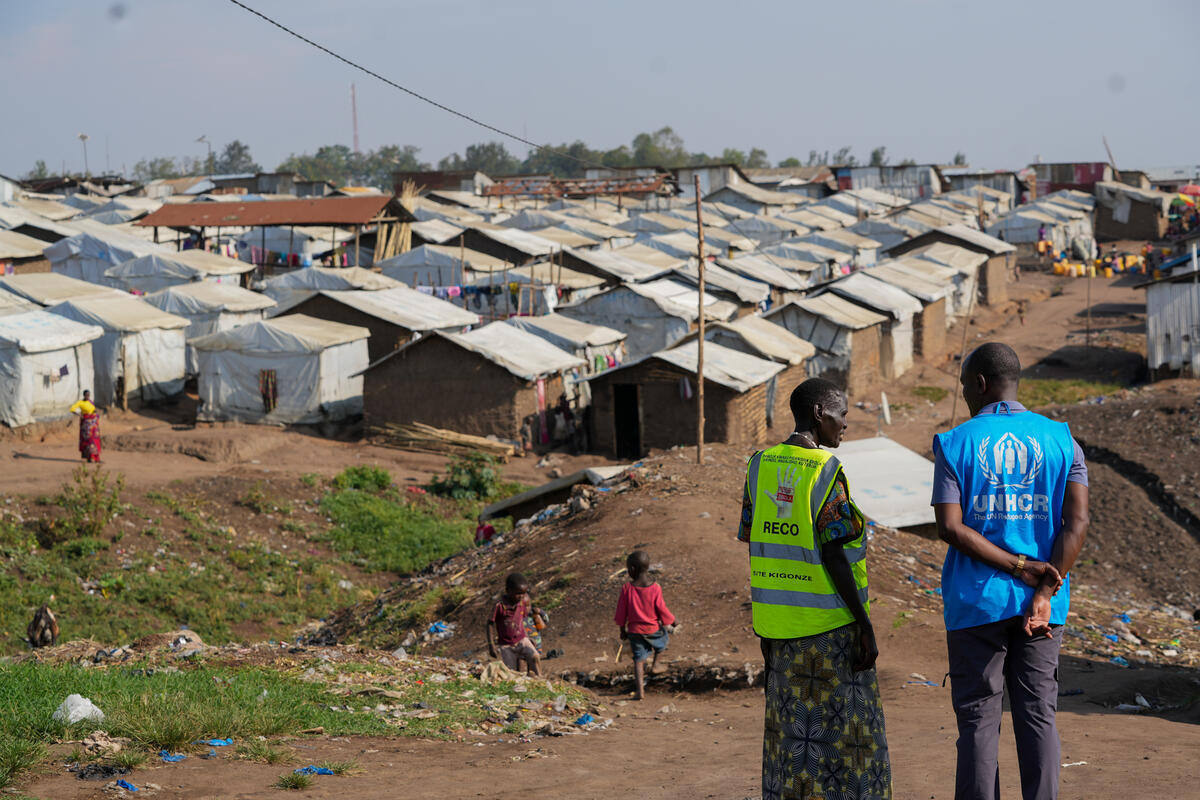
Maman Novi, a 67-year-old internally displaced woman and former teacher, works as a community volunteer in Kigonze, raising awareness among families about Ebola prevention and response.
UNHCR, the UN Refugee Agency, is working with health authorities, humanitarian partners and community-based organizations to ensure that forcibly displaced people are included in Ebola prevention, surveillance and response efforts. This includes strengthening community engagement so that people living in displacement sites receive timely, accurate and accessible information.
With support from the Central Emergency Response Fund and the DRC Humanitarian Fund, UNHCR is reinforcing community-based prevention activities in displacement sites, including awareness-raising, screening, distribution of hygiene kits, installation of handwashing points and early warning mechanisms. These efforts are critical in settings where overcrowding and limited services can heighten health risks and make early detection more difficult.
Maman Novi’s daily rounds show the vital role communities play in preventing the spread of disease and ensuring that people know where to turn for help. In a place where many have lost homes, livelihoods and loved ones, her presence offers more than information. It offers reassurance, dignity and a sense that no one is facing the disease alone.
“We have already lost our homes and livelihoods because of violence. We must not allow Ebola to take our families as well. As long as I have the strength to walk and speak, I will continue raising awareness.”
As health risks persist in Ituri, UNHCR is calling for sustained support to help displaced communities stay informed, detect cases early and protect families living in displacement sites. For Maman Novi, every conversation is part of that effort — one more chance to prevent loss and help her community hold on to hope.


