Building Futures: Multi-Year Support from France Strengthens UNHCR’s Response in Armenia
France's multi-year support has been instrumental in enabling UNHCR's comprehensive response to the refugee crisis in Armenia. This partnership has ensured immediate relief, as well as long-term solutions across emergency assistance, livelihood programs, community and refugee empowerment projects, fostering self-reliance, social cohesion, and long-term stability.
By Anahit Hayrapetyan, UNHCR External Relations Associate, and Kiri Atri, UNHCR External Relations Officer
UNHCR’s response to the refugee crisis in Armenia has been made possible through the generous support of donors, with France playing a key role in enabling a predictable, comprehensive humanitarian response. France’s multi-year funding has strengthened UNHCR’s capacity to deliver timely, life-saving assistance, allowing refugees to meet urgent needs while also working toward sustainable solutions.
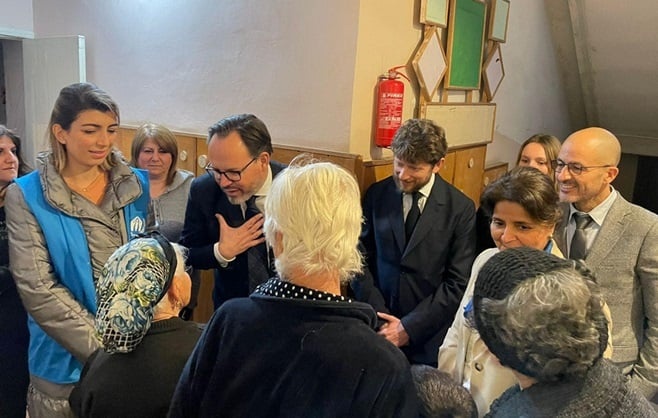
From the very start of the crisis, France demonstrated its commitment, engaging in joint field visits to assess the situation and ensure early support was mobilized. This proactive engagement enabled UNHCR to provide rapid humanitarian aid, ensuring that refugees, arriving with little more than documents and a bundle of belongings, received immediate relief and the support needed to begin rebuilding their lives.
Strengthening Government Capacity for a Comprehensive Response
With refugees making up about 4% of Armenian population, the Government faced significant pressure to provide effective assistance. UNHCR, with France’s support, worked closely with the government and host communities to strengthen its response capacity, providing technical assistance, resources, and expertise. This included equipping key state institutions and community authorities with laptops, tablets, and other technical tools to improve refugee registration, case management and service delivery, including shelter, healthcare and psycho-social support, and to strengthen long-term institutional capacity. This support was extended to key ministries and institutions, including the Migration and Citizenship Service, the Ministry of Labour and Social Affairs, the Ministry of Territorial Administration and Infrastructure, regional governors’ offices, municipalities and local NGOs, and the Human Rights Defender’s Office.
Sustained collaboration and capacity-building activities, enabled Armenia to ensure effective response, expand outreach efforts and improve service delivery, allowing for a more efficient, coordinated, and dignified refugee response and longer-term solutions.
Humanitarian Assistance: Emergency Relief and Sustained Support
UNHCR’s humanitarian response addressed the urgent needs of newly displaced refugees from Karabakh, while at the same time ensured the continued support for refugees from different countries in Armenia.
With over 115,000 refugees from Karabakh, France’s and other donors’ generous contribution helped UNHCR to mobilize efforts to provide life-saving emergency aid. More than 115,747 core relief items, including blankets, mattresses, kitchen sets, and hygiene supplies, were distributed to 10,039 households, benefiting 43,033 individuals.
This swift response was made possible by France’s multi-year funding, which allowed UNHCR to plan and scale up operations efficiently, ensuring that displaced families had immediate access to critical aid while long-term support systems were put in place.
Cash Assistance: A Lifeline for Refugees
Alongside material assistance, UNHCR expanded its cash assistance programs, reaching over 40,000 refugees to help them meet their basic needs, in 2024. For Karabakh refugees, UNHCR’s cash assistance was aligned with the Government of Armenia’s support scheme, ensuring a coordinated and effective approach that allowed refugees to pay for rent, utilities, and winter expenses.
At the same time, UNHCR continued its existing targeted cash assistance program for refugees from other countries in Armenia, ensuring that all displaced populations had the means to cover their basic needs. UNHCR’s cash assistance, supported by France and other donors, has helped thousands of families take the first steps toward normalcy.
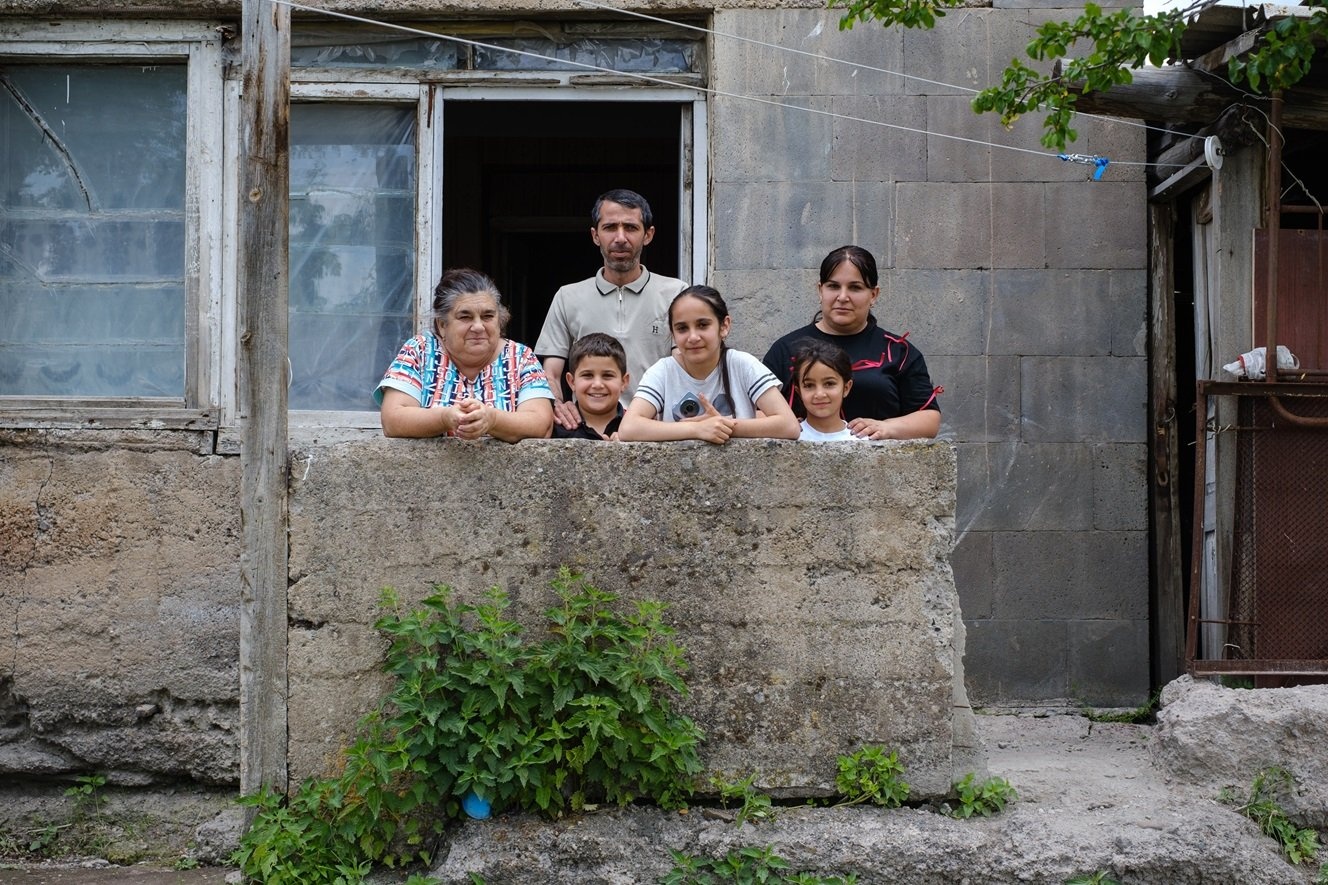
“It wouldn’t have been possible to pay the rent and afford food if not the cash assistance we’ve received,” shared Mary, a mother of four children, living in Gorayk village in Sisian community of Syunik province. “This assistance gives us hope and helps us focus on future plans, feel protected and cared,” she added.
UNHCR’s cash assistance program contributes to the Government’s efforts in ensuring lifesaving support to vulnerable refugee families, relying on lifesaving support. In Gorayk village in Sisian community of Syunik province, Mary and her family finally found stability after receiving financial support that enabled them to pay rent, purchase essentials, and start planning for their future.
Likewise, Mary, thousands of vulnerable refugees have benefited from UNHCR’s emergency cash aid, allowing them to pay the rent, purchase food and essentials, and regain a sense of hope and dignity.
“This support has restored our lives. We don’t have to constantly choose between buying food and paying the rent anymore. I can now help my family meet their basic needs and start making plans for our future,” another cash assistance recipient, Angela, who resides in Goris, Syunik province, shared.
These stories reflect the human impact behind the numbers, demonstrating how multi-year funding from France has strengthened UNHCR’s ability to provide effective, sustained support, allowing refugees to move beyond crisis and towards rebuilding their futures.
Improving Living Conditions: Creating Stability for Refugees
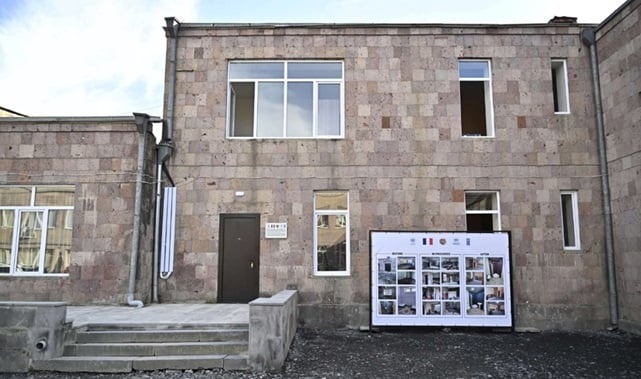
Beyond emergency relief, UNHCR improved living conditions for hundreds of refugee families by providing essential household items to help them rebuild their lives. Across Armenia, a number of former administrative and community buildings, such as two shelters in Masis, have been transformed into temporary shelters to host vulnerable refugee families, among them people with health issues, special needs and disabilities, women-headed households, and single elderly people.
“For months, we could not find an affordable apartment to rent. I would have never imagined that we could have home again. My family is happy as we can settle in at last and have a new start to achieve our plans and endeavours,” says Oksana with satisfaction for the opportunity granted to her extended family living in Goris.
Marine and her teenage son Karen and elderly mother Rita, remember the day they moved from the temporary shelter in appalling conditions, into a newly renovated and refurbished social house in Masis (Ararat), made possible through the joint efforts of UNHCR and UNDP. “For the first time in months, my son and mother slept peacefully, enjoying their comfortable beds at night and running hot water in the morning,” said Marine, thanking all engaged in the shelter support.
In Ararat , Vayots Dzor, and Syunik provinces, a total of 403 households received 328 pieces of furniture and 75 household appliances, helping them create safe, functional, and dignified living spaces.
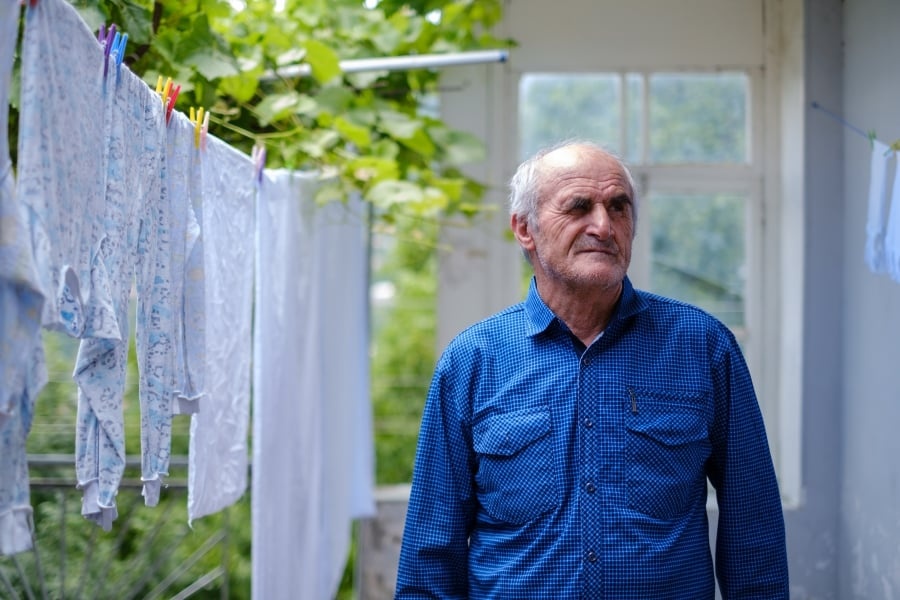
For Borik, a seventy-one-year-old refugee in Goris, Syunik province, support came in a different form - improving the conditions of his rented home. After struggling in inadequate living conditions, his family was relieved to receive assistance that allowed them to create a safer and more comfortable space. “This help has given us a sense of security. We are not just waiting for assistance - we are building our lives again,” he shared.
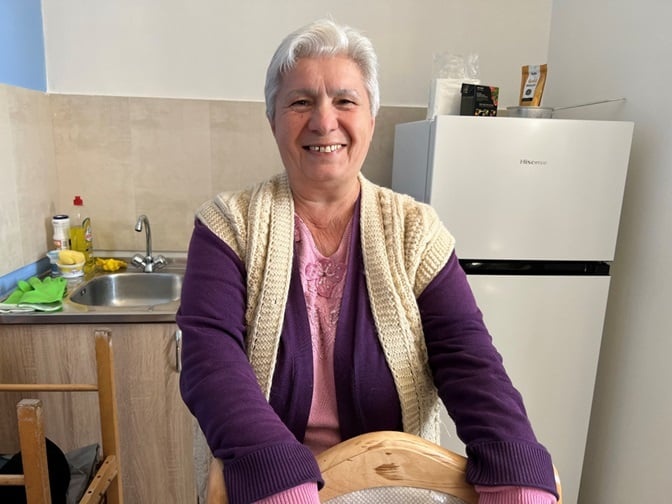
For Laura, an older refugee woman, living in Masis shelter in Masis, is not only a roof above head, but also cozy home to live in and settling into a new home came with challenges. Arriving with few belongings, she worked hard to make the space comfortable for her family. “We had a roof over our heads, but also furniture and household appliances - it would have been difficult to manage without basic essentials,” she shared. With support from UNHCR, her family received household items, including a fridge, washing machine, boiler, to make their daily lives life easier. “Now, I can sleep comfortably, and I no longer have to wash everything by hand in the cold,” Laura said thanking UNHCR and France for the support that made a difference in her life. These small changes bring a sense of comfort and stability normalcy, helping her family feel more at home, move beyond survival and focus on rebuilding their future.
Building Stronger Communities: Local Partnerships and Social Cohesion
In addition to direct assistance, UNHCR, with multi-year support from France, complementing other donors, works closely with local organizations and municipalities to strengthen community-driven responses and ensure sustained support for displaced people in Armenia. Contributions from France supported 28 community projects across 8 regions, prioritizing 20 communities to strengthen refugee integration and local resilience. This included the construction or renovation of 9 public infrastructures, support for 8 community-based organizations and community centers, and collaboration with 11 local NGOs and refugee-led organizations, enhancing refugee support networks and fostering long-term community engagement.
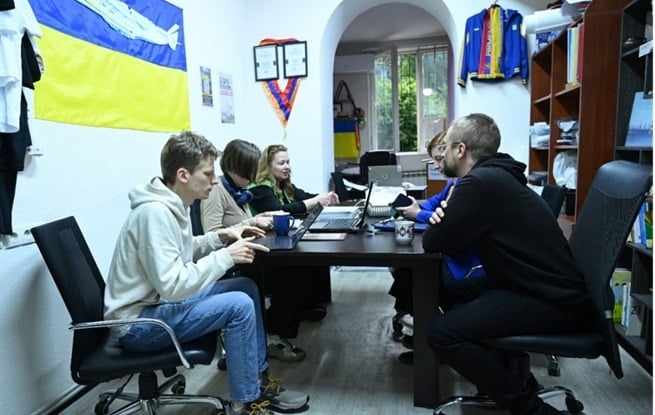
Partnerships with organizations such as the Ukrainian Forum NGO (Dopomoga.am) have also been instrumental in providing humanitarian aid, legal and psychological assistance, and community-based initiatives. Their work includes distributing essential items, offering support services and Armenian language courses, and organizing activities that help them access employment opportunities and build connections. Long-term collaboration with such refugee-led and community-mased organizations and municipalities has allowed UNHCR to expand outreach, enhance social cohesion, and promote refugee leadership, ensuring that displaced communities have the resources and networks they need to rebuild their lives with dignity.
Economic Inclusion: Jobs and Livelihoods for Refugees
Employment is key to self-reliance, allowing refugees to rebuild their lives, support their families, and contribute to the host country’s economy. UNHCR, in partnership with UNDP, the Government of Armenia, and local organizations, has implemented employment and livelihoods programs that provide refugees with the tools and opportunities to secure stable incomes.
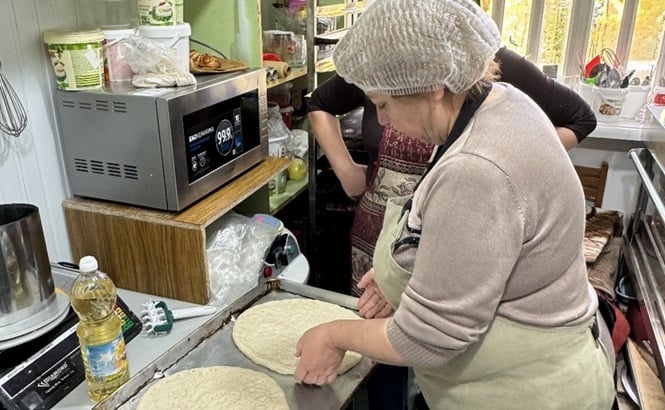
With multi-year funding from France and other donors, these programs have enabled over 200 refugees from Karabakh and other nationalities to access vocational training, job placements, and business support. By focusing on skills development and employment, the initiative has reduced dependency on humanitarian aid and promoted long-term economic inclusion. Many participants have successfully transitioned into stable jobs, ensuring greater financial security for themselves and their families.
One such participant, Victoria, benefited from a UNHCR-UNDP three-month on-the-job training program that helped her develop new skills, secure employment, and support her family. Programs as such provide refugees with sustainable jobs and work in dignity and enable them to contribute to the host community.
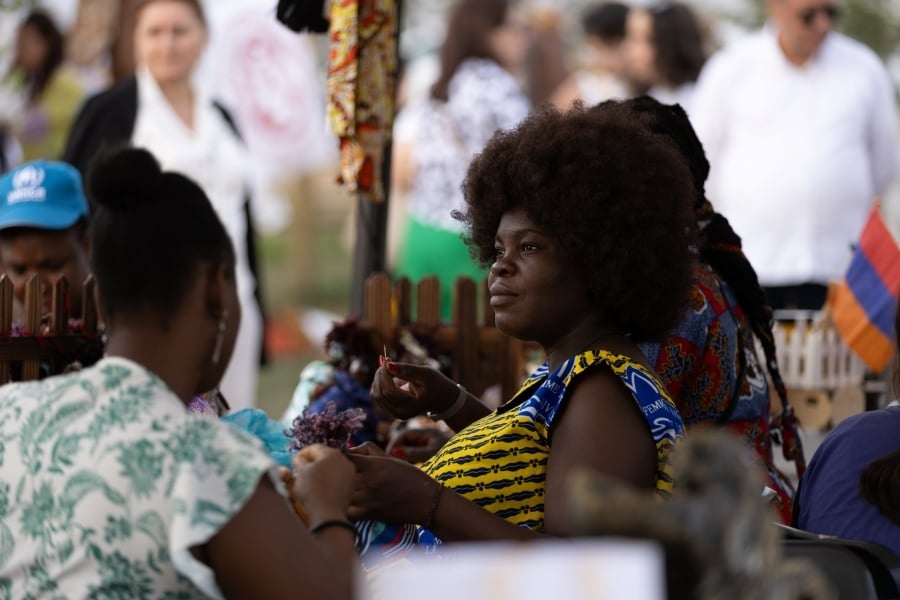
Beyond traditional employment, entrepreneurship has provided economic opportunities for refugees, particularly women. One inspiring example is the story of a group of African refugee women in Armenia, who turned their talent for handcrafted traditional dolls into a growing small business. At a recent festival, they proudly displayed their vibrant, handmade dolls, each telling a unique story of heritage and resilience. "These dolls are not just toys—they carry a piece of our culture and a message of strength," shared one of the women, as she engaged with visitors and potential buyers. Through events like this, refugee artisans gain visibility, economic empowerment, and feel part of their new community.
To further expand market access, refugee women from Congo and other African countries participated in the Harvest Festival in Dzoraghbyur, Kotayk province, where they were able to sell their handmade traditional dolls, build networks, and strengthen their businesses. These initiatives are empowering refugee entrepreneurs, providing them with a pathway to financial independence and a stronger connection to their host communities.
By investing in job creation, skills training, and entrepreneurship, UNHCR’s livelihoods programs -strengthened by France’s support - are helping refugees move from crisis to stability, fostering economic resilience and long-term integration.
Strengthening Social Inclusion
Building strong, inclusive communities goes beyond providing essential services - it’s about creating opportunities for refugees and host communities to connect, share experiences, and build lasting relationships. UNHCR, with the support of France and other donors, has helped foster social cohesion and economic inclusion by ensuring that refugees can participate in cultural events, sports, and community activities that bring people together.
Cultural festivals and public events have provided a platform for refugees to showcase their skills, traditions, and craftsmanship, while also helping them access market opportunities to support their livelihoods. These initiatives empower refugees, giving them the chance to contribute to their new communities and establish meaningful connections with local people.
At the same time, sports have played a vital role in fostering inclusion and youth engagement. Through initiatives such as the Solidarity Cup football match initiated by UNHCR and Football Federation of Armenia (FFA) and the Armenia Para Sport Games, organised with the joint efforts of Armenian National Paralympic Committee, the French Embassy, Ministry of Education, Science, Culture and Sport and Yerevan Municipality, refugees and host community members came together to compete, form friendships, and learn from one another. These events have not only provided an outlet for recreation but have also helped break down barriers, encouraging teamwork and mutual respect.
The Solidarity Cup was one such moment of connection. For many of the young players, it was about more than football - it was about social cohesion and inclusion. When the final match ended in a hard-fought victory for a refugee-led team, their young teammate - who had faced many challenges in his journey—was lifted into the air by his teammates in a moment of pure joy.
"This was the first time I felt like a champion," he said, beaming with pride. "It’s not just about football. It’s about feeling like I belong."
Similarly, the Armenia Para Games provided a space for refugee para-athletes to showcase their resilience and determination. Over 120 participants, including 20 refugees, competed in adaptive sports such as chess, powerlifting, tennis, boccia, wheelchair racing, and basketball. These competitions celebrated athletic excellence while also highlighting the strength and perseverance of refugees with disabilities.
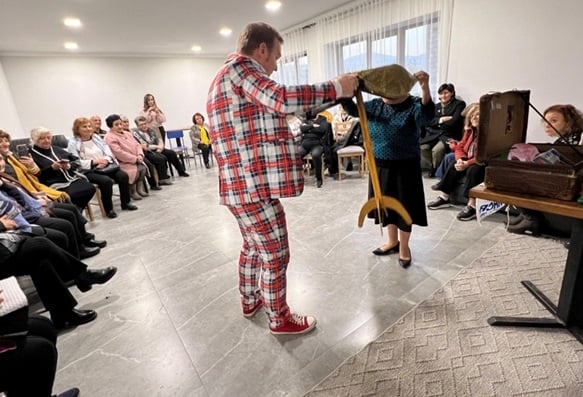
In addition, UNHCR partnered with the "Laughing Stars" NGO from France to organize magic shows across 40 communities in 10 provinces in Armenia, and capital Yerevan, reaching 5,000 individuals, among them vulnerable children and single elderly, persons with disabilities and specific needs, and older individuals. These performances brought joy and entertainment to the refugee families and their local peers, fostering a sense of community and helping alleviate the challenges of displacement.
Through these initiatives, multi-year support from France and other donors has helped ensure that refugees have access to vocational education and on-the-job trainings, sports and recreational facilities, and opportunities to participate in competitive events. More than just games, these activities have been a bridge between communities, promoting inclusion and strengthening social bonds -helping refugees feel protected and safe and find a place where they truly feel at home.
A Partnership That Endures
As displacement challenges persist, multi-year funding from France remains essential to the success of UNHCR’s response in Armenia. From life-saving emergency aid to long-term housing, employment, and community programs, this support has been instrumental in ensuring that refugees not only survive but thrive. Ambassador Olivier Decottignies highlighted this commitment, stating:
“Standing with refugees is a fundamental part of our values. Through our collaboration with UNHCR and the Government of Armenia, we are not just providing aid - we are investing in the future of refugees, helping them reach sustainable solutions and contribute to their host country, Armenia.”
The impact of this multi-year support is visible in the housing secured, employment gained, and the communities strengthened. As the needs continue to grow, sustained support will remain critical to ensuring refugees can rebuild their lives. UNHCR is grateful for France’s continued commitment, alongside other donors, in helping refugees move toward self-reliance and meaningful integration. Together, this partnership is enabling refugees to find a place to belong and thrive in Armenia.





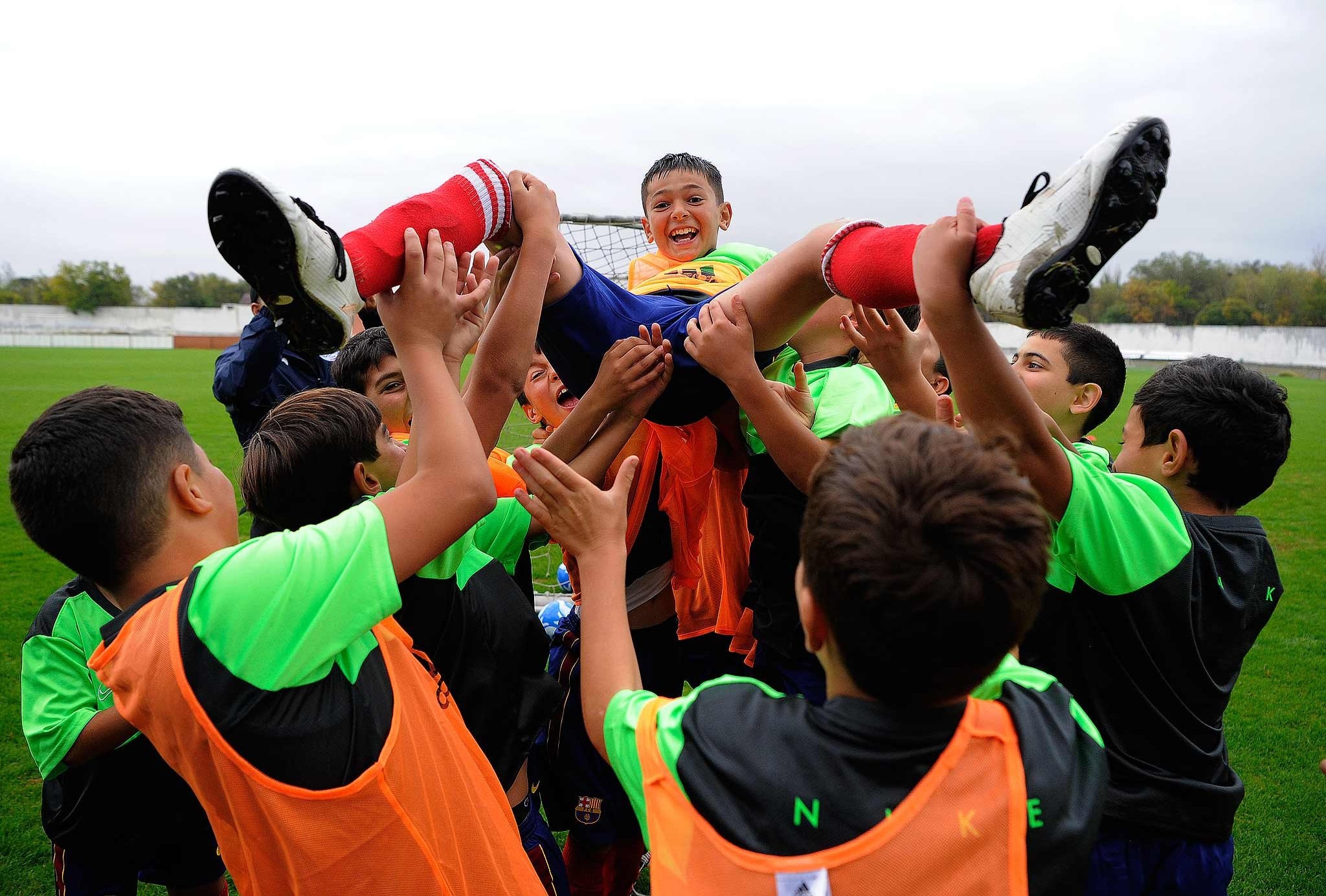 A joyful moment of unity as teammates lifts a young player in celebration after a hard-fought victory at the Solidarity Cup. More than just a game, the tournament fostered friendship and inclusion among refugee and host community children. At Armavir city stadium. September 2024. © Football Federation of Armenia