
Oct 9, 2024
As we mark World Mental Health Day, it is important to recognize the disproportionate impact of mental health issues on refugees. This blog examines the links between mental health and livelihoods for refugees, suggesting that integrating mental health support with livelihoods programmes can enhance their ability to work.

Sep 27, 2024
Evidence suggests that while living in countries with gender disparities, refugee women usually earn less than host women. Addressing these disparities requires policies that target the specific challenges faced by all women in host countries. and integrating a gender perspective into refugee strategies.
Sep 26, 2024
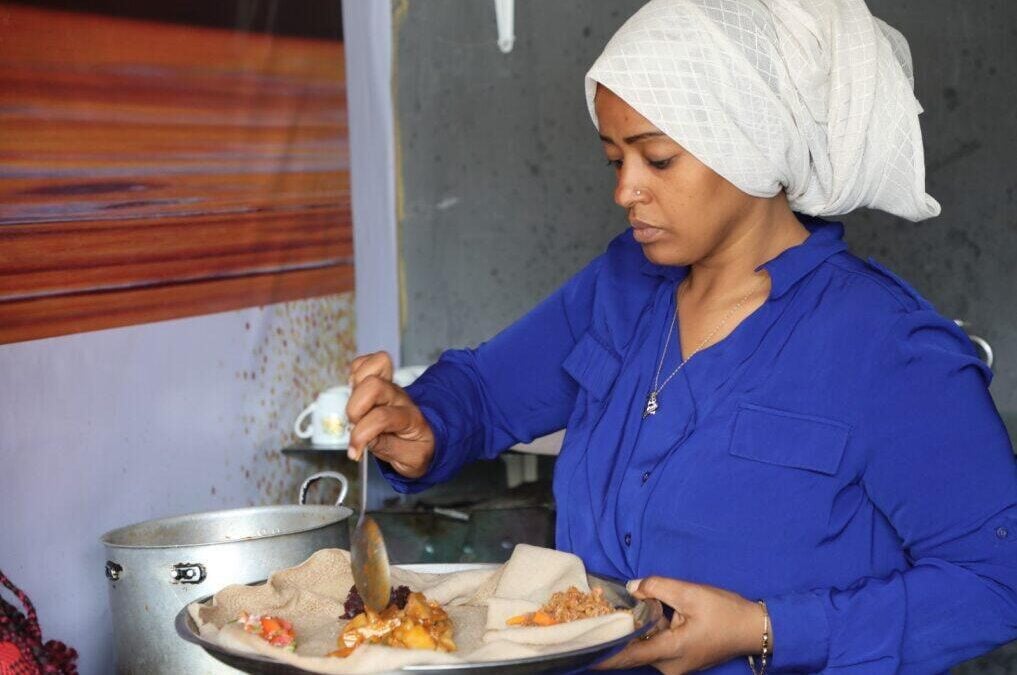
Impact evaluations in East Africa are providing critical insights into what works—and what doesn’t—when supporting people affected by forced displacement. But there remains significant gaps in evidence.

Jul 30, 2024
The role of data is crucial. Investing in data collection and analysis helps understand challenges, target interventions, and measure impact for refugees and host communities.

Jul 19, 2024
As part of a larger holistic learning measurement project to address the lack of data on learning outcomes of refugee children, UNHCR piloted a learning assessment in Mauritania.

Jun 20, 2024
Effectively integrating refugees and migrants in labour markets boosts productivity, increases the availability of skilled workers, and drives economic growth.

Jun 7, 2024
Forcibly displaced persons, including refugees and internally displaced people (IDPs), as well as stateless persons are frequently underrepresented or invisible in national data. However, realiable and nationally owned data is vital to guide effective national policies and decisions that foster the inclusion of forcibly displaced and stateless persons around the world. Statistical inclusion of forcibly displaced and stateless persons refers to the process of systematically including these groups in national data production systems such as population and housing censuses, administrative registers or nationwide household surveys.
Dec 15, 2023
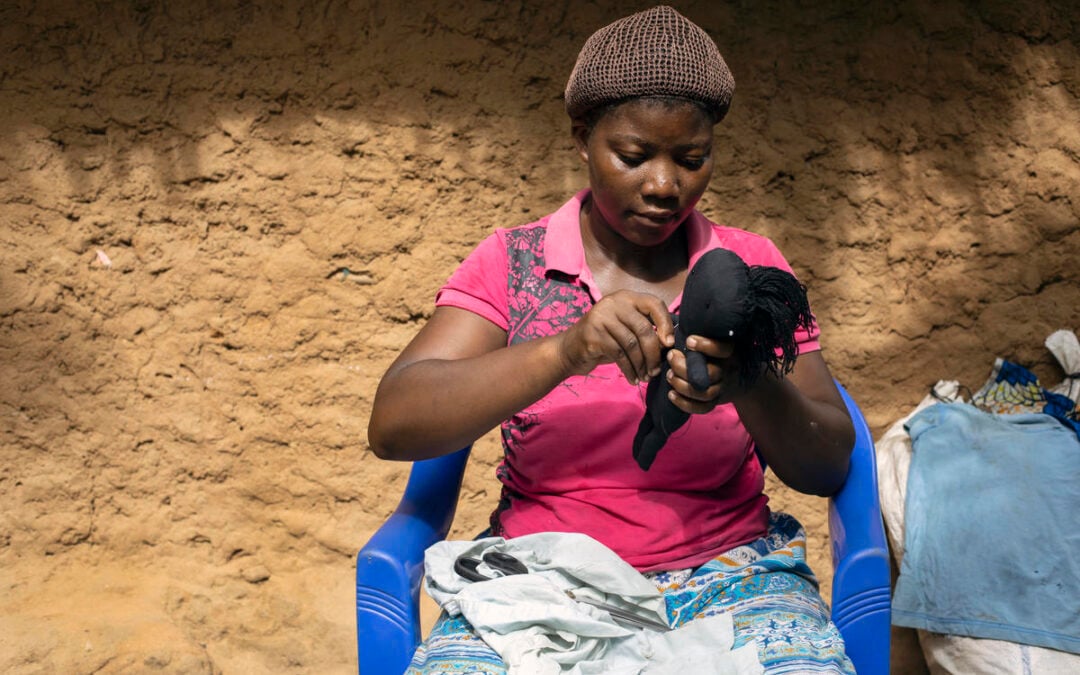
An impact evaluation shows significant socioeconomic benefits among refugees and hosts who participated in a graduation programme in Mozambique.
Nov 21, 2023
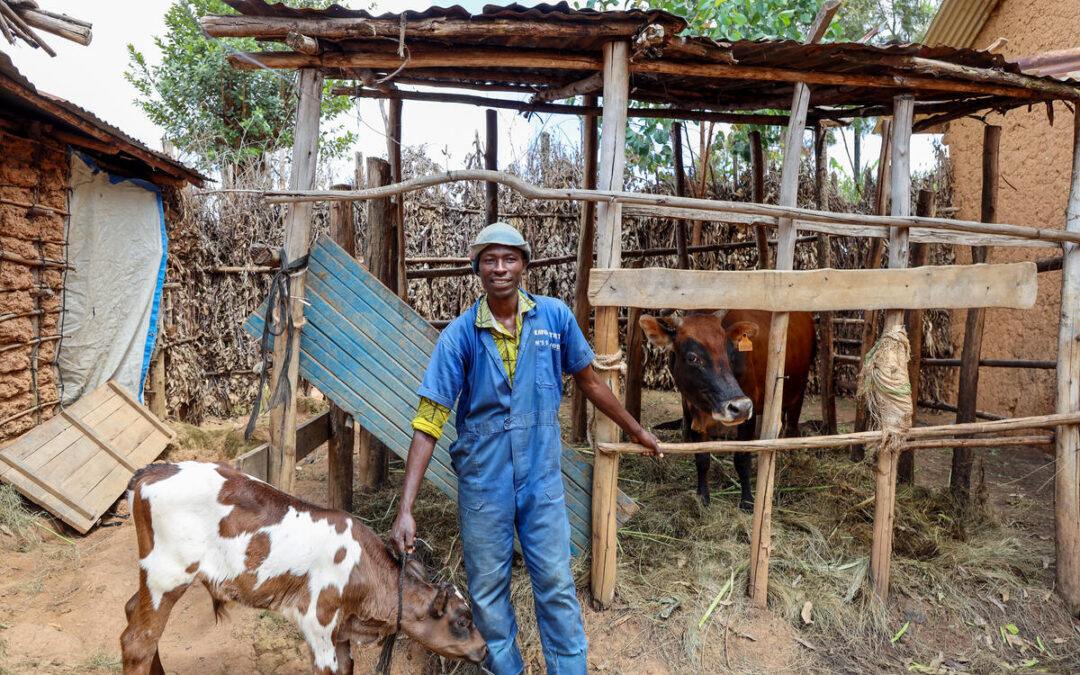
Supporting the economic resilience of refugees is a central piece of the global effort to meet the SDGs.
