



Refugees in Indonesia Build Hope and Skills through UNHCR’s Job Readiness Support for RefugeesProgram
Refugees in Indonesia Build Hope and Skills through UNHCR’s Job Readiness Support for RefugeesProgram

In Indonesia, refugees are not legally permitted to work. This restriction often leaves them waiting for resettlement while facing uncertainty about their future. Yet through UNHCR’s Job Readiness Program, many are discovering renewed motivation and practical skills that help them prepare for a brighter tomorrow.
The initiative is part of the Digital Livelihoods Project, funded by the Innovation Fund, which aims to build refugees’ skills, particularly in the digital sphere, so they can participate in the global digital economy and strengthen their employability as a pathway toward durable solutions, including labor mobility. The project consists of three main components: Digital skills training, On-the-job training or internships, and Job readiness support (which includes sessions on labor mobility opportunities).
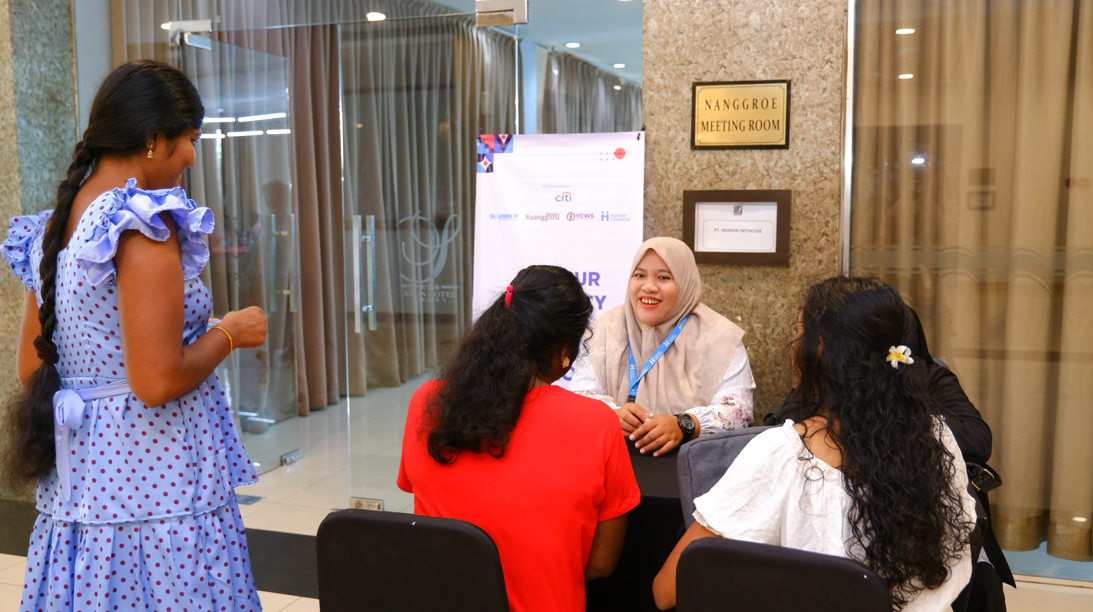
The most recent Job Readiness sessions, held from 29 September -15 October 2025, specifically targeted refugees who had previously completed digital skills training under the same project. Activities were conducted across four locations: Jakarta, Bogor, Medan, and Makassar, in collaboration with partners such as Yayasan Ruangguru, Yayasan Cita Wadah Swadaya (YCWS), and Human Initiative.
From Learning to Confidence
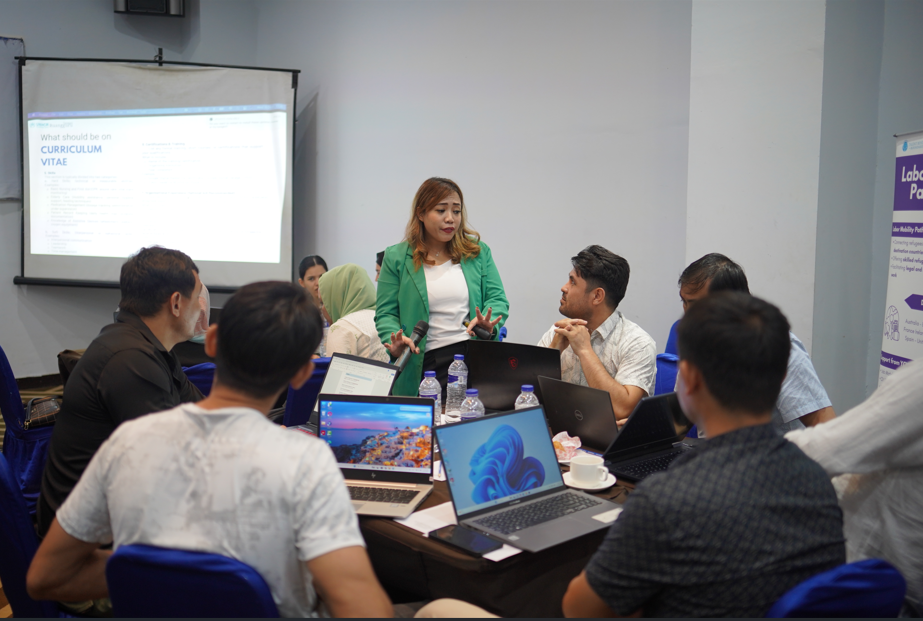
Through the Job Readiness workshops, participants learned essential skills such as CV and resume writing, interview techniques, and career planning—tools that not only prepare them for future employment but also restore a sense of dignity, confidence, and self-reliance.
For Mustafa, a 30-year-old Palestinian refugee born in Iraq, the training reignited his professional drive.
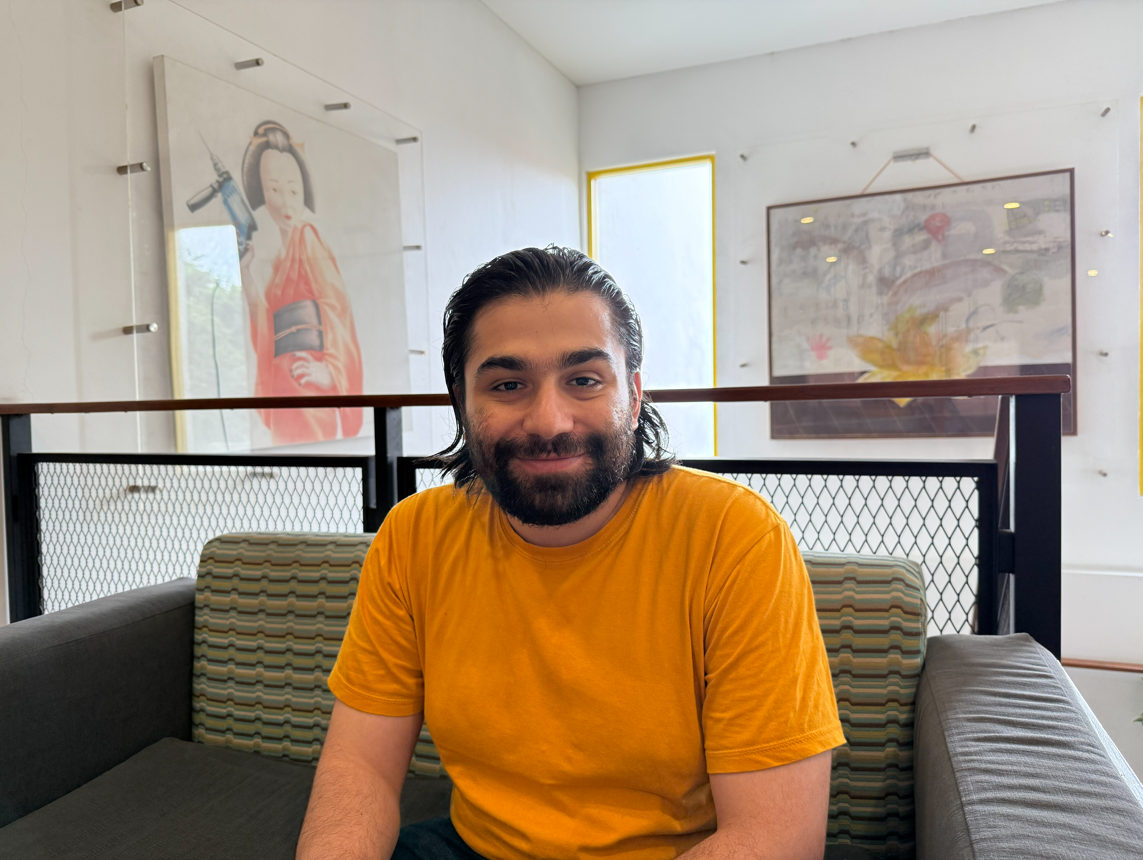
“What I gained from this is I had some insight regarding what I should do or don't when writing a CV. For example, I need to be clear, I need to be concise,” he shared.
A civil engineering graduate who also completed a back-end engineering course, Mustafa dreams of working in his area of expertise or in the IT field. “Hopefully one day I can work in my field of expertise in civil engineering. But if not, I can work in any other field—preferably something technical, like computers or IT,” he said.
"Refugees are ready to contribute"
Mutassim another participant from Sudan, found new inspiration after attending the sessions.
“I learned how to create a professional CV and prepare myself for opportunities,” he said.
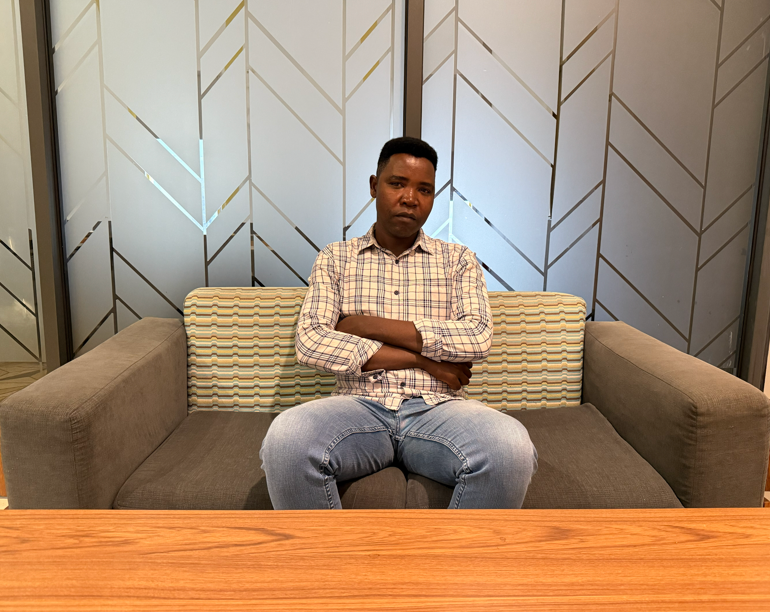
Living in Indonesia since 2017, Mothosin also represents a refugee-led initiative, the Akataka Sake Project. Despite restrictions on formal employment, he remains hopeful and highlights the importance of continued training opportunities. “I feel qualified and ready to find opportunities. Life is about luck, but I’ll keep preparing myself. Fortunately, UNHCR and other NGOs now provide such training for refugees. This gives us hope that maybe refugees will be able to work, whether here in Indonesia or elsewhere in the future.”
He closed with a heartfelt message to the broader community: “We are all the same human. Refugees are not just victims. We are skilled, educated, and ready to contribute if given the chance.”
Knowledge as a Lifeline
For Mohammad, a 36-year-old refugee from Afghanistan, the Job Readiness Program became a turning point after years of uncertainty. With a background in cybersecurity and programming, he sees technology as a tool to protect others and to contribute meaningfully to society.
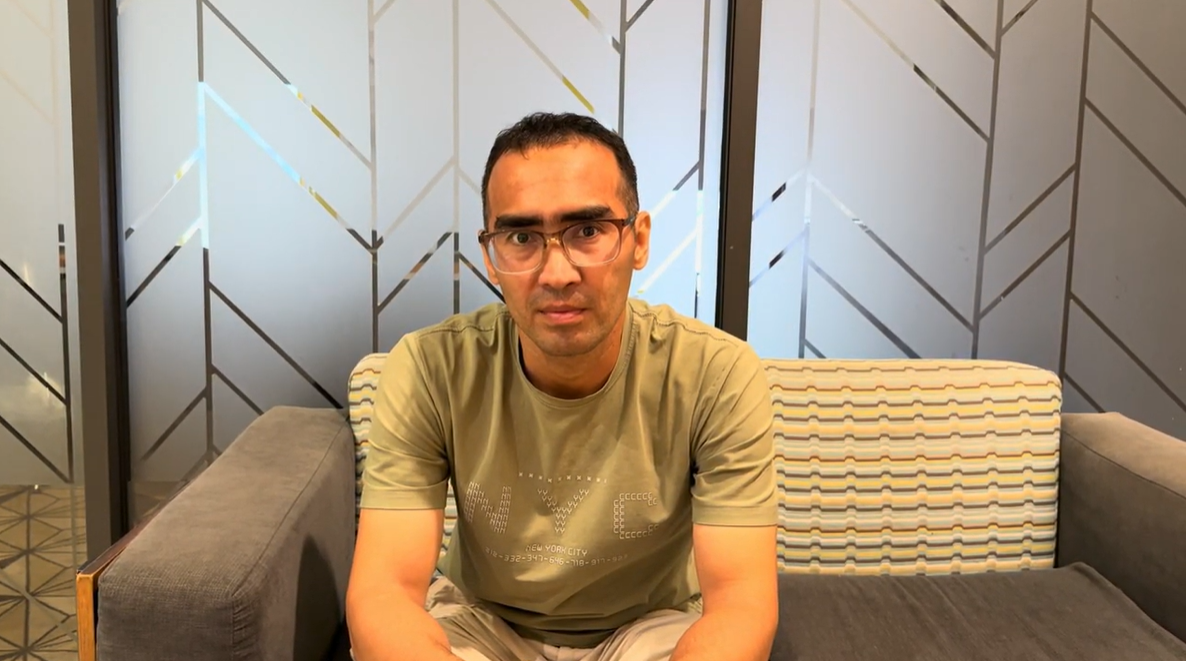
“From the cybersecurity class, I understood so much about how technology keeps people safe. I realized that by learning this knowledge, I can help protect others,” he said.
The CV and resume training helped him build confidence in showcasing his skills. “I learned how to write a good CV and how to attract an employer. It was very helpful for me.”
Hope Beyond Barriers
The UNHCR Job Readiness Program, as part of the Digital Livelihoods Project, demonstrates how education and empowerment can thrive even when opportunities are limited. By helping refugees build digital, professional, and soft skills, the program equips them for meaningful employment and durable solutions, whether through resettlement, labor mobility, or participation in the digital economy.
Each participant’s story is a reminder that opportunity begins with readiness. When refugees are given the chance to learn and grow, they are ready to contribute, rebuild, and thrive, wherever they go, including in communities in the country of asylum while waiting for a solution.
About UNHCR
UNHCR, the UN Refugee Agency, is a global organization dedicated to saving lives, protecting rights and building a better future for people forced to flee their homes because of conflict and persecution. We lead international action to protect refugees, forcibly displaced communities and stateless people. We deliver life-saving assistance, help safeguard fundamental human rights, and develop solutions that ensure people have a safe place called home where they can build a better future. We also work to ensure that stateless people are granted a nationality.
We work in over 130 countries, using our expertise to protect and care for millions.