



Finding the strength to begin again: Shylan’s story
Finding the strength to begin again: Shylan’s story

Shylan talks to UNHCR Protection staff in Dohuk about her legal case.
Read how UNHCR’s legal assistance supported a Syrian refugee mother to reclaim her rights.
My name is Shylan* and I am 47 years old. I have four children – one daughter and three sons.
I was born and raised in Qamishli, in the Hassakeh governorate near the Turkish border. My family was very poor. I grew up with six sisters and four brothers. In those days, it was normal for families like ours to have many children.
I was a good student. I loved studying English and computer science. But because of our financial situation, I had to leave school in the 10th grade. Later, we moved to Damascus, where I tried to continue my education, but eventually I had to drop out again to support my family. I began working in a sewing factory.
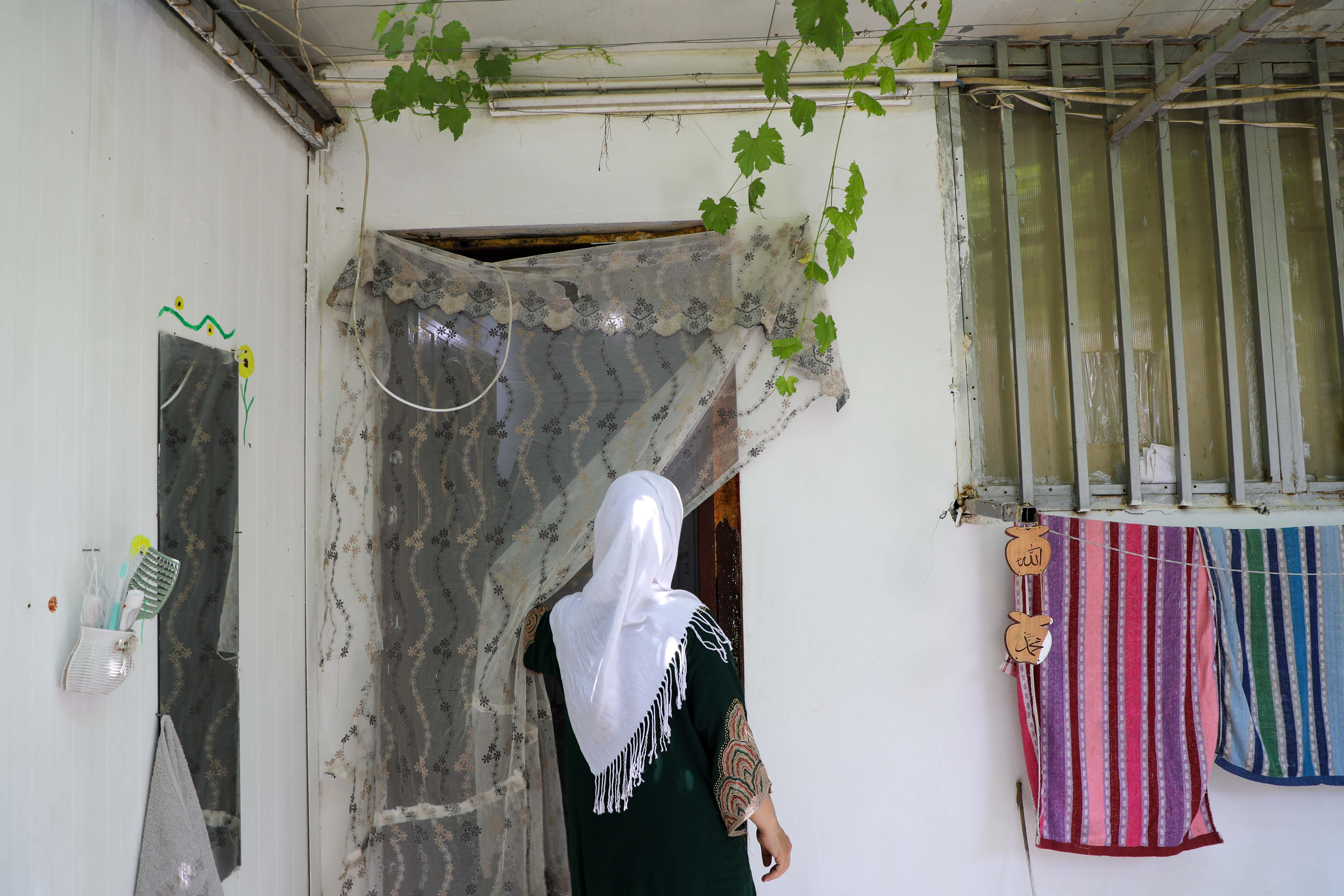
Shylan at home in Domiz Refugee Camp in Dohuk.
After my father passed away, a man proposed to me. My mother accepted on my behalf, and I got married. But from the beginning, I was never happy. My husband was violent and often drunk.
In 2011, we moved back to Qamshli but also there the situation was not good due to the conflict I followed my husband, who had fled a couple of months earlier to the Kurdistan Region of Iraq. My children were very young when we arrived – my youngest had just been born.
When we reached Dohuk, we finally felt safe. We could sleep peacefully. People were kind, and we spoke the same language. The community was welcoming and ready to help refugees.
But inside our home, nothing changed. My husband continued to abuse me and the children. One of my sons even attempted suicide out of fear. The violence followed us here. He once held a knife to my throat. He drank heavily and he had relationships with other women. He had a very bad reputation within the community. I couldn’t let my children suffer any longer. It had to stop.
We lived in constant fear. I regret not leaving sooner. I endured so much pain.
When I finally decided to get a divorce, I sought psychosocial support for myself and my children. I explained to them that we were all victims of domestic violence.
My ex-husband returned to Syria, but he continued threatening me over the phone. I changed my number several times, but he always found a way to contact me. I cannot return to Syria, not just because of the unstable situation, but also because of him.
When I began the divorce process, Harikar – UNHCR’s legal assistance partner – helped me every step of the way. The legal process was long and difficult, taking years of back and forth. The divorce was finalized at the end of 2024.
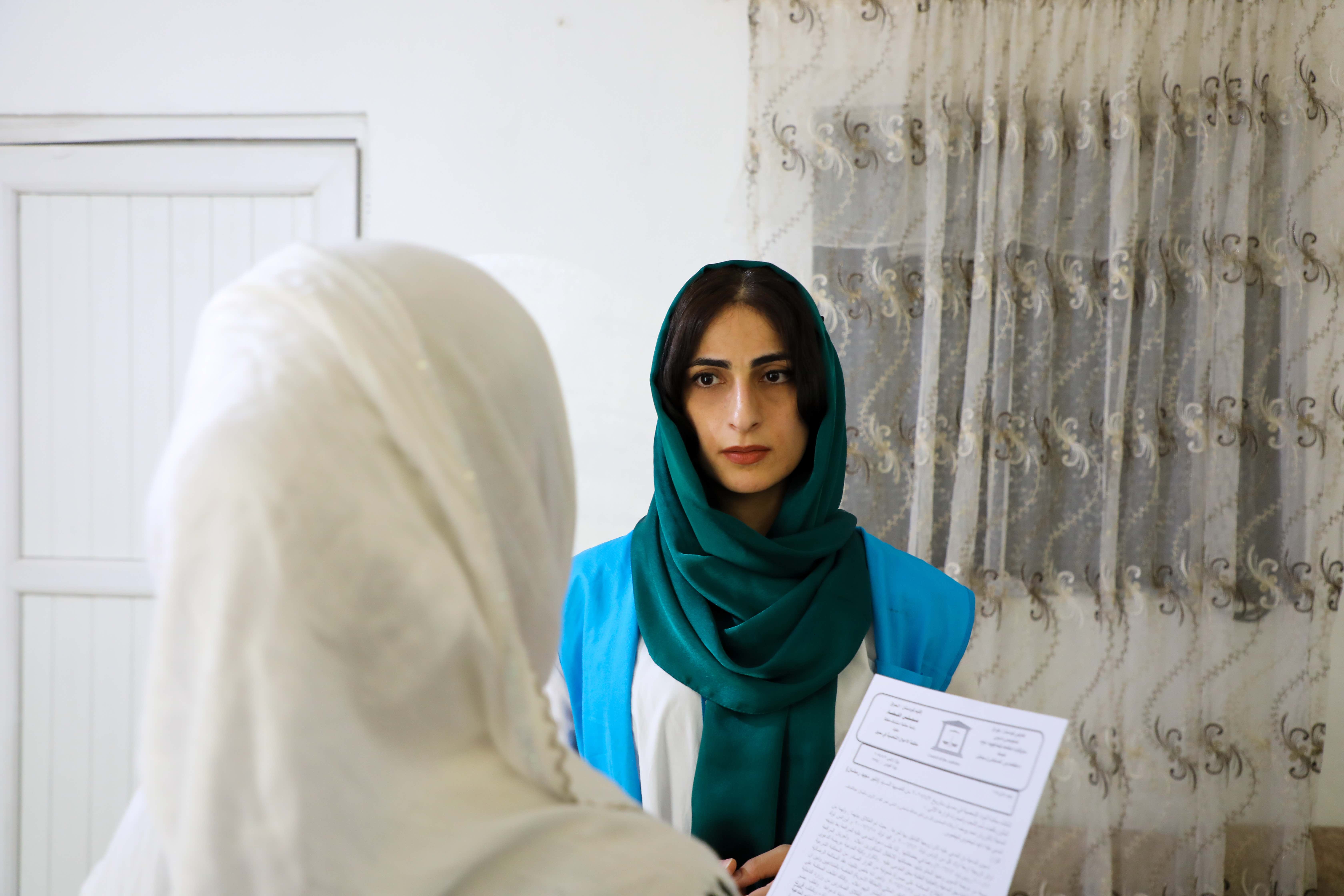
Shylan talks to UNHCR Protection staff in Dohuk about her legal case.
But then I also had to start proceedings to get legal custody of my children. Harikar’s lawyer handled all the paperwork. After reviewing our case and hearing the testimonies, the judge granted me custody in April 2025. I could never have afforded a private lawyer. Without Harikar, it would have been impossible. Their lawyers treated me with respect and made me feel safe. I trusted them.
When they told me I had custody, I thought, “It’s finally over. Now they are truly mine.”
I am trying to support my family, but work opportunities are very limited. Whenever I can, I use my sewing skills to work. I once worked for two months in a factory, but that job ended. I take any sewing work I can find.
Life is difficult here, but at least we now feel safe.
As told to Viola Bruttomesso.
*Name changed for protection reasons.
UNHCR’s legal assistance programme in 2025 is supported by Italy, the Netherlands through the PROSPECTS Partnership, EU Humanitarian Aid and the United States of America. Between January and June 2025, UNHCR has supported over 60 survivors of violence with legal assistance.