



From Concept to Digital Lifeline: Jordan's Kiosks Revolutionize Refugee Services
From Concept to Digital Lifeline: Jordan's Kiosks Revolutionize Refugee Services

In Jordan, UNHCR has pioneered a practical, in-house innovation: self-service kiosks that allow displaced people to manage their records efficiently, securely, and independently. This digital transformation is reshaping how refugees interact with assistance, offering a new level of autonomy and dignity.
The first generation of these self-service kiosks, piloted in 2018, was a forward-thinking but limited tool, initially designed to allow refugees to validate basic personal data. Ten kiosks were set up at the Amman Registration Centre - the largest in the Middle East and North Africa (MENA) - and two more were placed in the Nuzha community service center to increase efficiency and reduce travel costs for refugees.
The COVID-19 pandemic in 2020 revealed the critical need for contactless, user-driven, and adaptable systems. This challenge inspired the team in Jordan to rethink the kiosks' capabilities. UNHCR redesigned the kiosks' operating system. In April 2025, UNHCR Jordan launched the upgraded service using the existing hardware but with a fully reimagined system, building on established biometric identification and verification tools.
Crucially, the kiosks restore autonomy to refugees, allowing them to complete renewals and receive valid UNHCR documents directly - a global first for the organization at the time.
How the Kiosks Work
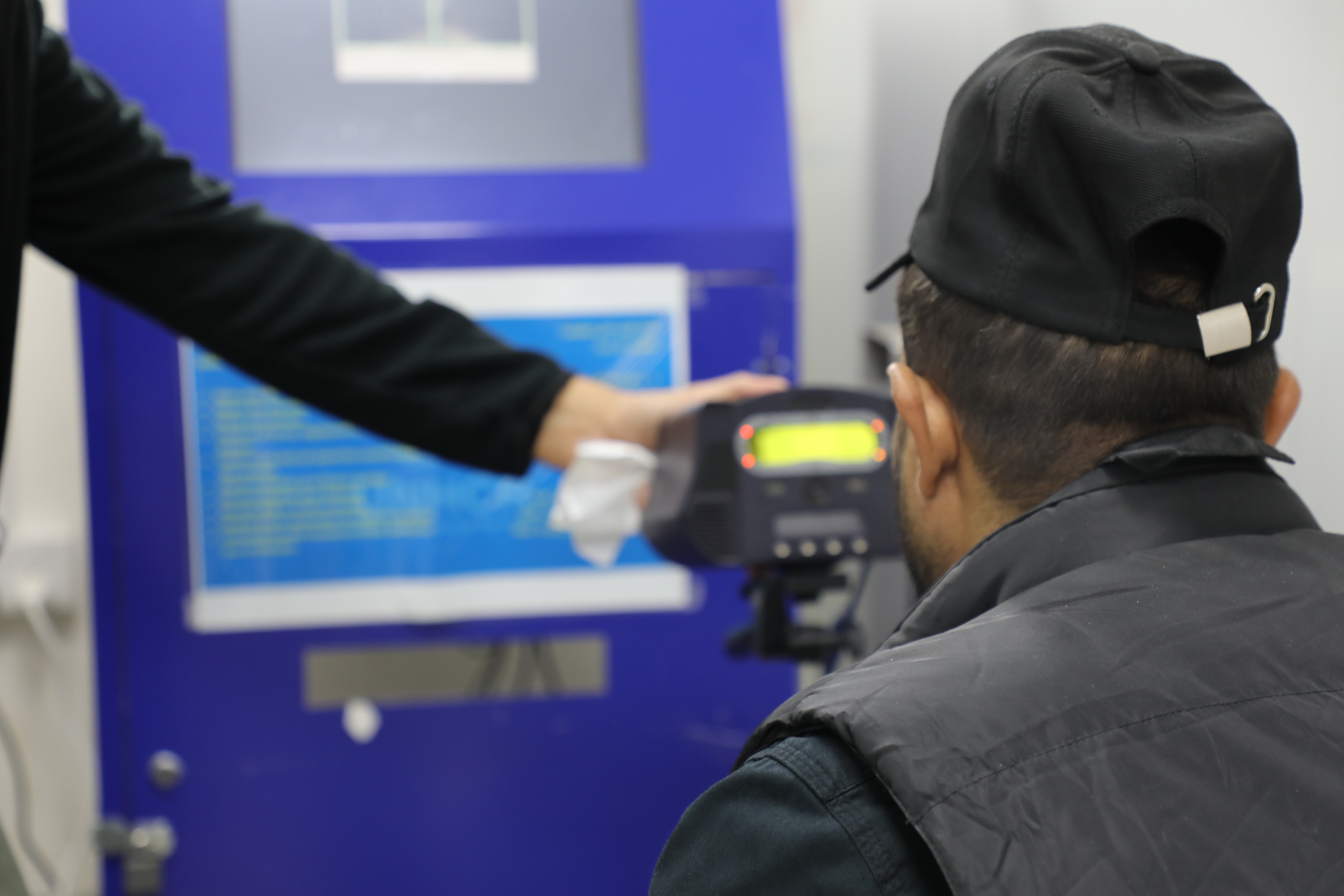
Refugees can now use the new kiosks for several essential services, starting with a secure login via biometric (IRIS) authentication to validate their identity, which also helps prevent fraud and confirms each family member's presence in the country of asylum through an IRIS scan. Once logged in, they can review personal data like their name in Arabic and English, date of birth, occupation, and mother's name, and they can also update key information in their UNHCR file, such as their photo, primary phone number, and address; finally, the kiosks allow for the instant printing of vital documents, including Asylum Seeker Certificates, Refugee Certificates for urban populations, and Proof of Registration for camp residents.
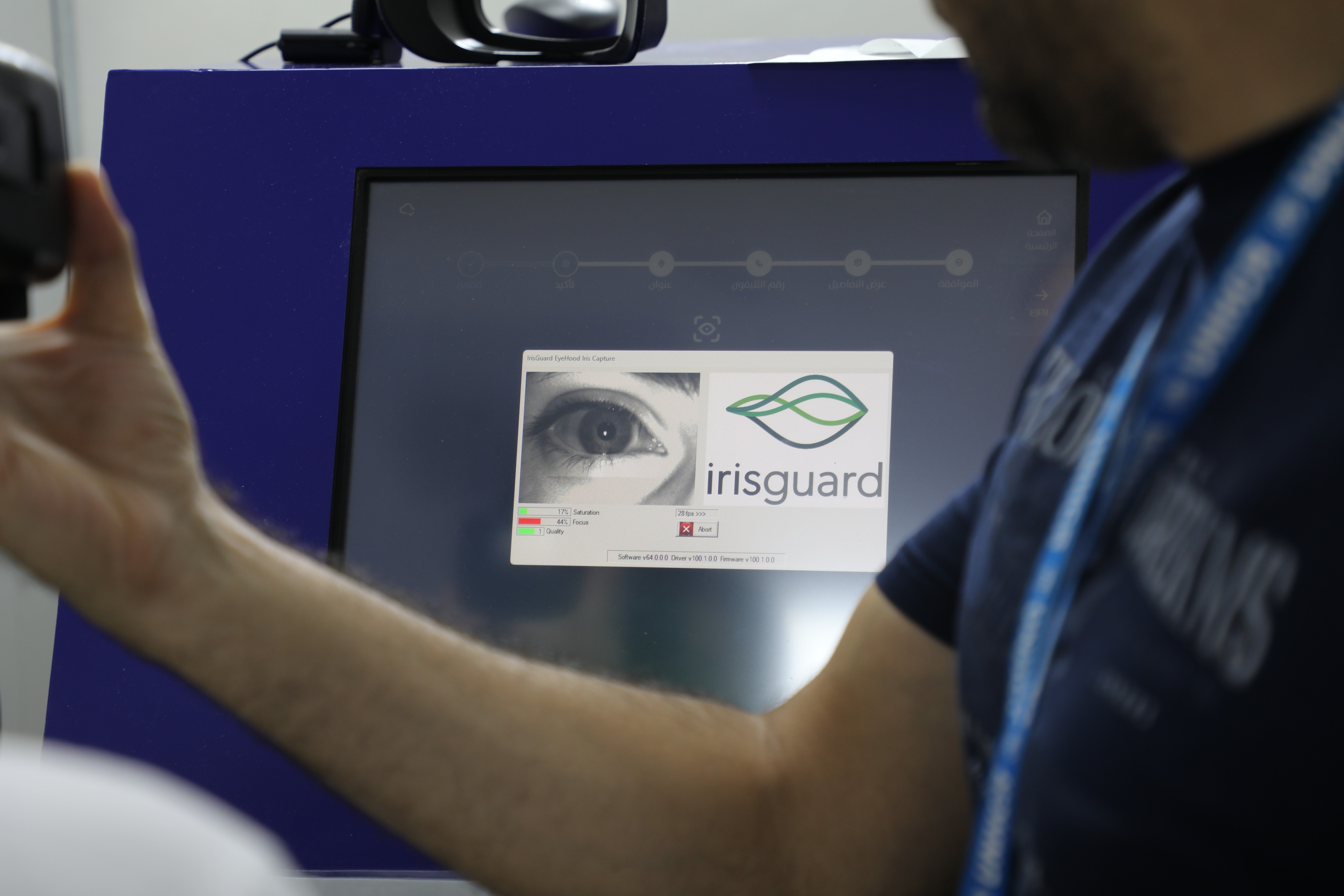
The seven kiosks across Jordan are reshaping services, even though conventional registration remains necessary for certain profiles like families with young children or those changing their composition.
In just nine months, the kiosks processed expired document renewals for more than 20,000 individuals, proving their strong usability and earning user trust. "It is a very quick process; I really appreciated it. My parents took around two minutes to finish their task," said Eman, a refugee at the Amman Registration Center. Nebal, a Syrian refugee also added: “This new self-renewal kiosk is convenient, efficient, and easy to use."
Efficiency Meets Protection
With the closure of registration centers in Mafraq and Irbid due to 2025 funding cuts, refugees now have direct and immediate access to essential services, as the kiosks allow them to independently update their files, securely verify their identity, and instantly print required documentation. This enhanced self-service capability streamlines the process and grants refugees' greater autonomy over their data and documents. Faster processing means that a single staff, by overseeing three machines, can assist up to three times more people within the same timeframe.
"It is rewarding to see the positive impact of an in-house innovation that empowers the people it was designed to help while relieving pressure on the team. This is a shift to doing more innovatively," says Cedric Voywa, Registration Officer in Amman.
"Innovation isn’t always about doing more, it’s about doing better," says Itimad Farmawi, Registration Officer in Amman. "Even with limited resources we can still empower refugees and maintain their dignity."
A Model for the Future
The Jordan team is set to expand the kiosk program, adding five more units for a total of twelve: six in Amman, and three each in Zaatari and Azraq camps. In addition to plans of expanding the kiosks into urban community centers to better serve those living outside the major cities and camps.
Future enhancements will focus on empowering users by potentially allowing refugees to self-scan and upload documents, and by integrating passport scanning and verification systems.
Jordan's kiosk model demonstrates that innovation is vital in meeting evolving needs, providing a replicable and essential approach that both enhances protection and directly empowers the individuals supported by UNHCR.
"Looking ahead, we hope to further enhance the functionalities of the kiosks through upgraded machines and advanced technology," says Gabriele Olivi, Senior Refugee Status Determination Officer in Amman. "What has been achieved through this collective effort is remarkable. This is where innovation meets refugee protection," he added.