
Data Blog
Advancing the collection and use of data to inspire solutions for forced displacement
Project Flow: Solarizing water systems for refugees and their hosts through innovative finance
Congolese refugees who fled the violence in the Democratic Republic of the Congo (DRC) to Burundi, use a water point at a hosting site in Rugombo, Cibitoke Province, in March 2025. © UNHCR/Charity NzomoWith Project Flow, UNHCR is pioneering a smarter way to solarize...
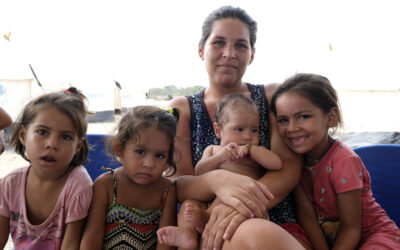
Compounding misfortunes – refugee women and girls lose even more ground during the COVID-19 pandemic
Women’s inherent fragility in terms of the enjoyment of basic rights and equitable welfare outcomes carries over into forcibly displaced settings. More than a year into the COVID-19 pandemic, evidence shows pre-existing inequalities and vulnerabilities are deepening.
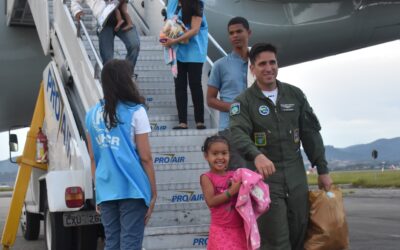
How are Venezuelans in Brazil faring? A new data dashboard is helping to provide answers
A data dashboard is helping the Brazilian Government and UNHCR keep track of social and economic integration as Venezuelans build new lives in Brazil.
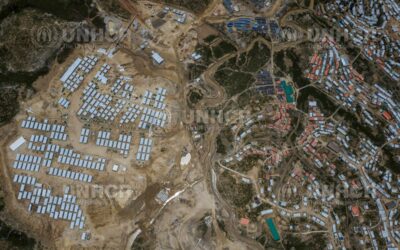
Innovations in gathering evidence from the Rohingya crisis in Cox’s Bazar
In Cox’s Bazar, UNHCR created a new population list that presents comparable data on refugees and host communities to inform support for both communities.
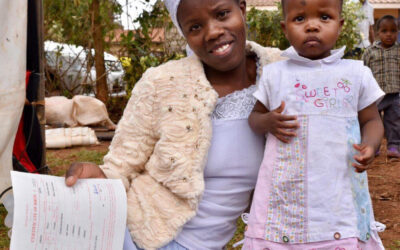
New evidence about the socioeconomic impacts of statelessness emerges from a study of the Shona community in Kenya
Results from a UNHCR-World Bank survey provide one of the first data-backed assessments of welfare and poverty associated with the lack of nationality.

COVID-19’s impact on Rohingya and Bangladeshi adolescents in Cox’s Bazar
Rohingya refugees and Bangladeshi adolescents report being impoverished due to the COVID-19 pandemic, with girls experiencing the impact more intensely. Which policies should be prioritized to help adolescents weather the pandemic?
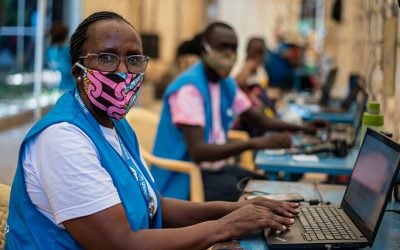
Data Collection in Times of Physical Distancing
The pandemic has brought forward a set of challenges for humanitarian data activities. UNHCR introduces a set of recommendations on how to minimize the disruption, mitigate risk and reduce bias when acquiring data.
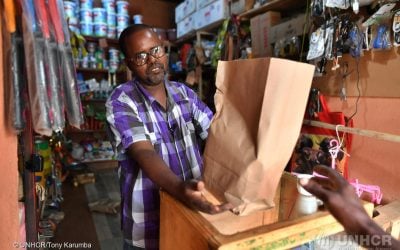
Can national financial inclusion strategies reach forcibly displaced persons?
Forcibly displaced persons must be incorporated into national financial inclusion strategies, recognizing their special circumstances and legal status as an important, deliberate step towards fully inclusive financial sectors.
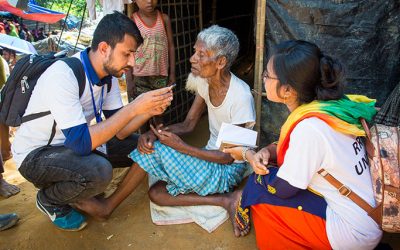
Advancing UNHCR’s open data vision: the new Microdata Library
UNHCR launches new platform to make anonymized microdata available to organizations, partners, or individual researchers who demonstrate a legitimate need to access it.
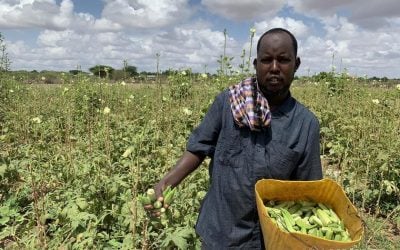
Beneficiaries of monitored livelihoods programmes see gains in employment, income and savings
Refugees are no different from others in that employment is crucial to their livelihoods, personal empowerment and integration into society.
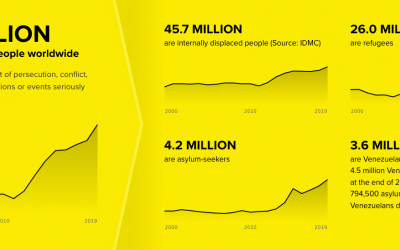
Refugee data at your fingertips: UNHCR’s new Refugee Population Statistics Database
UNHCR launches new database making information and statistics about forced displacement and statelessness available at your fingertips.
About the blog
The UNHCR Data Blog brings attention to data and research on protecting the rights and wellbeing of people forced to flee. It is also a forum to discuss research innovations in data-scarce forced displacement settings.
Useful links
UNHCR Data Transformation Strategy 2020 – 2025
UNHCR Socioeconomic Data and Analysis
Guidance on Registration and Identity Management
Registration and Identity Management at UNHCR
Socioeconomic Assessment Toolkit
Orientation for the early stages of planning a socioeconomic survey
Guidance on sampling household level surveys from UNHCR proGres registration data