
Data Blog
Advancing the collection and use of data to inspire solutions for forced displacement
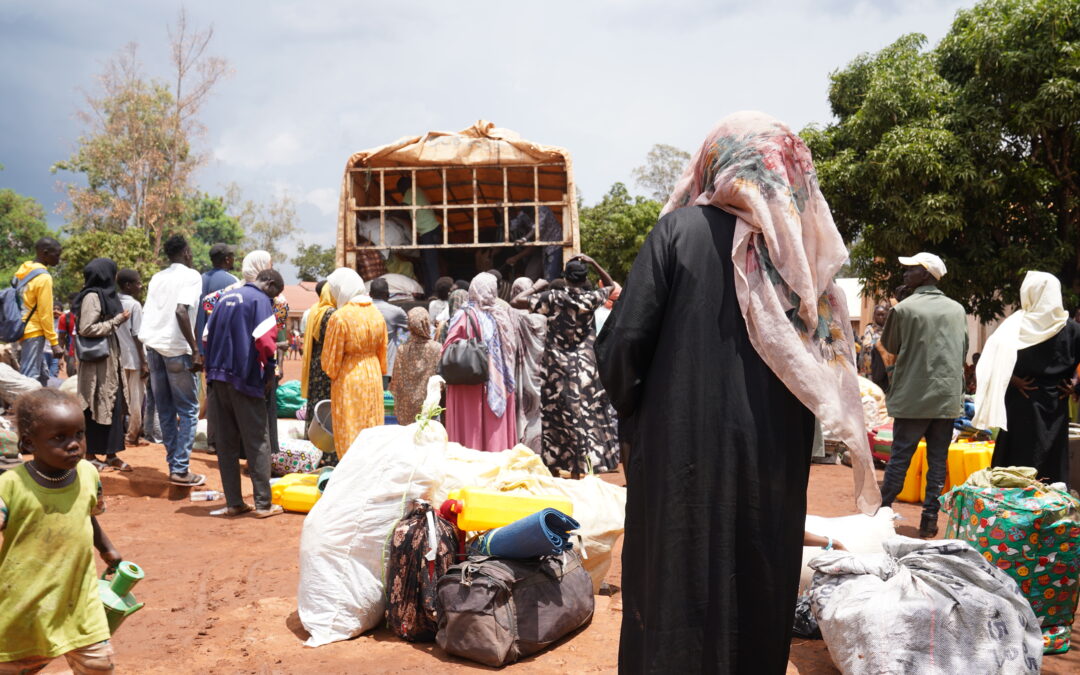
A critical step toward saving lives: helping humanitarian workers respond to substance use with empathy and care
A new inter-agency initiative is driving a shift to ensure substance use is recognized and addressed as a critical part of humanitarian response.
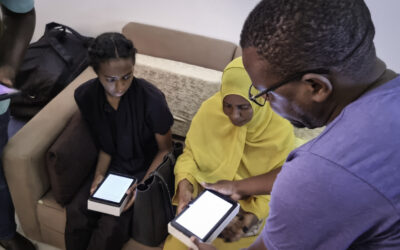
The Microdata Library in 2023: furthering the commitment to the responsible sharing of microdata
Razan and other volunteers train for data collection ahead of aid distributions. ; The conflict that erupted in April in Sudan has displaced millions of Sudanese. Many of them are sheltering in Wadi Halfa, hoping to be allowed to enter Egypt. © UNHCR/Mohamed Rached...
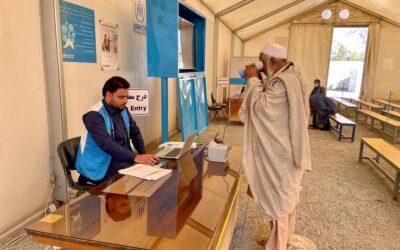
Using biometrics to support cash-based interventions for Afghan returnees
Forced displacement in Afghanistan is a multi-faceted situation within the country’s 40 years of protracted conflict. Furthermore, thousands of people are impacted by natural disasters, including earthquakes. This complex situation has led to an increased number of people becoming displaced both within the country and into neighboring countries. At end of November 2023, there are 7.7 million Afghans in Iran and Pakistan, including registered Afghan refugees and Afghans in refugee-like situations . At the same time, and despite the difficult situation, people still repatriate to their country of origin.
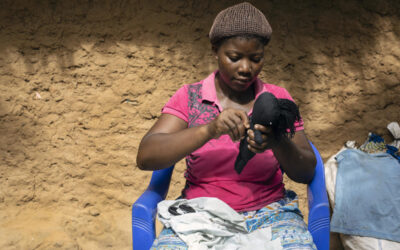
Refugees enjoy better integration when they and their hosts are more financially secure
An impact evaluation shows significant socioeconomic benefits among refugees and hosts who participated in a graduation programme in Mozambique.
Unlocking the economic gains of hosting refugees starts with economic inclusion
Supporting the economic resilience of refugees is a central piece of the global effort to meet the SDGs.
World Teachers’ Day 2023 – Addressing the Overlooked Plight of Refugee Teachers
By Rebecca Telford, Ed.D, Global Chief of Education, UN Refugee Agency (UNHCR) Deng Akuel Kuir, a 28 year old South Sudanese refugee teacher at Bahr El Naam Girls school in Kakuma in school with his students. He teaches class 7 and 8. He was born and raised in Kakuma...
Unraveling the Future: Data-Driven Action for Climate-Induced Forced Displacement
The impact of Cyclone Mocha on Dar Paing village. © UNHCR/Reuben Lim Wende By Andrea Pellandra and Geraldine Henningsen Forced displacement is a pressing global challenge that has become increasingly complex in recent years. The number of forcibly displaced...
From Training to Deployment: Emergency Refugee Registration
When the armed conflict in Sudan broke out in mid-April 2023, UNHCR conducted the last stages of its revamped Emergency Registration Learning Programme (ERLP). 20 staff from various locations across the world were trained in refugee registration and identity management in emergencies, enabling them to develop and implement efficient and strategic registration processes for emergency situations. They were quickly deployed, as the situation in Sudan only worsened. While the country used to be home for the second highest refugee population in Africa, the renewed conflict has now displaced over 800,000 people inside Sudan.

Keeping UNHCR’s Biometrics System up to date
When UNHCR, the UN Refugee Agency, began collecting biometrics in 2002, it was for one local and very specific use case: To facilitate fair and single-time cash grants, irises of Afghan refugees in Pakistan were collected.
Alongside many developments in biometrics over the past two decades, UNHCR explored and implemented different biometric tools in different regions and for different purposes. Since the beginning, biometrics brought direct benefits to refugees, UNHCR, and partners alike, and are now considered an integral component of registration data in over 90 UNHCR country operations globally.
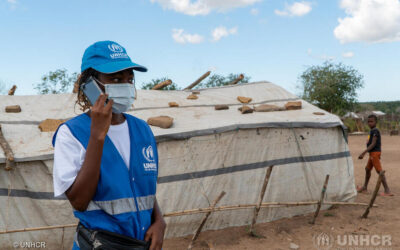
Bridging the digital divide – How UNHCR uses telephone for data collection of forcibly displaced persons
Sampling hard-to-reach populations has been a challenge for surveys for a long time. In the context of forced displacement, out-of-camp refugees, and internally displaced persons (IDPs) are particularly difficult to include in a sampling frame due to higher mobility compared to populations who reside in camps. UNHCR used Computer-Assisted Telephone Interview (CATI)-Assisted Telephone Interviews to collect household-level data of refugees and asylum-seekers.
The DAFI programme gives young refugees access to education and hope. But how can we improve it?
For the last three decades, the Albert Einstein German Academic Refugee Initiative, known as DAFI, has offered refugees the chance to pursue higher education, giving them, their families, and their host communities hope for a better future. The DAFI is in...
About the blog
The UNHCR Data Blog brings attention to data and research on protecting the rights and wellbeing of people forced to flee. It is also a forum to discuss research innovations in data-scarce forced displacement settings.
Useful links
UNHCR Data Transformation Strategy 2020 – 2025
UNHCR Socioeconomic Data and Analysis
Guidance on Registration and Identity Management
Registration and Identity Management at UNHCR
Socioeconomic Assessment Toolkit
Orientation for the early stages of planning a socioeconomic survey
Guidance on sampling household level surveys from UNHCR proGres registration data