



From fragments to fragrance: UNHCR supports school for children with visual impairments
From fragments to fragrance: UNHCR supports school for children with visual impairments

© UNHCR/Marta Kocherha
Down one of the cobblestone streets in Lviv in western Ukraine, shaded by thick green trees, a somewhat anonymous building is in fact hosting a legacy within its walls: the oldest institution in Ukraine dedicated to children with visual impairments. For over 170 years, this school — officially named the “Special Education Boarding School No. 100” — has welcomed children and youth, living with different types of visual impairments.
When the full-scale war began in 2022, the building temporarily transformed into a shelter and transit point for families fleeing from the east and south of Ukraine. Eventually, its classrooms reopened – and the school started to welcome new students whose lives had been shaped by both war, displacement and the experience of living with a disability.
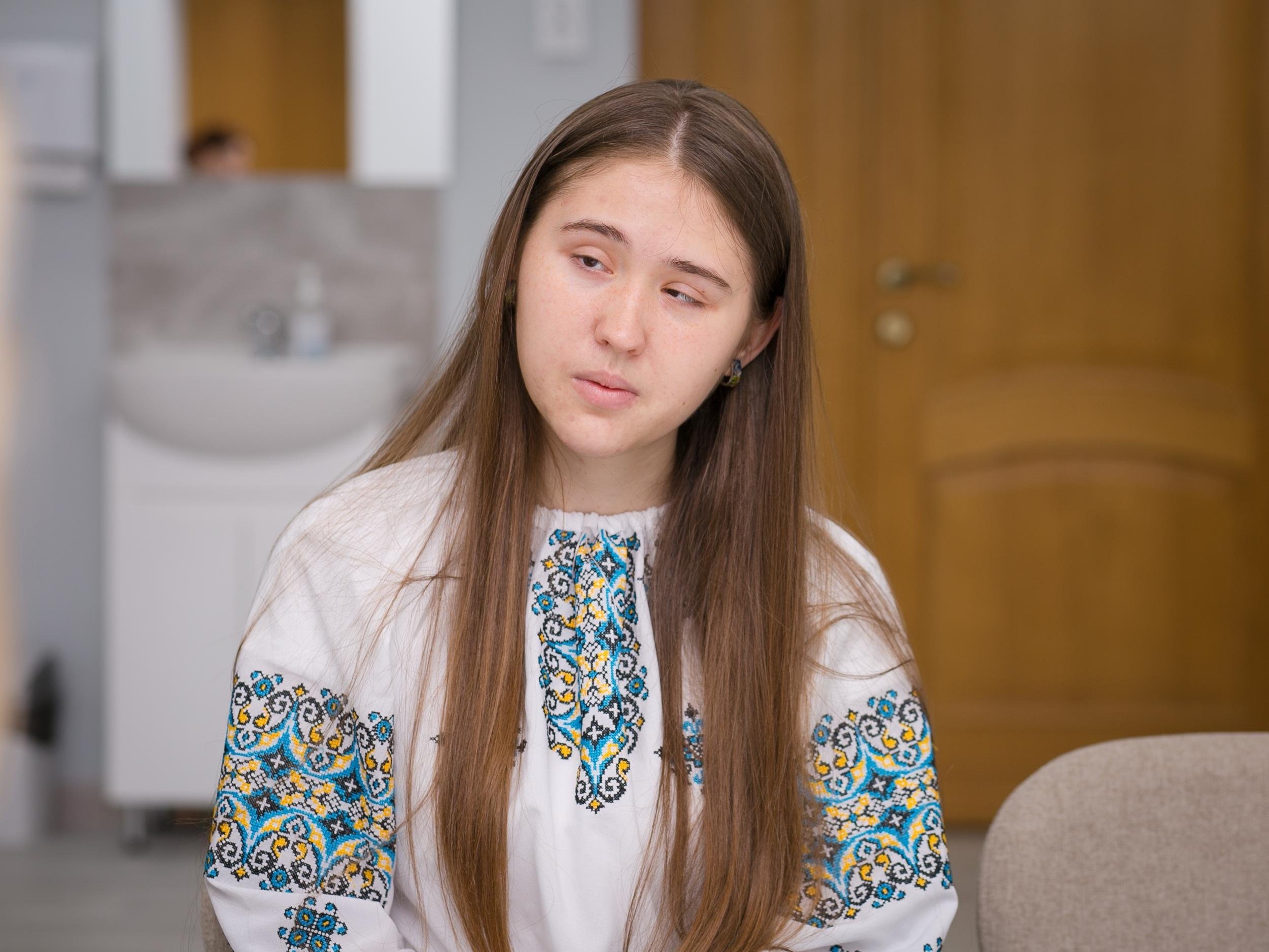
Veronika, 18, fled Kharkiv with her mother and brother, who also has visual impairments. “We didn’t know where we were going. We just got on the first evacuation train. I only packed what I needed to keep studying, my laptop and power banks,” says Veronika.
Having sought safety in Lviv, Veronika also began a new chapter at School No. 100. Here, she has taken on the responsibility of managing the school’s social media and content creation, and she has been able to form new connections.
© UNHCR/Marta Kocherha
“When I first arrived here, everything felt new and strange. But I’ve made real friends — and I try to expand my circle all the time,” she says.
One of her new friends is 17-year old Liza who left her hometown of Beresnehuvate in Mykolaiv region together with her parents and siblings after a cluster munition hit their yard and damaged the family home.
“Missiles landed near us almost every day. Then they bombed the school, and my brother and I had nowhere left to study. We didn’t just hear explosions, we lived under them. I got used to being scared. When your bed jumps from a blast, you can’t not be afraid,” recalls Liza, who is now in her third year at School No. 100.
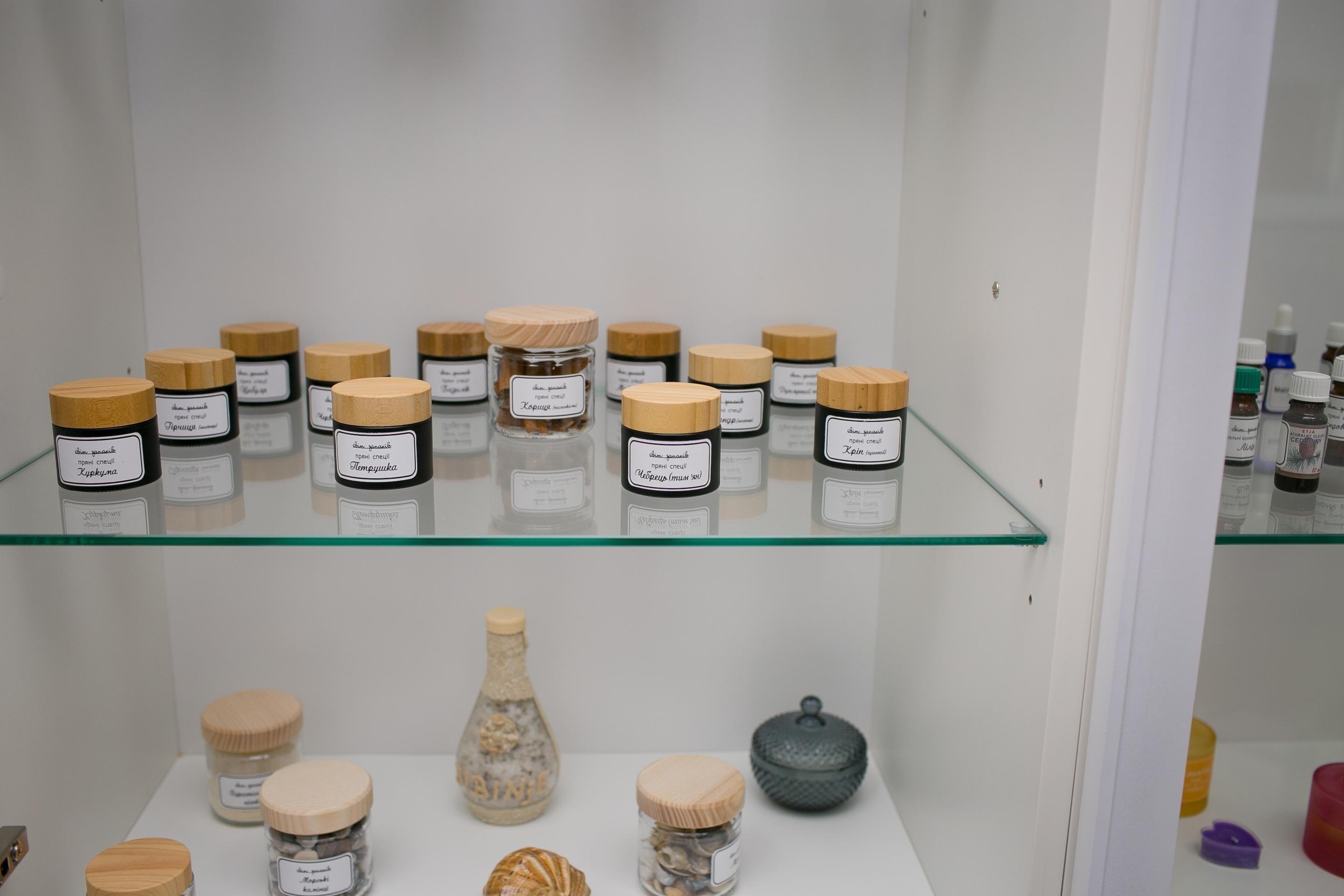
However, for both girls, the school is not only offering education, but also a place to heal. With support from UNHCR, and implemented through its NGO partner Rokada, School No. 100 now hosts the first aromatorium in Ukraine — a specially designed sensory classroom for children with visual impairments.

© UNHCR/Marta Kocherha
Here, the shelves are filled with jars of spices and perfumes, herbs and oils, teas and textured objects that awaken memory and build confidence.
“For us, who can’t see, smell and touch are powerful. This room is a way to learn and to feel safe at the same time,” says Liza.
The innovative aromatorium has a vital impact for the children with visual impairments, explains Natalia Husak, who teaches sensory development classes at School No. 100 — and is a graduate from the school herself: “War leaves a mark on every child. Some can now identify rockets by sound. But here, in the aromatorium, they can simply be children again — explore, feel, create. It helps them heal.”
Of the more than 3.7 million internally displaced people in Ukraine, the UN estimates that 31% of the displaced families have family members living with disabilities. For UNHCR, disability inclusion is a central component of the organization’s protection and solution response in Ukraine, not least since people with disabilities, alongside older people, are the groups most at risk of exclusion due to the ongoing war.
UNHCR’s activities in this area span from direct support such as psychosocial support and legal aid to help people restore personal documents, have disabilities recognized and access services and benefits, to collaboration with Ukraine’s Ministry of Social Policy and other authorities to strengthen the social services most in need by people with disabilities, including with regards to evacuations from frontline communities. In addition, UNHCR’s supports more than 50 community-based organizations, directly led by persons with disabilities or focused on disability advocacy and support, which play a vital role in enabling people with disabilities to access information, support and be included in their communities.
© UNHCR/Marta Kocherha
In 2024, UNHCR delivered 239,000 multi-sectoral services to people with disabilities in Ukraine. In the first half of 2025, close to 33,000 services – within different types of support – have been provided to people with disabilities. This is possible thanks to funding from government and private sector donors, especially Finland who has been a long-term and staunch partner in the area of support and protection to displaced people with disabilities.
Back in School No. 100 in Lviv, Liza dreams of a future in software development, balancing her creative side with a love of logic and structure, while Veronika is preparing for university and already shaping her skills in media and communication. Neither of them knows what the future brings — but in the classroom filled with the smells of cinnamon, honey, and almond, they’ve found a moment of peace amidst the war around them.


