Zambia
Zambia
Zambia is advancing a whole-of-government, climate-smart approach to refugee inclusion, transforming settlements into economic hubs while promoting access to services, land, and sustainable livelihoods for displaced and host communities alike.


Are you a refugee, asylum-seeker or stateless person looking for help? Visit the HELP site to find support and services from UNHCR.
Home to over 106,000 refugees, asylum-seekers and former refugees, Zambia continues to strengthen its inclusive approach to refugee protection while facing growing climate-related challenges. In 2024, the country experienced rising temperatures, erratic rainfall, droughts and floods, which disrupted agricultural production, impacted livelihoods, and strained household resilience, particularly in refugee-hosting areas.
Despite these pressures, Zambia has reaffirmed its commitment to refugee inclusion. The Government launched its first-ever National Refugee Policy and Implementation Plan in January 2024, with UNHCR support, reinforcing the integration of refugees into national systems. Refugees now have access to health, education, social protection, banking, SIM registration, and arable land, though ecosystem degradation and access limitations remain.
Through a whole-of-government approach, Zambia is transforming its three main refugee settlements – Meheba, Mayukwayukwa and Mantapala – into economic hubs, supported by integrated development plans and a new Agricultural Road Map promoting climate-smart, market-oriented solutions. UNHCR, in collaboration with line ministries, UN agencies and partners, continues to deliver protection and multi-sectoral support, advocating for the inclusion of both refugees and host communities in national services and sustainable development plans.
The Zambia multi-country office covers activities in Malawi, Zambia and Zimbabwe.
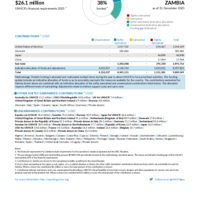
Population and financial overview
Zambia
Use the year selector to access strategy information from previous years.