



Help where it is most needed
Help where it is most needed

Spring arrived and the woods we are approaching appear in bloom. It is only when we stop - a lake and a park on the one side of the road and woods on the other - that we see that these woods are dotted with cardboard and plywood houses, buzzing with people. We have reached Cucaricka Suma, one of over 100 informal settlements in the greater Belgrade area that are inhabited by Roma, many of them displaced from Kosovo and Metohija.
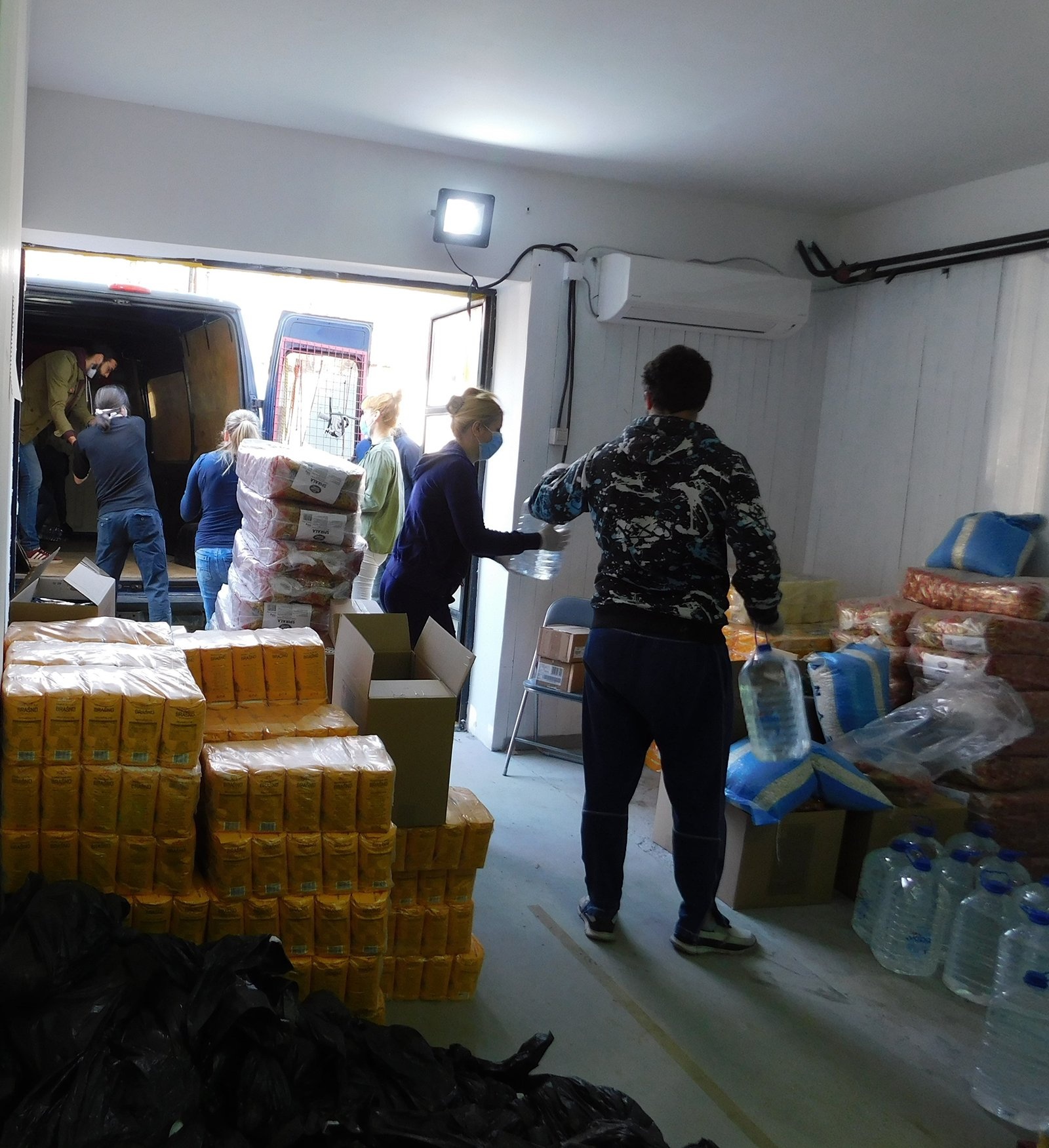
As the volunteers of UNHCR’s partner A 11 – Initiative for Economic and Social Rights descend from their truck carrying relief, children surround it and bewildered adults approach. “My wife and I have three kids, two of school age and a toddler. Before the coronavirus lockdown we sustained the family by collecting secondary raw materials and paper on the streets of Belgrade. Under curfew and with health concerns this has become impossible. We barely have anything to give our children to eat and are grateful for the aid you brought us,“ says Ramiz looking into a box with basic food including flour, cooking oil, pasta, rice, potatoes, and hygiene packs including liquid soap, shampoo, washing powder and toilet paper.
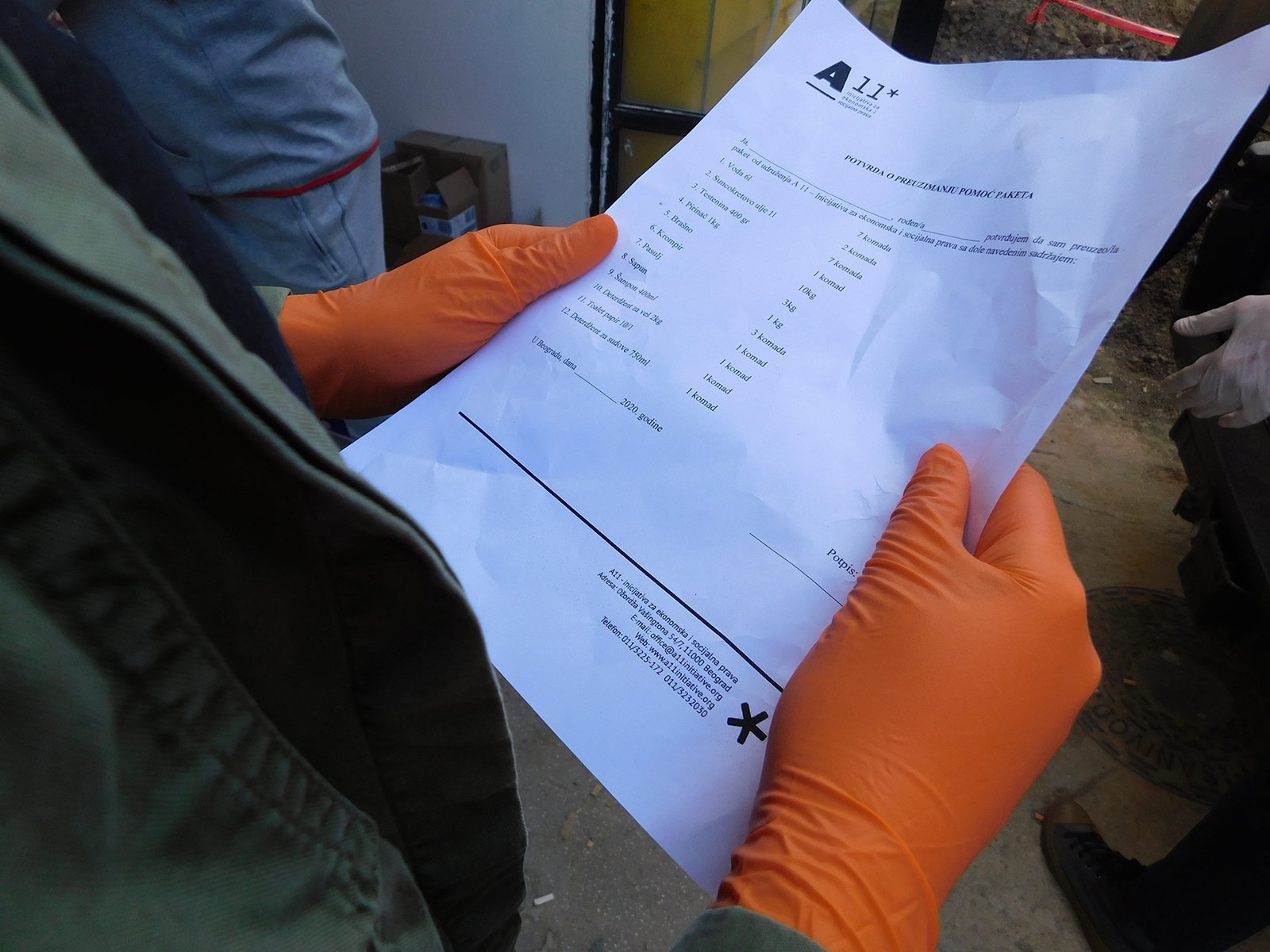
Recognizing the threat, which the economic and social consequences of the COVID-19 emergency poses the very existence of most destitute internally displaced persons, A11 procured life-saving hygiene and food aid and, over the last five days, distributed it to 230 most destitute families in nine informal settlements and unofficial collective centres in the greater Belgrade area.
The UN Refugee Agency has been supporting improvements to the situation of internally displaced persons in Serbia since 2005. In addition to guiding them through a maze of requirements and procedures to obtain proper documentation, UNHCR and its partners continue advocating for their non-discriminatory access to social and economic rights including health, education, welfare and humanitarian aid. More needs to be done to ensure that internally displaced persons are fully integrated into states and their social safety nets.