



Integration Benefits Refugees, But Also Local Communities That Host Them
Integration Benefits Refugees, But Also Local Communities That Host Them

Local self-governments have emerged as one of the key actors in the integration of refugees in Europe, and UN Refugee Agency (UNHCR Serbia) is ready to support towns and municipalities across Serbia, in collaboration with other stakeholders, to build inclusive communities in which refugees can belong, thrive and contribute. This was one of the key conclusions of conference “Refugees in local communities: from reception to integration”, organized by UNHCR Serbia in the United Nations House.
The event, which brought together municipal leaders from Bujanovac, Sjenica, Obrenovac, Vranje, Novi Sad, Tutin and Preševo, aimed to initiate dialogue with local authorities, institutions, the private sector and international financial institutions on how to include refugees into local development and action plans. It also sought to identify the specific needs of municipalities that UNHCR and other actors can support, ultimately advancing refugee inclusion and integration.
For persons who were forced to flee due to conflict or persecution, access to rights and services in host communities, such as education, employment, housing, social protection, language learning and legal assistance is the foundation for a dignified new beginning and successful integration.
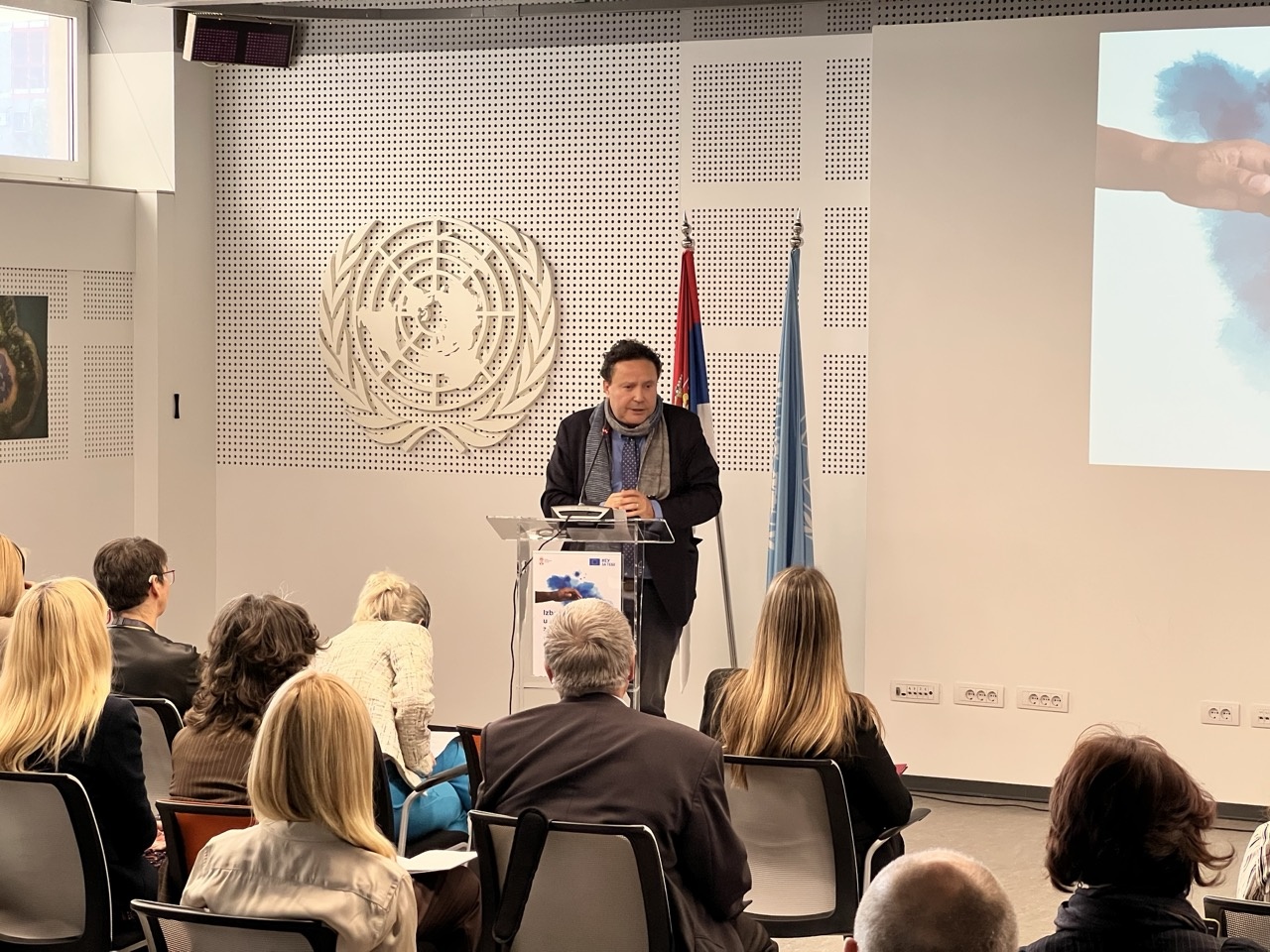
„In Serbia, access to these rights is enshrined in laws. Yet in practice, some refugees and asylum seekers face challenges, as their status, rights and documents are not widely recognized. While national policies establish a crucial framework, it is local authorities who bring these policies to life“, underlined Soufiane Adjali, UNHCR Representative in Serbia, adding that refugee contribution to local communities can be immense: „They bring knowledge and skills, and should not be seen as a burden, but a potential. Once granted protection in Serbia, they are supported to leave asylum centers. It is essential to consider what comes next – how we can ensure more sustainable solutions for decent employment, long-term inclusion and affordable housing.”
There have never been as much people who were forced to leave their countries as today, and Europe, including Turkiye, hosts nearly one-third of all refugees globally. The Global Compact on Refugees, an international framework to improve the global response to refugee situations, recognised integration as a shared responsibility – and municipalities, the private sector and local organisations have emerged as crucial agents of innovation.
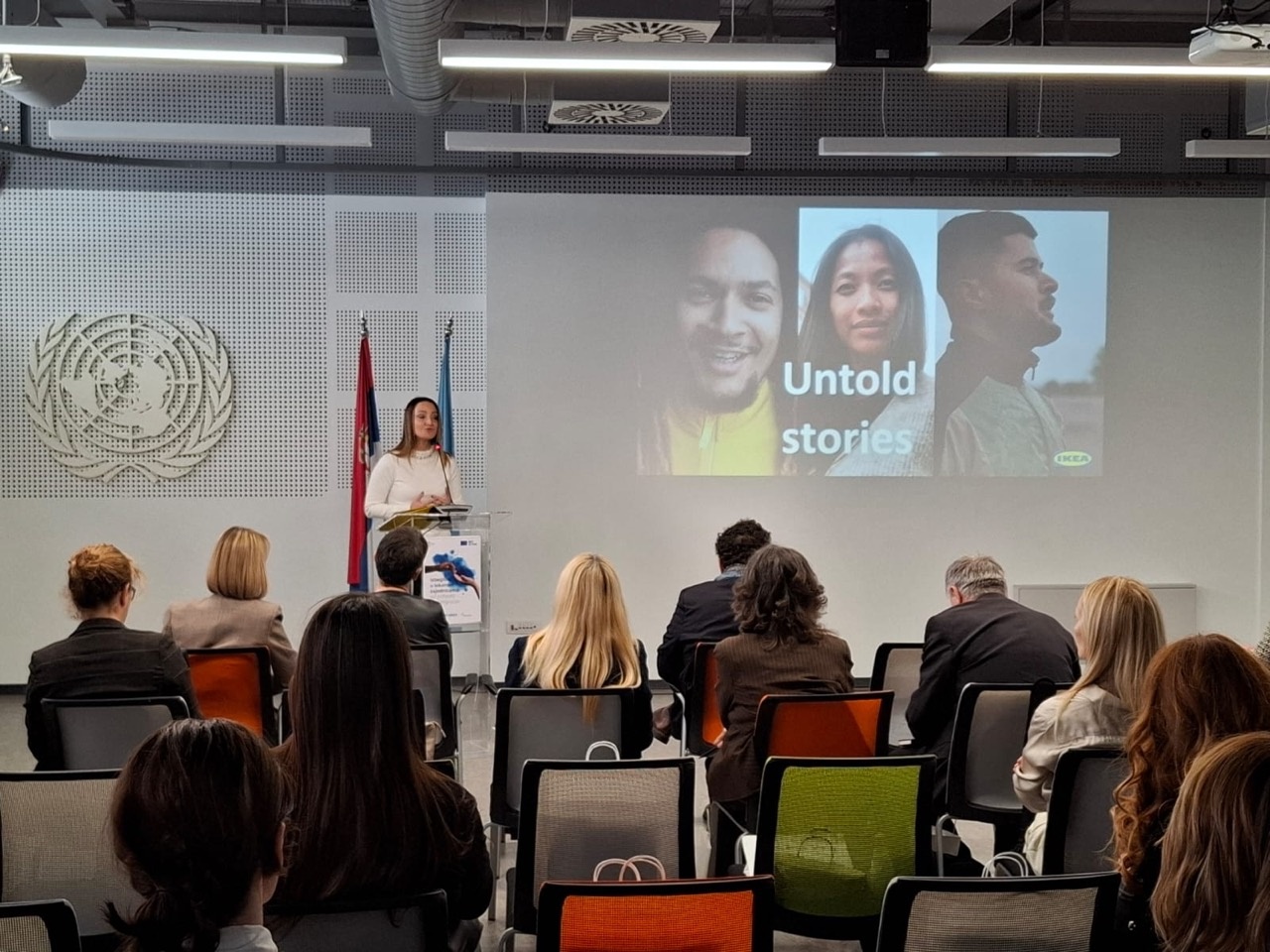
"Back in 2008, Serbia was ranked among the five countries with a protracted refugee crisis. Today, nearly two decades later, around 25,000 displaced persons still live in our country. That is not a number we can ignore — these are people, destinies, families who have found their home in Serbia. But what we can and must emphasize is that Serbia is a model of integration in Europe. Out of more than 600,000 refugees registered in 1996, over 350,000 have acquired citizenship of the Republic of Serbia. This is the largest integration process of that category of population in modern Europe. It is a story of solidarity, of perseverance, of a state that did not turn its back. With the help of its partners, Serbia will continue to work to ensure that every refugee family has the opportunity to live like any other — with security, stability, and hope. Because every home we build, every family that finds peace, every story that ends happily — is a victory for humanity," emphasized Ivana Ružičić, State Secretary in the Ministry of Public Administration and Local Self-Government of the Republic of Serbia.
Good practices of refugee integration across local communities in Europe were presented at the conference by H.E. Charlotte Sammelin, ambassador of Sweden to Serbia and Montenegro, H.E. Anke Konrad, ambassador of Germany to Serbia and H.E. Anne Lugon-Moulin, ambassador of Switzerland to Serbia and Montenegro.
Aleksandra Triantafyllidou, IKEA South East Europe Regional People and Culture Manager, shared that integrating refugees is not only about offering support, but about growing together — by welcoming people as equals, recognizing their talents, and creating a better everyday workplace for all.
In the upcoming period following the conference, UNHCR will conduct thematic meetings with selected local-self governments, more concretely mapping the needs, opportunities and the next steps within the cooperation that aimes to benefit both forcibly displaced persons and host communities.
***
Refugees are people who have been forced to flee their countries due to conflict or persecution. According to the 1951 Refugee Convention, a refugee is a person who “due to a well-founded fear of persecution because of race, religion, nationality, membership of a certain social group or political opinions, is outside the country of origin and is unable or, due to such fear, is unwilling to be under the protection of that country”. At the moment, there are more than 122 million forcibly displaced people worldwide.
***
This activity was organized within the project "EU Support to Migration Management: Fostering the Integration of Refugees and Migrants" implemented by UNHCR Serbia in partnership with IOM Serbia and SCRM with support of the European Union. The organizer is solely responsible for content that does not necessarily reflect the official views of the European Union.


