



United voices, empowered communities: Breaking down barriers to address gender-based violence in Ukraine
United voices, empowered communities: Breaking down barriers to address gender-based violence in Ukraine

Year-round UNHCR, the UN Refugee Agency, and its partners continue working to address GBV in Ukraine and promoting a culture of collective responsibility, support and zero tolerance. The full-scale war in Ukraine has significantly increased the risks of gender-based violence, especially for women and girls living in severely war-affected areas or those forced to flee their homes. Social upheaval, loss of income, weakened protection systems, and unsafe living conditions all contribute to growing vulnerabilities.
Yet despite the scale of the problem, cases of gender-based violence often remain underreported, and many women lack access to the information and resources needed to seek protection or support. UNHCR works closely with national NGO partners, UN agencies, government authorities, civil society organizations and with communities to prevent, mitigate, and respond to gender-based violence. In areas where state protection systems are under pressure due to relentless attacks and displacement, community initiatives have become vital for preventing and responding to GBV.
Through these partnerships, UNHCR empowers local women-led and IDP-led initiatives and works to identify risks as well as ensure that women and girls have access to information, timely and confidential assistance, helping them stay safe and regain control over their lives.
Creating a community without fear
As part of local-level efforts to prevent GBV in Kharkiv region, the NGO Community of the Concerned DIYA has created a women’s space called “DobroDIYA” – a community hub offering a safe environment, where women can access comprehensive emotional, psychological, and social support.
“The topic of gender-based violence has long been taboo. We decided to change that—talk, listen, and provide support. Our project is designed to break the silence and support people, giving them knowledge to challenge norms that are not really normal,” says Anna Kroshchenko, head of the Women’s Space “DobroDIYA”.
UNHCR supports the implementation of DIYA’s project “Together Without Fear”, which focuses on group awareness and support sessions for women, volunteers, and dormitory staff for IDPs. These sessions provide essential guidance, knowledge, and resources to help participants recognize, prevent, and respond to GBV.
Since its launch, the project has reached over 180 participants through 28 interactive sessions, each covering two separate meetings to allow trust-building and deeper engagement. By equipping communities with knowledge and practical tools, the initiative helps build resilience that continues long after each session ends.
“By the second session, women often begin to open up as they build trust with our specialists. Change doesn’t happen overnight, as people need time to reflect, recognize when someone may be causing harm, and understand that they themselves may need support. The participants reach out when they are ready. In the sessions we are not just talking about the problem—we are building a community without fear,” Anna explains.
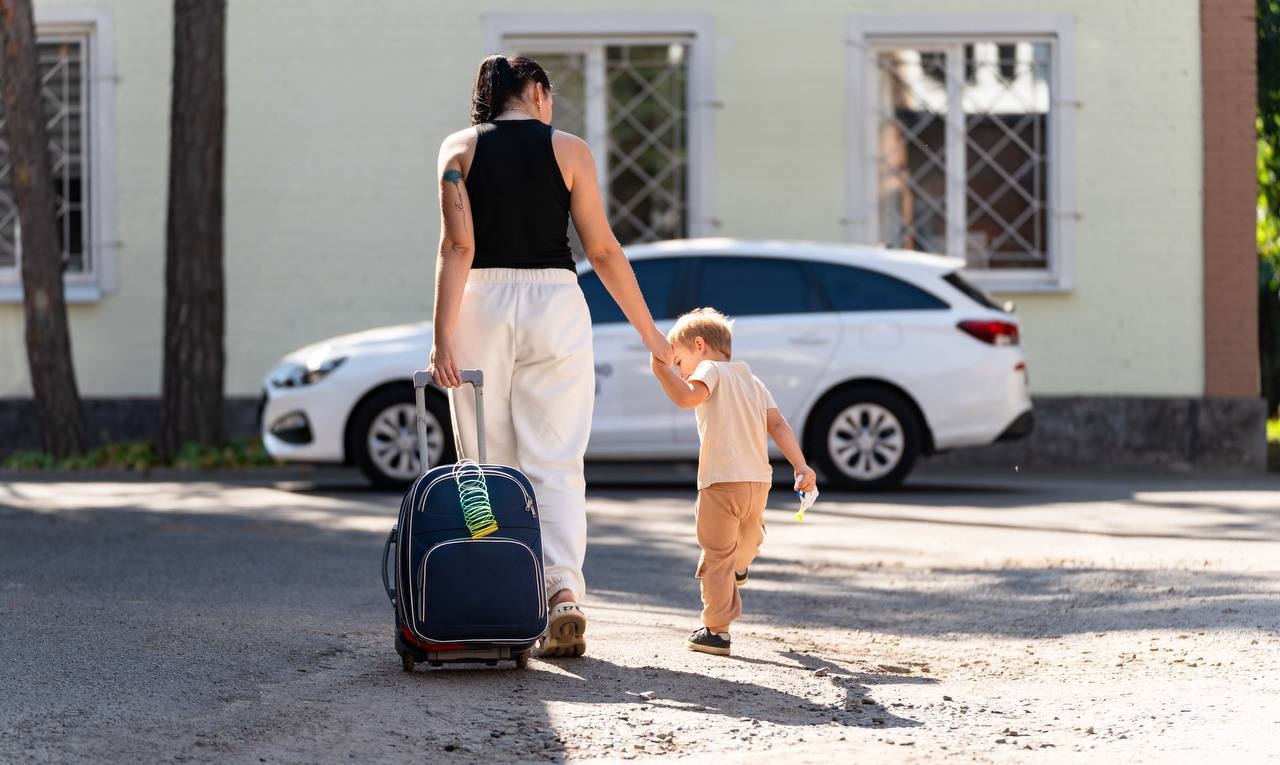
The initiative also connects participants with follow-up support. When people share their needs, the team guides them to UNHCR partners for legal, psychological, or humanitarian assistance.
Breaking barriers to support with social taxi
In Poltava region, the NGO Light of Hope provides essential services to prevent and combat gender-based violence with the support of UNHCR. The collaboration focuses on reaching women in communities with limited access to services, ensuring that they know their rights and have guidance on where to seek help.
“Our main goal is to create opportunities for women to recognize and respond to violence. We do not identify those who need help, because that could be harmful, but we provide information and guidance so people can safely take the next step,” says Viktoria Miroshnychenko, coordinator of Light of Hope’s GBV programmes.
A key component of this support is the Social Taxi initiative, which provides safe and rapid transportation for women to shelters, crisis rooms, and support sessions. It also helps bring caseworkers directly to women who may not have the means to travel. This was created after community consultations revealed that transportation was one of the biggest barriers to accessing help.
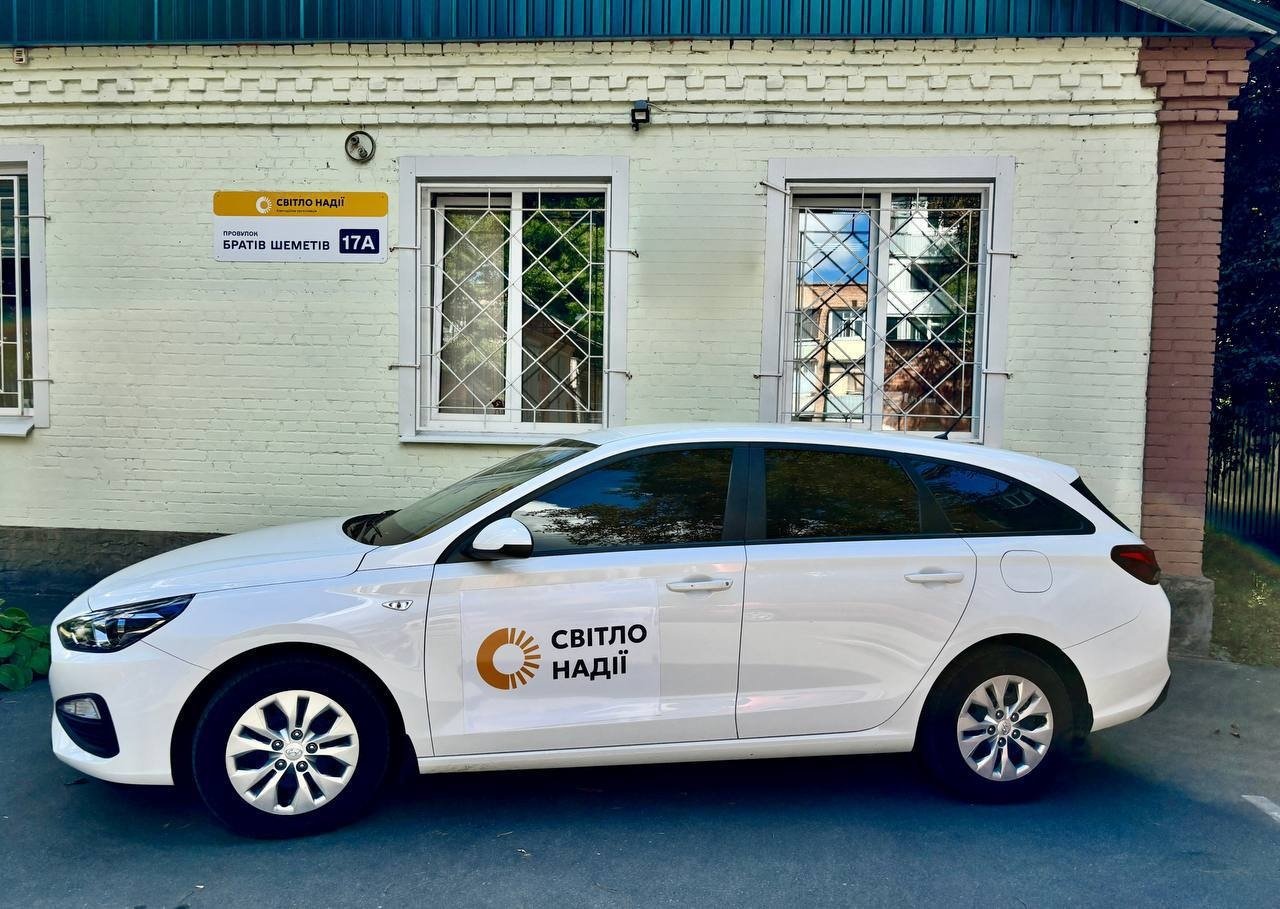
“Women facing domestic or gender-based violence encounter numerous barriers when seeking help, including fear of leaving a dangerous environment, lack of support, and concern for their safety. Many also lack the resources, such as transport or funds, to quickly and safely leave,” Viktoria explains.
“The Social Taxi has become a vital tool to reach safe space without risking their lives or health, where they can access the support they need and begin the process of recovery.”
If you or someone you know is experiencing any form of gender-based violence, support is available. For information on how to get help, please visit UNHCR’s GBV Help Page.


